Our verdict
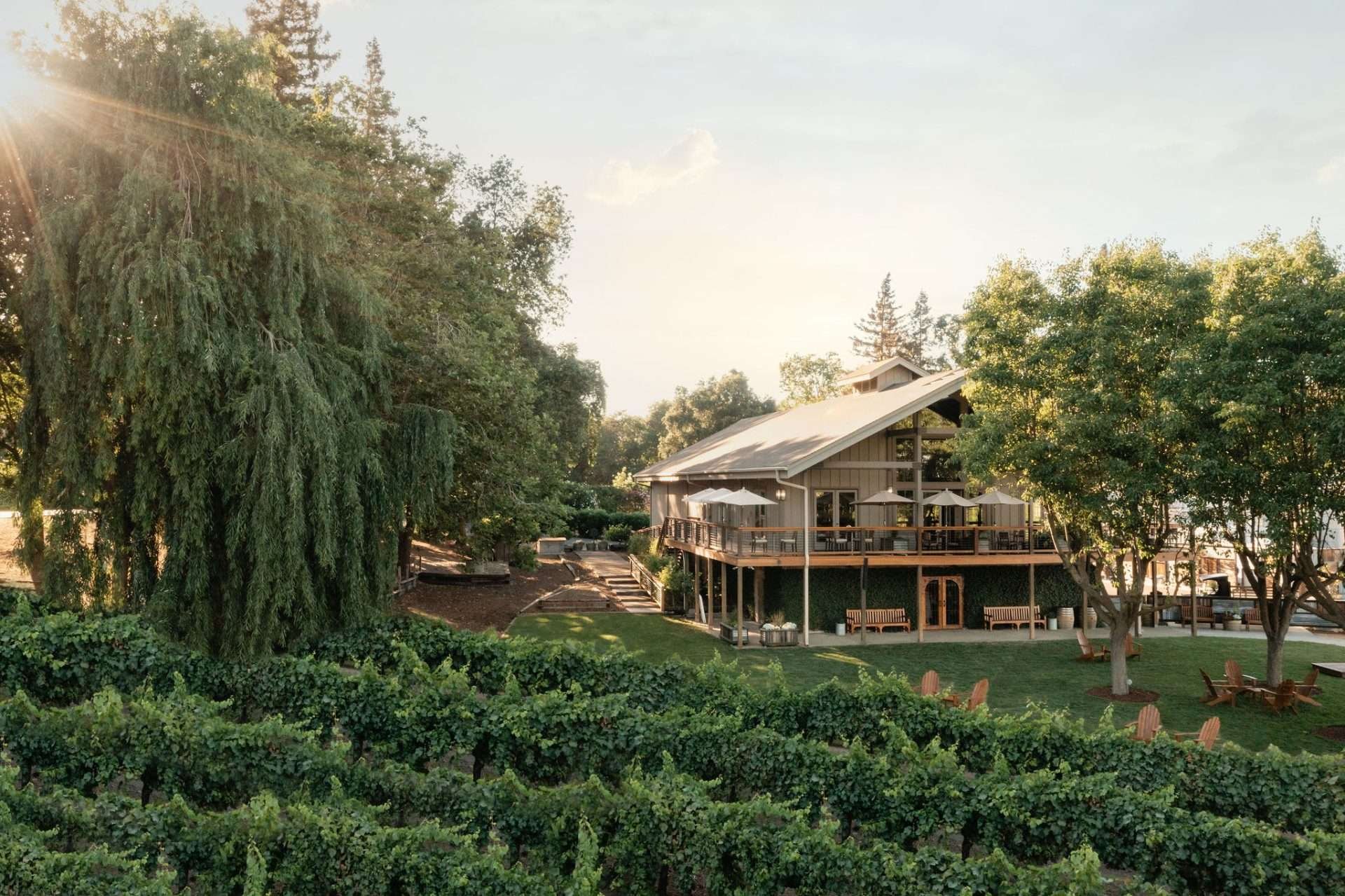
Muse sits in El Dorado Hills, east of Los Angeles, inside the tier of California restaurants where tasting-menu format and progressive ambition converge. The dining room operates as a stage for multi-course sequencing, placing it alongside a small cohort of destination-driven tables that reward advance planning. For readers tracking serious California cooking outside the city's central corridors, Muse is a legitimate reference point.

Pearl is the En Primeur Club membership app — saves, bookings, and concierge access live there. Same editors, same standards.
- Address
- El Dorado Hills, CA 95762
- Directions
- Get directions
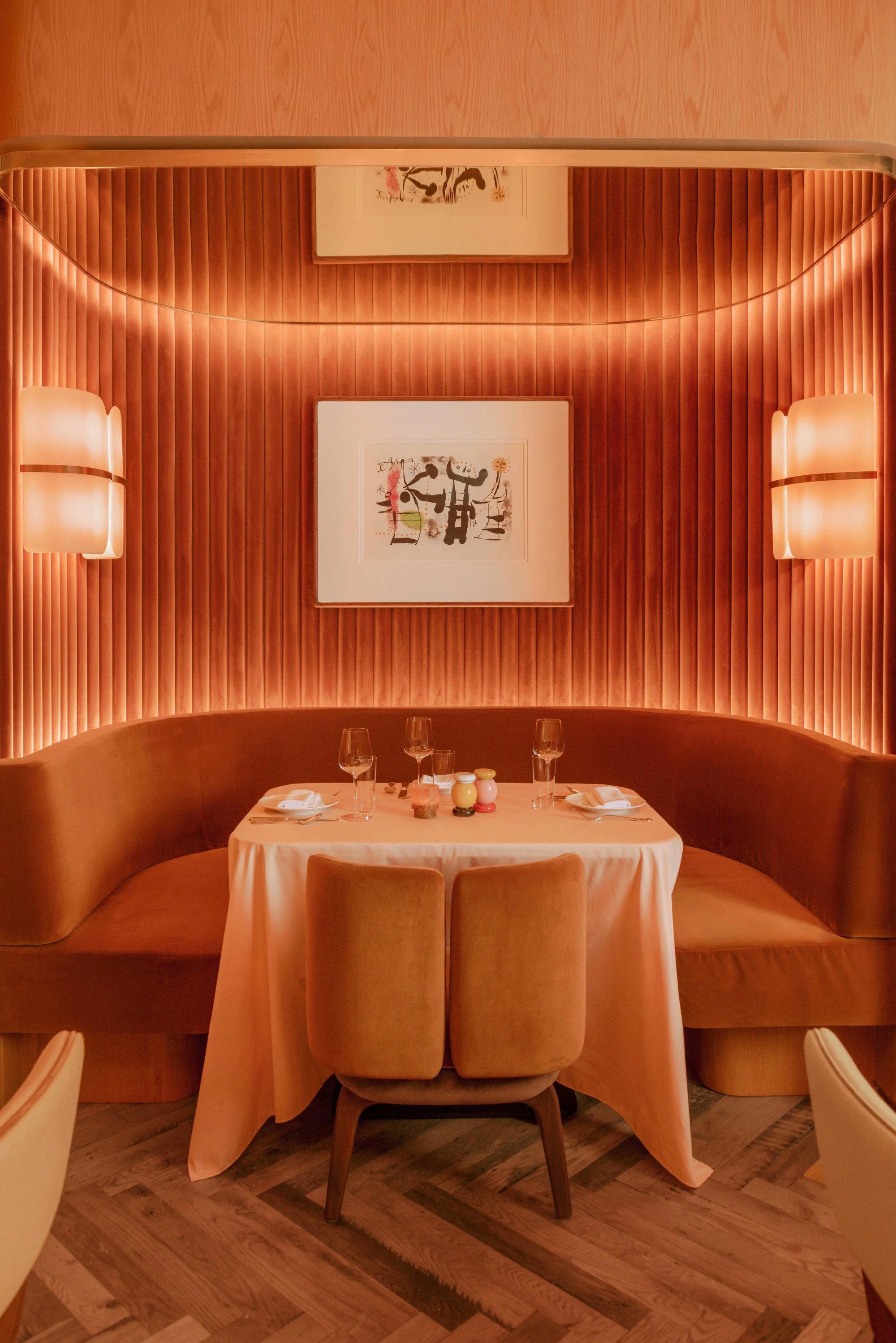
The menu
What to order
- Brioche feuilletée with Bordier butter
- Veal bonbons
- Hamachi crudo
Where California's Tasting-Menu Tradition Reaches the Eastern Suburbs
The geography of serious California dining has always been uneven. San Francisco anchored the north with The French Laundry in Napa and Single Thread Farm in Healdsburg establishing a Sonoma-Napa axis, while Los Angeles built its own dense constellation of ambitious tables: Providence for contemporary seafood, Hayato for Japanese kaiseki precision, Kato for New Taiwanese minimalism. Muse, located in El Dorado Hills in the Sacramento foothills, occupies a different position entirely: a destination table that sits outside any metropolitan cluster, relying on format and reputation to pull a travelling diner rather than foot traffic or neighbourhood cachet.
That positioning is neither accidental nor unusual in California's broader dining picture. Some of the state's most discussed tasting-menu formats have always operated at a remove from urban density, asking guests to commit to the journey as part of the experience. Lazy Bear in San Francisco built its following through controlled scarcity and format discipline. Alinea in Chicago demonstrated nationally that a technically ambitious multi-course format could anchor a destination visit in its own right. Muse belongs to that lineage of restaurants where the meal is the itinerary, not a component of one.
The Sequenced Meal as the Central Argument
In the tier of dining where tasting menus are the default format, the quality of the progression matters as much as any individual course. The better California tables at this level treat sequencing as an editorial act: flavour arcs are constructed deliberately, textural transitions are managed, and the mid-meal pivot from delicate to richer preparations is timed with the same care as the opening and closing moves. Somni in Los Angeles built its reputation on precisely this kind of molecular precision across a sustained arc. Atomix in New York City delivers one of the most discussed multi-course progressions in North America through Korean-inflected fine dining, demonstrating that the architecture of a tasting menu is itself a creative statement.
Muse operates within this tradition. At the level where tasting menus function as the sole format, the opening courses typically establish register and intent: lighter preparations that calibrate the guest's palate and signal the kitchen's technical vocabulary. Mid-progression courses carry the structural weight, introducing richer ingredients and more complex layering. The final movements, whether a composed savoury course before cheese or a dessert sequence that mirrors the opening's restraint, define whether a kitchen is thinking about the whole meal or executing individual plates in sequence. The distinction separates restaurants that happen to serve multiple courses from those that construct a genuine narrative arc.
The comparison set for a restaurant at Muse's ambition level extends well beyond California. Le Bernardin in New York City has long been the reference point for how a sustained commitment to a single ingredient category (seafood) can structure an entire tasting progression without repetition. 8 1/2 Otto e Mezzo Bombana in Hong Kong demonstrates how European fine-dining architecture translates across cultural contexts. Emeril's in New Orleans shows how a restaurant can hold regional identity inside a formal tasting structure. These are not direct peers, but they define the international frame within which destination dining in California is evaluated.
The El Dorado Hills Context
El Dorado Hills sits in El Dorado County, east of Sacramento, in a part of California that tends to register on wine maps before restaurant maps. The Sierra Foothills wine region, which extends across El Dorado and Amador counties, has been producing Zinfandel, Rhône varieties, and increasingly Barbera for decades, drawing visitors with a different profile than those heading to Napa or Sonoma. A serious restaurant in this geography operates in a context shaped by regional wine culture and the particular spending patterns of a well-travelled suburban and rural clientele, rather than the international tourism flows that support the densest concentration of Los Angeles fine dining.
That context shapes what a restaurant like Muse needs to do. Without the ambient foot traffic of a neighbourhood like Beverly Hills or the critical density of West Hollywood, the room depends on its own reputation. Guests travelling from Sacramento, from the Bay Area, or from Los Angeles proper are making a deliberate choice, which means the format and consistency of execution carry more weight than they might in a city where a strong opening year can sustain tables through critical momentum alone.
Placing Muse in the California Tasting-Menu Tier
California's serious tasting-menu restaurants divide roughly into two competitive clusters. The first is the institutional tier: restaurants with sustained award recognition, multi-year critical consensus, and a booking window that extends months in advance. The French Laundry, Providence, and Osteria Mozza (in Italian-format terms) sit in or adjacent to this bracket. The second is an emerging or specialist tier: restaurants with strong local and regional followings, format ambition, and a smaller or more recent critical footprint. Some of the most interesting cooking in California happens at precisely this level, where kitchens are still building their vocabulary and the meal retains an energy that institutional restaurants sometimes trade for consistency.
For readers who track serious California cooking beyond the city's central corridors, our full Los Angeles restaurants guide maps the broader landscape, while our full Los Angeles experiences guide covers the wider context of destination visits to the region. If you're building a trip around food and wine, our full Los Angeles wineries guide, full Los Angeles bars guide, and full Los Angeles hotels guide provide the logistical framework.
Planning Your Visit
Frequently asked questions
Where exactly is Muse?
Muse is located at El Dorado Hills, CA 95762, Los Angeles.
How does Muse fit into a Sierra Foothills wine itinerary?
El Dorado Hills sits at the northern edge of El Dorado County, which falls within the Sierra Foothills American Viticultural Area. The county has a documented wine identity built around old-vine Zinfandel and Rhône varieties, and pairing a tasting-menu dinner at Muse with regional producer visits gives the trip a structure that neither the wine nor the restaurant alone provides.
What's the must-try dish at Muse?
Muse operates in the tasting-menu format, which means the kitchen drives the sequence and individual dishes shift with the season. The format itself is the point: at this level of California dining, from El Dorado Hills eastward, the full progression is the meal. Arriving expecting a single standout course misreads how tasting-menu restaurants in this tier function.
Is Muse reservation-only?
Tasting-menu restaurants in California at this format level run on fixed seatings and pre-booked covers by standard practice. El Dorado Hills is not a walk-in dining neighbourhood, and the sequenced format requires kitchen coordination that same-day availability rarely allows. Contacting Muse directly through their current booking channel is the only confirmed approach.
What makes Muse worth seeking out?
The case is primarily geographical. California's serious tasting-menu restaurants cluster in San Francisco, Napa, and Los Angeles; a sequenced-format kitchen operating in El Dorado Hills, east of Sacramento in El Dorado County, sits well outside those nodes. For diners in the Sacramento region or travelling the Sierra Foothills wine corridor, Muse represents the format in a location where it is rarely available.
In Context: Similar Options
A quick peer list to put this venue’s basics in context.
| Venue | Cuisine | Price | Awards | Notes |
|---|---|---|---|---|
| MuseThis venue — the venue you are viewing | Not listed | $150–200 | Not listed | Not listed |
| Kato | New Taiwanese, Asian | Not listed | Michelin 1 Star | Not listed |
| Hayato | Traditional Japanese Kaiseki | $300–500 | 2 Michelin Stars · La Liste Top Restaurants | Japanese |
| Vespertine | Avant-Garde Tasting Menu | $200–300 | 2 Michelin Stars · La Liste Top Restaurants | Progressive, Contemporary |
| Camphor | French-Asian, French | Not listed | Michelin 1 Star | Not listed |
| Gwen | New American, Steakhouse | Not listed | Michelin 1 Star | Not listed |