Muraya
Our verdict
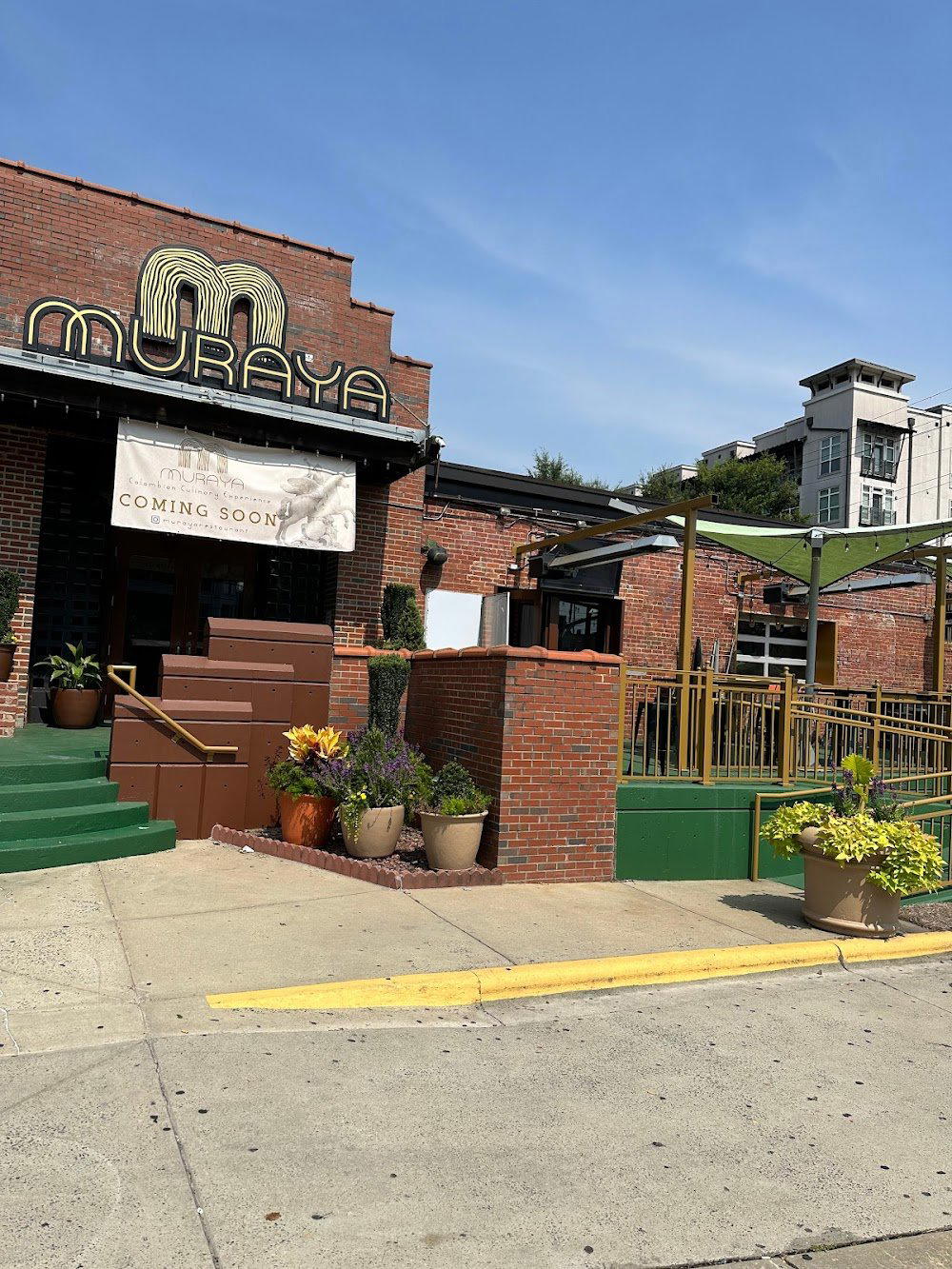
Muraya sits at 200 E Bland St in Charlotte's South End, bringing a culturally rooted dining perspective to a neighbourhood already rewiring itself around food. The address places it within reach of Charlotte's most active restaurant corridor, where the competition spans Southern steakhouses, contemporary American, and Italian-American formats. Reservations and current hours should be confirmed directly with the venue before visiting.

Pearl is the En Primeur Club membership app — saves, bookings, and concierge access live there. Same editors, same standards.
- Address
- 200 E Bland St, Charlotte, NC 28203
- Phone
- (704) 333-8226
- Hours
- Mon ClosedTue–Thu 5–10 PMFri 5 PM–12 AMSat 11 AM–12 AMSun 11 AM–10 PM
- Website
- murayarestaurant.com
- Directions
- Get directions
- Booking
- Book on OpenTable
The menu
What to order
- Birria Gnocchi
- Chuleta de Cerdo
- Arroz Frito
- Grilled Octopus
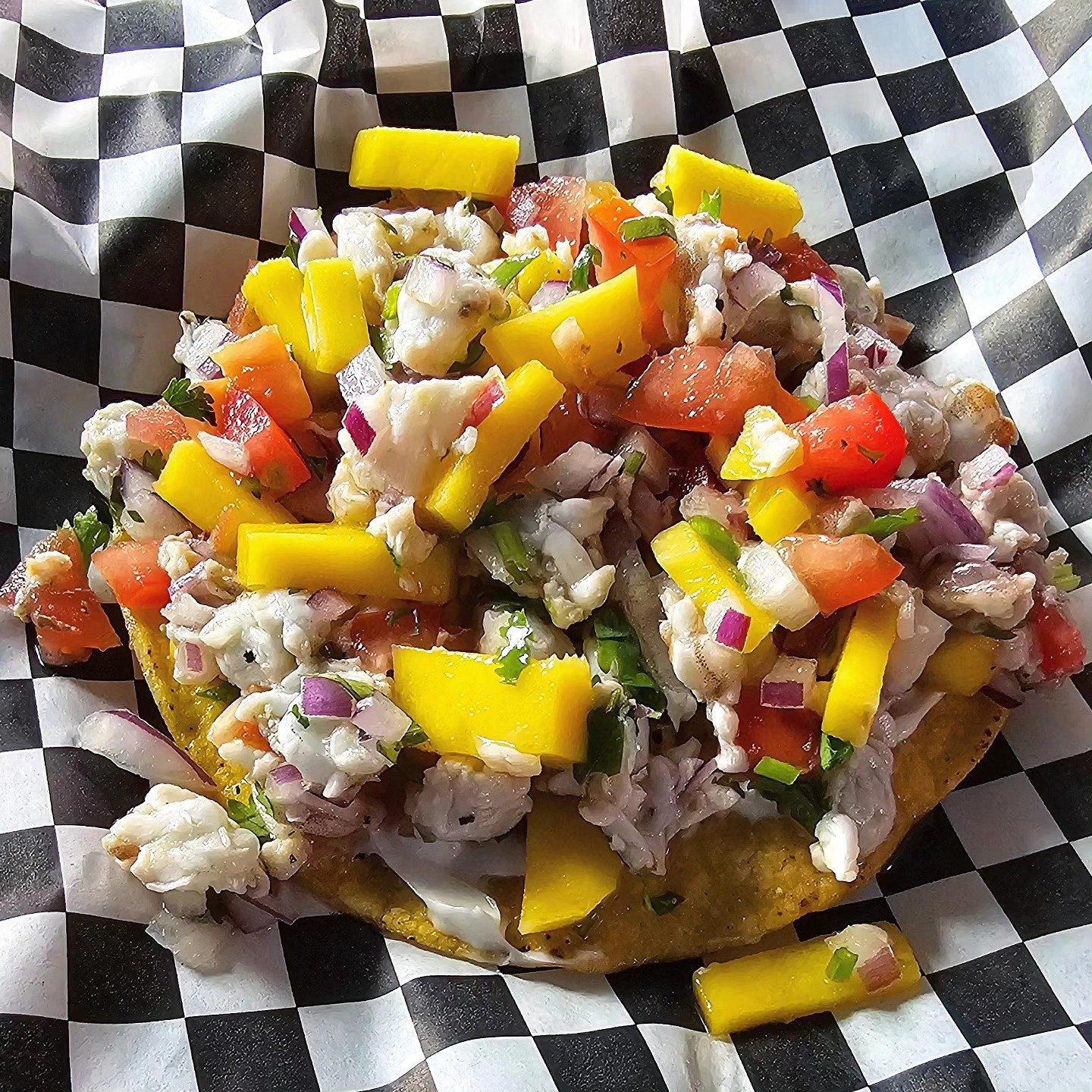
- Ceviche
South End, Charlotte: A Neighbourhood Finding Its Culinary Register
Charlotte's South End has spent the better part of a decade converting rail-corridor industrial space into a dense stretch of bars, restaurants, and weekend foot traffic. The neighbourhood now holds enough dining variety that individual venues find themselves positioned against genuine peer sets rather than operating in isolation. It is within this context that Muraya, at 200 E Bland St, enters the conversation. The address alone signals intent: South End is where Charlotte restaurants go when they expect to be compared, not just discovered.
The broader pattern in American mid-tier cities has been a gradual sharpening of cultural specificity in restaurant programming. Where a venue might once have defaulted to pan-global fusion as a way of avoiding commitment, the more credible direction has been toward a defined cultural root, a clear lineage, and a menu that rewards the reader who knows something about the tradition behind it. Muraya's positioning at that South End address suggests it is operating in this more serious register, though the full picture of its cuisine type, chef, and format is leading assembled from the venue directly, as program details evolve with any restaurant in its early public phase.
The Cultural Weight of a Named Restaurant
In Charlotte's current dining scene, the comparison set that matters most runs along a specific axis: Counter-, which has built recognition in the New American format; Gallery Restaurant, which anchors the Southern American tradition; and Supperland, which translates Southern cooking into a steakhouse frame. Muraya's address and naming suggest a departure from that Southern-anchored cluster toward something with different cultural coordinates. That departure is meaningful in a city where the dominant culinary vocabulary has historically been defined by regional American idiom.
Culturally rooted restaurants in American cities operate under a particular kind of scrutiny. The question is not only whether the food is well-executed, but whether the cultural framing is handled with depth or deployed as aesthetic shorthand. At the ambitious end of the American restaurant spectrum, venues like Atomix in New York City have demonstrated that cultural rootedness, when taken seriously at every level of the operation, from sourcing to service to the sequencing of courses, produces a different category of dining experience than one organised purely around technique. At the other end, Charlotte has its own version of that conversation, and Muraya sits inside it.
For context on how culturally committed restaurants have built reputations in other American cities, the reference points are instructive. Blue Hill at Stone Barns in Tarrytown built its identity around agricultural specificity. Single Thread Farm in Healdsburg structured an entire hospitality model around Japanese kaiseki principles applied to Northern California produce. The through-line is that cultural commitment, when it goes beyond surface signalling, produces restaurants that occupy a distinct tier from their contemporaries.
Charlotte's Dining Context: Where Muraya Sits
South End, specifically the Bland Street corridor, functions as a proving ground. The competition includes 204 North Kitchen and Cocktails and Angeline's, both of which have established formats in the area. Muraya's entry into this space invites comparison not because the formats are identical, but because the audience is overlapping and the expectations for production quality are aligned.
The city's dining range extends further, from the more formal register of Afternoon Tea at Ballantyne to the market-style programming at 1897 Market, with rooftop options like Aura Rooftop occupying the atmospheric leisure segment. Muraya's positioning within that spread depends on format decisions, price point, and the specific cultural tradition it draws from, none of which can be confirmed from public record at this stage. What can be said is that South End rewards restaurants that commit to a point of view: the neighbourhood audience has enough options that it gravitates toward specificity.
For readers building a broader Charlotte itinerary, the full Charlotte restaurants guide maps the city's dining geography across neighbourhoods and formats.
The National Frame
It is worth placing Charlotte's ambitions in national context to calibrate expectations accurately. The cities that have produced the most discussed culturally rooted restaurants in recent years, from Le Bernardin in New York City to Providence in Los Angeles to Alinea in Chicago, have done so within dense dining ecosystems where critical comparison happens continuously and publicly. Charlotte is not that ecosystem, which cuts both ways: there is less external scrutiny, but also less structural support for the kind of audience development that sustains ambitious programming over multiple years.
Restaurants like Lazy Bear in San Francisco, Addison in San Diego, The French Laundry in Napa, Emeril's in New Orleans, and The Inn at Little Washington each built their reputations in cities with specific culinary identities that either reinforced or complicated their ambitions. Charlotte's identity is still in formation, which means a restaurant entering with a clear cultural proposition has an opportunity to help define the conversation rather than simply join it.
Internationally, the same dynamic plays out in cities building fine dining credibility. 8 1/2 Otto e Mezzo Bombana in Hong Kong is instructive: a non-native culinary tradition executed at a level that earns recognition within a demanding critical environment. The lesson that transfers to Charlotte is that cultural authenticity and technical execution are both necessary conditions; neither substitutes for the other.
Planning a Visit
Muraya is located at 200 E Bland St, Charlotte, NC 28203, in the South End neighbourhood, accessible by the LYNX Blue Line light rail with the New Bern station a short walk from the address. As with any restaurant building its public presence, current hours, reservation availability, and menu format should be confirmed directly with the venue before arrival. South End dining tends to be busiest on Thursday through Saturday evenings, when the neighbourhood's bar and restaurant traffic peaks, making midweek visits a quieter option for those prioritising a more considered meal. Given the venue's developing profile, direct outreach before a first visit is the most reliable way to confirm operational details.
Frequently asked questions
What should I eat at Muraya?
Specific dish recommendations require confirmation from the venue, as menus at culturally rooted restaurants in Charlotte's South End segment evolve with season and sourcing. The cuisine type and signature dishes are leading established by consulting the restaurant directly before your visit. For broader context on Charlotte's dining formats, the Charlotte restaurants guide provides a mapped overview of what different venues in the city prioritise.
Do I need a reservation for Muraya?
South End Charlotte restaurants with a defined cultural proposition and limited seating typically fill their most sought-after time slots several days in advance, particularly Thursday through Saturday. Given Muraya's South End address, where foot-traffic dining competes with reservation-based programming, contacting the venue directly to confirm booking requirements is the practical first step. Award-recognised or critically noted restaurants in Charlotte's peer tier tend to require advance reservation for weekend service.
What is Muraya leading at?
Based on its positioning within South End's competitive dining set, which includes contemporary American, Southern American, and Italian-American formats, Muraya appears to occupy a culturally specific lane distinct from those dominant Charlotte idioms. The strength of any culturally rooted restaurant lies in the coherence between its cuisine, its sourcing logic, and its service format. Confirming those specifics with the venue will give the clearest picture of where Muraya concentrates its program.
What if I have allergies at Muraya?
If you have dietary allergies or restrictions, the appropriate step is to contact Muraya directly before booking, as phone and online contact details should be confirmed from the venue's current listings. Culturally specific menus in Charlotte's South End segment often involve ingredients or preparations that differ from standard American restaurant defaults, making advance communication with the kitchen the most reliable way to ensure your meal can be accommodated.
Is Muraya suitable for a special occasion dinner in Charlotte?
South End Charlotte has a cluster of restaurants that position themselves for occasion dining, and a culturally rooted venue at the Bland Street address would fit that tier if its format and price point align with the occasion register. The most useful reference points in Charlotte's occasion dining set include Angeline's and venues in the city's more formal segment. Confirming Muraya's current format, capacity, and booking structure directly with the restaurant will determine whether it is the right fit for a planned occasion.
City Peers
Comparable venues nearby, for context on price, style, and recognition.
| Venue | Cuisine | Price | Awards | Notes |
|---|---|---|---|---|
| MurayaThis venue — the venue you are viewing | Colombian Fusion | $30–50 | Not listed | Not listed |
| Good Food on Montford | Modern American Small Plates | Not listed | Not listed | Ashbrook |
| Gallery Restaurant | Farm-to-Table New American Fine Dining | $50–100 | Forbes Recommended · Wine Spectator Best of Award of Excellence | Ballantyne |
| Bernardin's Restaurant - Charlotte | Modern American Fine Dining with Game Meats and Seafood | $50–100 | Not listed | Second Ward |
| Angeline's | Italian-Inspired Modern American | $50–100 | Not listed | Uptown |
| Toscana | Classic Northern Italian | $50–100 | Not listed | Barclay Downs |
Continue exploring
More in Charlotte
Restaurants in Charlotte
Browse all →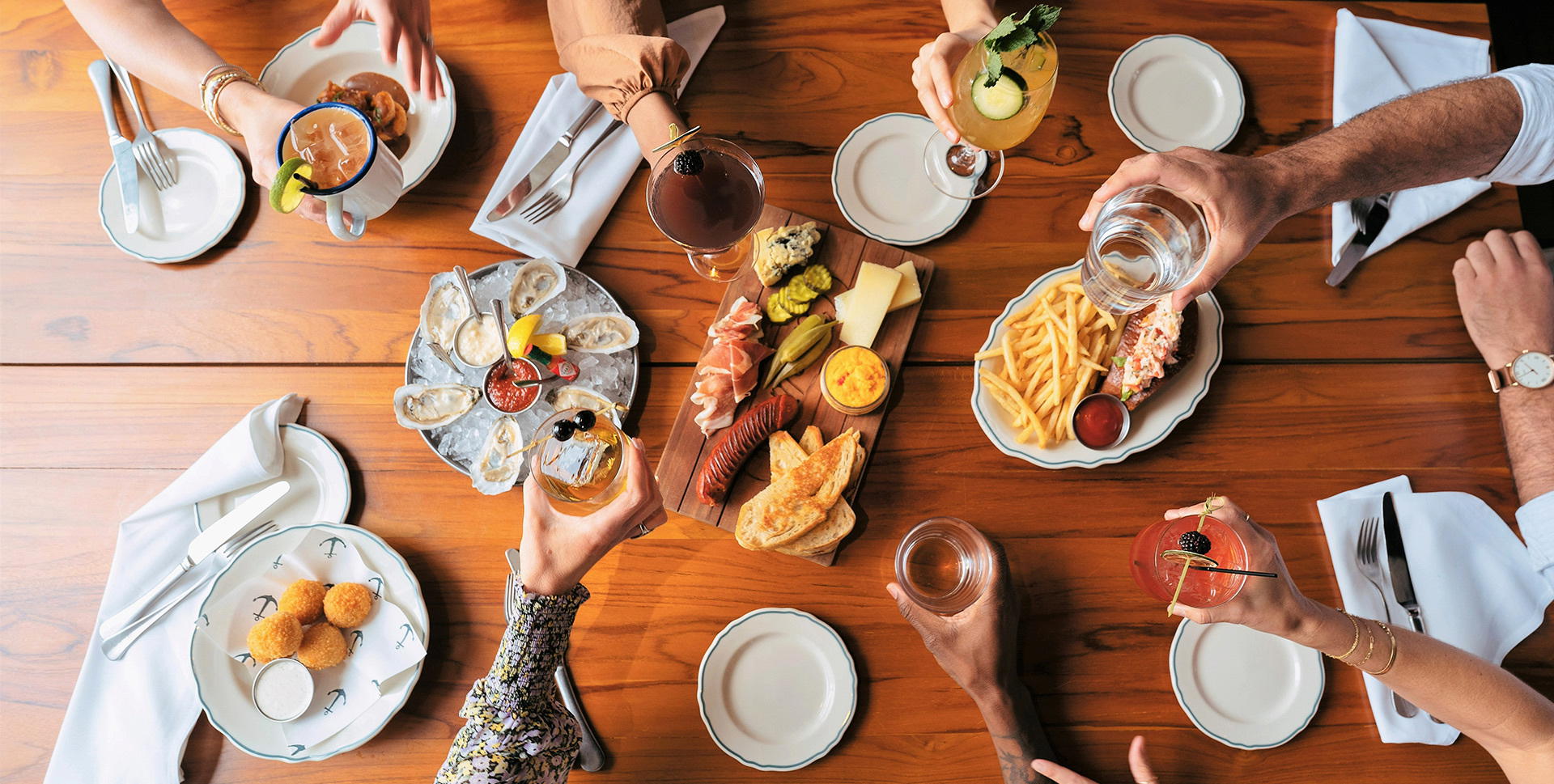
Bars in Charlotte
Browse all →
Hotels in Charlotte
Browse all →
Wineries in Charlotte
Browse all →
Muraya
The wine
- Wine program
- Curated wine list
- Craft cocktails
- Beer program
Details
- Romantic
- Cozy
- Elegant
- Sophisticated
- Date Night
- Group Dining
- Celebration
- Special Occasion
- Live Music
- Private Dining
- Craft Cocktails
- Beer Program
- A La Carte
- Prix Fixe
- Craft Cocktails
- Curated Wine Selection
- Local Craft Beers
- Vegetarian Friendly
- Vegan Options
Current opening hours
- Monday
- Closed
- Tuesday
- 5–10 PM
- Wednesday
- 5–10 PM
- Thursday
- 5–10 PM
- Friday
- 5 PM–12 AM
- Saturday
- 11 AM–12 AM
- Sunday
- 11 AM–10 PM
Hours can change for holidays and private events. Last verified .
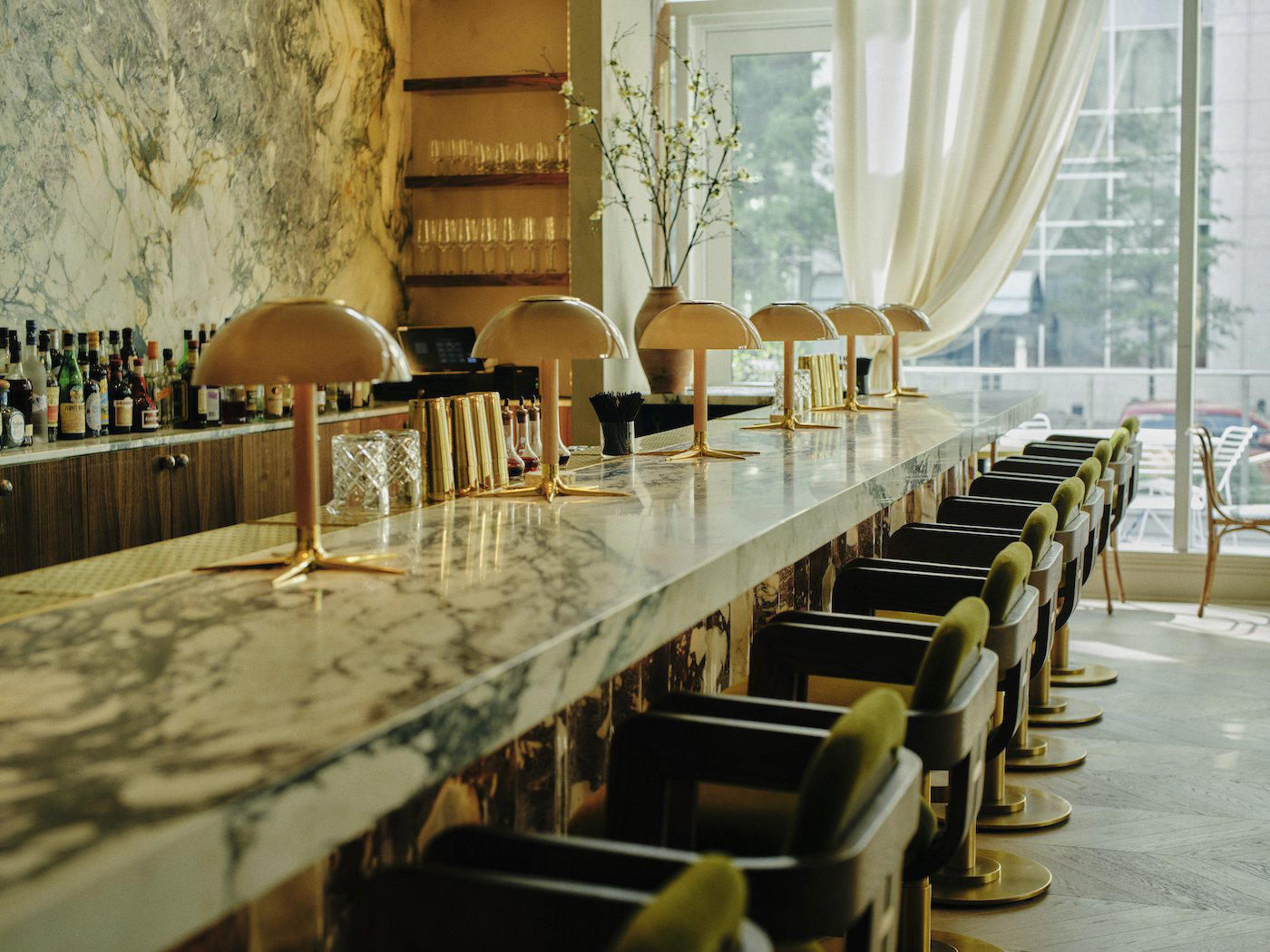
Sultry, vintage lounge atmosphere with exposed brick walls, antique-style furniture, and candlelit fireplace evoking the walled city of Cartagena.