Mr. Pampas Bonampak sits on Avenida Bonampak in Cancun's Zona Hotelera, placing it within a stretch of the strip where South American-style grilling formats have found a durable foothold alongside Mexican seafood and international hotel dining. The address positions it as a land-based alternative to the coast-facing restaurants that dominate the zone, with a parrilla tradition that runs counter to the ceviche-and-aguachile default of the surrounding area.
Pearl is the En Primeur Club membership app — saves, bookings, and concierge access live there. Same editors, same standards.
- Address
- Av. Bonampak 200, Zona Hotelera, 77500 Cancún, Q.R., Mexico
- Phone
- +529982009158
- Website
- mrpampas.com
- Directions
- Get directions
 Saves & bookings on Pearl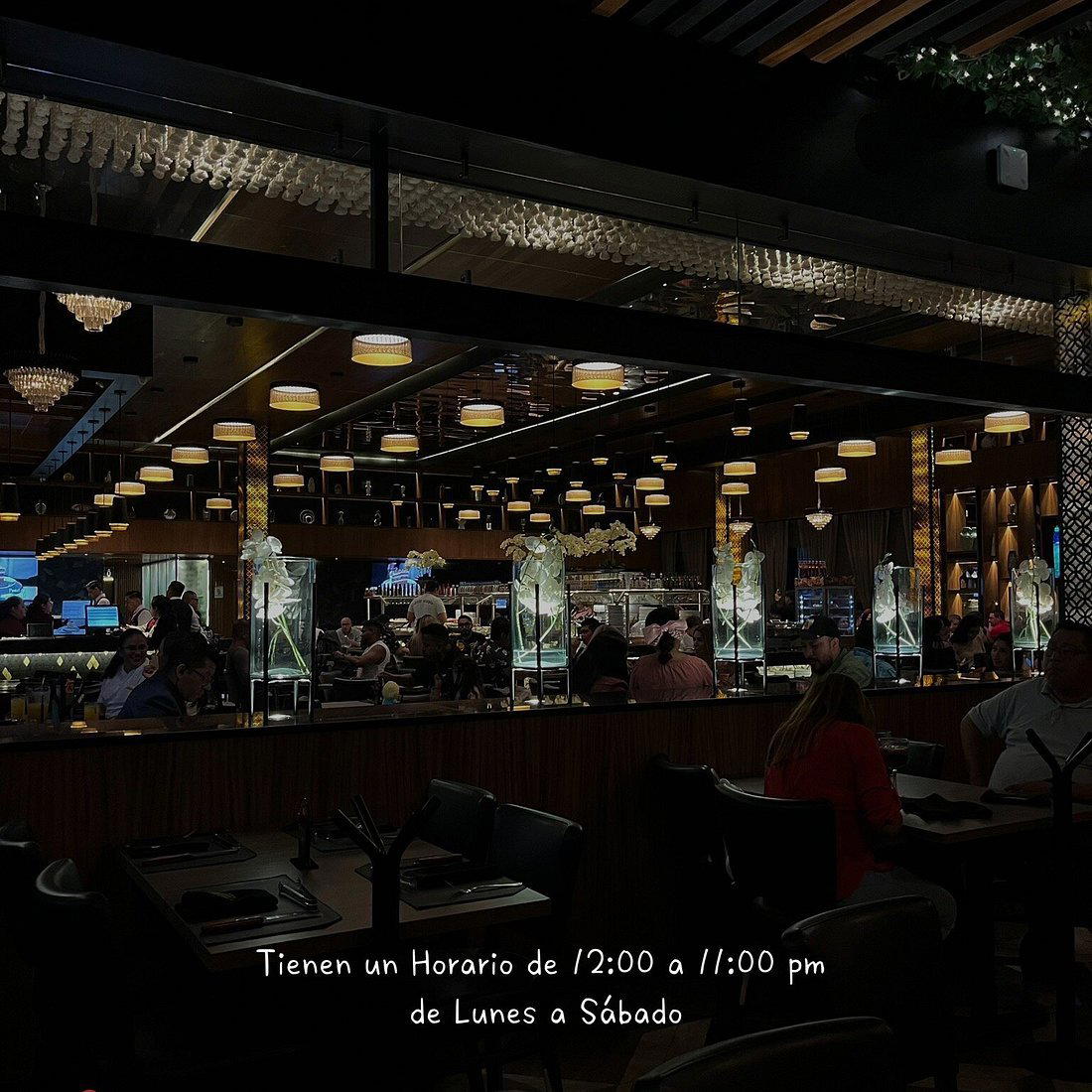
Where the Zona Hotelera Steps Away from the Sea
Cancun's Zona Hotelera is built around a single dominant logic: face the water, feature seafood, and price against a captive tourist audience. The strip running along Avenida Bonampak disrupts that formula. Here, the street-side dining corridor attracts a broader local and resident clientele alongside hotel guests, and the cuisine formats diversify accordingly. South American parrilla concepts, in particular, have carved out a consistent presence in this pocket of the zone, operating on a different register than the open-air ceviche bars closer to the lagoon or the polished hotel restaurants commanding beach views at a premium.
Mr. Pampas Bonampak, positioned at Av. Bonampak 200, sits squarely in that alternative dining corridor. The address is not incidental — it signals a deliberate positioning outside the seafront premium tier, in a part of the zone where the competition is measured in grilling technique and value-for-portion rather than in sunset views and room-charge convenience.
The Architecture of a Parrilla Meal
The parrilla format, imported from Argentina and adapted across Latin America, imposes its own sequencing logic on a meal. It is not a cuisine that rewards impatience or indecision at the table. The progression tends to be architectural: lighter cuts and offal starters give way to heavier primary cuts, and the pacing is set by the fire rather than by the kitchen's expediting system. In established South American grill houses operating across Mexico — from Mexico City's Polanco belt to beach markets along the Riviera Maya, this sequencing is treated as a given, and guests who understand it eat better than those who don't.
At an address like Mr. Pampas Bonampak, the interest lies in how a parrilla concept translates into a hotel-zone context, where the clientele skews international and the expectation of a clear tasting arc, from entrance cuts to the primary fire-cooked protein, may be less assumed than it would be in Buenos Aires or Montevideo. The Zona Hotelera has its own version of this format in places like Asador La Vaca Argentina and Bodega Argentina, both of which have built their reputations on the same South American grill tradition.
Reading the Meal in Sequence
The entry point in a parrilla progression is typically the lighter, quicker-fire work: provoleta, blood sausage, or sweetbreads brought to the table while the main coals settle. These opening moves function as both an amuse and a declaration of technique. How fat is rendered, how casing is managed on the chorizo, how the cheese holds structure under direct heat, these early details tell you everything about how the heavier cuts will be handled later.
The mid-meal pivot, where the primary protein arrives, is the hinge point of the format. In South American grill culture, this is not a dramatic reveal but a steady handoff, the table should already be calibrated by what came before. A well-run parrilla makes this transition feel inevitable. A poorly timed one creates a gap in tempo that no side dish can paper over. For visitors arriving from the kind of tasting-menu culture represented by operations like Le Chique in Puerto Morelos or, at the higher end of Mexico's fine dining spectrum, Pujol in Mexico City, the parrilla arc operates on a different vocabulary, less composed, more elemental, but with its own internal discipline.
Close of a parrilla meal is rarely where the fireworks are. Desserts tend to be secondary, the focus having been spent entirely on the fire and the cut. A strong dulce de leche preparation or a simple flan can close the loop, but the honest measure of a South American grill house is set long before dessert arrives.
Cancun's International Dining Range
Zona Hotelera is one of the few places in Mexico where you can move between a Korean-inflected tasting menu and a Goan seafood preparation in the same neighbourhood. The range is a function of the international tourist flow, which creates demand for cuisines that would not sustain a standalone restaurant in most Mexican cities. Bombay Cancún operates at the South Asian end of that spectrum; Café con Gracia and Capri Pizza Moderna pull from European traditions. South American grill formats fit into this diversity as a reliable anchor, a format with broad recognition and low conceptual translation cost for international diners.
Against this backdrop, the Bonampak corridor has its own internal hierarchy. The Mexican steakhouse format, represented by venues like The Club Grill, competes on ceremony and classical service. French seafood operations like Le Basilic tilt toward the old-guard hotel-dining model. South American parrilla concepts compete on a different axis, informality, fire-forward technique, and a wine program weighted toward Malbec and Torrontés rather than Burgundy or Champagne.
For context on where Cancun's dining sits within Mexico's broader premium range, the comparison with destinations like HA' in Playa del Carmen, Alcalde in Guadalajara, or Levadura de Olla Restaurante in Oaxaca is instructive. Those operations are building around regional ingredients and local culinary tradition in ways that Cancun's hotel zone generally does not attempt. The zone's strength is breadth and accessibility, not depth of terroir-driven identity. Animalón in Valle de Guadalupe or Olivea Farm to Table in Ensenada occupy a conceptually different category. The parrilla format, by contrast, is at home in the zone precisely because it does not depend on local sourcing narratives, it depends on fire management and cut quality, which travel.
Planning Your Visit
Mr. Pampas Bonampak is located at Av. Bonampak 200 in the Zona Hotelera, accessible by the R-1 bus route that runs along Kukulcán and Bonampak, or by taxi from the hotel strip in under ten minutes from most major properties. The Bonampak corridor sees lighter foot traffic at lunch than the beachfront tier, which can make midday visits easier to manage without advance planning. For a fuller picture of where this address fits in the city's dining options, see our full Cancun restaurants guide.
At a Glance
- Lively
- Energetic
- Group Dining
- Family
- Celebration
- Open Kitchen
Current opening hours
- Monday
- 12 PM–12 AM
- Tuesday
- 12 PM–12 AM
- Wednesday
- 12 PM–12 AM
- Thursday
- 12 PM–12 AM
- Friday
- 12 PM–12 AM
- Saturday
- 12 PM–12 AM
- Sunday
- 12–11 PM
Hours can change for holidays and private events. Last verified .
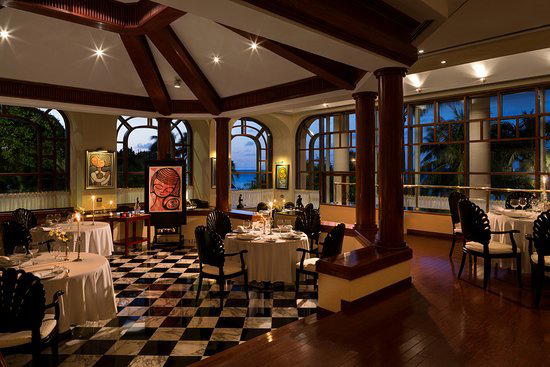
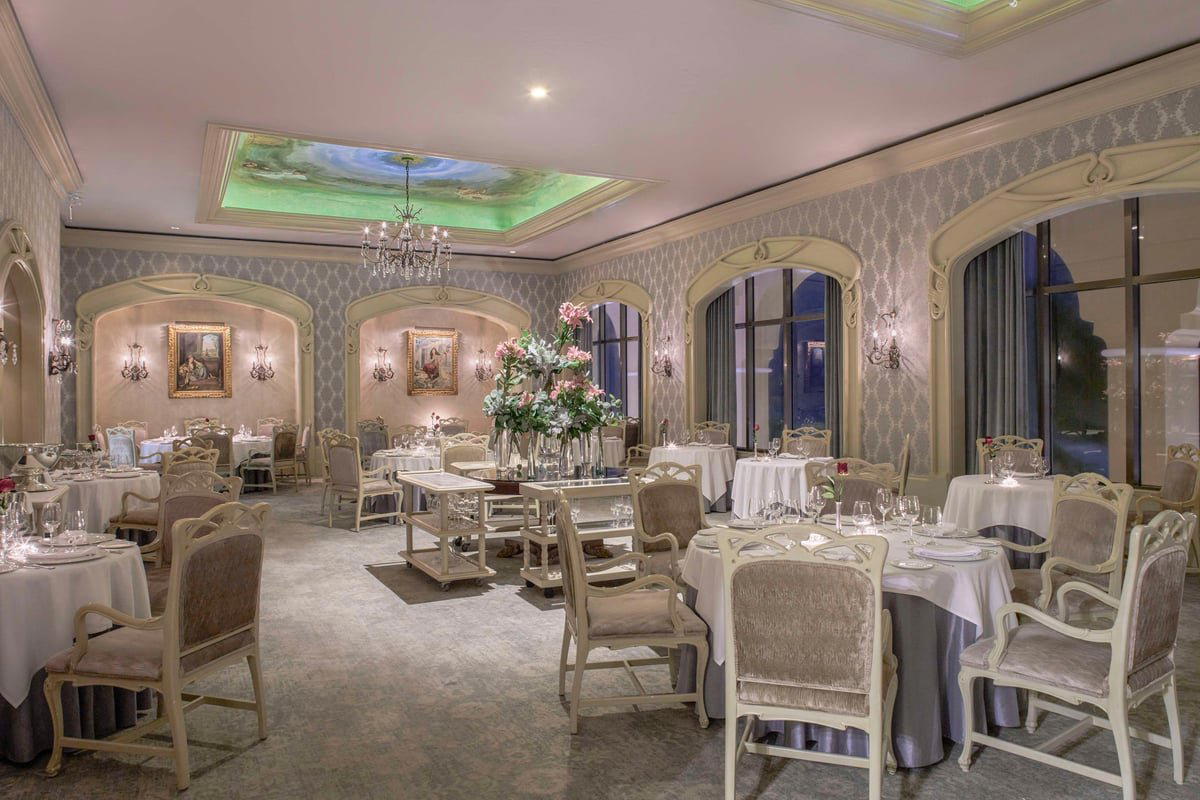
Lively and lively atmosphere with attentive table service and a casual family-friendly setting.
Know Before You Go
- Getting there
- Av. Bonampak 200, Zona Hotelera, 77500 Cancún, Q.R., Mexico