Morukuru Beach Lodge Restaurant

Morukuru Beach Lodge Restaurant reads as part of the De Hoop experience rather than a detached dining room: coastal, conservation-minded, and shaped by the reserve’s slower rhythm. Chef Mauritz Greeff’s creative-cooking brief is strongest when viewed through South Africa’s growing interest in local sourcing, lighter luxury, and dining that belongs to its setting.
Pearl is the En Primeur Club membership app — saves, bookings, and concierge access live there. Same editors, same standards.
- Address
- Koppie Alleen, De Hoop Nature Reserve
- Phone
- +27 11 615 4303
- Directions
- Get directions
 Saves & bookings on Pearl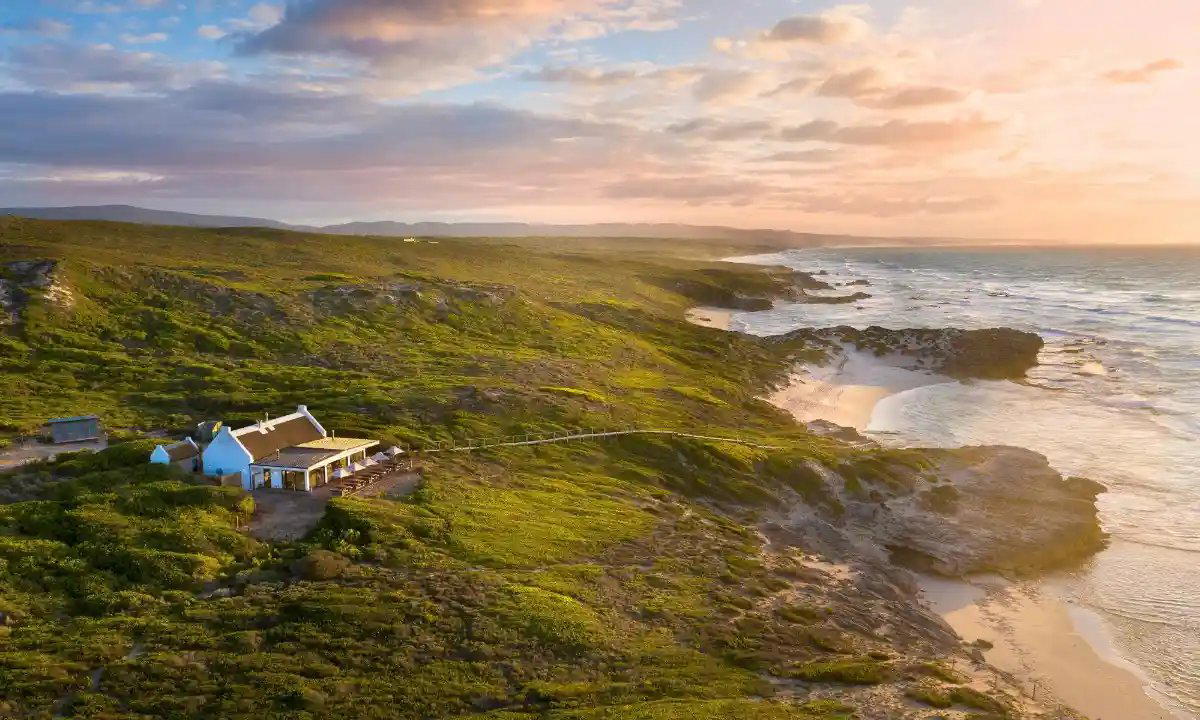
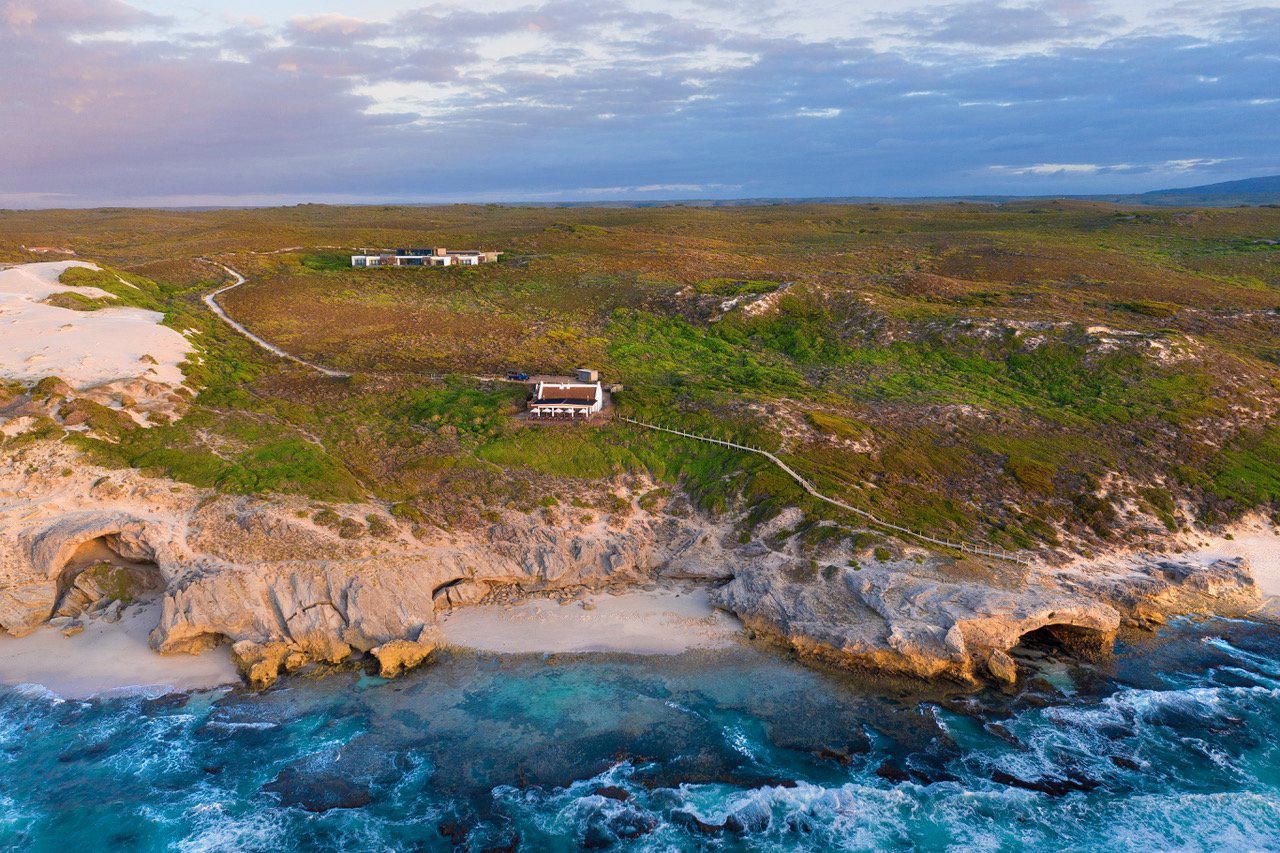
Approaching dining in De Hoop is less about city restaurant theatre than about scale: limestone, fynbos, sea air, and the particular quiet of a protected coastal reserve. In that setting, Morukuru Beach Lodge Restaurant belongs to a South African hospitality category where the meal has to do more than fill an evening. It has to make sense after whale watching, dune walking, birding, or a day spent reading the coastline rather than traffic.
The restaurant’s stated language is creative cooking, with sustainable, authentic, local ingredients and an environmentally responsible setting at the centre of the experience. That matters in De Hoop, where imported luxury codes would feel clumsy. The stronger regional move is restraint: cooking that acknowledges the reserve, the coastline, and South Africa’s broader shift toward place-led hospitality. This is not the tasting-menu competitiveness of Cape Town, nor the vineyard-table grammar of the Winelands. It is a lodge dining room operating inside a nature reserve, where context carries as much weight as technique.
Coastal reserve dining with a conservation brief
South Africa’s premium lodge restaurants increasingly sit between two expectations. International guests arrive with the standards of high-end travel, while the setting asks for food that does not feel imported from a metropolitan hotel. De Hoop sharpens that tension because the reserve itself is the reason to be here. The restaurant’s environmental framing, local-ingredient focus, and personalised service place it in the more responsible end of that spectrum, where the kitchen is expected to support the stay rather than dominate it.
Chef Mauritz Greeff gives the kitchen a named culinary lead, but the more interesting story is the format around him. Lodge cooking in remote coastal reserves rarely works when it tries to mimic urban dining rooms course for course. It works when the chef’s role is editorial: selecting, adapting, and pacing food around the landscape, the day’s activities, and the physical distance from city supply chains. Creative cooking here should be read less as theatrical reinvention and more as controlled flexibility within a demanding environment.
This is not a drop-in restaurant culture built around menu comparison. It is tied to the rhythm of a lodge stay in De Hoop Nature Reserve, where meal value is usually judged against setting, sourcing discipline, and service attention rather than against a standalone city bill. For travellers mapping the area, our full De Hoop Nature Reserve restaurants guide gives the wider dining frame, while our full De Hoop Nature Reserve hotels guide is the more useful companion for understanding how food and lodging operate together here.
Chef Mauritz Greeff and the lodge-kitchen problem
The chef’s challenge in a place like this is not simply authorship. It is translation. South African coastal cooking has access to a broad pantry, but a reserve-based restaurant has to turn that pantry into meals that suit mixed itineraries: families, couples, nature-led travellers, and guests moving between outdoor activity and long evenings indoors. The kitchen’s creative brief suggests a wider remit than conventional lodge comfort food, but the environmental language keeps it anchored.
That balance is where Morukuru Beach Lodge Restaurant is most persuasive on paper. The restaurant does not need to perform urban ambition to justify itself. Its job is to make the reserve legible at the table, using local and sustainable ingredients without turning every plate into a lesson. In South African travel dining, this is a meaningful distinction. Too many remote luxury kitchens lean on imported signals of expense; the better ones treat geography as a constraint worth respecting.
For De Hoop specifically, the restaurant also sits within a small ecosystem of food options rather than a dense dining district. Travellers comparing the immediate area may also look at Bites Beach Cafe or Morukuru Family De Hoop (South African), but the decision is less about ranking restaurants and more about matching the meal to the stay. Reserve dining rewards patience, not table-hopping.
How it fits into a South Africa food trip
De Hoop is not a substitute for Cape Town, the Cape Winelands, or the country’s lodge circuits; it adds another register. A serious South Africa itinerary can move from city dining to farm-led cooking to coastal reserve hospitality, and this restaurant belongs to that last category. Travellers building a wider food route might connect the De Hoop stop with 1800 in Cape Town, 96 Winery Road Restaurant in Raithby, Babel Restaurant in Paarl, or Babylonstoren in Simondium to see how South African kitchens interpret place across city, vineyard, and rural settings.
There are other coastal and lodge-adjacent references worth noting across the country: Amelia's at The Plettenberg in Plettenberg Bay, Birkenhead House Restaurant in Hermanus, African Boma in Thornybush Game Reserve, Baralong Kraal in Hartbeestfontein, and Aduna Bistro in Johannesburg. They do not form a like-for-like comparison set for De Hoop, but they show the range of South African dining contexts, from urban bistros to reserve-based hospitality.
The practical read is simple: come for a meal that is part of the reserve stay, not for a standalone restaurant sprint. De Hoop’s appeal is cumulative: coast, silence, wildlife, weather, and food that respects the setting. The restaurant’s trust signal is not a formal awards framework but its clearly stated commitment to sustainable, local ingredients, environmental responsibility, and personalised service under Chef Mauritz Greeff. For travellers extending the trip beyond the table, our full De Hoop Nature Reserve bars guide, our full De Hoop Nature Reserve wineries guide, and our full De Hoop Nature Reserve experiences guide round out the local planning frame.
Creative-cooking travellers can also place this stop against a broader international category of destination restaurants shaped by setting rather than street-level footfall, from A-Bay Beach Bar, Creative cooking in Stari Grad to Ars Vivendi, Creative cooking in Bad Laasphe. The point is not equivalence; it is a useful reminder that destination dining succeeds when the kitchen understands where it is.
Comparable Venues Nearby
Comparable venues nearby, for context on price, style, and recognition.
| Venue | Cuisine | Price | Notes |
|---|---|---|---|
| Morukuru Beach Lodge Restaurant | Modern South African fine dining with African and European influences | $$$$ | De Hoop Nature Reserve |
| Morukuru Family De Hoop | South African Fine Dining with Ocean Views | $$$$ | De Hoop Nature Reserve |
| Chorus Restaurant | South African Fine Dining | $$$$ | Somerset West |
| Greenhouse, Constantia | Modern South African Fine Dining | $$$$ | Constantia |
| Eike by Bertus Basson | Modern South African Fine Dining | $$$$ | Dorp Street |
| EDGE | Modern African Fire Cuisine | $$$$ | Cape Town CBD |
Recognition history
Dated appearances from independent guides and award organizations, with the underlying list record or original source where available.
Relais Chateaux Award
Relais Chateaux
Continue exploring
More in De Hoop Nature Reserve
Restaurants in De Hoop Nature Reserve
Browse all →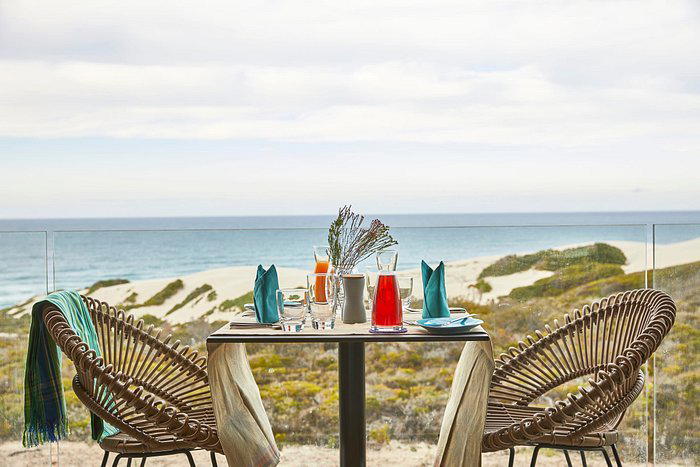
Hotels in De Hoop Nature Reserve
Browse all →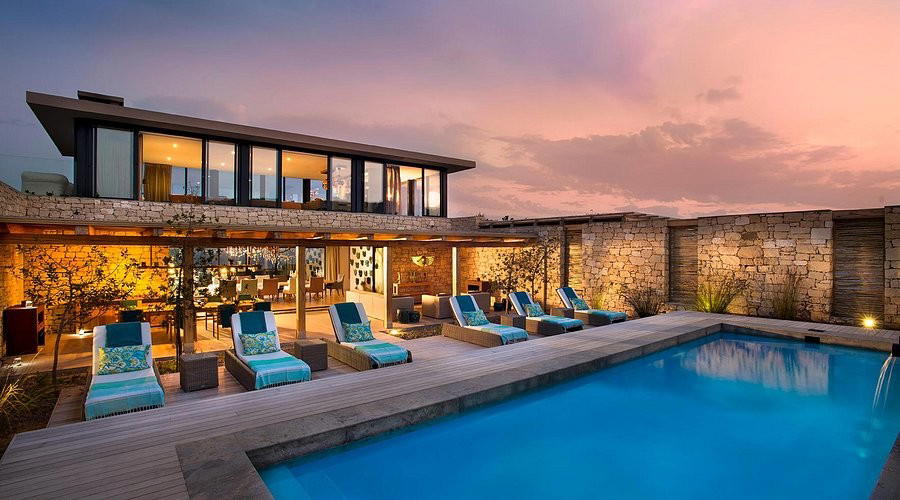
At a Glance
- Scenic
- Elegant
- Modern
- Intimate
- Cozy
- Romantic
- Date Night
- Family
- Celebration
- Group Dining
- Waterfront
- Panoramic View
- Design Destination
- Hotel Restaurant
- Terrace
- Extensive Wine List
- Craft Cocktails
- Local Sourcing
- Sustainable Seafood
- Farm To Table
- Waterfront
- Mountain
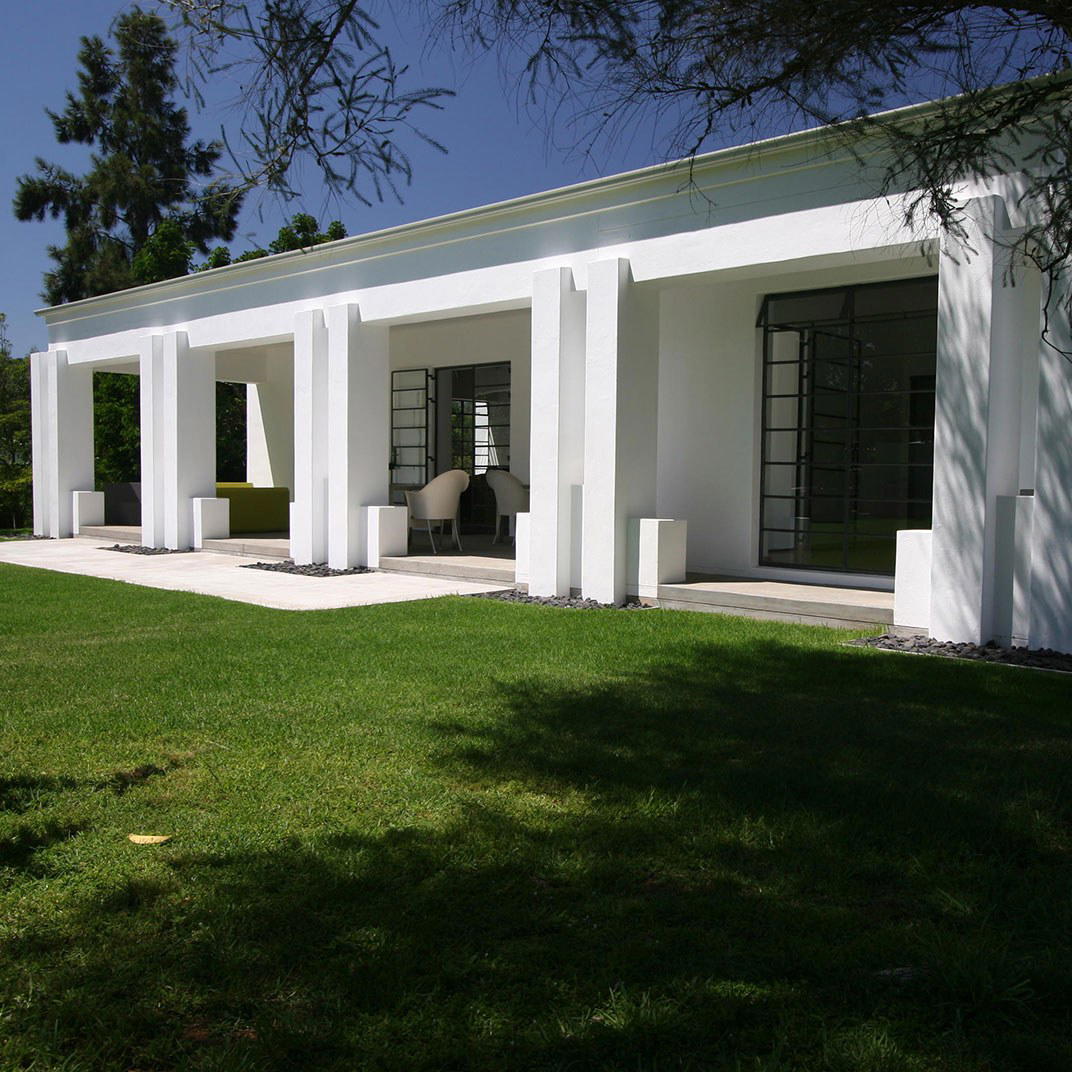
A serene, design-forward beach lodge setting with floor-to-ceiling glass, soft natural tones and fireplaces, creating a relaxed yet refined fine-dining atmosphere that blurs indoor and outdoor spaces.