Bites Beach Cafe
Our verdict
Bites Beach Cafe suits De Hoop’s daylight rhythm: coastal, informal, and shaped by the reserve setting rather than city restaurant theatre. Use it as a casual pause between dunes, marine views, and reserve drives, with the broader local dining scene split between lodge-based South African cooking, creative hotel kitchens, and simple daytime formats close to the coast.

Pearl is the En Primeur Club membership app — saves, bookings, and concierge access live there. Same editors, same standards.
- Address
- GGC6+X4, Malgas, South Africa
- Phone
- +27 82 651 2114
- Hours
- Daily 10 AM–4 PM
- Website
- morukuru.com
- Directions
- Get directions
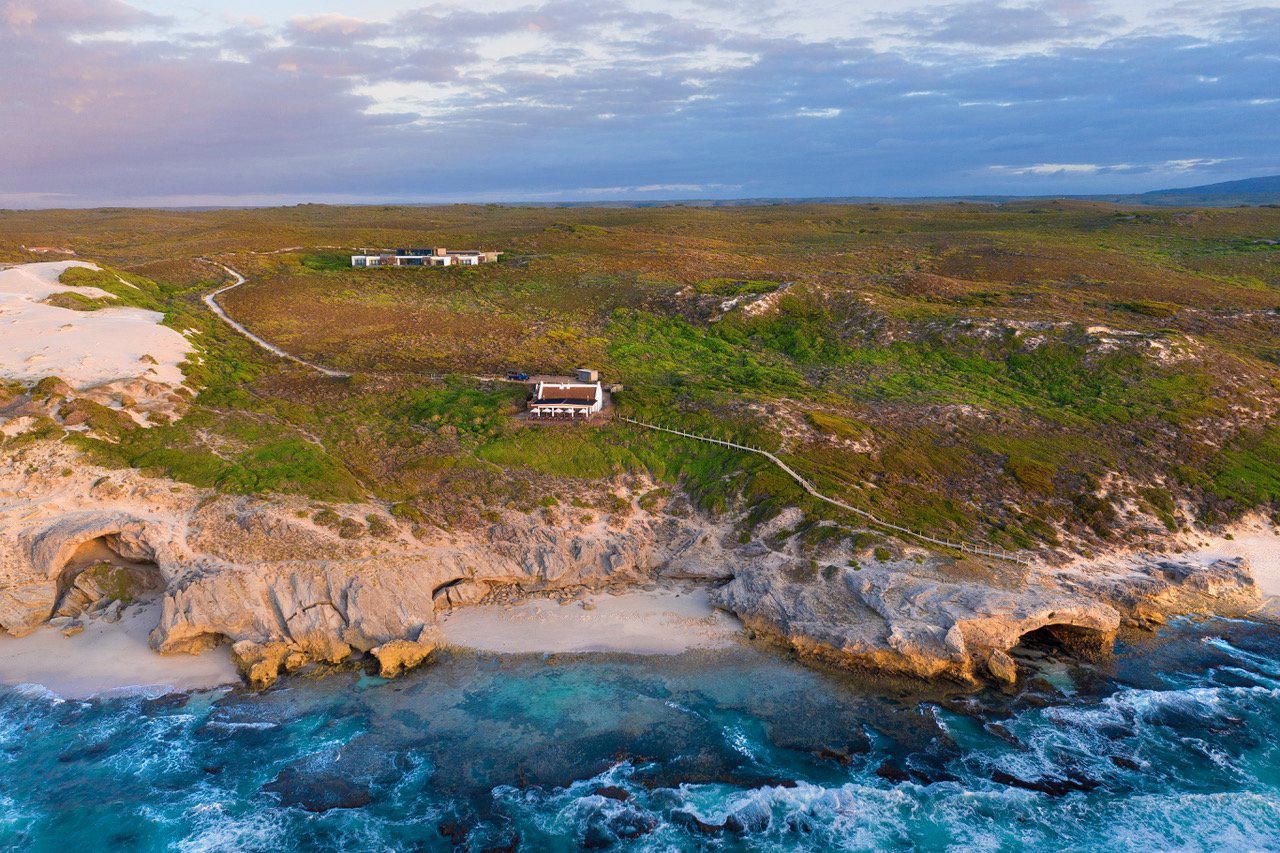
The menu
What to order
- Fresh fish of the day
- Wood‑fired pizzas
- Burgers
- Salads
- Chocolate cake
- African‑themed tasting dinners
The approach to food in De Hoop Nature Reserve is governed by weather, distance, and daylight. Salt air, limestone dunes, fynbos, gravel roads, and the long sweep of the marine protected coast set a slower tempo than South Africa’s city dining rooms. In that context, Bites Beach Cafe belongs to the practical side of the reserve’s food culture: a daytime cafe format that makes sense when the main event is the coast itself.
This is not the part of the Western Cape where restaurants compete through long tasting menus or cellar-depth theatrics. The stronger editorial question is how a kitchen behaves in a protected natural setting, where supply lines are longer, visitor movement is seasonal, and meals often sit between walks, whale-season viewpoints, birding, or a return from the beach. Ingredient sourcing matters here because the surrounding ecology is not decoration. The Overberg and southern Cape have a food identity tied to farms, coastal towns, fynbos, and old coastal routes; even a modest cafe format reads differently when placed inside that network rather than on an urban high street.
Daytime coastal eating inside a reserve, not a city restaurant template
De Hoop’s restaurant map is compact, and the distinctions are useful. Morukuru Family De Hoop sits in the lodge-dining lane, where meals are part of a residential nature-reserve stay. Morukuru Beach Lodge Restaurant moves closer to polished lodge dining positioned around the coast. Bites Beach Cafe occupies a different register: accessible, casual, and more useful for travellers who need a daylight anchor than for those seeking a formal evening restaurant.
That difference matters. In remote nature reserves, the casual daytime table often does more work than its modest format suggests. It gives structure to a day otherwise shaped by tides, trail conditions, and driving time. It also prevents the reserve from becoming a closed lodge circuit, where every meal is tied to accommodation. For visitors comparing options across De Hoop Nature Reserve restaurants, the cafe category is less about culinary ambition and more about timing, convenience, and whether the cooking fits the landscape without pretending to be a metropolitan dining room.
The absence of chef-led branding also feels appropriate in this setting. De Hoop does not need another personality-driven dining narrative. The more persuasive story is the hierarchy of place over performance: food as a pause between sea, sand, fynbos, and wildlife rather than a staged destination in its own right. That is a useful distinction for travellers accustomed to city reservation culture or estate-style restaurants, where the meal often becomes the centrepiece.
Why sourcing and simplicity carry more weight on this coastline
South African coastal cooking is often discussed through big restaurant names, but its everyday intelligence is logistical. Freshness, seasonality, and restraint are harder to execute when a kitchen is remote, service windows are short, and the visitor mix changes with school holidays, whale season, and weather. A cafe in De Hoop has to be legible to families, hikers, lodge guests, and day visitors without flattening the sense of place.
That is where ingredient sourcing becomes the frame rather than a slogan. The region around De Hoop connects inland agriculture with the Indian Ocean edge: grain fields, sheep country, kitchen gardens, coastal communities, and fynbos all sit within a broader Western Cape pantry. A reserve cafe does not need to announce a manifesto for those references to matter. The stronger measure is whether the food feels suited to a coastal day: not heavy hotel dining, not city brunch theatre, and not a generic roadside stop that could sit anywhere.
Bites Beach Cafe should be read against that expectation. Its value lies in fitting the reserve’s cadence. Travellers spending several days nearby may use lodge restaurants for more formal meals, then rely on the cafe for the kind of daylight stop that keeps the day moving. In a destination with limited dining density, that role is practical rather than secondary.
How to place it within a wider South African food itinerary
For a broader view of the reserve, EP Club’s local guides map the surrounding choices across De Hoop Nature Reserve hotels, bars, wineries, and experiences. The point is not to force De Hoop into a city-dining checklist, but to understand how food, accommodation, and landscape operate as one travel system.
Seen in a national context, Bites Beach Cafe sits far from the urban and estate-driven end of South African dining. Large-city restaurant culture runs on a different rhythm of reservations, bar programs, and high-frequency local demand. The Winelands comparison is equally instructive: farm-and-cellar dining belongs to a circuit where produce, wine, and estate infrastructure shape the meal.
Resort and lodge dining offer another comparison. Birkenhead House Restaurant and other South African hospitality dining rooms show how restaurants are often folded into the accommodation experience. De Hoop’s cafe format is leaner, and that is its editorial relevance: it serves the day rather than staging the night.
For travellers building a cross-country food route, contrast can be useful. Inland urban and rural dining traditions point in one direction, while specialist city concepts abroad underline how different De Hoop’s food logic is from destination-driven restaurant culture. Here, the smarter move is to let the setting dictate appetite: eat in daylight, keep expectations aligned with a reserve cafe, and judge the stop by how well it supports the coast around it.
Frequently asked questions
Can I bring kids to Bites Beach Cafe?
The café format makes it a practical daytime stop for families visiting De Hoop Nature Reserve. The setting in De Hoop Nature Reserve suits an easy lunch break rather than a formal dinner plan.
What kind of setting is Bites Beach Cafe?
It is a daytime café in De Hoop Nature Reserve, South Africa. That points to a casual reserve stop rather than a formal dining room.
What time does Bites Beach Cafe open and close?
Opening and closing times should be checked directly before visiting, especially because reserve travel plans can depend on weather, daylight, and driving time.
Where is Bites Beach Cafe located?
De Hoop Nature Reserve.
What is Bites Beach Cafe known for?
Its main draw is location and practicality: a café inside De Hoop Nature Reserve that fits a reserve-day-trip rhythm.
Do they accommodate allergies at Bites Beach Cafe?
Any allergy requirements should be confirmed before ordering, since the available listing context only supports the café's location in De Hoop Nature Reserve and its practical reserve-cafe role.
In Context: Similar Options
Comparable venues by cuisine and price in the same metro.
| Venue | Cuisine | Price | Awards | Notes |
|---|---|---|---|---|
| Bites Beach CafeThis venue — the venue you are viewing | Casual seaside African-inspired café | $20–30 | Not listed | Not listed |
| Morukuru Family De Hoop | South African Fine Dining with Ocean Views | Not listed | Relais Chateaux Award | South African |
| Morukuru Beach Lodge Restaurant | Modern South African fine dining with African and European influences | $100–150 | Relais Chateaux Award | Creative cooking |
Continue exploring
More in De Hoop Nature Reserve
Restaurants in De Hoop Nature Reserve
Browse all →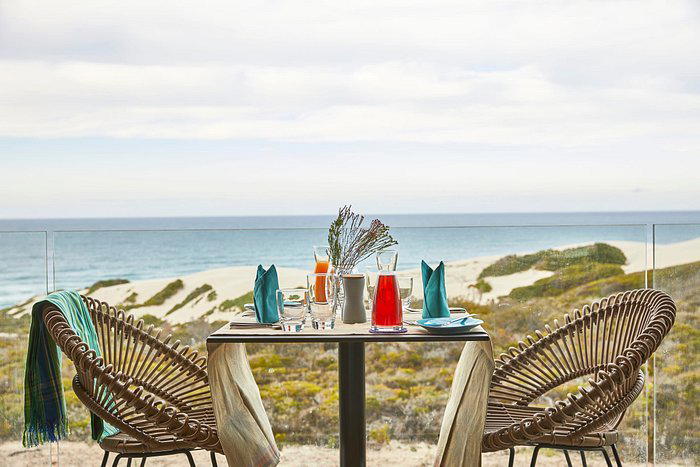
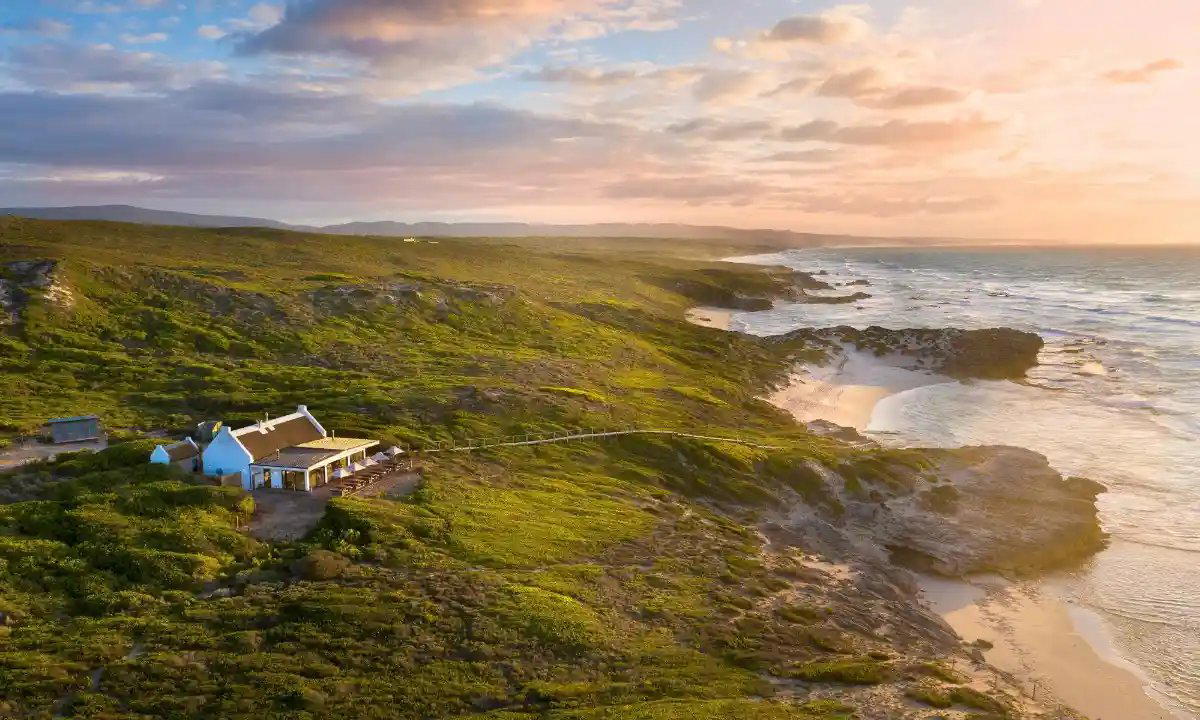
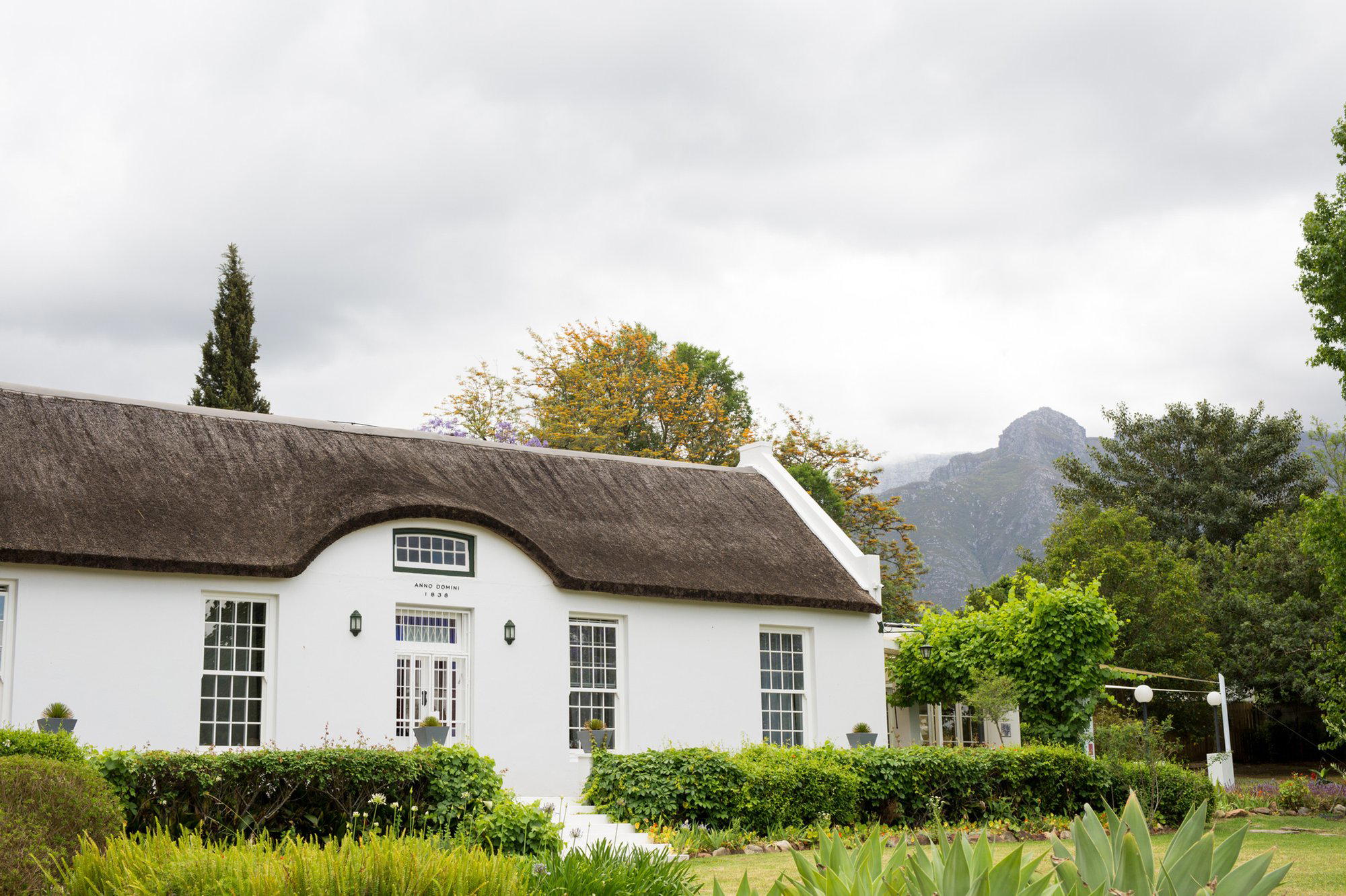
Hotels in De Hoop Nature Reserve
Browse all →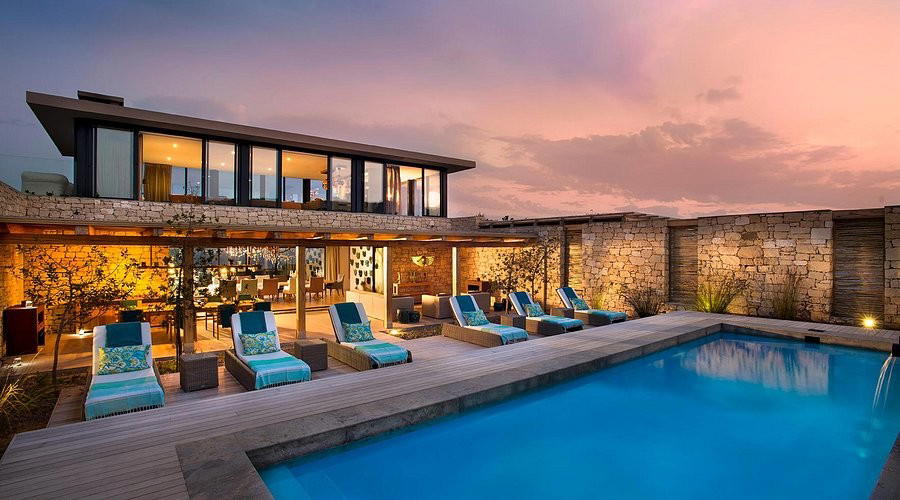
Details
- Scenic
- Rustic
- Cozy
- Relaxed
- Romantic
- Family
- Date Night
- Group Dining
- Casual Hangout
- Special Occasion
- Private Event
- Waterfront
- Panoramic View
- Hotel Restaurant
- Private Dining
- Design Destination
- Beer Program
- Local Sourcing
- Sustainable Seafood
- Waterfront
- Mountain
- A La Carte
- Beer
- Wine
- Coffee
- Vegetarian Friendly
Current opening hours
- Monday
- 10 AM–4 PM
- Tuesday
- 10 AM–4 PM
- Wednesday
- 10 AM–4 PM
- Thursday
- 10 AM–4 PM
- Friday
- 10 AM–4 PM
- Saturday
- 10 AM–4 PM
- Sunday
- 10 AM–4 PM
Hours can change for holidays and private events. Last verified .
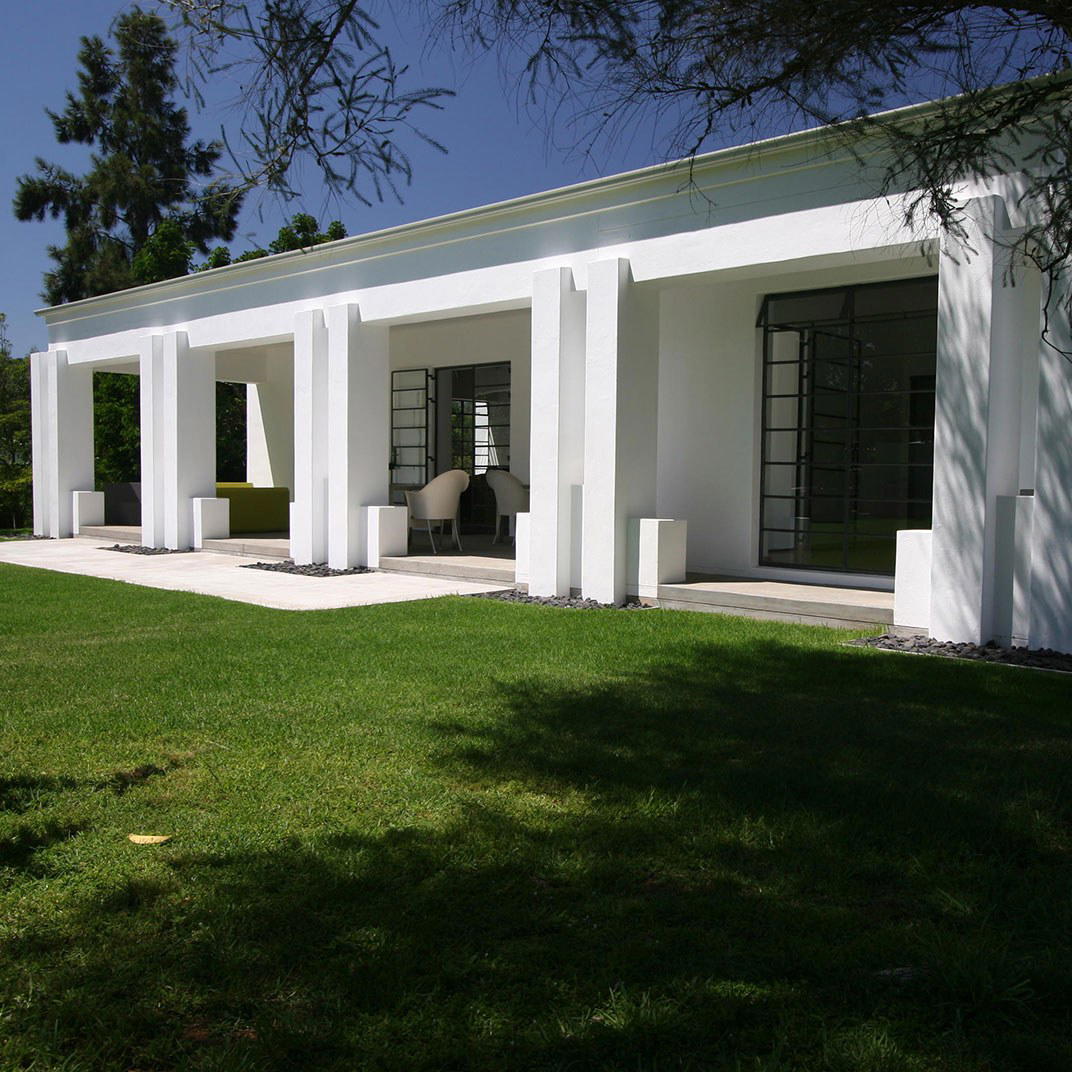
Relaxed, beach‑house feel in a restored Cape Dutch fisherman’s cottage with simple, cozy interiors, fireplaces in cooler weather, and expansive ocean views that create an intimate yet family‑friendly atmosphere.