Mori Nozomi





1 Michelin Star · New York Times America's Best Restaurants · LA Times 101 Best Restaurants #53
Our verdict
Opened in March 2024, Mori Nozomi earned a Michelin star in its first full year and landed on the LA Times 101 Best Restaurants list, ranked 53rd. Chef-owner Nozomi Mori runs an eight-seat counter in Sawtelle, leading an all-female team through a kaiseki-inflected omakase that folds farmers market pickles, fresh wagashi, and seasonal Japanese seafood into a format that reads as distinctly its own.

Pearl is the En Primeur Club membership app, where members save venues, book tables and use the concierge.
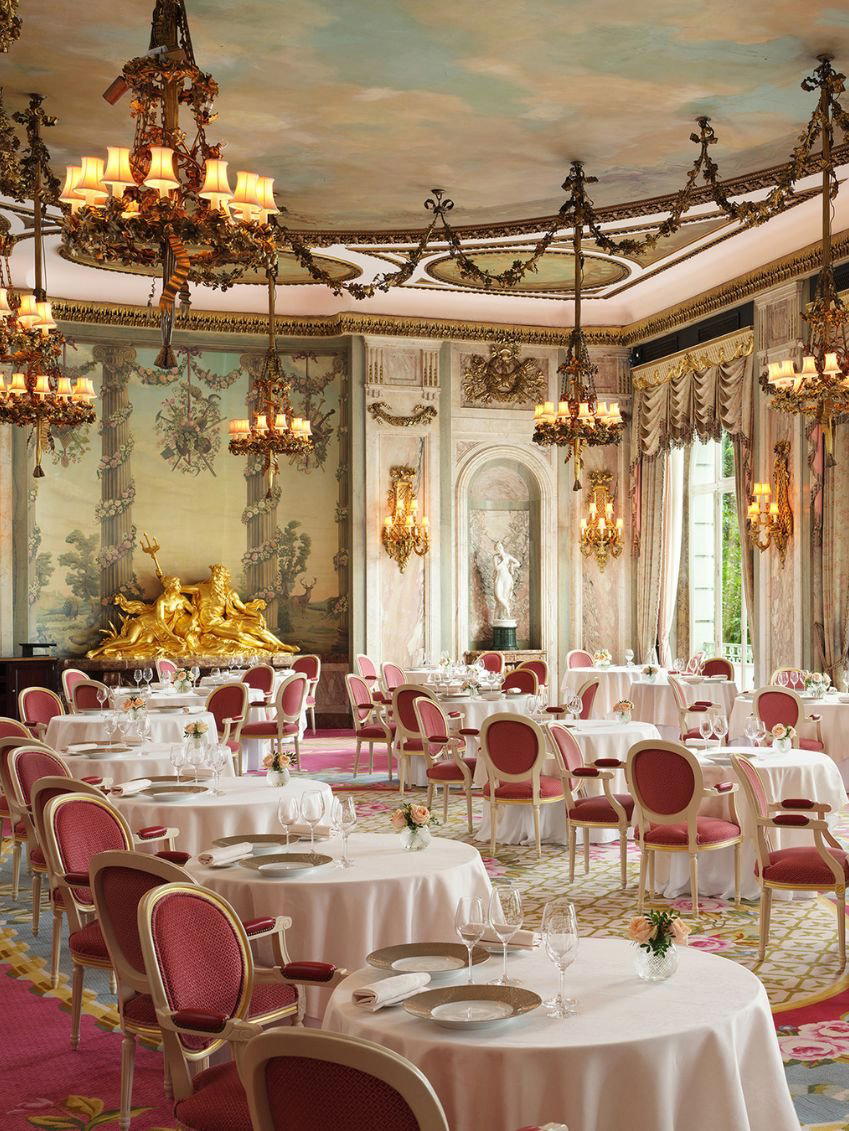
The Counter That Redefined Los Angeles Omakase in 2024
Pico Boulevard in West Los Angeles is not where most diners expect to find a Michelin-starred counter. The stretch through Sawtelle and its surrounding blocks is workaday in the leading sense: mid-rise retail, Korean grocers, ramen shops. The space that houses Mori Nozomi occupies the former site of Mori Sushi, a longstanding room that earned its own serious reputation before closing. That address carries weight in the city's sushi memory, and the new occupant has done nothing to squander it.
Eight seats per service, four nights a week, from 7 to 10 pm. Those numbers alone place Mori Nozomi at the most constrained end of the Los Angeles omakase market, a tier where scarcity and critical recognition reinforce each other. The room was barely six months old when it appeared on the LA Times 101 Best Restaurants 2024 list at number 53. By 2025 it had a Michelin star. Opinionated About Dining ranked it 148th across North America in 2024. Esquire named it the sixth-leading new restaurant in the country that same year. For a debut year, that accumulation of recognition from sources with different methodologies and readerships is notable; it suggests the response was not orchestrated enthusiasm but a convergent critical verdict.
What Los Angeles Omakase Looks Like Now
Los Angeles has more high-end omakase seats today than at any point in its dining history. The expansion has been rapid and, in some corners, formulaic: pristine fish, imported Japanese timber, reverential silence, prices that anchor firmly to five figures. The format has calcified in predictable ways at the upper end, which makes the arrival of a counter that treats the omakase structure as a starting point rather than a constraint genuinely significant.
The city's most discussed high-ticket Japanese dining sits alongside a broader group of serious tasting-menu addresses. Hayato operates a kaiseki program in Downtown that has held two Michelin stars and commands comparable scarcity. Kato works a Taiwanese-inflected tasting menu format in a register that is technically demanding and critically celebrated. Somni sits at the progressive end of the spectrum.
The Structure of the Meal
The sequence at Mori Nozomi follows the kaiseki-before-nigiri arc that has become the dominant grammar of serious Los Angeles omakase, where small composed plates precede the fish course rather than arriving as an afterthought. What differentiates the execution here is the sourcing and the craft applied to the non-fish elements, which in most omakase rooms function as pleasant filler between the seafood.
Chef Nozomi Mori shops the Santa Monica Farmers Market, and the evidence appears in the pickles, which are made in-house and reflect what is seasonally available rather than arriving from a standard supplier. The first vegetables of the season become tempura, finished with bottarga. These are not gestures toward local sourcing as a marketing point; they are plates with specific flavour logic. The meal closes with mochi filled with sweet red bean paste, made each morning and served alongside whisked matcha. That wagashi-and-tea close is a formal choice that places the meal in a longer Japanese hospitality tradition, one that most American omakase counters either skip or approximate lazily.
The nigiri rice is described consistently as clean and light, and the fish selection leans toward rarer and more seasonal Japanese varieties rather than the standard parade of familiar cuts. A hairy crab preparation served in the shell, an assertive red miso soup, and a dashimaki tamago finished pan-to-counter are among the punctuation marks that critics have cited as evidence of a coherent point of view rather than a collection of impressive ingredients.
The all-female team that runs the counter is worth noting not as a novelty but as a structural fact: in a discipline where the lineage of master and apprentice has historically been male-dominated and rigidly hierarchical, a counter of this critical standing operating under this configuration is, in practical terms, uncommon in the current North American market.
Critical Recognition and What It Signals
A Michelin star awarded in the restaurant's first full year of operation is the most legible trust signal in fine dining. It does not guarantee any individual diner's experience, but it indicates that inspectors, who visit multiple times anonymously, found consistent execution at a level the guide considers worthy of a detour. Pairing that with an Opinionated About Dining ranking places Mori Nozomi in a different critical conversation: OAD's methodology relies on votes from frequent restaurant-goers rather than anonymous inspectors, and a top-150 North America position in the restaurant's debut year reflects genuine enthusiasm from a repeat-visitor demographic rather than institutional momentum.
The LA Times placement at 53 on its 2024 list is the local contextual anchor. The Times 101 list is the closest thing Los Angeles has to a civic dining document, and a top-60 position on the first eligible list locates the counter firmly in the group of restaurants that define the city's current moment. Across comparable formats in the same city, few debut-year arrivals have accumulated this spread of recognition simultaneously.
For comparison across the national tasting-menu conversation: Le Bernardin in New York City, Alinea in Chicago, and The French Laundry in Napa represent the tier of long-established critical consensus at the top of the American fine dining hierarchy. Mori Nozomi is two years old. The comparison is not equivalent, but the trajectory is the relevant data point.
Where It Sits in the City's Wider Dining Picture
Los Angeles has spent the better part of a decade building a serious tasting-menu culture that can sit alongside San Francisco (see Lazy Bear or Single Thread Farm in Healdsburg) and New York (where Atomix has set a benchmark for Korean fine dining) without apology. The city's strength has always been in Japanese formats and in the kind of chef-driven hybrids that places like Osteria Mozza and Providence represent in their respective categories.
Mori Nozomi fits that broader pattern while belonging to a more specific micro-trend: small-counter omakase that absorbs local produce logic into a Japanese format without losing formal coherence. The farmers market sourcing and the wagashi close are not concessions to California preference; they are integrations that require technical confidence to execute without the meal feeling unfocused. The critical consensus suggests the integration works.
For anyone building a multi-day Los Angeles itinerary around serious dining, the restaurant sits geographically in West LA, accessible from both the Westside hotel corridor and from Beverly Hills. A broader overview of the city's dining options, bars, hotels, and experiences is available through our full Los Angeles restaurants guide, our full Los Angeles bars guide, our full Los Angeles hotels guide, our full Los Angeles wineries guide, and our full Los Angeles experiences guide.
Internationally, those who follow the evolution of intimate Japanese-format counters and want comparison points may find interest in 8 1/2 Otto e Mezzo Bombana in Hong Kong as a marker of how serious fine dining operates in a different Asia-Pacific context, or in Emeril's in New Orleans for a different American city's approach to chef-driven institution-building over time.
Planning Your Visit
Mori Nozomi operates Tuesday through Saturday, with a single seating from 7 to 10 pm. The counter is closed Sunday and Monday. With eight seats and a single nightly service, availability is constrained by design; reservations book out quickly after they open, and last-minute access is rare. The address is 11500 W Pico Blvd, Los Angeles, CA 90064, in the Sawtelle neighbourhood of West LA. The price range sits at the top tier of Los Angeles dining.
Quick reference: 11500 W Pico Blvd, West LA | Tue–Sat 7–10 pm | Eight seats per service | Michelin one star (2025) | Reservations open and close fast.
Frequently asked questions
How much does it cost to eat at Mori Nozomi?
Pricing at Mori Nozomi is listed as $$$$.
A Quick Peer Check
A quick snapshot of similar venues for side-by-side context.
| Venue | Cuisine | Price | Awards | Notes |
|---|---|---|---|---|
| Mori NozomiThis venue (the venue you are viewing) | Edomae Omakase | $200–300 | 1 Michelin Star · New York Times America's Best Restaurants | Not listed |
| Kato | Modern Taiwanese Fine Dining | $300–500 | 2 Michelin Stars · World's 50 Best #49 | New Taiwanese, Asian |
| Hayato | Traditional Japanese Kaiseki | $300–500 | 2 Michelin Stars · La Liste Top Restaurants | Japanese |
| Vespertine | Avant-Garde Tasting Menu | $200–300 | 2 Michelin Stars · La Liste Top Restaurants | Progressive, Contemporary |
| Camphor | Modern French with Southeast Asian influences | $150–200 | Michelin Plate · World Best Burgers World's 101 Best Burgers #15 | French-Asian, French |
| Gwen | Contemporary American Steakhouse | $50–100 | Michelin Plate · Wine Spectator Best of Award of Excellence | New American, Steakhouse |
Recognition history
Dated appearances from independent guides and award organizations, with the underlying list record or original source where available.
Michelin 1 Star
Michelin
Opinionated About Dining Top Restaurants in North America Recommended
Opinionated About Dining
New York Times America's Best Restaurants
New York Times
Esquire Best New Restaurants #6
Esquire
LA Times 101 Best Restaurants #53
LA Times
Full recognition history (8 entries)
Michelin 1 Star
Michelin
Opinionated About Dining Top Restaurants in North America Ranked #148
Opinionated About Dining
Opinionated About Dining Top Restaurants in North America Ranked #118
Opinionated About Dining
Continue exploring
More in Los Angeles
Restaurants in Los Angeles
All restaurants in Los Angeles →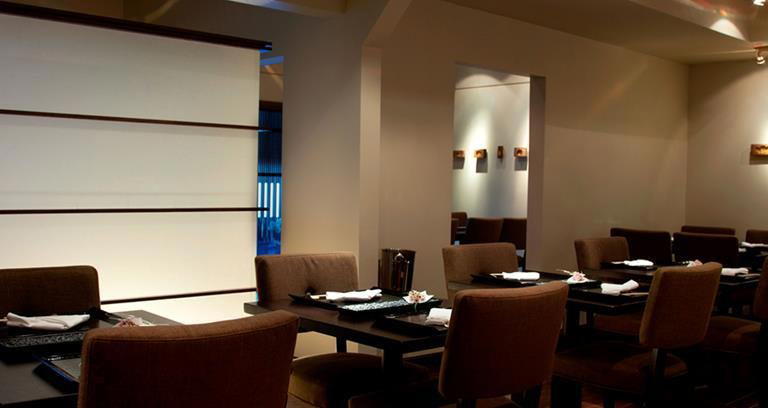
Bars in Los Angeles
All bars in Los Angeles →
Hotels in Los Angeles
All hotels in Los Angeles →
Wineries in Los Angeles
All wineries in Los Angeles →
Details
- Elegant
- Minimalist
- Intimate
- Sophisticated
- Special Occasion
- Date Night
- Chefs Counter
- Sake Program
- Omakase
- Tea Pairing
- Sake
Current opening hours
- Monday
- Closed
- Tuesday
- 7–10 PM
- Wednesday
- 7–10 PM
- Thursday
- 7–10 PM
- Friday
- 5–10 PM
- Saturday
- 5–10 PM
- Sunday
- Closed
Hours can change for holidays and private events. Hours as of .
Minimalist dining room with Ikebana floral arrangements, gold-lacquered ceramics, and a serene, zen-like atmosphere at the eight-seat sushi counter.