Mori Mori

On Northdown Road in Cliftonville, Mori Mori is the izakaya-style Japanese restaurant that Margate locals have taken firmly to heart. Chef Kate de Syllas, trained at the Tokyo Sushi Academy, runs a frequently changing menu of locally sourced produce treated with north-east Asian technique: cold soba with local crab and ponzu, okonomiyaki with kimchi and smoked cheese, matcha whipped cheesecake. Good value, relaxed, and consistently recommended by those who eat there regularly.
Pearl is the En Primeur Club membership app — saves, bookings, and concierge access live there. Same editors, same standards.
- Address
- 80 Northdown Rd, Cliftonville, Margate CT9 2RE, United Kingdom
- Website
- mori-mori.co.uk
- Directions
- Get directions
 Saves & bookings on Pearl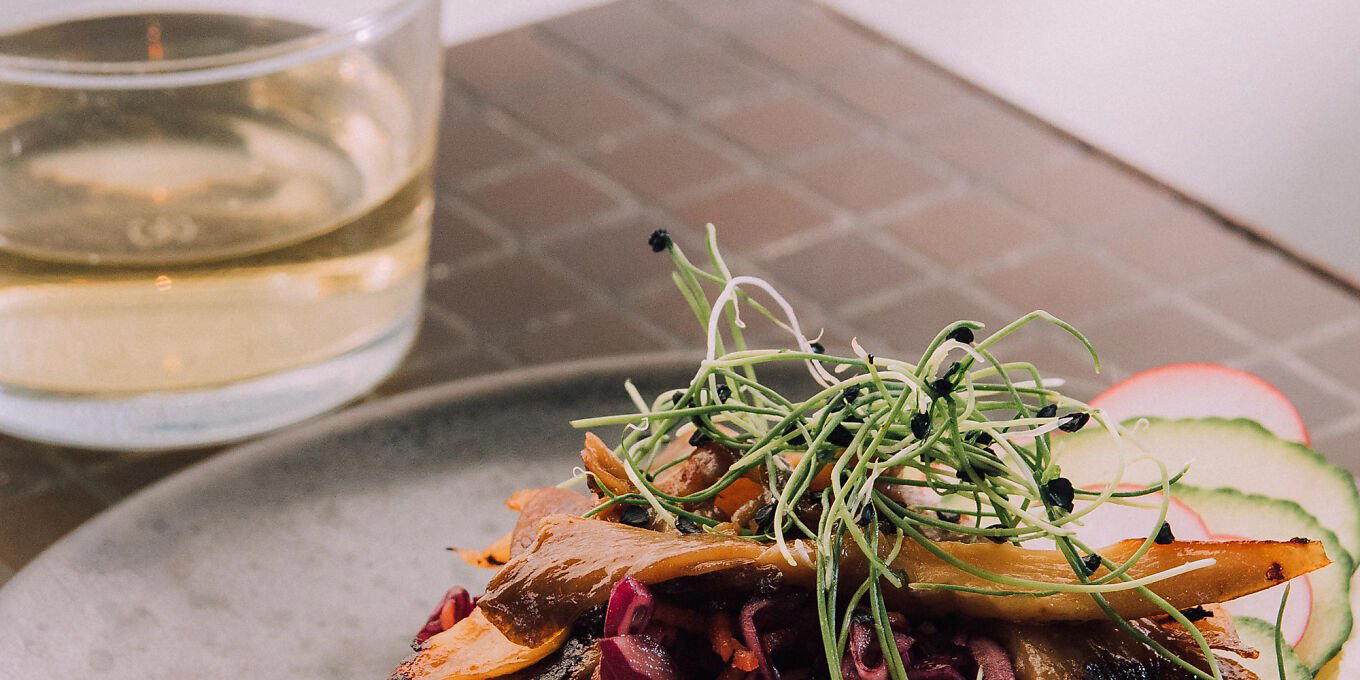
Northdown Road and the Case for Japanese Cooking in a Seaside Town
There is a particular kind of restaurant that a neighbourhood claims as its own before critics arrive. Mori Mori, on Northdown Road in Cliftonville, sits squarely in that category. The street has been building a food identity for several years now, drawing a mix of relocated Londoners, artists, and long-standing Margate residents who have watched the town's eating options expand considerably. Within that context, an izakaya-style Japanese kitchen sourcing ingredients from the surrounding Kent coast is less of an anomaly than it sounds. It is, in fact, a logical expression of what this part of Margate has become.
The izakaya format itself carries a specific cultural weight worth understanding. In Japan, izakayas occupy a distinct social position: informal, convivial, built around drinking and grazing rather than structured courses, with menus that shift according to what the kitchen has that day. They are not sushi bars, not ramen shops, not the high-ceremony omakase counters of central Tokyo. They are the restaurants where Japanese people actually spend evenings, and where the cooking, precisely because it is unpretentious, tends to be direct and precise. That sensibility travels well, and Mori Mori applies it faithfully.
What the Kitchen Does
The menu at Mori Mori changes frequently, which is itself a cultural signal. In the izakaya tradition, daily menus respond to supply rather than locking diners into a fixed repertoire. Here, that means locally sourced produce treated with north-east Asian technique: cold soba noodles tangled with local crab, seaweed, and ponzu dressing; okonomiyaki topped with kimchi and smoked cheese, finished with spicy mayo and crispy onion; a steamed bao bun filled with crab and asparagus, slaw, and pickled ginger. These are dishes where the sourcing and the technique reinforce each other. Kent coastline crab inside a bao is not fusion for its own sake, it is a practical marriage of what the sea provides and what the kitchen knows how to do with it.
Broader menu pulls across north-east Asian reference points without collapsing into a single national identity. Curry udon with katsu chicken sits alongside soba; okonomiyaki, which is Osaka street food in origin, shares space with more composed preparations. Matcha whipped cheesecake with ginger crumb and toasted coconut closes the meal. The drinks list is concise: sake features alongside a small selection of wines by the glass and bottle, priced accessibly. That combination, technically considered food, short and honest drinks list, pricing that does not punish you for ordering another glass, is precisely the izakaya compact.
Kate de Syllas, trained at the Tokyo Sushi Academy, runs the open galley kitchen at the back of the dining room. The kitchen's visibility matters: in an izakaya, the cook is part of the atmosphere, not hidden behind a pass. The room itself is light-filled and laid out without ceremony, the kind of space where the food is the only performance on offer. That restraint is a choice, and it reads correctly for the format.
Where Mori Mori Sits in Margate's Eating Scene
Margate's restaurant scene has shifted considerably over the past decade. The town now supports a range of kitchens operating at the ££ bracket that would not look out of place in any serious British food city. Angela's has built a strong reputation around local seafood handled with care. Sargasso operates in the modern cuisine register. Sète covers modern British territory, and Bottega Caruso holds the Italian corner. Dory's of Margate adds further range to what has become a genuinely varied local offer. The restaurant is the only kitchen in this group applying Japanese and north-east Asian technique to the same pool of local produce, which gives it a distinct position rather than just a different menu.
It is not competing with the technically ambitious tasting-menu restaurants elsewhere in the UK, places like L'Enclume in Cartmel or Moor Hall in Aughton, or the formal rooms of The Ledbury in London and Waterside Inn in Bray, or destination properties like Gidleigh Park in Chagford and Hand and Flowers in Marlow. Nor is it working in the same register as Le Bernardin in New York City or Emeril's in New Orleans. The restaurant operates inside a completely different set of ambitions: neighbourhood-scaled, format-disciplined, priced for repeat visits rather than occasions.
That positioning is a strength, not a limitation. The restaurants that embed themselves most deeply in a local food culture are usually the ones that understand their own scale. The restaurant, has understood that well.
Planning Your Visit
The restaurant is on Northdown Road in Cliftonville, a short walk from Margate Old Town. The format is relaxed and the dining room is described as light-filled and no-frills, which means the dress code is whatever you wore on the beach or to the gallery. Given its local popularity and the frequency with which it is recommended by Margate residents, booking ahead is advisable, particularly for weekend evenings. The menu changes regularly, so what you ate on your last visit is not guaranteed to appear on this one, that variability is part of the point. For everything else around your trip, the full Margate restaurants guide maps the wider scene, and the Margate hotels guide, bars guide, wineries guide, and experiences guide cover the rest.
Budget Reality Check
Comparable venues nearby, for context on price, style, and recognition.
| Venue | Cuisine | Price | Awards | Notes |
|---|---|---|---|---|
| Mori MoriThis venue — the venue you are viewing | Cliftonville, Modern Japanese Izakaya | $$ | Not listed | Not listed |
| Roost Restaurant & Cafe | Not listed | $$ | Not listed | Cliftonville, American Diner & Fried Chicken |
| Thao Thao | Old Town, Vietnamese Street Food | $$ | Not listed | Not listed |
| The Perfect Place To Grow | Cliftonville, Modern British Cafe | $$ | Not listed | Not listed |
| Bottega Caruso | Old Town, Southern Italian Osteria | $$$ | Michelin Plate | Not listed |
| Mannings Seafood | Not listed | $ | Not listed | Margate Harbour, Traditional British Seaside Seafood |
Recognition history
Dated appearances from independent guides and award organizations, with the underlying list record or original source where available.
The Good Food Guide Good Food Guide Best Local Restaurant
The Good Food Guide
The Good Food Guide GFG Good
The Good Food Guide
Continue exploring
More in Margate
Restaurants in Margate
Browse all →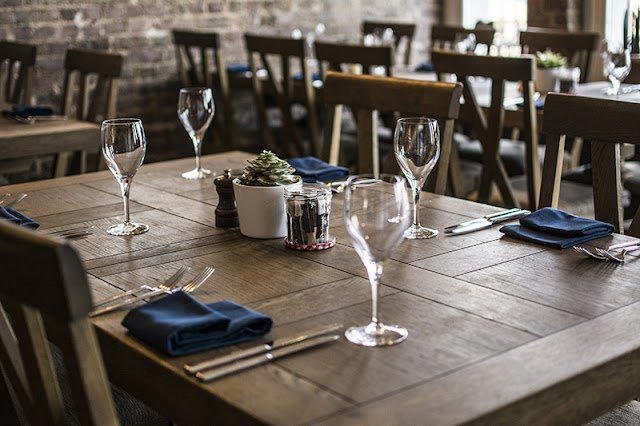
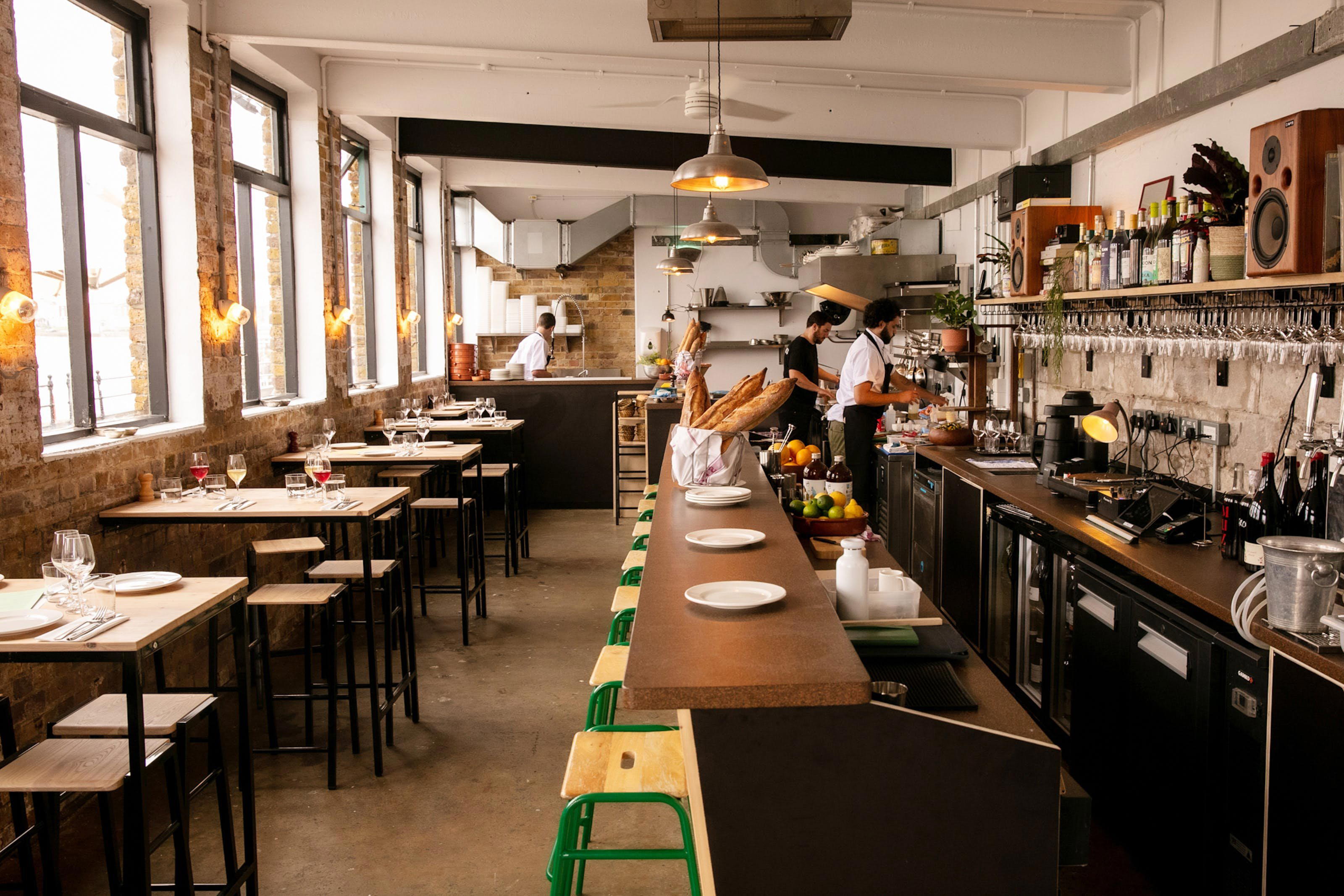
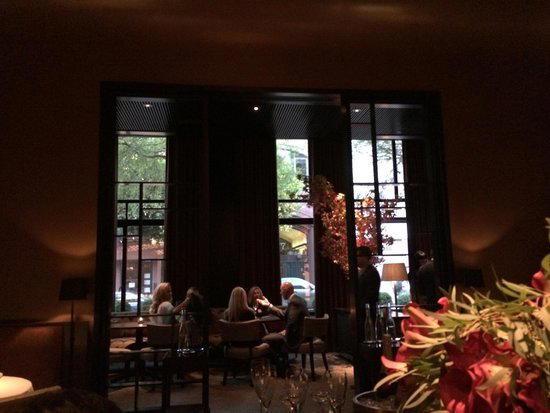
Bars in Margate
Browse all →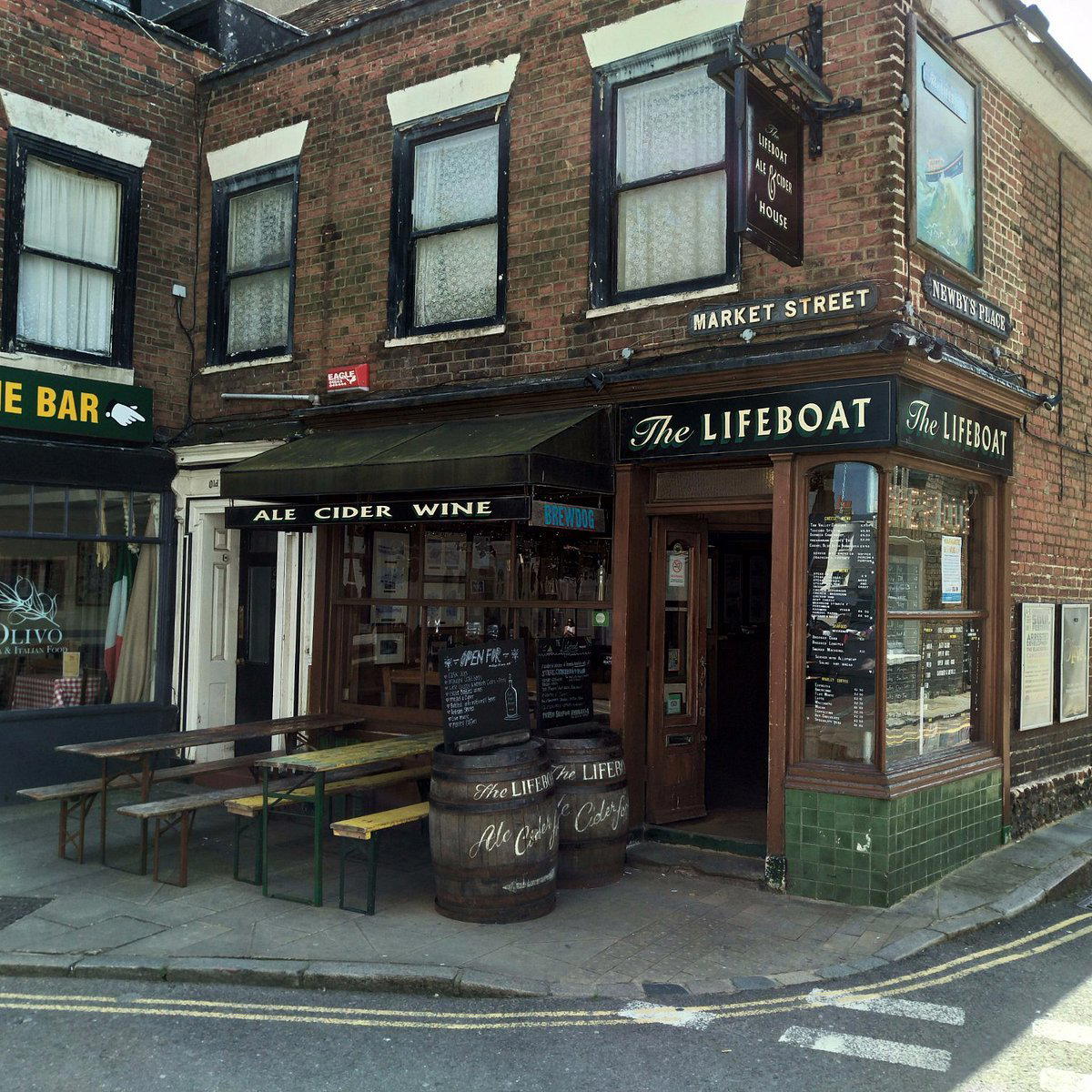
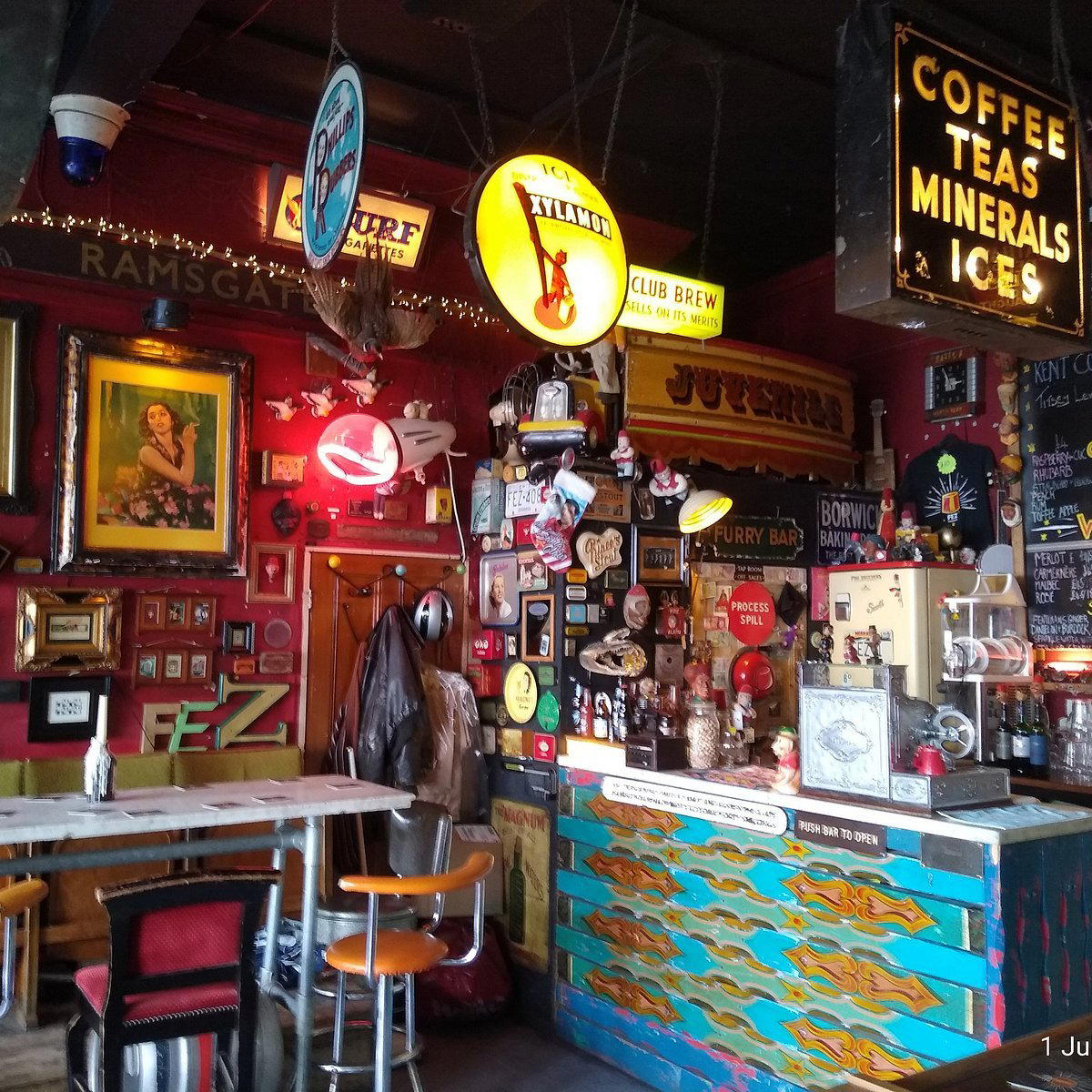
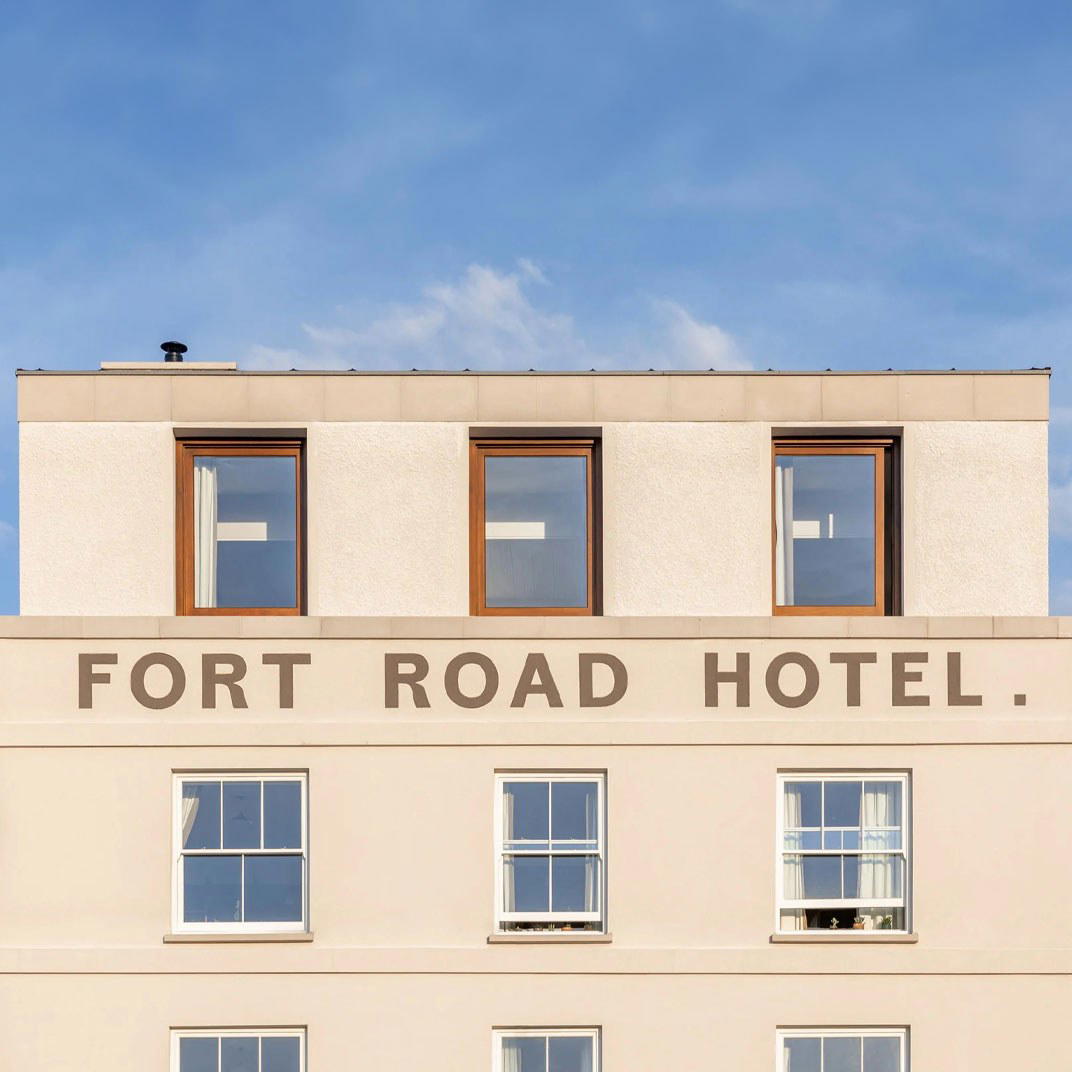
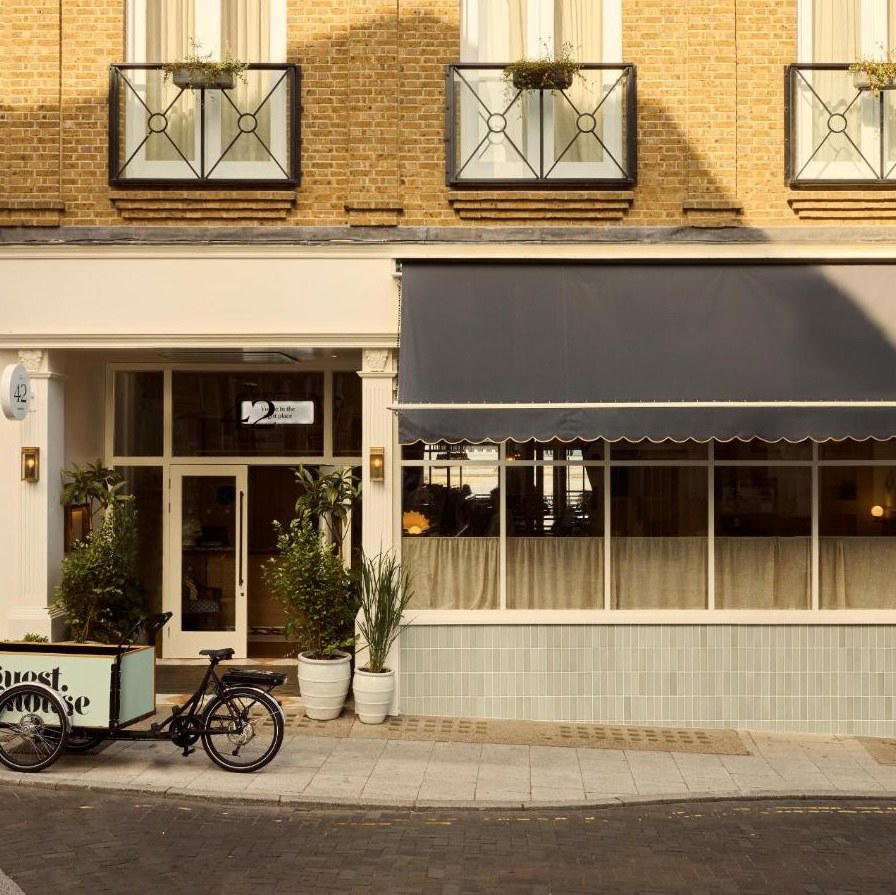
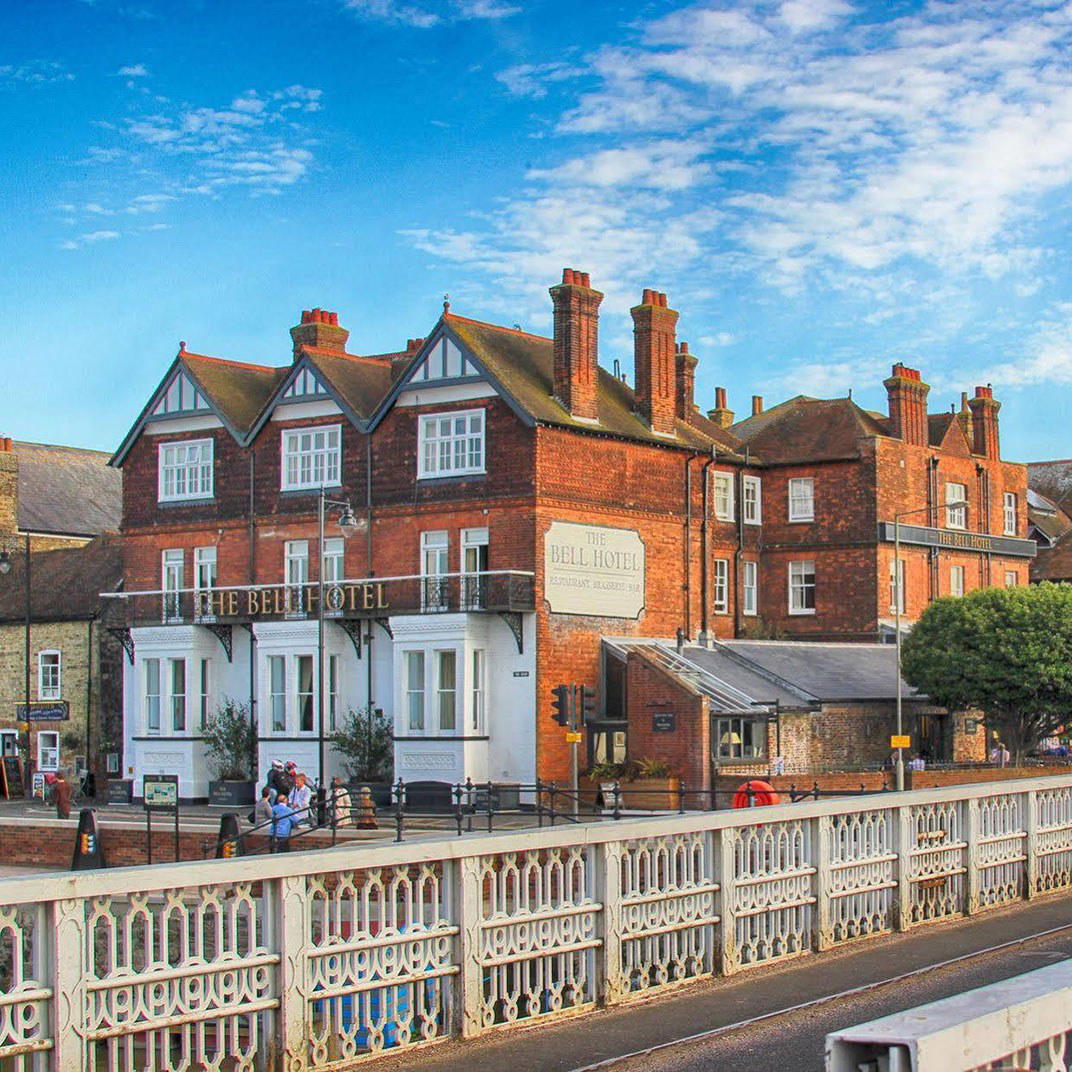
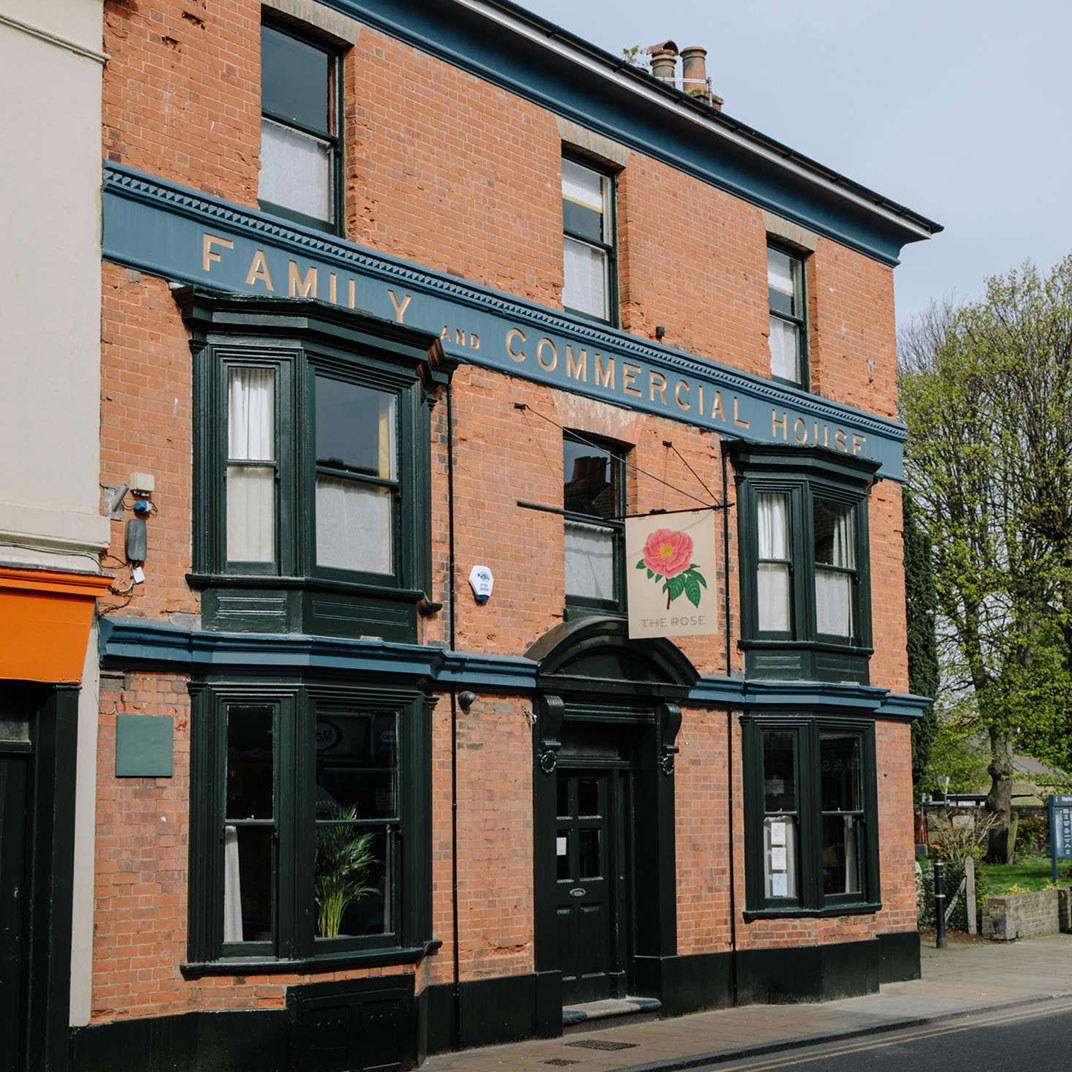
Hotels in Margate
Browse all →
Wineries in Margate
Browse all →
At a Glance
- Cozy
- Modern
- Casual
- Casual Hangout
- Date Night
- Open Kitchen
- Sake Program
- Natural Wine
- Local Sourcing
Current opening hours
- Monday
- Closed
- Tuesday
- Closed
- Wednesday
- Closed
- Thursday
- 12–3:30 PM, 6–9:30 PM
- Friday
- 12–3:30 PM, 6–10:30 PM
- Saturday
- 12–3:30 PM, 6–10:30 PM
- Sunday
- Closed
Hours can change for holidays and private events. Last verified .
Light-filled all-white room with relaxed cafe vibes and open kitchen.