Google: 4.6 · 130 reviews
Sète
.png)

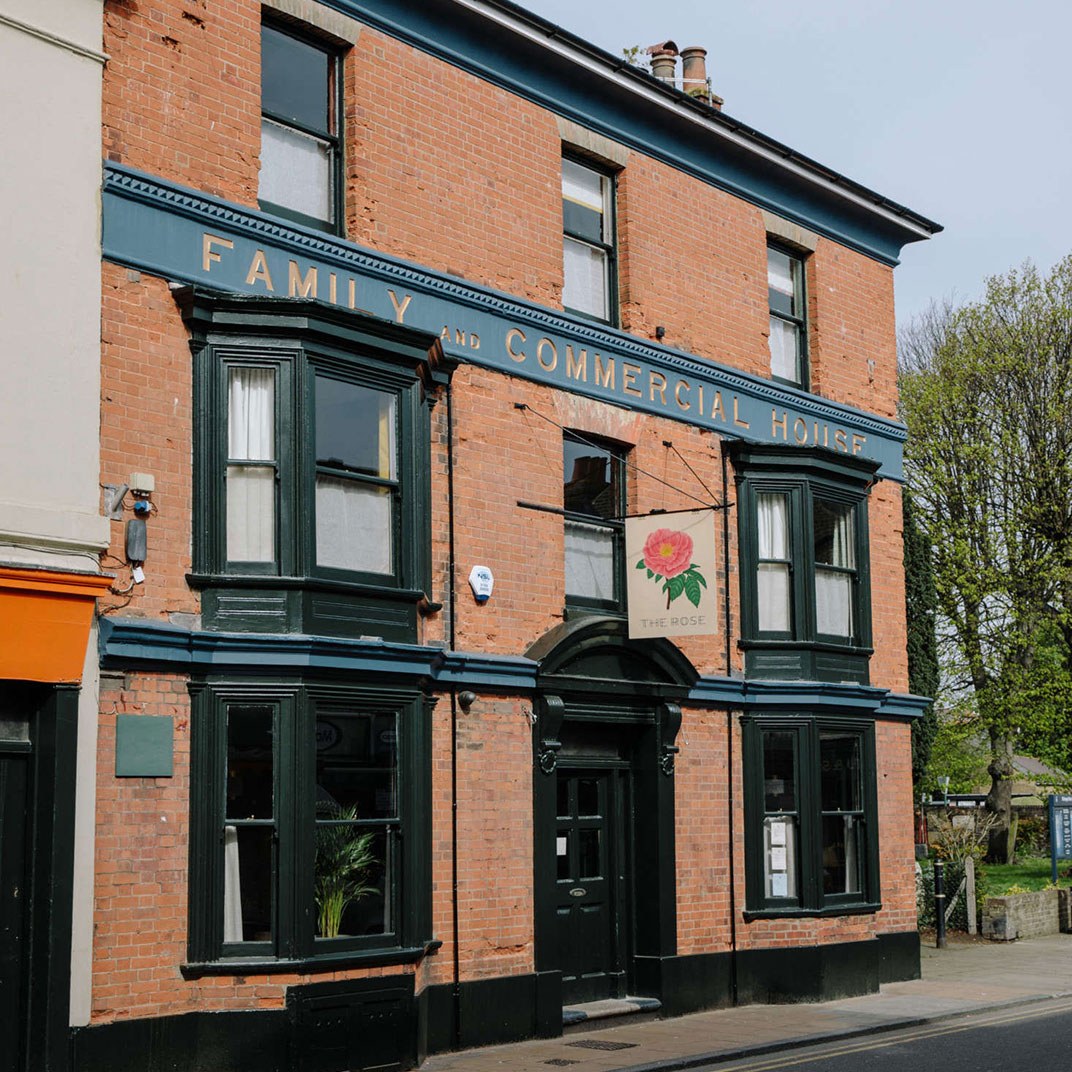
A bow-windowed former sweet shop on Northdown Road, Sète combines a restaurant, wine bar and bottle shop in 24 seats. The kitchen applies classical French technique to produce-led Modern British cooking, with a blackboard menu that shifts with the seasons. Michelin Plate recognition in both 2024 and 2025 places it firmly in Margate's most serious dining tier.
 Discover on Pearl
Pearl is the En Primeur Club membership app — saves, bookings, and concierge access live there. Same editors, same standards.
Where Northdown Road Gets Serious About Food
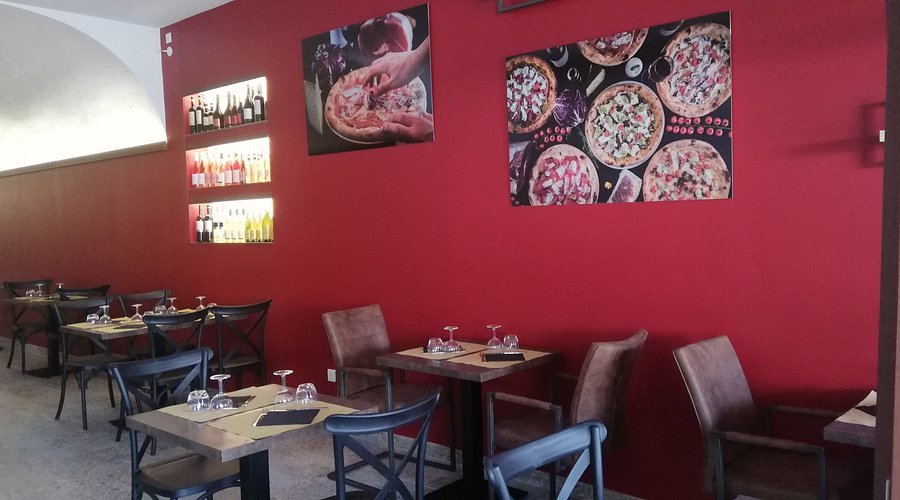
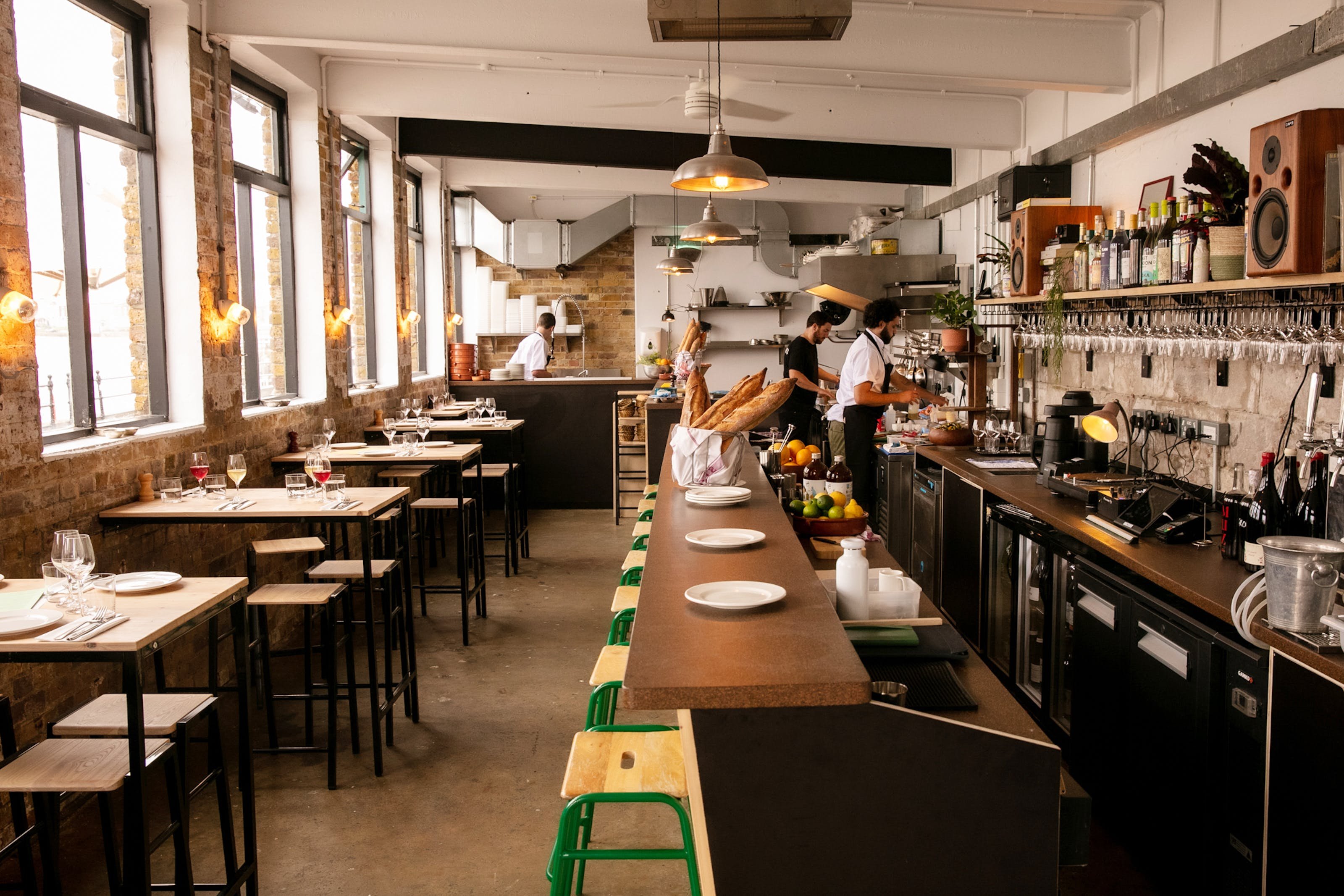
The stretch of Northdown Road connecting Margate to Broadstairs is not where most visitors instinctively look for notable cooking. That, in part, is what makes Sète work. Removed from the gallery-and-gastro circuit of the old town, the restaurant occupies a bow-windowed former sweet shop at number 238, a building whose domestic scale signals exactly the kind of cooking that happens inside: precise, produce-focused, and without ceremony. The room holds 24 covers, with additional seats on a terrace when the weather cooperates, and the format collapses the distance between wine bar, bottle shop and kitchen into a single, coherent space.
Margate's dining scene has matured considerably since the Turner Contemporary-led regeneration drew attention to the town. Restaurants like Angela's built a reputation on honest seafood cookery; Sargasso and Bottega Caruso each occupy distinct positions in the town's broader restaurant mix. Sète sits at the neighbourhood end of that spectrum, in the sense that its loyalties are clearly local, but its cooking operates at a level that earns it comparison with restaurants in larger cities. Michelin awarded it a Plate in both 2024 and 2025, a signal that the guides are paying attention to what is happening beyond the seafront.
The Kitchen's Approach: French Technique, British Produce
The Modern British category covers a wide range of ambition levels, from gastropub classics to elaborate tasting menus. Sète sits in a specific sub-register: French classical technique applied without fuss to whatever British produce is worth cooking right now. The blackboard menu changes constantly, and the restraint in that approach matters. Dishes like braised squid with peas, or curried lamb mince, speak to a kitchen that reaches for technique when it serves the ingredient rather than to demonstrate itself.
This kind of cooking has a clear lineage in Britain. The produce-led, technique-light philosophy that defined restaurants like Hand and Flowers in Marlow — where classical French foundations meet accessible British sensibility — sits at one end of the spectrum. At the formal end, places like CORE by Clare Smyth in London and L'Enclume in Cartmel push British produce into multi-course high-concept territory. Sète has no interest in that register. Its ambition is narrower and more disciplined: cook a small number of things well, change them when the season demands it, and do not overwork what arrives from the supplier.
Pastry and Baking as a Lens on the Kitchen
The editorial angle on Sète sharpens when you look at its baked and pastry elements, because that is where a small kitchen's discipline becomes most visible. The vol-au-vent, a fixture on the menu since the restaurant opened, is the telling detail here. Vol-au-vents are not a fashionable thing to serve. The puff pastry case requires technical patience: proper lamination, correct resting, sufficient heat to achieve the rise and the hollow interior that the name describes. Serving them well, consistently, in a kitchen operated single-handedly, says something about how the team thinks about craft.
The sourdough bread is sourced from Oast Bakery, at the other end of Northdown Road, a decision that reflects how the kitchen resolves the tension between in-house production and quality control in a small space. In British regional dining, the relationship between a restaurant and a local bakery is often a more accurate quality signal than any single dish on the menu. For dessert, a brandy-laced plum clafoutis with vanilla ice cream has been documented among the options: clafoutis is another test of restraint, a batter that needs the right balance of egg and cream to set properly around the fruit without becoming dense.
These choices sit within a broader tradition of French pastry technique adapted to British seasonal produce, a line that runs through the country's leading kitchens regardless of their price point or size. Compared to the elaborate dessert programs at places like Le Manoir aux Quat' Saisons in Great Milton or The Fat Duck in Bray, Sète operates at the opposite end of the scale in terms of resource and complexity. The point is the same: that baking and pastry discipline reveals kitchen standards more reliably than a complicated protein dish with many components.
The Wine Program
The wine bar and bottle shop dimensions of Sète are not incidental to what the restaurant does. The list draws from natural and classic French, European and South African producers, arranged by style rather than by region or grape, which suggests a program built around how wines drink rather than how they are classified. Grüner Veltliner available on tap is a specific and considered choice, a grape associated with Austria's Wachau and Kamptal regions that sits well alongside lighter, vegetable-forward dishes and sharp, acid-driven sauces.
Natural wine programs have become a default shorthand for a certain kind of independent restaurant across Britain, but the inclusion of classic French alongside natural producers suggests Sète is building a list on quality and compatibility rather than ideology. For a 24-seat room where a single bottle of wine significantly affects the economics of a cover, that selectivity matters. The bottle shop element means the wine program extends beyond the meal itself, which is a practical commitment to the proposition.
Planning Your Visit
Sète is on Northdown Road in Cliftonville, the CT9 2QD postcode, at number 238. The restaurant sits between Margate and Broadstairs, away from the tourist concentration around the harbour and old town. With 24 indoor seats and a small outdoor terrace that depends on weather, availability is limited. The Google rating of 4.6 across 110 reviews is consistent with the Michelin recognition: this is a restaurant with an established and loyal local following, and booking ahead is sensible at any time of year. The £££ price range places it in the accessible tier of Margate's dining options, comparable to Angela's and Sargasso in value terms, and well below the pricing structures of the formal British restaurants at the upper end of the national scene, such as Moor Hall in Aughton, Restaurant Andrew Fairlie in Auchterarder, or The Ritz Restaurant in London.
For those building a full visit around Margate's food and drink scene, the full Margate restaurants guide maps the range of options across the town. Complementary guides cover hotels, bars, wineries, and experiences for a broader picture of what the area offers. Gidleigh Park in Chagford and The Ledbury in London provide useful reference points for those calibrating where Sète sits relative to the wider British dining hierarchy: the cooking here belongs to a different tradition, more bistro than grand restaurant, but the underlying standards of technique and produce selection place it in credible company.
At a Glance
A quick look at comparable venues, using the data we have on file.
| Venue | Notes | Price |
|---|---|---|
| Sète | This venue | ££ |
| Sargasso | Modern Cuisine, ££ | ££ |
| Angela's | Seafood, ££ | ££ |
| Bottega Caruso | Italian, ££ | ££ |

At a Glance
- Cozy
- Intimate
- Trendy
- Date Night
- Casual Hangout
- Open Kitchen
- Extensive Wine List
- Local Sourcing
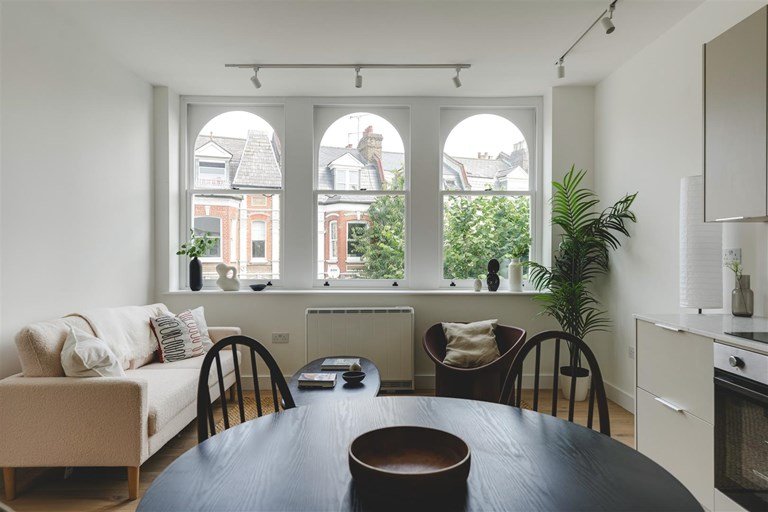
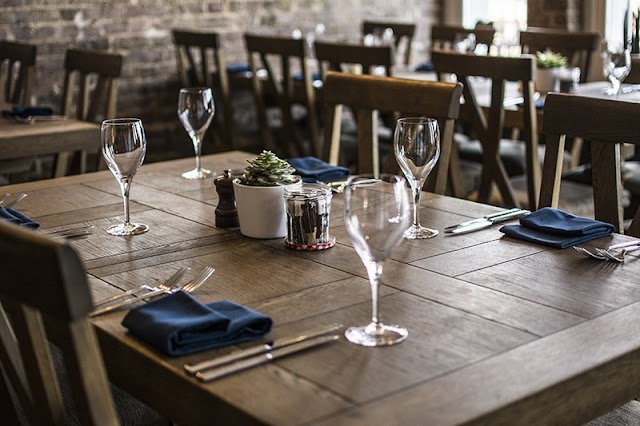
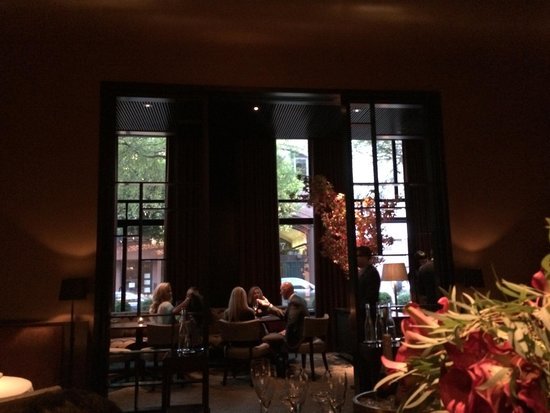
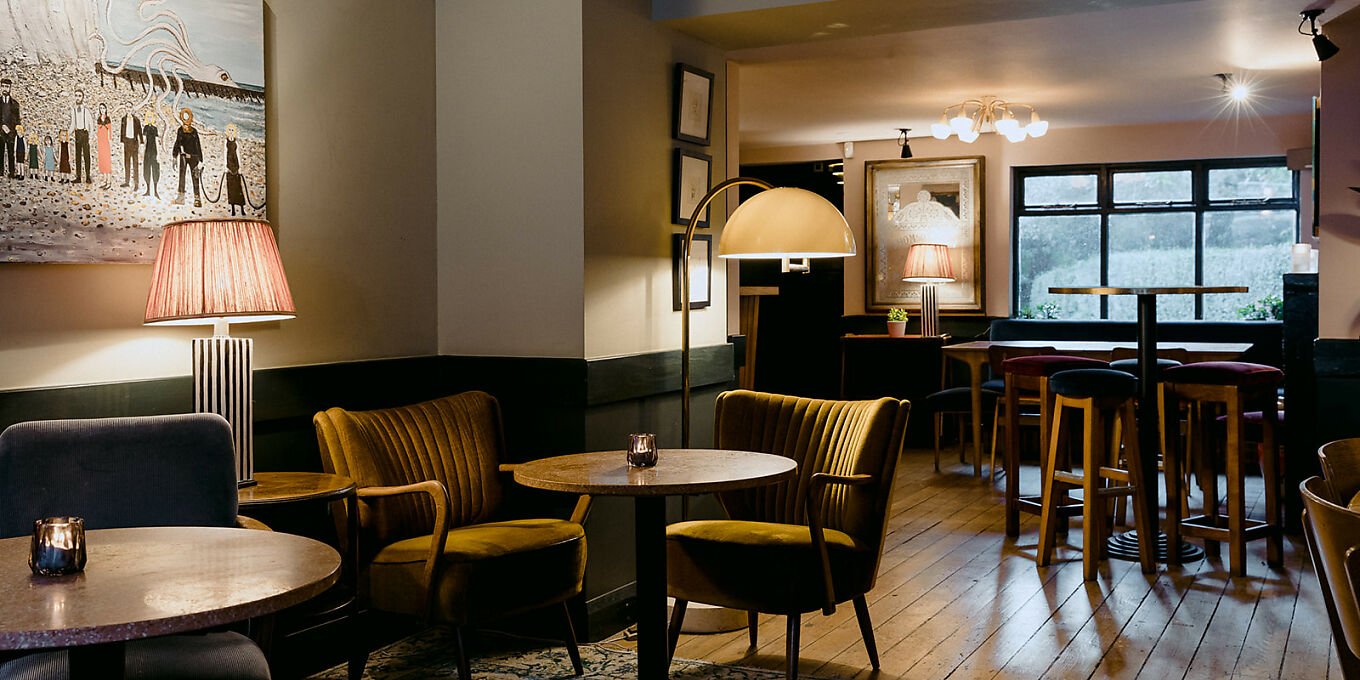
Cozy, intimate, and relaxed with an open kitchen layout allowing diners to watch the chef, creating a buzzy yet welcoming neighborhood vibe.