Dory’s of Margate

A small seafood eatery and wine bar on Margate's High Street, Dory's operated as a no-cook, chalkboard-menu outpost connected to the well-regarded Angela's around the corner. Sourcing-led and sustainability-focused, it drew on local, seasonal ingredients served cold or gently finished behind the bar, with a drinks list that favoured natural wines and English vineyards. Dory's closed permanently on 24th March.
- Address
- 24 High St, Margate CT9 1DS, United Kingdom
- Phone
- +44 1843 520391
- Website
- dorysofmargate.com
- Directions
- Get directions
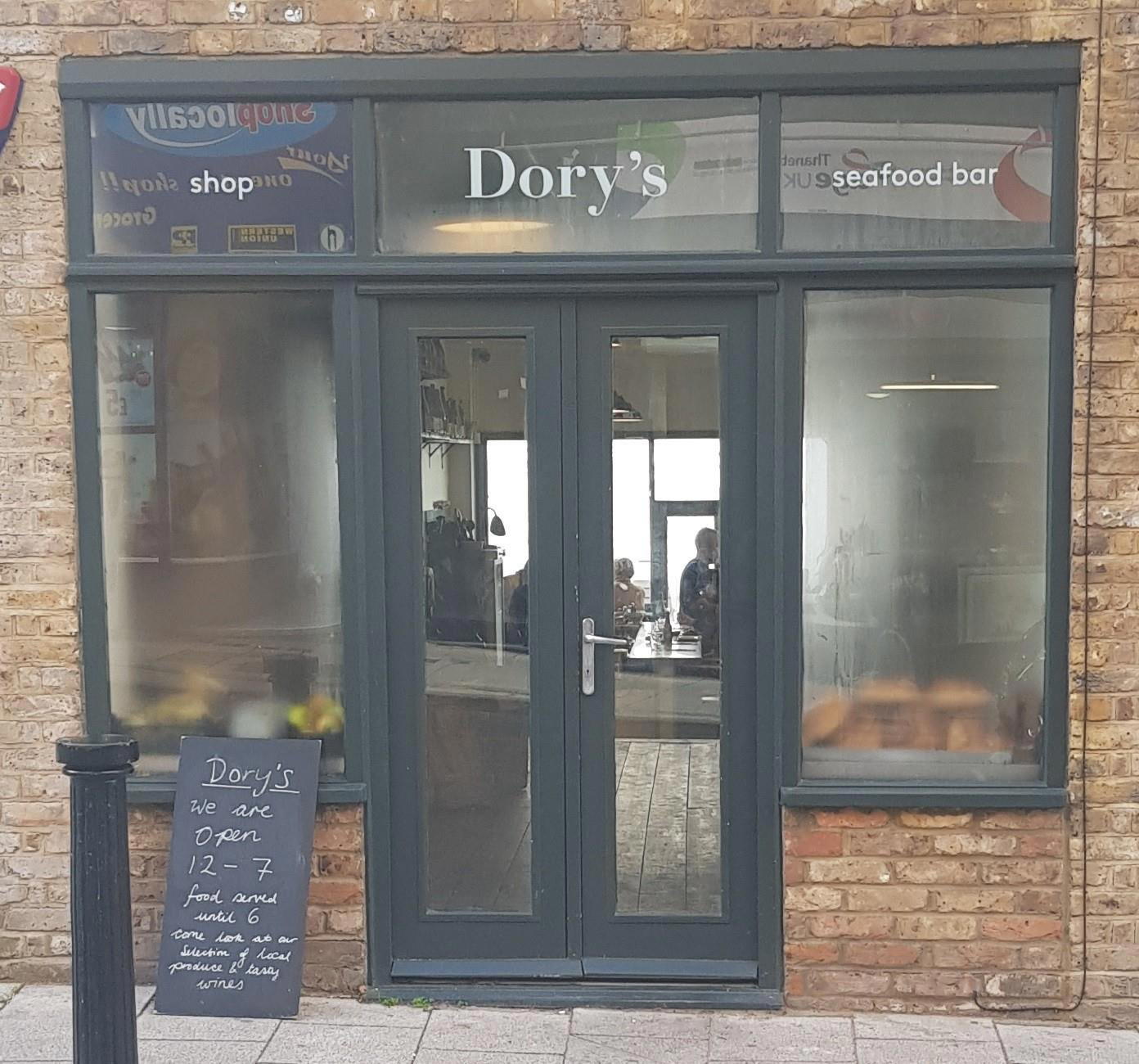
Where Margate's Sourcing Ethos Took Its Purest Form
The seafood towns of the Kent coast have always had a particular relationship with the water, not as backdrop, but as larder. What changed in Margate over the past decade was the arrival of restaurants willing to treat that relationship as a philosophy rather than a postcard. Dory's of Margate was a seafood restaurant at 24 High St, Margate CT9 1DS, United Kingdom, known for seasonal seafood small plates and a price point around $65 per person until it closed permanently. It was not a kitchen in any conventional sense: dishes arrived pre-made, cold or gently finished behind the bar, and the menu changed with whatever was available, seasonal, and defensible on sourcing grounds. That no-cook model, rare even in cities, requires both confidence in your suppliers and honesty about what you are. Dory's had both.
It is worth understanding that Dory's did not emerge from the wave of London-restaurant migration that has reshaped much of Margate's dining offer. The town has attracted considerable outside attention, with operators from the capital and beyond opening in quick succession, drawn by lower rents and an increasingly food-literate visitor base. But Dory's grew from local roots, sharing an ownership and sourcing philosophy with Angela's, the seafood restaurant just around the corner that established Margate as a serious food destination before the broader wave arrived. The two venues functioned as a coherent system: Angela's as the full-service sibling, Dory's as the pared-back, walk-in-friendly expression of the same commitment to local and sustainable produce.
The Logic of the Chalkboard
In a town where menus increasingly reference provenance as marketing, Dory's made sourcing structural rather than decorative. The chalkboard format was not affectation, it was the direct consequence of a seasonal, supplier-led approach where the menu could not be fixed in advance. Drinks followed the same logic. The list favoured natural and low-intervention producers, with a particular emphasis on English vineyards at a moment when the domestic wine industry has earned serious critical attention. By the glass, the selection ran to producers such as Rennersistas-Intergalactic from Burgenland, Austria, a skin-contact wine that found its footing alongside the cold seafood preparations in the way that orange wines often do with briny, textured dishes.
Aperitifs leaned in the same direction: a take on the Bloody Mary grounded with garlic rather than relying on the standard Worcestershire and Tabasco template. The drinks list read as curated rather than comprehensive, which is the appropriate scale for a room of this size and format.
The No-Cook Model and What It Demands
The no-cook format places particular pressure on sourcing decisions because there is no kitchen technique available to compensate for ingredient quality. Soused paprika mussels, served cold, succeed or fail on the mussels themselves and the balance of the sousing liquor. Brown crab piled onto toast, creamy, with a restrained chilli warmth, depends on crab that is fresh enough to carry the preparation without masking. Smoked haddock and dill pie, finished behind the bar rather than cooked to order, requires pastry made correctly in advance and fish that holds its character through the smoking and the reheating process.
That these preparations worked as described in published reviews is a function of the sourcing discipline that runs through the Angela's operation and extends to Dory's. A bass fillet with kale, lentils, and green sauce, and smoked prawns that echoed preparations available at Angela's, pointed to a shared supply chain rather than improvised sourcing. The apple cake with caramel and crème fraîche suggested that the no-cook commitment applied even to dessert, where technique is typically the point.
For comparison, the full-service seafood operations at venues like Le Bernardin in New York City or Waterside Inn in Bray demonstrate what brigade cooking and classical technique can achieve with marine produce. Dory's argued, quietly, for a different premise: that the sourcing decision is the primary one, and that skilled preparation can follow from it without a full kitchen infrastructure. Within the Margate comparable set, which includes Sargasso, Sète, and Bottega Caruso, Dory's occupied a distinct position: lower formality, tighter format, higher sourcing transparency.
Booking, Walk-Ins, and the Margate Table Problem
One practical reality of Margate's dining scene is that the leading tables book out well in advance, particularly during summer and bank holiday periods when the town draws significant visitor numbers from London and the wider southeast. Dory's addressed this directly by accepting bookings while reserving a portion of covers each day for walk-ins, a decision that kept the room accessible to the spontaneous visitor in a way that few of its peers could manage. For a town where a restaurant of this quality and scale would typically require planning weeks ahead, that policy was a meaningful operational choice, not a minor footnote.
The front-of-house operation was noted in published reviews as the element that held the format together. A no-cook room with a short, chalkboard-led list requires staff who can explain preparations confidently, guide wine pairings with authority, and manage a room that moves quickly.
A Note on Closure
Dory's closed permanently on 24th March. Its closure on 24th March is part of the restaurant's record and marks the end of that sourcing-led, no-cook seafood room. The town's reputation as a serious food destination was built substantially by local operators rather than by the inward migration that followed. Angela's and Dory's together made that case most directly. For those visiting Margate now, Angela's remains the appropriate starting point for the same sourcing philosophy in a full-service format. Other venues in the local comparable set include Mori Mori, which occupies a different position in the town's dining offer.
Side-by-Side Snapshot
Comparable venues nearby, for context on price, style, and recognition.
| Venue | Cuisine | Price | Notes |
|---|---|---|---|
| Dory’s of MargateThis venue — the venue you are viewing | Seasonal Seafood Small Plates | $$$ | Not listed |
| Hantverk & Found | Seasonal Seafood with Japanese Influences | $$ | Old Town |
| Roost Restaurant & Cafe | American Diner & Fried Chicken | $$ | Cliftonville |
| The Ambrette | Modern South Indian Fusion | $$$ | Old Town |
| Lilie's | Creative Spanish Tapas | $$ | Cliftonville |
| Buoy and Oyster | Modern Seafood | $$$ | High Street |
Recognition history
Dated appearances from independent guides and award organizations, with the underlying list record or original source where available.
The Good Food Guide GFG Very Good
The Good Food Guide
Continue exploring
More in Margate
Restaurants in Margate
Browse all →
Bars in Margate
Browse all →
Hotels in Margate
Browse all →

Wineries in Margate
Browse all →
At a Glance
- Scenic
- Intimate
- Trendy
- Elegant
- Date Night
- Casual Hangout
- Group Dining
- Open Kitchen
- Waterfront
- Extensive Wine List
- Natural Wine
- Craft Cocktails
- Local Sourcing
- Sustainable Seafood
- Farm To Table
- Waterfront
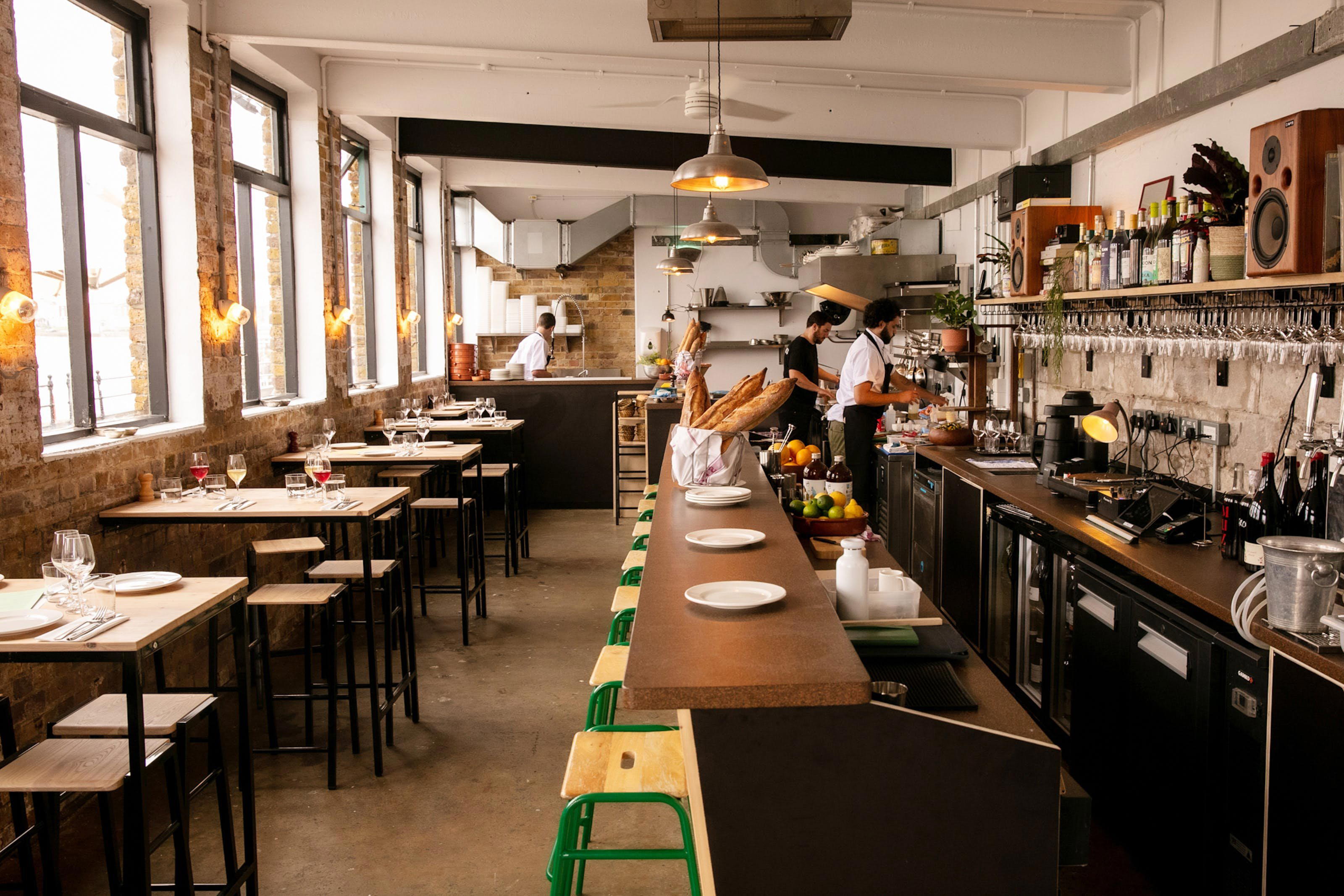
Warm and welcoming with bar seating overlooking an open kitchen; intimate counter-style arrangement with relaxed, unpretentious atmosphere and sunset sea views.