Momofuku Ko


Momofuku Ko brought a two-Michelin-star counter experience to the East Village, running an intimate multi-course tasting menu that drew on Asian culinary traditions within an American fine dining framework. Ranked 30th in North America by Opinionated About Dining in 2023, it operated at 171 First Avenue until its closure in November 2023. The restaurant's run reshaped how New York understood progressive tasting-menu dining outside of midtown formality.
 Discover on Pearl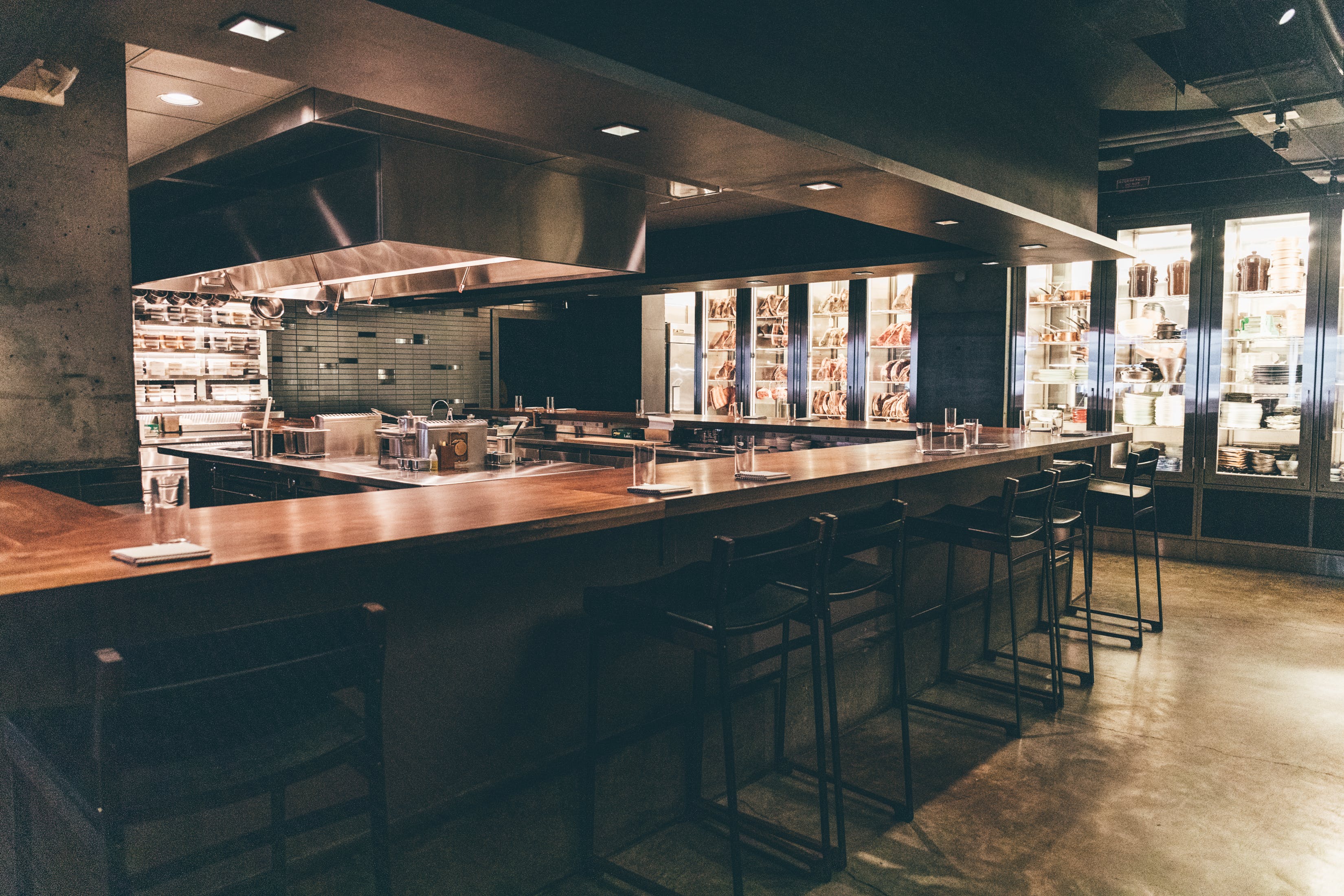
A Counter That Redrew the Map of New York Tasting-Menu Dining
When Momofuku Ko opened in 2008, the dominant model for serious tasting-menu dining in New York was midtown French formality: jackets expected, tablecloths pressed, wine lists the size of novels. Ko arrived in the East Village with a counter format, an open kitchen, and a menu that treated Korean and broader Asian culinary technique as primary material rather than accent. That positioning, at the time genuinely unusual in the Michelin-starred tier, helped define what progressive American fine dining could look like when it stopped deferring to European precedent. Comparable pivots happened in Chicago with Alinea and in Napa with The French Laundry, but Ko's specific contribution was grounding its ambition in a neighbourhood rather than a destination address.
The Cultural Roots of the Menu
Progressive cuisine in the United States has historically drawn from French technique as its backbone, with other traditions appearing as garnish. Ko's operating premise inverted that hierarchy. Asian flavour logic — fermentation, koji, the interplay of fat and acid in Korean pantry traditions — ran through the tasting menu not as a thematic flourish but as structural decision-making. This placed Ko in the same broad current as Atomix, which arrived later to apply Korean culinary scholarship at comparable price points, and it anticipated the mainstream arrival of ideas that venues like 81 in Tokyo pursue from the other direction. The Momofuku Michelin star recognition , two stars maintained across much of the restaurant's run , validated this approach inside a system that had historically rewarded French-derived fine dining far more readily than its alternatives.
The shortlist, unlocked.
Hard-to-book tables, cellar releases, and concierge-planned trips.
Get Exclusive Access →The cultural framing also extended to format. Tasting menus in the New York premium tier tend toward tableside ceremony: multiple servers, coordinated plating, a theatrical rhythm that can feel more like performance than eating. Ko kept the counter and the open kitchen, which meant diners watched the work rather than receiving the result at a remove. That choice aligned Ko with a Japanese omakase logic , the counter as transparency device , more than with the choreographed service at, say, Per Se or Eleven Madison Park.
Where Ko Sat in the New York Competitive Tier
New York's two-Michelin-star tasting-menu tier is small and internally varied. At the seafood-focused end sits Le Bernardin, holding three stars with a French kitchen and a room built for corporate expense accounts. At the counter-omakase extreme sits Masa, where a single Japanese ingredient tradition anchors a price point that runs well above any other Manhattan counter. Ko occupied the middle of that range: double-starred, counter-seated, and operating with a culinary vocabulary that was neither exclusively French nor exclusively Japanese. Opinionated About Dining ranked it 30th among all North American restaurants in 2023, which placed it above dozens of Michelin-recognised addresses and reflected how seriously the trade tracked Ko's output even as its public profile remained lower than its peer set.
That ranking is a useful calibration tool. OAD draws heavily on votes from industry professionals and informed frequent diners , a population less swayed by room design or service theatrics than by what actually arrives on the plate. A ranking of 30th in a continent-wide field, in Ko's final year of operation, signals that the kitchen maintained standard through its closure rather than drifting. Similar evidence of sustained late-run quality can be found at Lazy Bear in San Francisco and Single Thread in Healdsburg, both of which have held consistent OAD positions across multiple cycles.
The East Village Context
The neighbourhood placement was part of Ko's argument. The East Village in 2008 was not a fine dining address. It held good ramen, cheap Vietnamese, and bars that predated the cocktail revival. Planting a two-Michelin-star counter at 171 First Avenue was a claim that serious cooking did not require a midtown postcode , a claim that has since become conventional wisdom but was not obvious at the time. The same logic drove progressive formats in other cities: Locust in Nashville and Providence in Los Angeles both demonstrate that neighbourhood-level credibility and fine dining ambition are not competing values. Ko helped prove that argument in New York before it became easy to prove.
Closure and What It Marks
Momofuku Ko closed in November 2023 after fifteen years. The closure coincided with a wider contraction in the American tasting-menu format: rising food costs, post-pandemic labour restructuring, and a shift in how younger diners in major cities allocate premium dining spend. These pressures affected addresses across the tier , Emeril's in New Orleans represents a different generation of the same pattern. Ko's closure was not a failure of the restaurant; it was a restaurant that had completed its arc and chose to close rather than compromise. The Pearl recommendation it carried into 2025 reflected continued recognition of its record even after its doors shut.
What Ko leaves behind is a set of references that other kitchens are still working through. The counter-as-primary-format at the Michelin level is now a viable model in New York rather than an outlier. Asian culinary technique as structural rather than decorative in American fine dining is now a baseline expectation in a way it was not when Ko opened. Chef Esther Ha, who held the kitchen in its later years, operated inside a framework that Ko itself had spent a decade building.
Planning a Visit (Historical Reference)
Momofuku Ko is no longer open. The restaurant operated at 171 First Avenue, New York, NY 10003, and closed in November 2023 after holding two Michelin stars for much of its run and earning a ranking of 30th in North America from Opinionated About Dining in its final year. For current progressive tasting-menu options in New York, see our full New York City restaurants guide. The EP Club guides for hotels, bars, wineries, and experiences in New York City cover the broader context for planning time in the city.
At a glance: Closed November 2023. 171 First Ave, East Village, New York. Two Michelin stars. OAD North America #30 (2023). Pearl Recommended (2025).
171 1st Ave, New York, NY 10003
(212) 777-7773
Same-City Peers
A small peer set for context; details vary by what’s recorded in our database.
| Venue | Cuisine | Price | Notes |
|---|---|---|---|
| Momofuku Ko | Progressive | This venue | |
| Le Bernardin | French, Seafood | $$$$ | French, Seafood, $$$$ |
| Atomix | Modern Korean, Korean | $$$$ | Modern Korean, Korean, $$$$ |
| Masa | Sushi, Japanese | $$$$ | Sushi, Japanese, $$$$ |
| Per Se | French, Contemporary | $$$$ | French, Contemporary, $$$$ |
| Eleven Madison Park | French, Vegan | $$$$ | French, Vegan, $$$$ |
Need a table?
Our members enjoy priority alerts and concierge-led booking support for the world's most difficult tables.
Get Exclusive AccessThe shortlist, unlocked.
Hard-to-book tables, cellar releases, and concierge-planned trips.
Get Exclusive Access →