Molina's Cantina
Molina's Cantina on Westheimer Road is one of Houston's most enduring Tex-Mex institutions, operating in a city where Mexican-American cooking has shaped the dining culture for generations. The address at 7901 Westheimer places it in the heart of the Westchase corridor, where the kitchen's output reads as much as local tradition as it does a restaurant menu. For visitors mapping Houston's dining scene, it belongs on the same itinerary as the city's broader Mexican-American canon.
Pearl is the En Primeur Club membership app — saves, bookings, and concierge access live there. Same editors, same standards.
- Address
- 7901 Westheimer Rd, Houston, TX 77063
- Phone
- +17137820861
- Website
- molinascantina.com
- Directions
- Get directions
 Saves & bookings on Pearl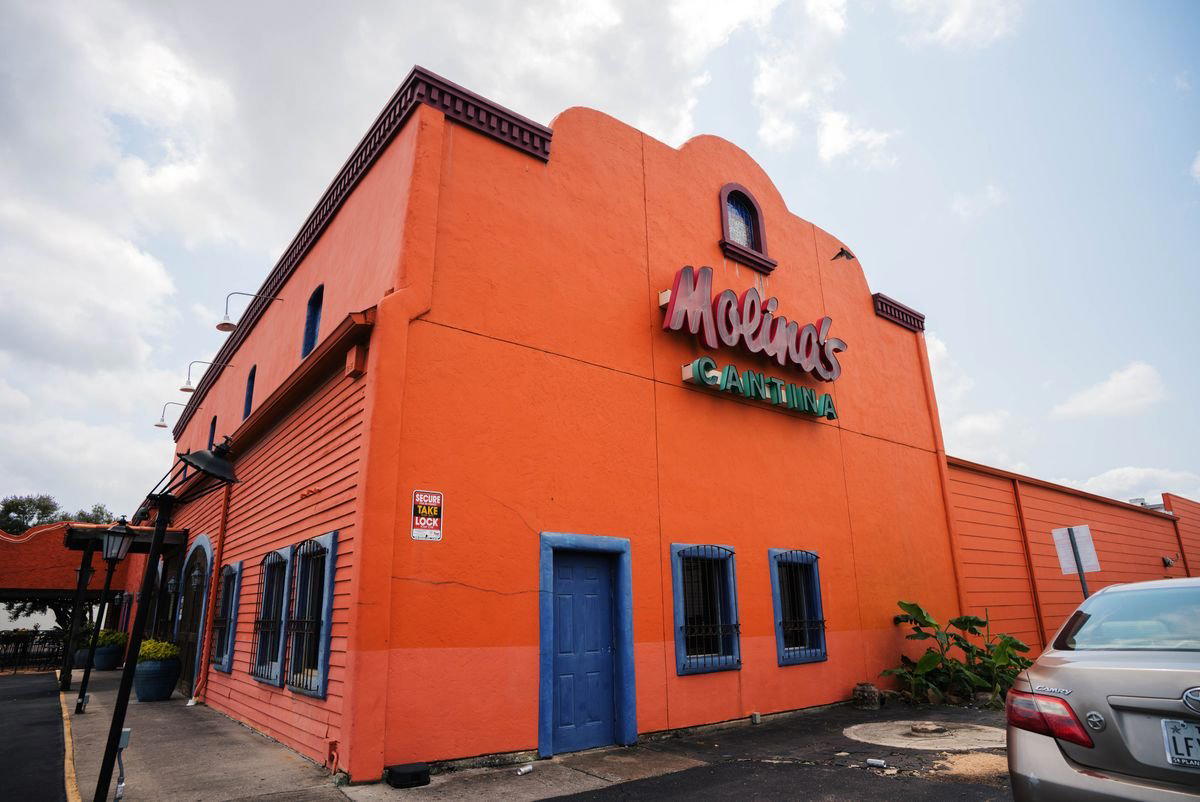
Where Tex-Mex Becomes a Structural Argument
On Westheimer Road, the sprawl of Houston's mid-city dining corridor runs through a stretch of strip malls, parking lots, and low-slung buildings that look undistinguished from the highway but contain a disproportionate share of the city's most consequential eating. Molina's Cantina at 7901 Westheimer is a Classic Tex-Mex restaurant with a casual dress code, walk-in-friendly service, and an average price of about $20 per person.
In Houston, Tex-Mex is not a subcategory. It is a defining pillar of the city's food identity, occupying roughly the same structural role that barbecue plays in Central Texas or that Vietnamese cooking plays along Bellaire Boulevard's corridor. Molina's Cantina has operated long enough to predate most of the city's current fine-dining generation, and that temporal positioning matters when you're reading what its menu says about the tradition it belongs to.
Reading the Menu as Architectural Document
The menu architecture at a long-running Tex-Mex cantina is worth examining as a record of how Mexican-American cooking was codified for mid-century Houston and has since resisted or absorbed outside pressure. The canonical structure, enchiladas anchoring combination plates, flour tortillas alongside corn, chile con queso as the non-negotiable opening move, is not accidental. It reflects a series of negotiated choices made over decades between kitchen tradition and what a Houston dining room expected.
Where contemporary Tex-Mex operators in Houston have increasingly split into two camps, the revisionist masa-forward kitchens exemplified by Tatemó and the traditionalist red-sauce houses that have held their format without apology, Molina's sits closer to the traditionalist register. The combination plate as a menu organizing principle is itself a statement: it tells you the kitchen believes in assembly and proportion over single-plate minimalism. Proteins, sauces, and starches arrive in calculated ratio, and the logic is cumulative rather than composed.
This contrasts sharply with how Houston's newer prestige kitchens structure their menus. At March, the Venetian-inflected tasting format runs sequentially through a single editorial argument. At Musaafer, the Indian menu operates as a regional survey. The Tex-Mex combination plate does something different: it offers simultaneous plurality, a table of contents rather than a narrative arc. That format has its own logic, and Molina's has been executing it long enough that it reads as institutional knowledge rather than stylistic choice.
Houston's Tex-Mex comparable set
Understanding where Molina's sits in Houston's current dining environment requires mapping the price tiers that Tex-Mex now occupies. The category has bifurcated meaningfully. At the lower end, fast-casual taco operators and counter-service taqueras dominate lunch traffic along Westheimer and further south. At the upper end, chefs trained in Mexico City kitchens or in technique-driven American restaurants have begun producing a different kind of Mexican cooking in Houston, one that prices in the range of BCN Taste and Tradition or Le Jardinier Houston and positions itself as fine dining with Mexican or Spanish reference points.
Molina's occupies a middle tier that has historically been one durable in Houston's Tex-Mex market: the sit-down cantina format with full bar, table service, and a menu that functions equally well for a weekday family dinner and a weekend group outing. This tier survives because it solves for social occasion rather than culinary ambition, and longevity here is a more reliable signal than award recognition.
Across the broader American dining scene, the institutions that have lasted at this tier, from the red-sauce Italian houses of New York to the French-Creole establishments in New Orleans like Emeril's, tend to share a common trait: they codified a local cooking language early and then held their position while more experimental formats rose and fell around them. The Tex-Mex cantina format in Houston operates by similar rules.
The Westheimer Address as Context
The Westchase and Westheimer corridor where Molina's operates is not Houston's most photographed dining district. That distinction belongs to Montrose, where the density of editorial attention and national press coverage is higher. But Westheimer's longer strip, running west from Montrose toward the Beltway, contains a different kind of institutional depth: restaurants that have survived multiple real estate cycles because they anchor a loyal, repeat customer base rather than tourist traffic or first-visit novelty seekers.
For visitors building a dining plan around Houston's full range, this part of the city adds a practical, easygoing option beyond Montrose or the Galleria.
Tex-Mex in National Perspective
Situating Molina's inside the national conversation about American regional dining requires acknowledging that Tex-Mex remains among the more under-discussed major American cooking traditions in prestige food media. Le Bernardin in New York, Alinea in Chicago, or The French Laundry in Napa accumulate credentials that a Tex-Mex cantina never will, regardless of how well it executes its format.
This credentialing gap does not reflect the actual dining significance of the category. Houston's relationship to Mexican-American cooking is as formative as San Francisco's relationship to farm-to-table (see Lazy Bear or Single Thread Farm for the prestige tier of that tradition) or Los Angeles's relationship to Pacific Rim cooking (Providence operates at the high end of that lineage). The difference is that Tex-Mex accrues its authority through daily volume and community function rather than through critical apparatus.
For readers who have spent time at Blue Hill at Stone Barns, Addison, The Inn at Little Washington, or Atomix, and who are building a more complete map of American dining, the Tex-Mex cantina tradition represents a different register entirely: one where the measuring stick is institutional continuity and community allegiance, not tasting note complexity. 8½ Otto e Mezzo Bombana in Hong Kong offers a useful international parallel: a kitchen that operates as a cultural touchstone for its city rather than as an evolving fine-dining project.
Comparable Spots
Comparable venues nearby, for context on price, style, and recognition.
| Venue | Cuisine | Price | Notes |
|---|---|---|---|
| Molina's CantinaThis venue — the venue you are viewing | Classic Tex-Mex | $$ | Not listed |
| Say No Mas | Bold Wood-Fired Tex-Mex | $$ | Lazybrook |
| La Tapatia | Authentic Mexican Taqueria | $$ | Museum District |
| Maderas | Modern Mexican | $$ | Midtown |
| Cyclone Anaya's | Polished Tex-Mex | $$ | Pemberton |
| Little Pappasito's Cantina | Tex-Mex Cantina | $$ | Upper Kirby |
Continue exploring
More in Houston
Restaurants in Houston
Browse all →
Bars in Houston
Browse all →
Hotels in Houston
Browse all →
At a Glance
- Classic
- Well Known
- Rustic
- Casual Hangout
- Family
- Group Dining
- Historic Building
- Craft Cocktails
Current opening hours
- Monday
- 11 am–9 pm
- Tuesday
- 11 am–9 pm
- Wednesday
- 11 am–9 pm
- Thursday
- 11 am–9 pm
- Friday
- 11 am–10 pm
- Saturday
- 11 am–10 pm
- Sunday
- 11 am–9 pm
Hours can change for holidays and private events. Last verified .
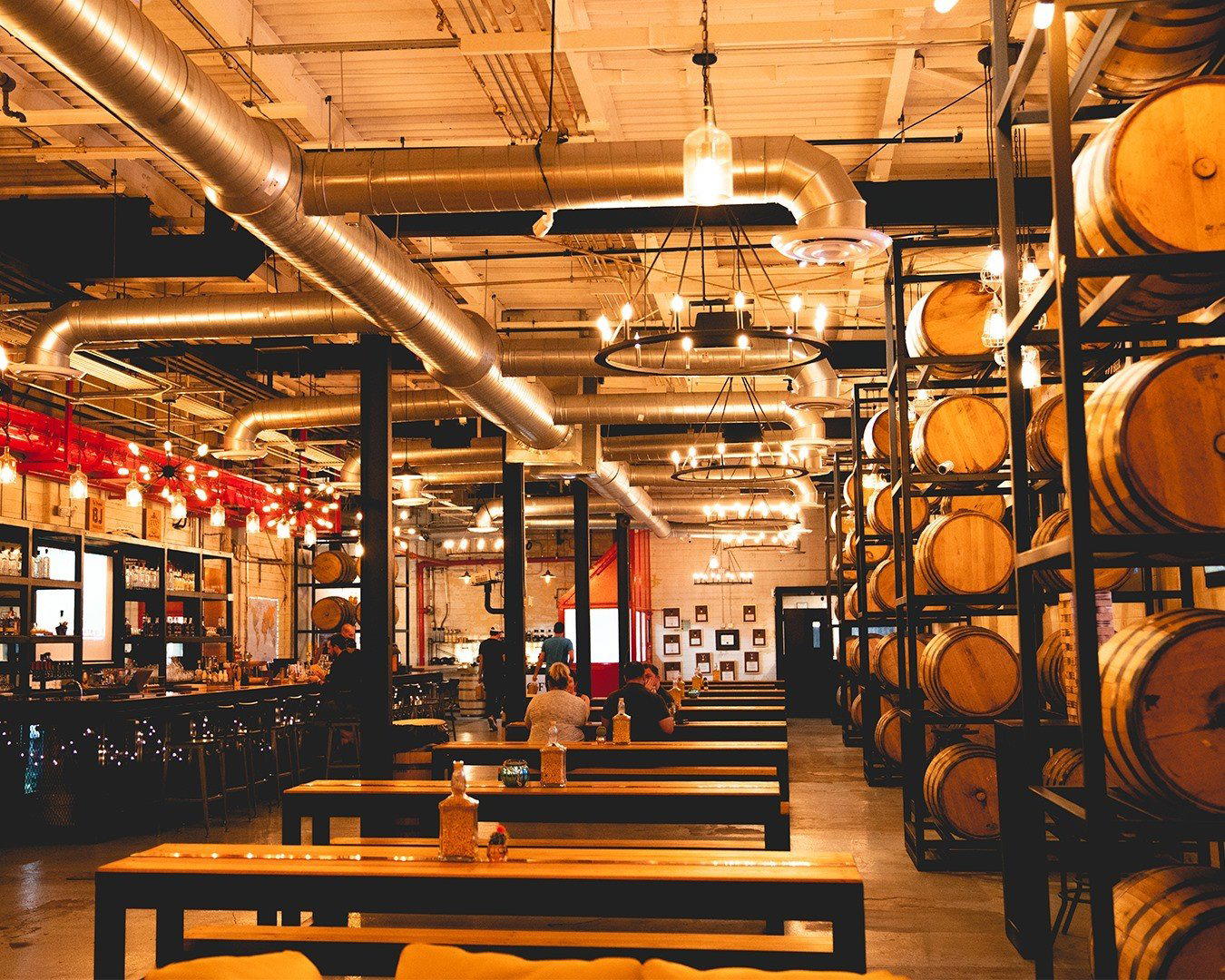
Casual, historic Tex-Mex atmosphere with a lively neighborhood feel and traditional family-run charm.