Minca Ramen Factory

Our verdict
When Shigeto Kamada opened Minca Ramen Factory on East 5th Street in 2004, New York's ramen scene was still thin by any serious measure. A Japanese expat and musician, Kamada wasn't building a restaurant concept so much as solving a personal problem: he wanted a bowl that tasted like home. That founding logic shaped everything about the place, from the unassuming storefront between Avenues A and B to the cramped interior with exposed brick and a jazz soundtrack running low in the background. The kitchen built its broth around a blended pork-and-chicken stock, combining tonkotsu richness with the cleaner lift of torigara, finished with shoyu tare and roasted garlic purée. That combination put Minca in a different register from the thicker, single-protein broths that would later dominate New York's ramen conversation. Spicy miso and shoyu variations rounded out the menu, and pricing stayed accessible throughout the restaurant's run, with bowls sitting in the moderate range that made the East Village location a practical choice as much as a deliberate one. Eater identified Minca as one of New York's oldest ramen restaurants before its closure, a designation that reflects both how early Kamada moved and how long the restaurant held its footing in a neighborhood that cycled through trends at pace. The East Village in 2004 had many cheap noodle counters, but few were working from a specifically Japanese regional reference point with this degree of consistency. Minca's longevity in that context is the credential worth noting. The restaurant has since closed. For those researching the history of New York ramen or the East Village dining scene of the 2000s and 2010s, Minca represents an early and influential data point: a small-format, owner-operated Japanese ramen shop that preceded the category's mainstream arrival in the city by several years and maintained a loyal local following on the strength of the bowl rather than any broader promotional apparatus.
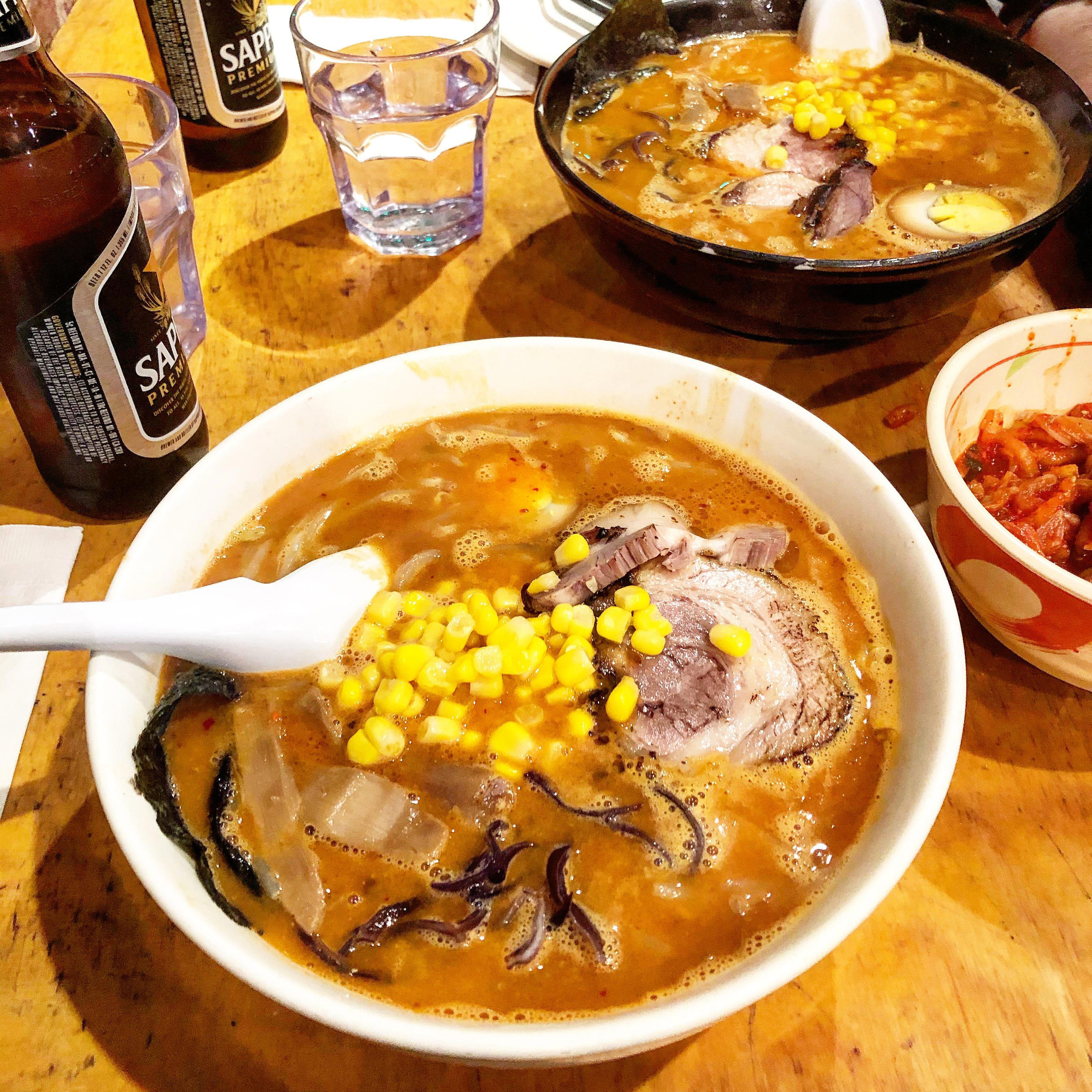
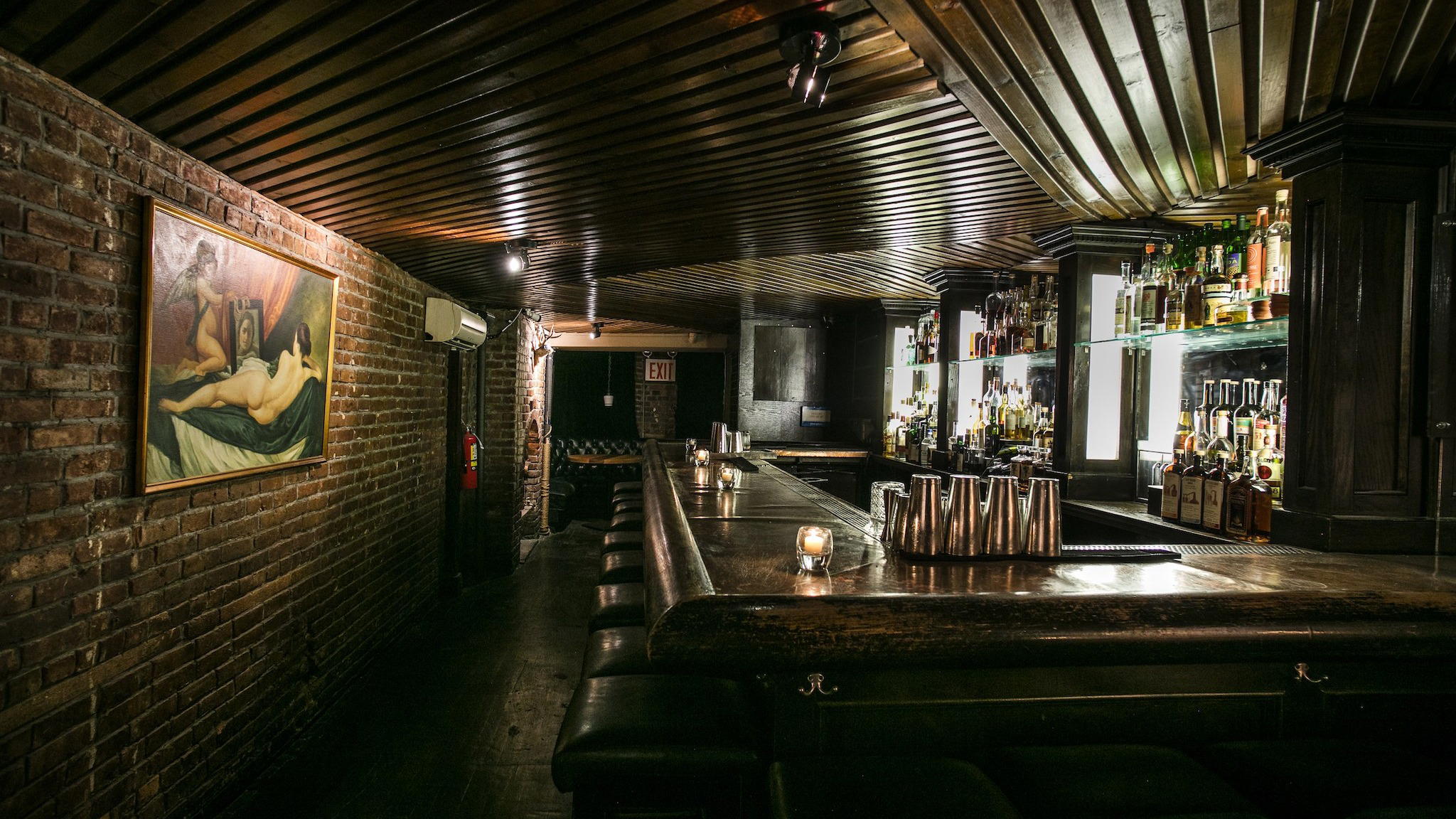
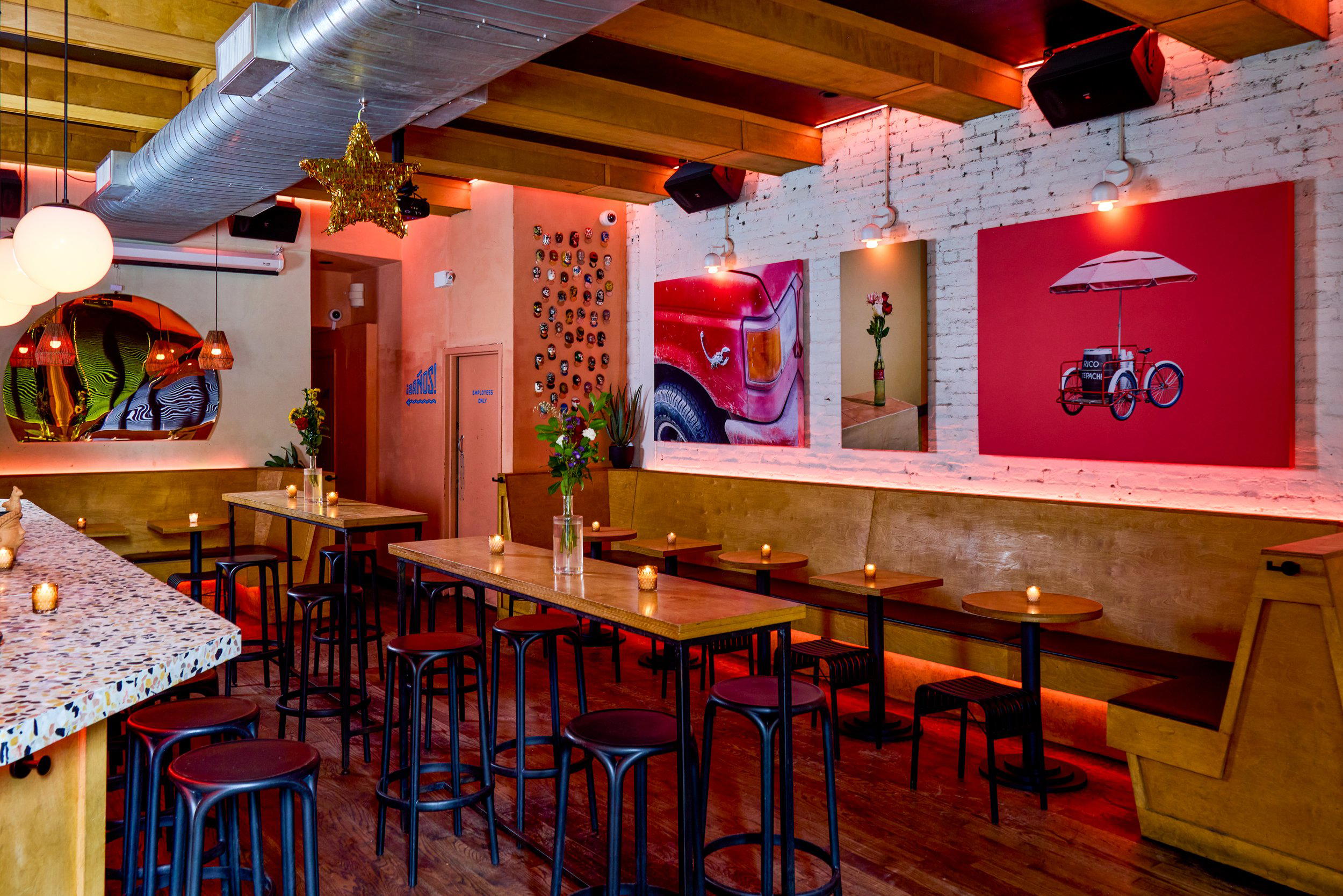
When Shigeto Kamada opened Minca Ramen Factory on East 5th Street in 2004, New York's ramen scene was still thin by any serious measure. A Japanese expat and musician, Kamada wasn't building a restaurant concept so much as solving a personal problem: he wanted a bowl that tasted like home. That founding logic shaped everything about the place, from the unassuming storefront between Avenues A and B to the cramped interior with exposed brick and a jazz soundtrack running low in the background.
The kitchen built its broth around a blended pork-and-chicken stock, combining tonkotsu richness with the cleaner lift of torigara, finished with shoyu tare and roasted garlic purée. That combination put Minca in a different register from the thicker, single-protein broths that would later dominate New York's ramen conversation. Spicy miso and shoyu variations rounded out the menu, and pricing stayed accessible throughout the restaurant's run, with bowls sitting in the moderate range that made the East Village location a practical choice as much as a deliberate one.
Eater identified Minca as one of New York's oldest ramen restaurants before its closure, a designation that reflects both how early Kamada moved and how long the restaurant held its footing in a neighborhood that cycled through trends at pace. The East Village in 2004 had many cheap noodle counters, but few were working from a specifically Japanese regional reference point with this degree of consistency. Minca's longevity in that context is the credential worth noting.
The restaurant has since closed. For those researching the history of New York ramen or the East Village dining scene of the 2000s and 2010s, Minca represents an early and influential data point: a small-format, owner-operated Japanese ramen shop that preceded the category's mainstream arrival in the city by several years and maintained a loyal local following on the strength of the bowl rather than any broader promotional apparatus.
Comparable venues nearby, for context on price, style, and recognition.
| Venue | Cuisine | Price | Awards | Notes |
|---|---|---|---|---|
| Minca Ramen FactoryThis venue (the venue you are viewing) | Ramen | Not listed | Not listed | Not listed |
| Shabu-Tatsu | Japanese Shabu-Shabu & Sukiyaki | $30–50 | Not listed | East Village |
| Ushiwakamaru | Japanese | Not listed | Not listed | Greenwich Village |
| Van Leeuwen Ice Cream | Artisan Ice Cream | $10–20 | Not listed | Williamsburg |
| Di An Di | Modern Vietnamese | $30–50 | Not listed | Greenpoint |
| Nowon | Korean-American Gastropub | $30–50 | World Best Burgers World's 101 Best Burgers #8 · World's Best Steaks 25 Best Burgers #15 | East Village |
Recognition history
Dated appearances from independent guides and award organizations, with the underlying list record or original source where available.
Opinionated About Dining Cheap Eats in North America Ranked #278
Opinionated About Dining
Full recognition history (3 entries)
Opinionated About Dining Cheap Eats in North America Ranked #432
Opinionated About Dining
Opinionated About Dining Cheap Eats in North America in Recommended
Opinionated About Dining
Continue exploring