Mikiya Wagyu Shabu House
Among San Diego's Japanese dining options, Mikiya Wagyu Shabu House on Convoy Street occupies a specific niche: premium hot-pot built around wagyu beef, where the quality of the raw material drives every decision at the table. It sits in the Kearny Mesa corridor that has long anchored the city's most serious Japanese cooking, and it operates at a price point and format that signals ingredient-led intent rather than casual throughput.
Pearl is the En Primeur Club membership app — saves, bookings, and concierge access live there. Same editors, same standards.
- Address
- 4225 Convoy St, San Diego, CA 92111
- Phone
- (858) 298-4255
- Website
- mikiyashabu.com
- Directions
- Get directions
 Saves & bookings on Pearl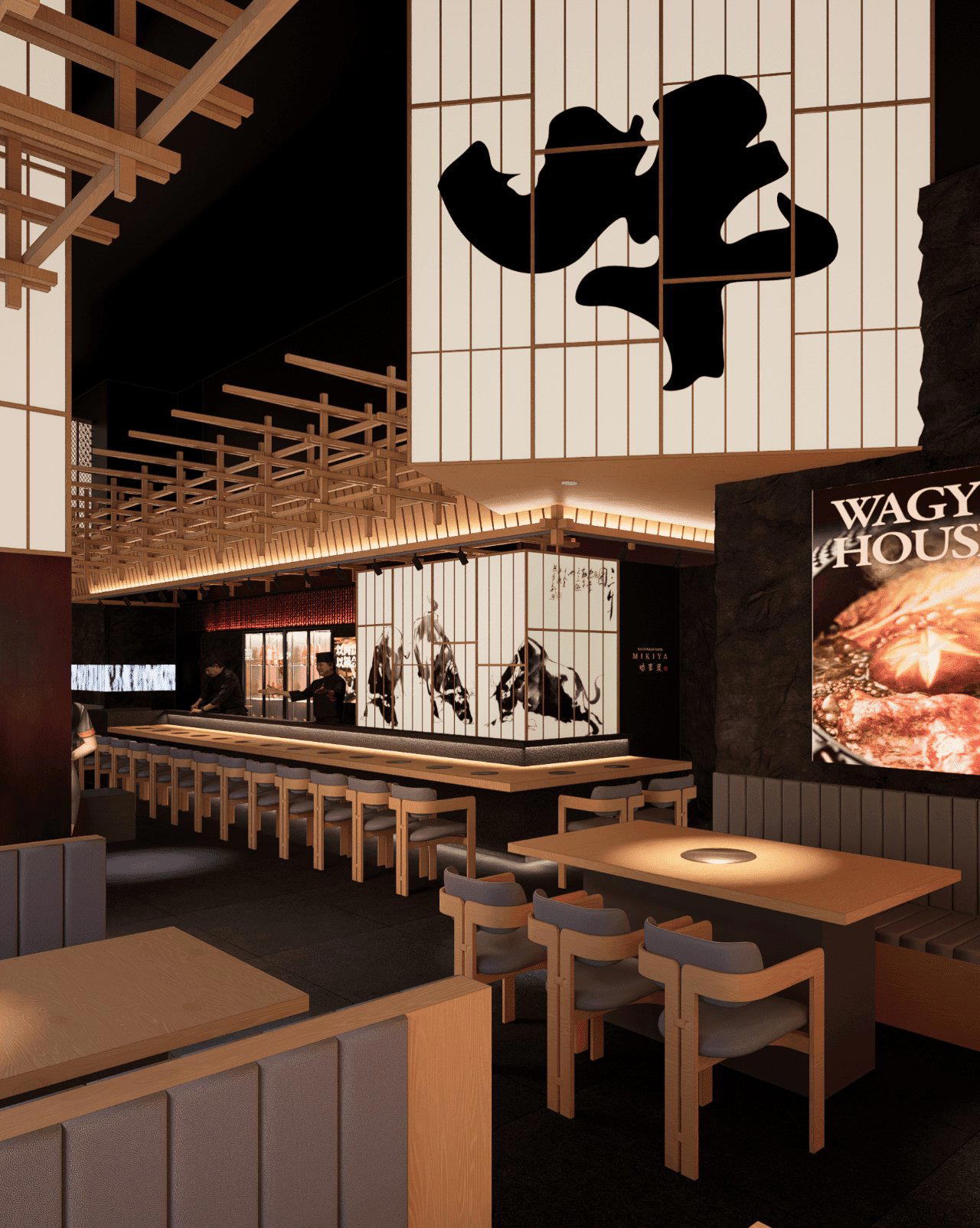
Convoy Street and the Raw-Material Logic of Shabu-Shabu
Mikiya Wagyu Shabu House is a restaurant in San Diego serving Premium Wagyu Shabu-Shabu at a $71 per person price point. Mikiya Wagyu Shabu House sits in this corridor at 4225 Convoy St, a placement that signals something before you open the door: this is not the city's tourist-facing Japanese dining scene. That scene, increasingly concentrated downtown and in the Gaslamp, runs on spectacle and fusion. Kearny Mesa runs on ingredient quality and repeat customers who can tell the difference.
Shabu-shabu as a format is built entirely on the quality of what goes into the pot. Unlike a composed dish, where technique can compensate for middling protein or a sauce can mask an underpowered broth, hot-pot cookery is transparent. The dashi base either has depth or it does not. The beef either melts correctly or it does not. The vegetables either finish cleanly in the broth or they go slack and tasteless. There is nowhere to hide, which means that a shabu-shabu restaurant making a premium wagyu claim is staking its reputation directly on procurement and sourcing. Mikiya's positioning around wagyu beef places ingredient provenance at the center of the dining proposition.
What Wagyu Means at This Price Tier
Wagyu has become a complicated word in American dining. At the lower end, it describes domestically cross-bred cattle that share some genetic lineage with Japanese breeds but are raised under entirely different conditions and graded on different scales. At the upper end, it describes A5-graded Japanese beef, typically from Kagoshima, Miyazaki, or Kobe prefectures, with marbling scores that produce fat-to-lean ratios unlike any other beef in the commercial market. The difference between these two categories at the table is not subtle.
San Diego's Japanese restaurant scene has a tiered structure worth mapping. At the leading, Soichi operates at the $$$$ price point with an omakase format that draws comparison to the leading counters in Los Angeles. Animae approaches Asian fine dining from a broader, more theatrical angle downtown. Addison at Fairmont Grand Del Mar works French technique with California sourcing at the city's highest price ceiling. Mikiya occupies a different and more specific slot: a format built around a single protein category and a cooking method that puts the diner in control of the result. That combination of premium ingredient and participatory cooking has a loyal comparable set, particularly among diners who have eaten shabu-shabu in Japan and want a comparable experience without flying to Tokyo.
The Format and What It Asks of the Diner
Shabu-shabu is not a passive dining format. The diner controls cooking time, which means the diner controls the result. Wagyu beef, particularly at the higher marbling grades, requires brief contact with hot broth, enough to change the color of the fat and warm the meat through, but not long enough to drive off the intramuscular fat that defines the eating quality. Overcooking A5 wagyu in a shabu pot is a common mistake among diners encountering the format for the first time, and it is one reason that ingredient-forward shabu-shabu restaurants benefit from a slightly more practiced clientele or attentive floor staff who can guide a table through technique.
The dashi base used in premium shabu-shabu is itself a statement of sourcing intent. A properly made kombu-and-katsuobushi dashi has a clean umami profile that carries the flavor of the beef without competing with it. Restaurants that cut corners on the broth, using powder-based stocks or adding too many aromatics, undermine the transparency that the format depends on. In the higher tiers of Japanese cooking across the United States, from Le Bernardin in New York City to Single Thread Farm in Healdsburg, the sourcing and preparation of foundational stocks and broths receives as much attention as protein selection. That same logic applies in a serious shabu-shabu context, where the broth is not background but load-bearing structure.
Kearny Mesa as a Dining Destination
Convoy Street's reputation among San Diego's Japanese and broader Asian dining community is not recent. The corridor has served as the city's most concentrated Asian food destination for decades, developing a density of restaurants, supermarkets, and specialty importers that allows ingredient sourcing at a level difficult to replicate in more scattered parts of the city. For a wagyu-focused restaurant, proximity to Japanese grocers, specialty butchers, and an informed customer base that understands the product is a meaningful operational advantage.
The neighborhood draws comparisons to similar corridors in Los Angeles's San Gabriel Valley or the Richmond District in San Francisco, though at smaller scale. What it shares with those areas is the absence of performative authenticity: the restaurants here are not decorating with cultural signifiers for an outside audience. They are cooking for people who eat this food regularly and notice when something is off. That context shapes what a restaurant like Mikiya can get away with, and what it cannot.
Planning Your Visit
Mikiya Wagyu Shabu House is located at 4225 Convoy St, San Diego, CA 92111, in the Kearny Mesa neighborhood. Hours are Monday through Thursday and Sunday from 11:30 AM to 10 PM, and Friday and Saturday from 11:30 AM to 11 PM. As a premium wagyu-focused operation in a category that rewards repeat familiarity, arriving with some understanding of shabu-shabu technique will improve the experience. The Convoy Street corridor is easiest to reach by car.
The Short List
Comparable venues nearby, for context on price, style, and recognition.
| Venue | Cuisine | Price |
|---|---|---|
| Mikiya Wagyu Shabu HouseThis venue — the venue you are viewing | Kearny Mesa, Premium Wagyu Shabu-Shabu | $$$ |
| Yoshino's | Uptown, Classic Japanese | $$ |
| Nobu San Diego | Downtown, New Style Japanese Peruvian | $$$$ |
| Rakiraki Convoy | Kearny Mesa, Japanese Ramen and Tsukemen | $$ |
| Downtown Sushi | Downtown, Sushi | $$ |
| Cardellino | Uptown, Italian Chophouse | $$$ |
Continue exploring
More in San Diego
Restaurants in San Diego
Browse all →
Bars in San Diego
Browse all →

At a Glance
- Modern
- Elegant
- Sophisticated
- Group Dining
- Celebration
- Special Occasion
- Open Kitchen
- Local Sourcing
Current opening hours
- Monday
- 11:30 AM–10 PM
- Tuesday
- 11:30 AM–10 PM
- Wednesday
- 11:30 AM–10 PM
- Thursday
- 11:30 AM–10 PM
- Friday
- 11:30 AM–11 PM
- Saturday
- 11:30 AM–11 PM
- Sunday
- 11:30 AM–10 PM
Hours can change for holidays and private events. Last verified .
Modern upscale dining with interactive tableside cooking experience centered around premium broth and wagyu beef.