


At the centre of Ourense's historic district, Miguel González operates a daily-changing surprise menu format anchored in Galician produce and technical contemporary cooking. Three tasting menus, named Auria, Cloe and Laia, shift according to what arrives each morning at market. The dining room occupies a space of high ceilings, marble floors and a partially exposed kitchen, a short walk from the As Burgas thermal springs.
Pearl is the En Primeur Club membership app — saves, bookings, and concierge access live there. Same editors, same standards.
- Address
- Av. Pontevedra, 17, 32005 Orense, Province of Ourense, Spain
- Phone
- +34 988 23 90 72
- Directions
- Get directions
 Saves & bookings on Pearl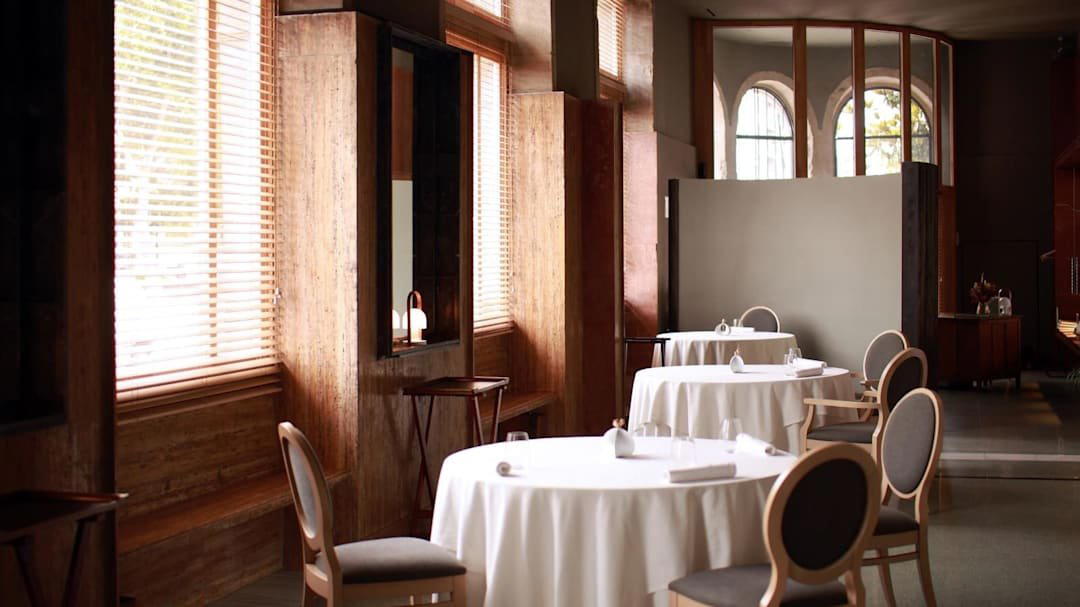
Where the Market Shapes the Menu
In Galicia, the relationship between kitchen and market is not a trend or a talking point — it is the structural logic of how serious cooking has always worked here. The region's producers set the pace: Atlantic shellfish, mountain mushrooms, river-caught trout, aged local cheeses. The leading kitchens follow, rather than lead. At Miguel González, this logic is formalised into the menu itself. Three tasting menus, named Auria, Cloe and Laia, are rewritten daily according to what the chef acquires each morning. There is no fixed printed card. Guests eat what the season and the Praza de Abastos — Ourense's covered market, directly adjacent to the restaurant, have decided that day.
This is a format more common in the ambitious dining rooms of San Sebastián or among the experimental houses of Catalonia, such as Disfrutar in Barcelona or El Celler de Can Roca in Girona, than in the mid-sized Galician interior. That Miguel González practises it in Ourense, and does so through a philosophy the kitchen labels #novaleparar (never stop), positions the restaurant within the wider Spanish contemporary fine dining current that runs from Arzak in San Sebastián through to Quique Dacosta in Dénia: technically disciplined cooking that remains tethered to regional identity rather than pursuing novelty for its own sake.
The Room and the Setting
The physical experience of arriving at Miguel González carries some weight on its own. The restaurant sits on Avenida de Pontevedra, in the historic centre of Ourense, within walking distance of the As Burgas thermal springs, which have defined this corner of Galicia since Roman times. The proximity is not merely geographic: it reinforces the sense that this is a city with deep material roots, and that the kitchen is working from within that tradition rather than against it.
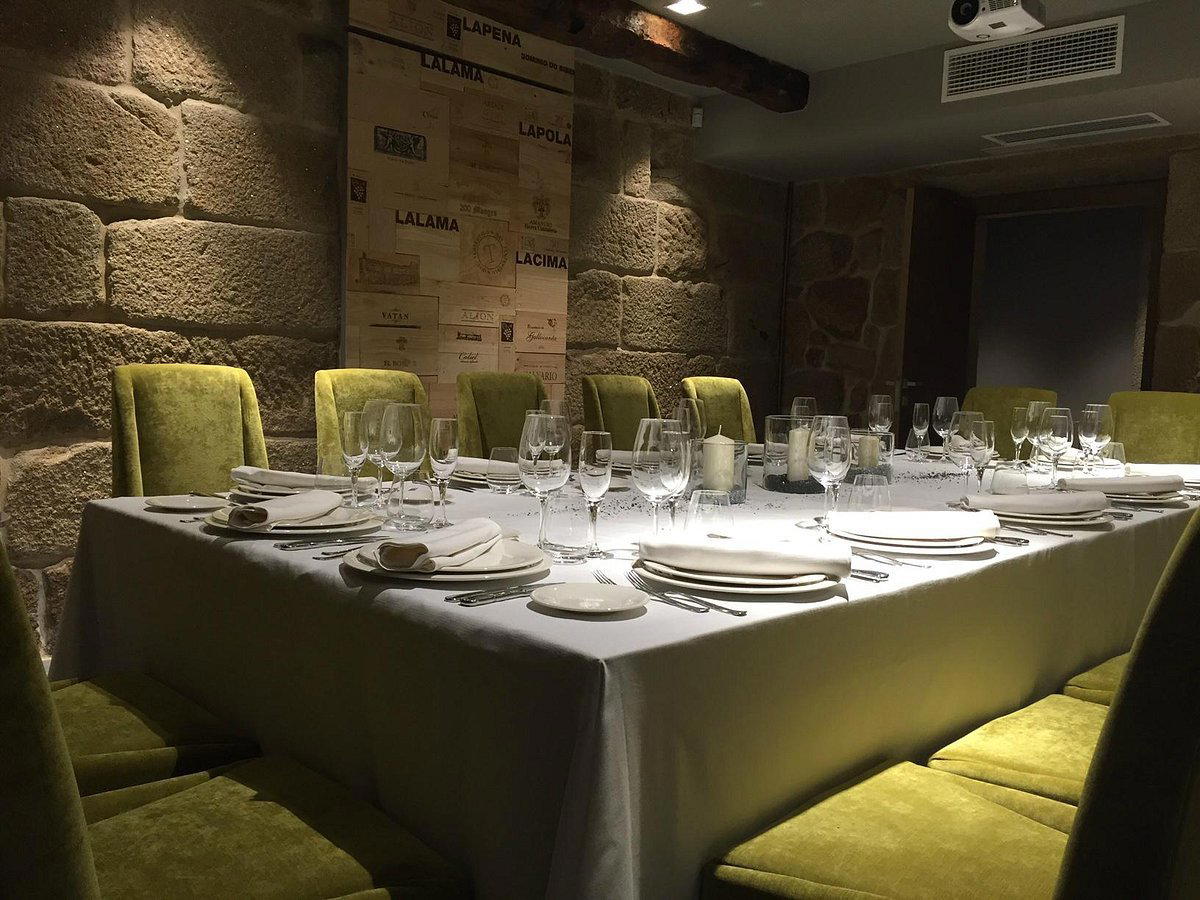
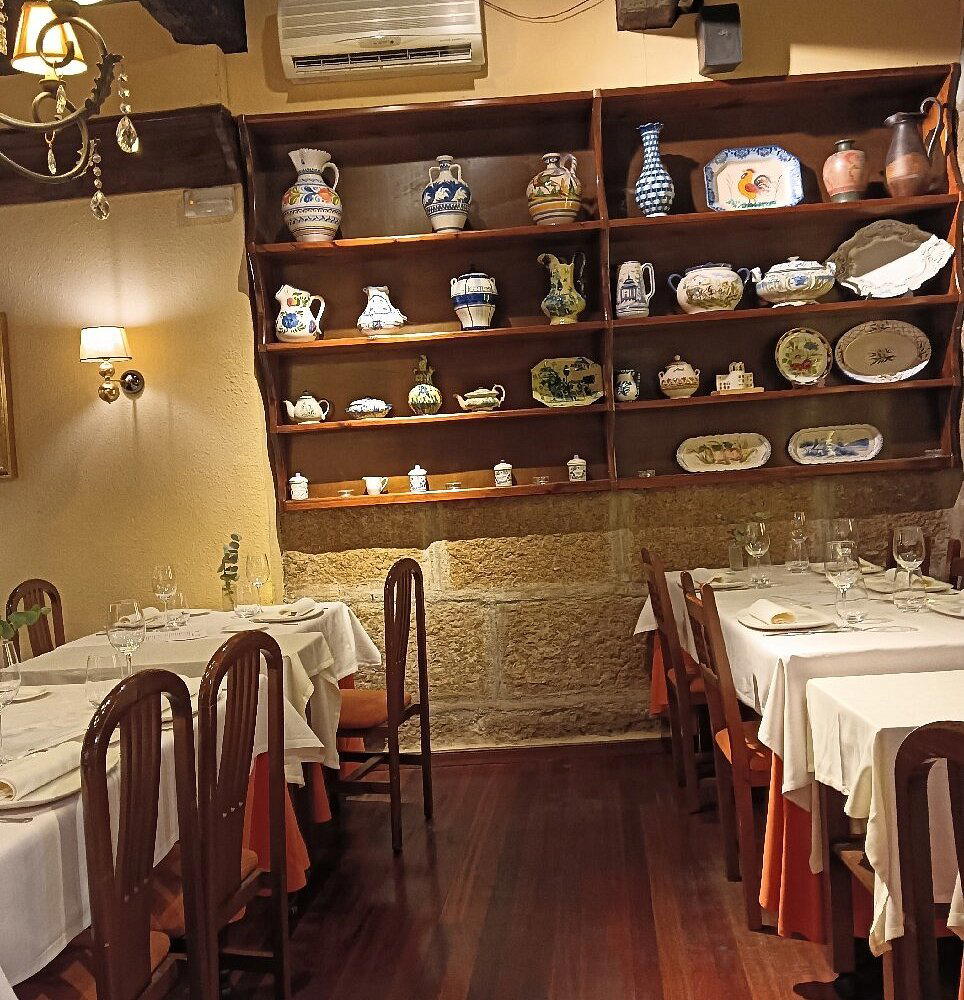
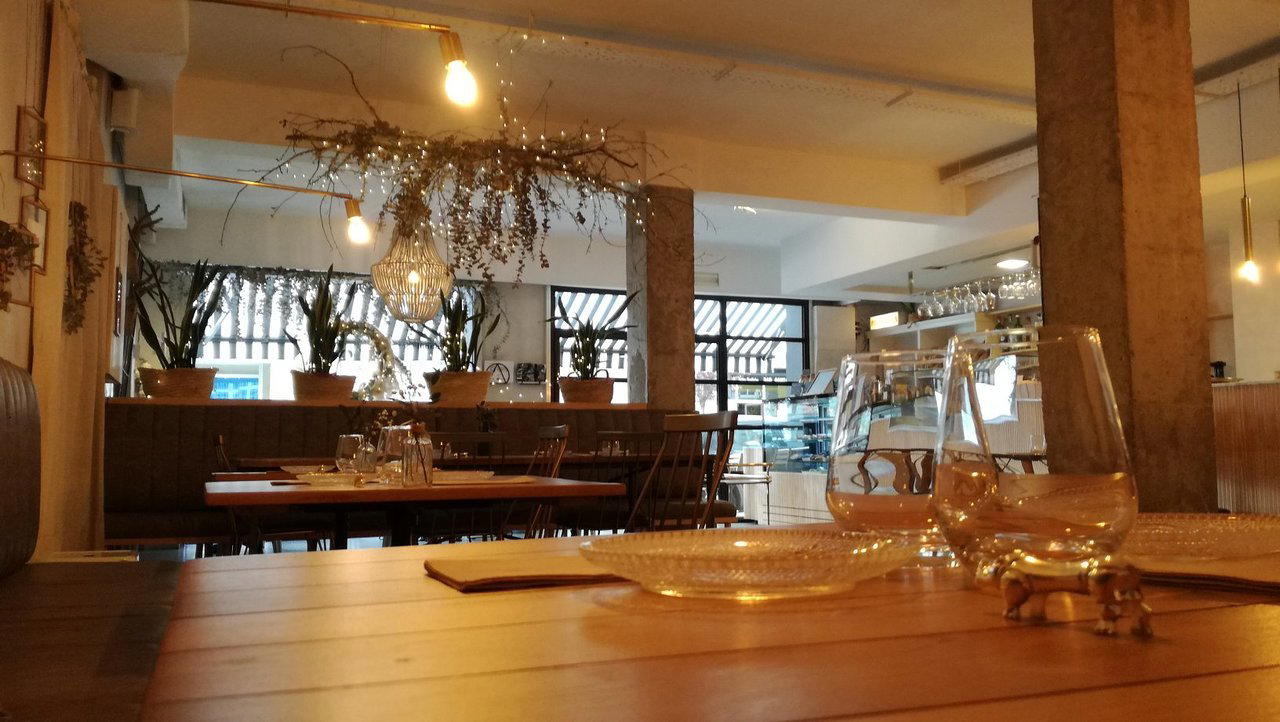
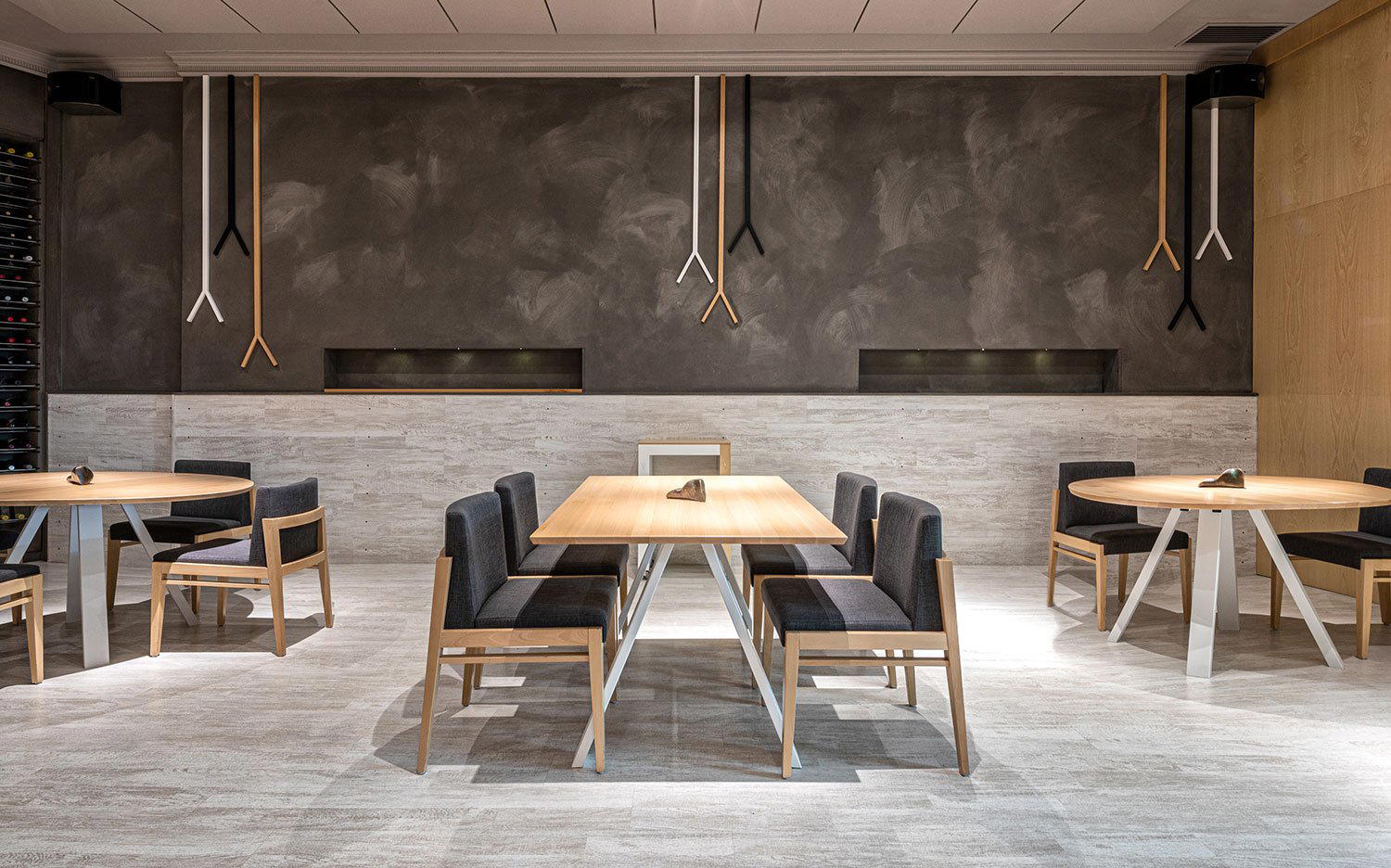
Inside, the dining room combines high ceilings and marble floors with contemporary furniture, and a partially exposed kitchen allows a degree of theatre without making spectacle the point. It is a room that suggests historical continuity without being frozen in it, the kind of space where the architecture quietly authorises what arrives on the plate.
The Menus: Structure and Flexibility
The three menu levels, Auria, Cloe and Laia, offer different depths of engagement with the kitchen's daily programme. Across all three, guests can supplement with a board of Galician cheeses and, where relevant, a wine pairing. Galicia's wine production has gained serious international recognition in recent years, with Rías Baixas Albariño leading the charge; a pairing here logically draws on those regional references, though the daily-shifting format means the wine programme must be as responsive as the food. For a broader picture of what Ourense's wine scene looks like, our full Ourense wineries guide covers the region's producers in detail.
One dish from the kitchen's output that has drawn particular attention: peas with veal sweetbread, bacon and chanterelle mushrooms. The combination is classically Galician in its ingredient logic, offal, fungi, legumes, but the execution is technical and contemporary. It is the kind of dish that illustrates how the kitchen thinks: memory as a starting point, technique as the method, the market as the constraint that keeps it honest.
Ourense's Dining Tier
Ourense occupies an interesting position within Spanish gastronomy. It lacks the international profile of the Basque Country or Barcelona, and its thermal springs attract a different traveller than the coastal Galician cities. But the city has been quietly building a restaurant scene with more range and ambition than its size would suggest. At the top of the market, Ceibe operates at the €€€€ tier with a Galician focus. Nova runs a contemporary programme at €€€. Pacífico offers modern cuisine at the more accessible €€ level.
Miguel González sits within this local structure as the kitchen that moved from the city's outskirts into the historic centre, a shift that signals growing confidence and a deliberate bid for a broader audience. For context on what surrounds it in the city more broadly, our full Ourense restaurants guide maps the wider field.
Among Spain's leading addresses, the technical ambition on display here connects to a national conversation that includes Aponiente in El Puerto de Santa María, Azurmendi in Larrabetzu, and DiverXO in Madrid, kitchens that have each claimed Spanish fine dining's international standing. Miguel González is not in that tier by recognition, but the format and philosophy share the same underlying commitment to daily reinvention over static menus. Further afield, the discipline of a fully improvised programme also echoes in internationally recognised addresses like Martin Berasategui in Lasarte-Oria, Le Bernardin in New York City, or Atomix in New York City, where the commitment to product and technique above all else defines the category.
Planning Your Visit
Miguel González is located at Avenida de Pontevedra 17, in Ourense's historic centre. The restaurant is positioned within easy reach of the Praza de Abastos market and the As Burgas thermal springs, making it a natural anchor for a longer afternoon in the old town. Given the daily-changing menu format and the restaurant's move to a more central, visible location, booking ahead is advisable, the format attracts repeat visitors who return to see how the menus shift across visits, which means tables fill at a faster rate than the space alone would suggest. For logistics on where to stay nearby, our full Ourense hotels guide covers the options. For what to do around the meal, our Ourense experiences guide and Ourense bars guide provide the before and after.
Price and Recognition
| Venue | Cuisine | Price | Awards |
|---|---|---|---|
| Miguel González | Not listed | In the heart of the historic centre of Ourense, and a few steps from both the Praza de Abastos and the iconic As Burgas thermal spring, this restaurant gives new impetus to the culinary philosophy of chef Miguel González, which until now shone like a hidden gem on the outskirts of the city. In its elegant dining room, which has a partially exposed kitchen and is not without a certain historical air, combining high ceilings and marble floors with comfortable contemporary furniture, you can discover the cuisine of memory, sensations and improvisation that the chef has always associated with the concept of ‘#novaleparar’ (#neverstop). The cuisine, technical and contemporary, takes shape through three surprise menus, as they redefine their dishes daily according to the products acquired each day: Auria, Cloe and Laia (in all of them it is possible to add a board of Galician cheeses and a wine pairing). A dish that won us over? Their wonderful peas with veal sweetbread, bacon and chantarelle mushrooms. | This venue |
| Ceibe | Galician | €€€€ | Michelin 1 Star |
| Nova | Contemporary | €€€ | Michelin 1 Star |
| Pacífico | Not listed | €€ | Modern Cuisine, €€ |
Recognition history
Dated appearances from independent guides and award organizations, with the underlying list record or original source where available.
Guía Repsol 1 Sol
Guía Repsol
Macarfi 8.4 Food Rating
Macarfi
Michelin 1 Star
Michelin
Continue exploring
More in Ourense
Restaurants in Ourense
Browse all →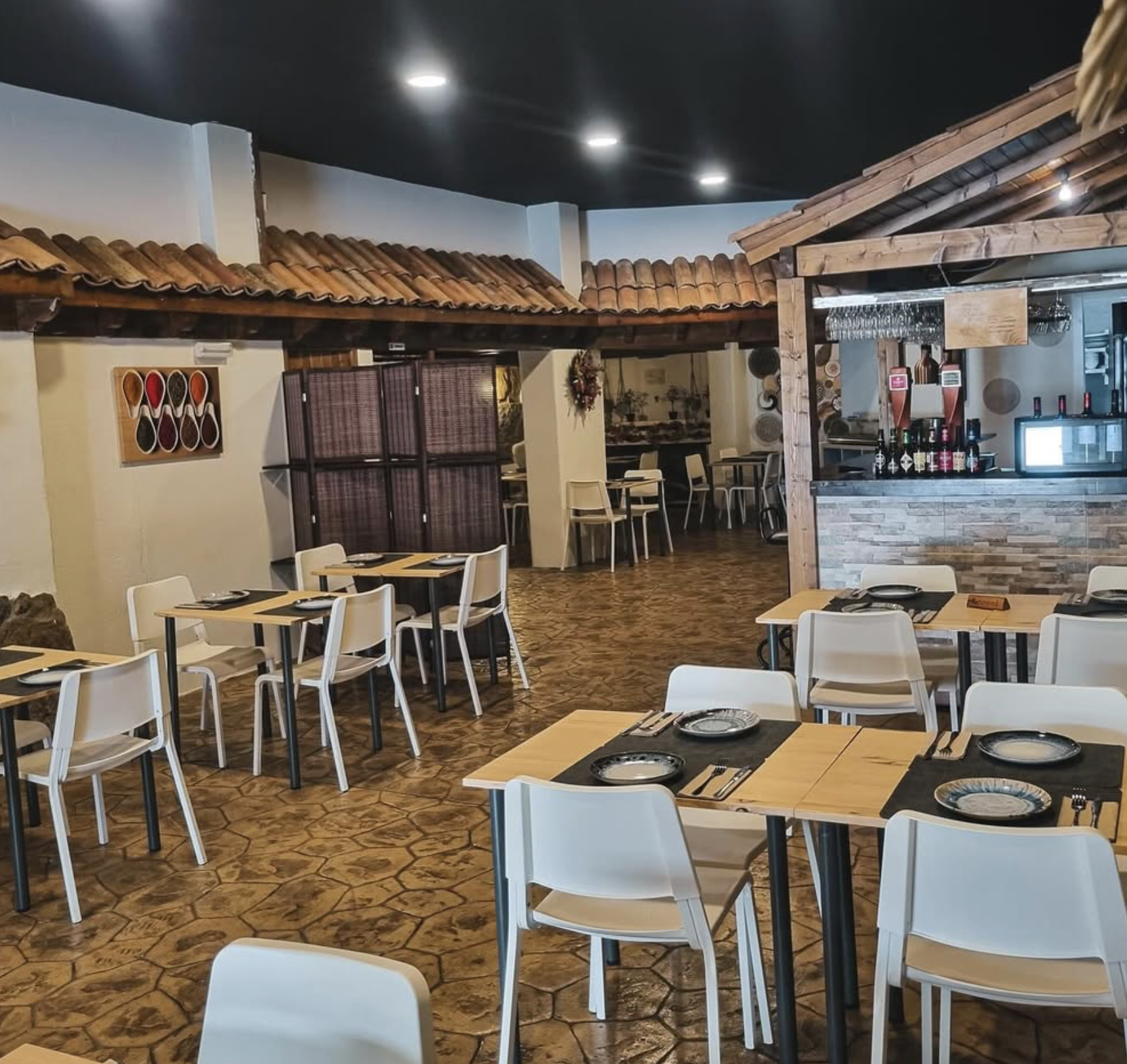

At a Glance
- Elegant
- Intimate
- Sophisticated
- Cozy
- Date Night
- Special Occasion
- Celebration
- Open Kitchen
- Extensive Wine List
- Local Sourcing
Current opening hours
- Monday
- 1:30–3 PM
- Tuesday
- 1:30–3 PM
- Wednesday
- 1:30–3 PM, 8:30–10 PM
- Thursday
- 1:30–3 PM, 8:30–10 PM
- Friday
- 1:30–3 PM, 8:30–10 PM
- Saturday
- 1:30–3 PM, 8:30–10 PM
- Sunday
- Closed
Hours can change for holidays and private events. Last verified .
Elegant dining room with high ceilings, marble floors, warm lighting, partially exposed kitchen, and a calm, relaxed historical atmosphere.
Know Before You Go
- Getting there
- Av. Pontevedra, 17, 32005 Orense, Province of Ourense, Spain