Our verdict
Miaokou Black Tea is a long-standing fixture of Hualien's Miaokou night market, known for its cold-brewed black tea served in a format that has changed little across decades. The stall operates as a ritual stop rather than a destination in isolation, positioned within one of eastern Taiwan's most concentrated street food corridors alongside vendors selling scallion pancakes, beef noodles, and fresh-pressed juices.

Pearl is the En Primeur Club membership app — saves, bookings, and concierge access live there. Same editors, same standards.
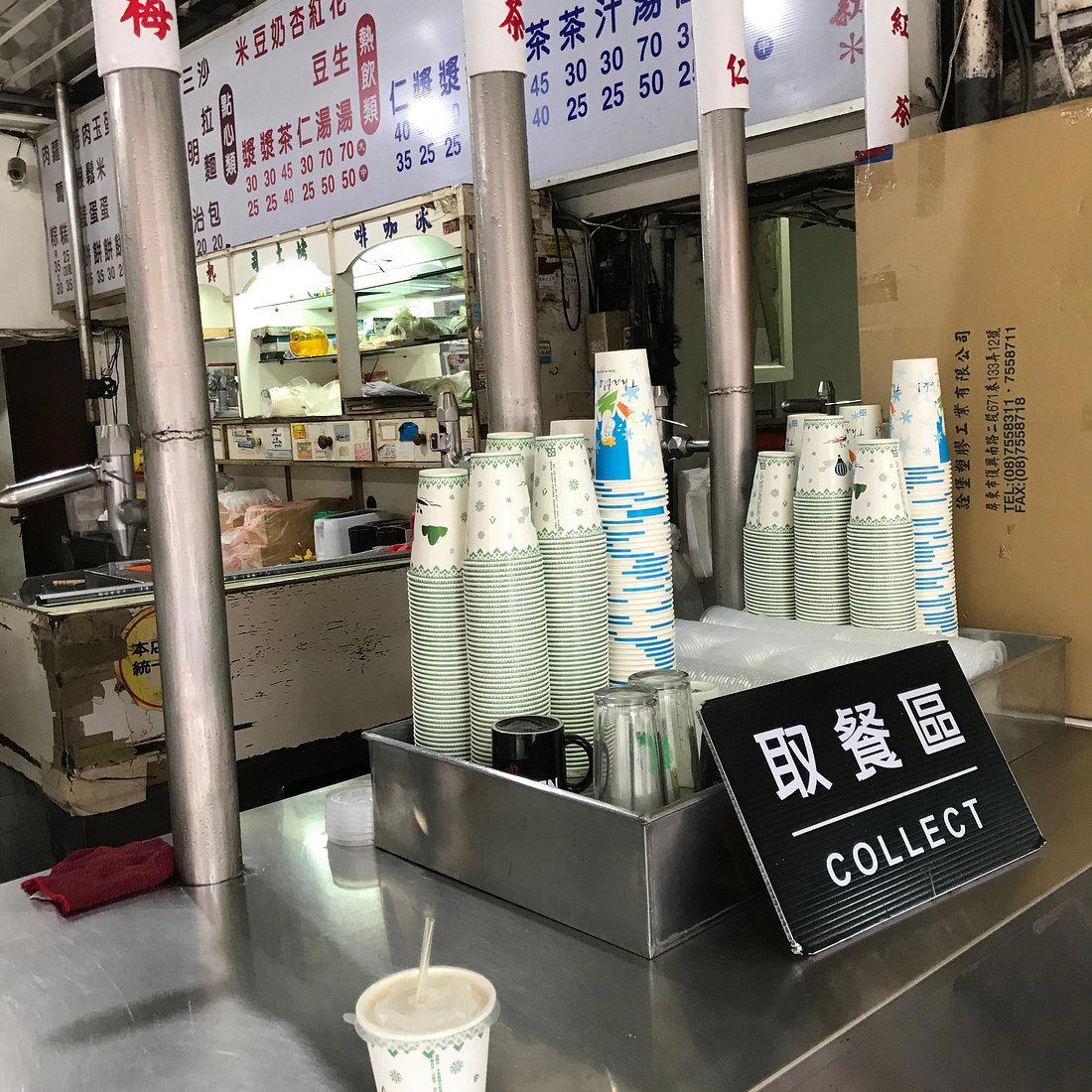
The menu
What to order
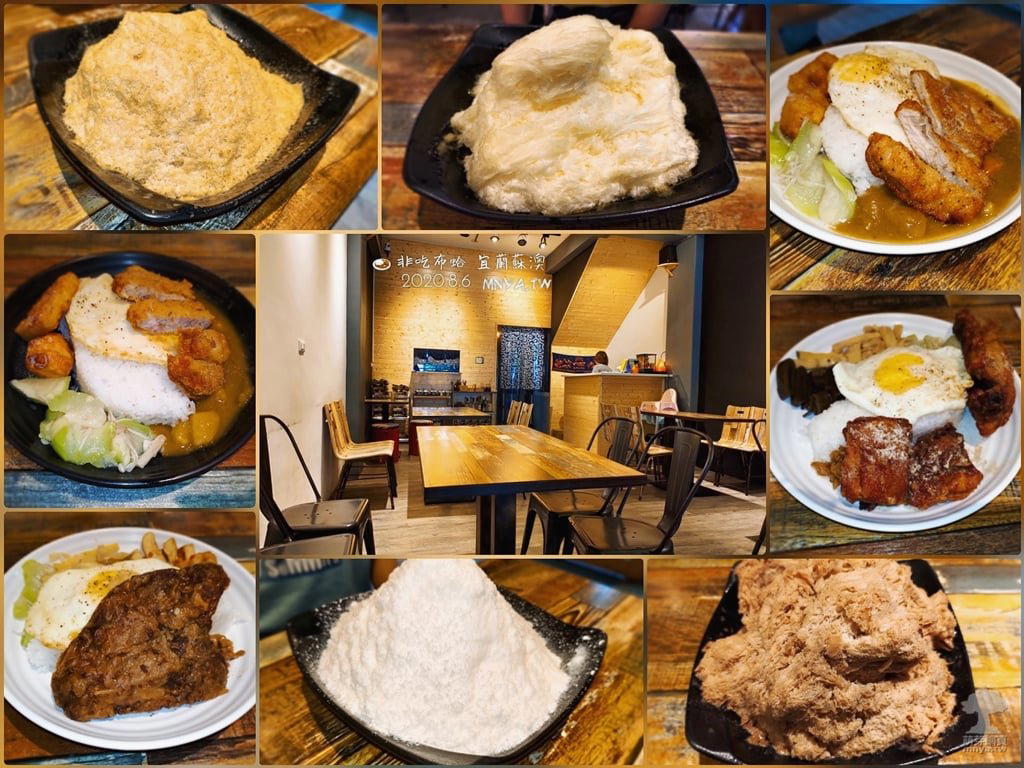
- Black tea
- Egg pancakes
- Peanut soup
- Almond tea
The Ritual of the Cup: Street Tea Drinking in Eastern Taiwan
In Hualien's Miaokou night market, the act of ordering tea is less transactional than ceremonial. Crowds funnel through a corridor where the air carries grilled meat, sesame oil, and sugar cane, and amid that density, a plastic cup of cold black tea functions as both refreshment and punctuation mark between dishes. Miaokou Black Tea occupies a specific role in this ecosystem: not as a standalone destination, but as the palate-resetting counterpoint to the heavier, saltier vendors on either side. The cup arrives cold, lightly sweetened, and without ceremony. That restraint is the point.
Street tea culture in Taiwan differs substantially from the bubble tea format that has become globally familiar. Where bubble tea is a meal-adjacent construction of toppings, syrups, and milk bases, the tea served at stalls like this one is built around clarity: a single steep, cooled and poured to order, designed to accompany eating rather than replace it. The tradition traces to the post-war period when tea cultivation expanded across central and eastern Taiwan, and surplus leaf found its way into market stalls as an affordable, widely accessible drink. Hualien, positioned along the eastern rift valley where tea gardens occupy the foothills behind the city, developed its own local supply lines that remain active today.
Miaokou as a Scene, Not a Stop
Understanding Miaokou Black Tea requires understanding the night market it inhabits. The Miaokou district in central Hualien is one of the city's oldest commercial corridors, centered on a temple forecourt that generates foot traffic from early evening until well after midnight. The density of vendors here is characteristic of Taiwan's temple market format: stalls cluster around religious sites because pilgrims and worshippers historically created the concentrated demand that made small-margin food businesses viable. That logic still holds. The crowd at Miaokou on any given evening skews local rather than tourist-heavy, which keeps pricing sharp and quality under genuine community pressure.
Within that market, tea stalls serve a functional social role. Groups moving between vendors use them as meeting points. Solo diners use them as a reason to pause. The pacing of a Miaokou evening is not the rushed, counter-to-counter movement of a food hall but something slower: a circuit made over ninety minutes or two hours, with the tea vendor marking intervals. That rhythm is worth preserving if you visit. Arriving with the intent to eat quickly and leave extracts the least from the experience. Treating the market as a sequence of small rituals, with the tea stall as one of them, extracts considerably more.
For broader context on how Hualien's eating culture is structured across neighbourhood types and meal formats, our full Hualien restaurants guide maps the city's key food corridors from the waterfront to the central market blocks. Nearby vendors like Gongzheng Street Baozi and Min Yue Shitang Restaurant operate in adjacent registers, with baozi and rice-set formats that pair directly with a cold tea as a closing note.
Where This Sits in Taiwan's Drinking Tradition
Taiwan's tea geography is layered. The island produces some of Asia's most traded oolongs at altitude in Alishan and Li Shan, and fine tea culture is a documented export industry. But street-level tea consumption operates on a parallel track, where the goal is not appreciation of terroir or processing nuance but consistency, volume, and price accessibility. A cup at a night market stall is priced to be replaced, not savored at length. That is not a diminishment. It reflects a different set of values: communal access, everyday ritual, and the understanding that good tea does not require a ceremony room to be worth drinking.
At the higher end of Taiwan's dining scene, venues like logy in Taipei, JL Studio in Taichung, and GEN in Kaohsiung engage with local ingredients, including tea derivatives, within constructed tasting formats at $$$$ price points. A Xia in Tainan approaches Taiwanese culinary heritage from a formal dining perspective. These venues represent one end of the spectrum. Miaokou Black Tea represents the other: the unreconstructed, sub-dollar version of the same food culture, running continuously in the same spot for decades and serving the same local population that makes the broader tradition meaningful in the first place.
Internationally, the contrast is even starker. Venues like Le Bernardin in New York City and Atomix in New York City represent the formal tasting-menu pole of food culture. Night market stalls like this one are the structural opposite: no reservation, no sequence, no narrated service. What they share is precision of purpose. Both formats know exactly what they are delivering and to whom.
Planning Your Visit
The Miaokou market operates on an evening schedule, with stall activity typically beginning in the late afternoon and running past midnight on weekends. No reservation is needed or possible. Seating, if available, is communal and informal. The practical approach is to arrive after 6pm when the market reaches full density, order tea early as a way to settle into the rhythm of the space, and build your eating circuit from there. Pricing at stalls in this tier is uniformly low; carrying small-denomination cash in New Taiwan Dollars remains the practical standard, as card acceptance is inconsistent across individual vendors.
For visitors spending more than a single evening in Hualien, the market rewards repeat visits at different times. Early in the evening, the crowd is local and the pace is relaxed. By 9pm on weekends, density increases and the energy shifts. Both are worth experiencing as distinct readings of the same space.
Across eastern Taiwan, comparable street food rituals operate in different registers: Chenggong Douhua offers the region's tofu pudding tradition further south along the coast, while Ah Zhen Rou Bao in Lukang and Golden Formosa Taiwanese Cuisine extend the map of heritage Taiwanese food formats worth seeking across the island. Within the broader night market and street food category, GARDENh in Yonghe District and Volcanic rock in Zhubei City represent urban-fringe eating scenes that follow a different but related logic of neighbourhood-level ritual food culture.
Frequently asked questions
Can I bring kids to Miaokou Black Tea?
The Miaokou night market in Hualien is an open-air street environment with no age restrictions. Families with children are a common presence at the stalls, particularly in the early evening hours before the crowds peak. Cold tea drinks are generally low in caffeine relative to espresso-based beverages, making them manageable for older children, though parents should judge individual suitability.
What is the atmosphere like at Miaokou Black Tea?
Miaokou sits within one of central Hualien's oldest market corridors, where vendor stalls line a corridor dense with foot traffic from early evening onward. The setting is functional and communal rather than designed — shared plastic stools, fluorescent lighting, and the ambient noise of a working night market. Ordering tea here is a street ritual embedded in the broader Miaokou district scene, not a sit-down occasion.
How does Miaokou Black Tea differ from Taiwan's high-altitude fine tea tradition?
Taiwan's most traded oolongs come from mountain growing regions like Alishan and Li Shan, where elevation and mist conditions shape the leaf profile. Miaokou Black Tea in Hualien operates in an entirely different register — a street-facing stall where cold brewed black tea is served quickly and affordably within a night market context. The two traditions coexist on the island but address different occasions: one is a collector's pursuit, the other is a daily urban ritual rooted in the eastern coastal city's street culture.
What should I eat at Miaokou Black Tea?
Miaokou Black Tea is a drink stall rather than a food vendor, so the focus is the tea itself rather than a food menu. The surrounding Miaokou night market in Hualien offers a wide spread of eastern Taiwan street food — scallion pancakes, oyster vermicelli, and pork rice are fixtures of the district — making it practical to order food from neighbouring stalls and pair it with tea from the counter.
Is Miaokou Black Tea reservation-only?
No reservation is required or possible. Miaokou Black Tea operates as a street stall within Hualien's Miaokou night market, running on a walk-up, order-at-the-counter basis. The market runs on an evening schedule, with activity typically starting in the late afternoon and extending past midnight on weekends.
Cuisine-First Comparison
| Venue | Cuisine | Price | Awards | Notes |
|---|---|---|---|---|
| Miaokou Black TeaThis venue (the venue you are viewing) | Traditional Taiwanese Breakfast & Black Tea | $1–10 | Not listed | Not listed |
| JL Studio | Modern Singaporean Cuisine | $100–150 | 3 Michelin Stars · World's 50 Best #50 | Modern Singaporean, Singaporean |
| logy | Modern Japanese-Taiwanese Fusion Omakase | $100–150 | 2 Michelin Stars · World's 50 Best #22 | Modern European, Asian Contemporary |
| Le Palais | Fine Dining Cantonese | $150–200 | 3 Michelin Stars · La Liste Top Restaurants | Cantonese |
| Taïrroir | Taiwanese-French Fusion Fine Dining | $150–200 | 3 Michelin Stars · La Liste Top Restaurants | Taiwanese/French, Taiwanese contemporary |
| Mudan Tempura | Michelin-Starred Tempura | Not listed | 2 Michelin Stars · La Liste Top Restaurants | Tempura |
Continue exploring
More in Hualien
Restaurants in Hualien
All restaurants in Hualien →
Details
- Rustic
- Cozy
- Classic
- Casual Hangout
- Late Night
- Historic Building
- Sake Program
- A La Carte
- Black Tea
- Vegetarian Friendly
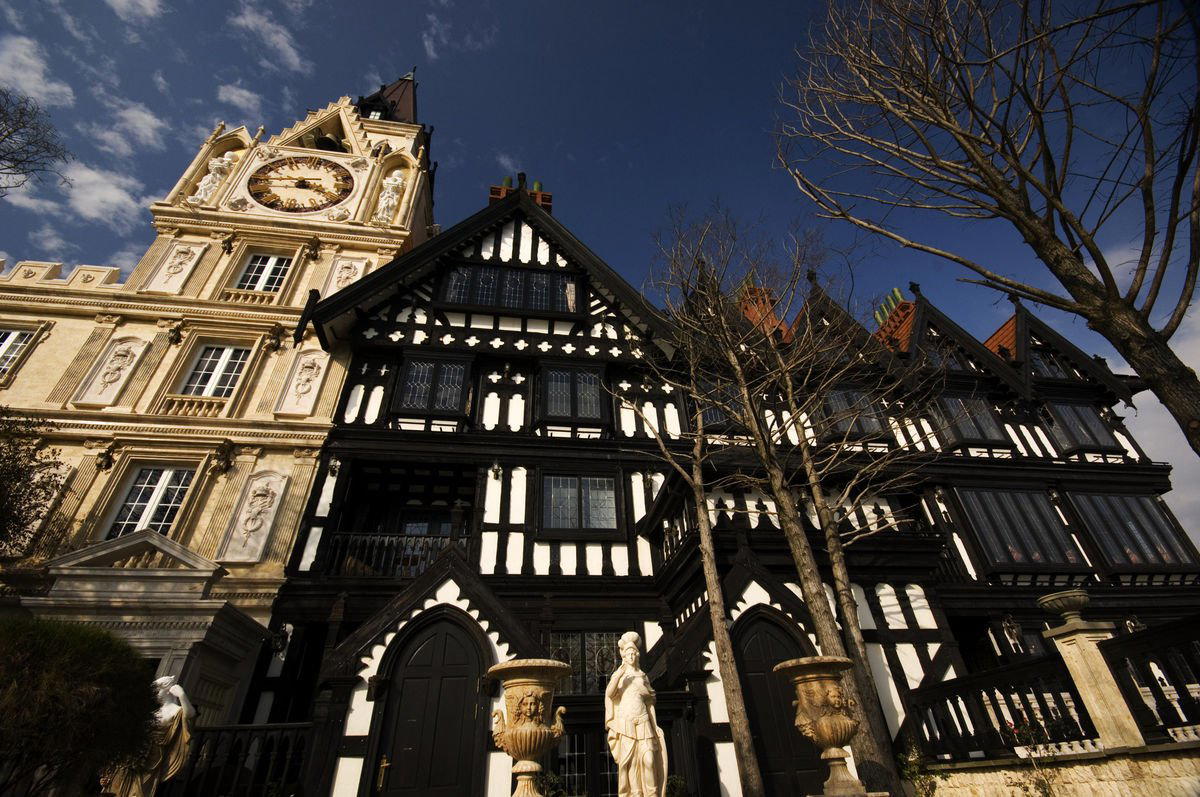
Nostalgic old-shop atmosphere with preserved yesteryear structure and decorations in a tucked-away alley location.