Our verdict
Min Yue Shitang Restaurant brings the flavours of traditional Taiwanese home cooking to Hualien, a city where indigenous Amis ingredients and Hakka culinary threads run through nearly every meal. The kitchen reflects the kind of cooking rooted in family-style generosity rather than formal precision. For visitors looking beyond tourist circuits, it represents everyday Taiwanese dining in one of the island's most scenically positioned cities.

Pearl is the En Primeur Club membership app — saves, bookings, and concierge access live there. Same editors, same standards.
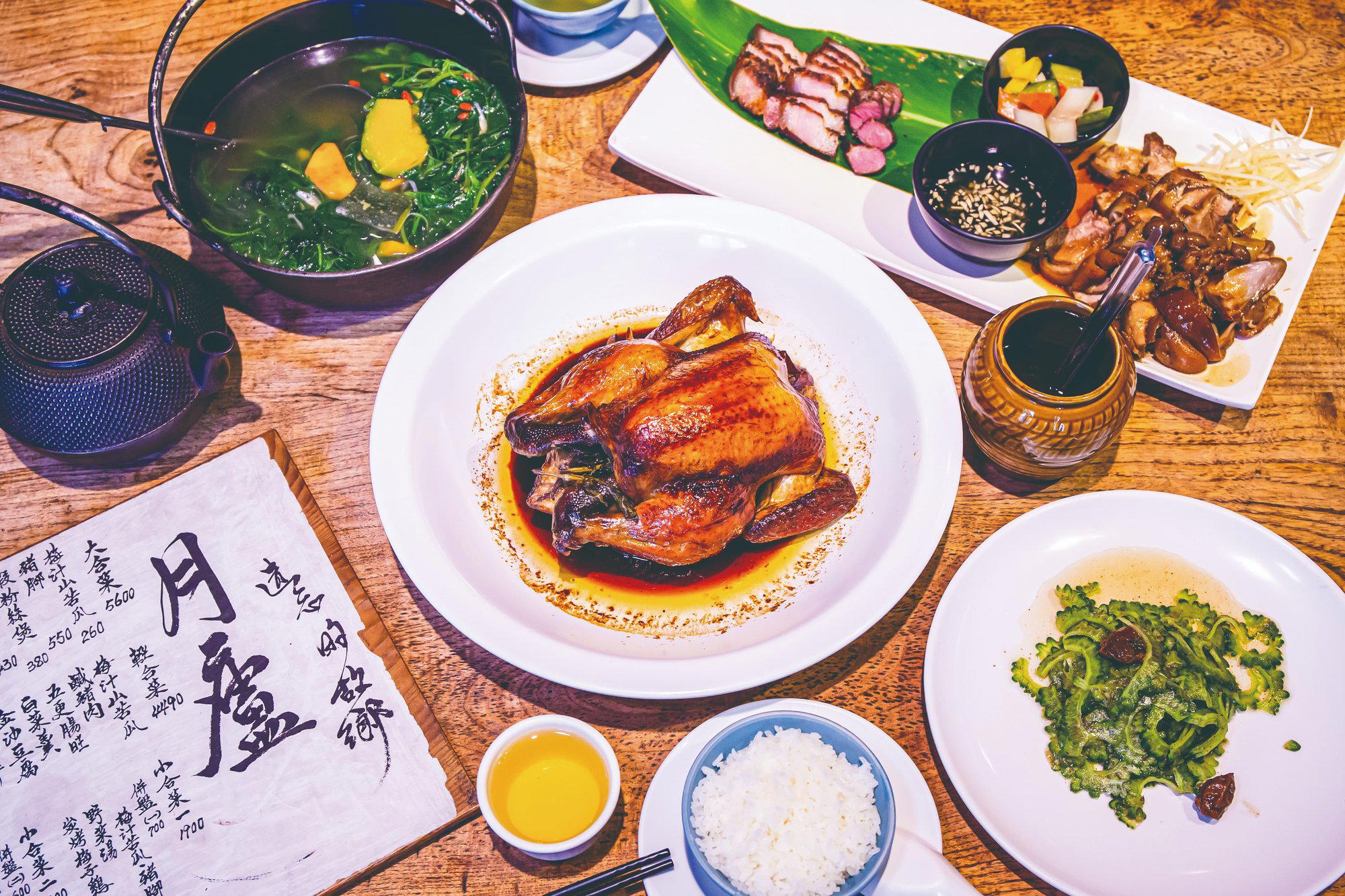
The menu
What to order
- Three-cup chicken
Where Hualien Eats: The Shitang Tradition
In Taiwan, the word shitang carries specific weight. It translates loosely as "canteen" or "dining hall," but the cultural register is closer to a family kitchen scaled up for a neighbourhood. These are rooms where rice comes in a communal pot, where dishes arrive without ceremony but with consistency, and where the cooking is measured against a domestic standard rather than a restaurant one. Min Yue Shitang Restaurant sits inside this tradition in Hualien, a city on Taiwan's east coast where the Tropic of Cancer, the Pacific Ocean, and the Central Mountain Range converge to shape both the agricultural output and the eating habits of its residents.
Hualien's food culture is not a simplified version of what happens in Taipei. It draws from Amis indigenous ingredients and techniques, Hakka settlers who moved into the eastern valleys, and the kind of direct rice-and-protein cooking that characterises east coast towns where the land is fertile and the fishing close. The shitang format fits this context well: unfussy, ingredient-led, built for regulars. For a broader picture of where Min Yue Shitang sits within Hualien's wider eating scene, the full Hualien restaurants guide maps the city's dining character across categories and price points.
The Cultural Roots of Taiwanese Canteen Cooking
To understand what a Taiwanese shitang is doing, it helps to place it against the arc of the island's food history. Taiwan's post-war decades produced a proliferation of small, economical eateries that fed factory workers, students, and civil servants. These were not restaurants in the aspirational sense. They were functional, repeatable, and deeply tied to the rhythms of working life. Over time, that format evolved into something the island now treats with a degree of cultural affection. The shitang is, in many cities, where you find the most honest cooking.
That honesty is different from the refinement you find at Taiwan's Michelin-recognised tables. logy in Taipei and JL Studio in Taichung operate in a different tier entirely, where tasting menus build arguments about culinary identity through technique. The shitang makes no such argument. It assumes the cooking already knows what it is. In Hualien specifically, that confidence is underwritten by the city's agricultural richness: rice from the Hualien-Taitung corridor is among the most prized on the island, and local vegetables benefit from the relatively low industrial farming pressure compared to the west coast.
Hualien's Broader Food Environment
Hualien rewards the kind of eating that involves moving between formats rather than committing to a single category. The city has a well-established street food culture running alongside its sit-down options. Gongzheng Street Baozi represents the steamed bun end of that street-level tradition, while Miaokou Black Tea anchors the city's long association with Taiwanese-style tea drinks at the neighbourhood level. Alongside these, the shitang occupies a distinct niche: more substantial than street food, less formal than a sit-down restaurant, and usually operating at lunch and early dinner hours when office workers and families fill the tables.
Across Taiwan's smaller cities, this format tends to produce the most regionally specific cooking. In Tainan, A Xia shows how traditional southern Taiwanese flavours translate into a more considered dining context. In Kaohsiung, GEN works with a different set of local references. The shitang does not translate easily between cities because its cooking is rooted in what grows and fishes nearby. In Hualien, that means the Central Mountain Range's vegetable output, the Pacific's seafood, and the rice that defines east coast agriculture.
What the Shitang Format Signals About Quality
In Taiwan's food culture, longevity in the shitang format is its own credential. These kitchens do not survive on novelty. Regulars return because the braised pork is consistent, because the soup arrives at the right temperature, because the rice has been cooked with attention. The format self-selects for reliability over ambition. That is not a limitation; it is the point. A shitang that survives in a Taiwanese city has passed a kind of sustained community audit that no single award can replicate.
This is a different trust signal from the Michelin ecosystem that now covers Taiwan's major cities with increasing depth. The island's Michelin Bib Gourmand category has, in recent years, begun to recognise exactly this tier of cooking: affordable, consistent, and rooted in local habit rather than international trend. For reference, institutions like Golden Formosa Taiwanese Cuisine show how traditional Taiwanese cooking earns sustained critical attention without adopting a modernist frame.
Regional parallels are useful here too. Chenggong Douhua in the small east coast town of Chenggong, and Ah Zhen Rou Bao in Lukang, each represent local food institutions that function as community anchors rather than dining destinations in the conventional sense. Min Yue Shitang operates in similar territory in Hualien.
Planning Your Visit
Hualien is most practically reached from Taipei by the Puyuma or Taroko express trains on the eastern line, with journey times of roughly two hours from Taipei Main Station. The city's main eating activity concentrates around the central market area and the older residential neighbourhoods south of the train station. Shitang-style restaurants in Taiwanese cities typically operate at lunch and early dinner, with service often stopping once the day's dishes are exhausted rather than at a fixed hour. Visitors arriving at midday will generally find the widest range of options.
Frequently asked questions
How does Min Yue Shitang fit into Hualien's broader food scene for first-time visitors?
Hualien supports a layered eating culture that moves between night market stalls, Aboriginal-influenced cooking, and canteen-style shitang restaurants like Min Yue — each occupying a distinct register in the city's food life. The shitang sits at the everyday, community-facing end of that range, making it a useful reference point for understanding how Hualien residents actually eat rather than how the city is marketed to tourists. For visitors arriving by the Puyuma or Taroko express from Taipei, factoring a shitang meal into the itinerary gives the trip a local grounding that neither night markets nor hotel dining can replicate.
What's the best thing to order at Min Yue Shitang Restaurant?
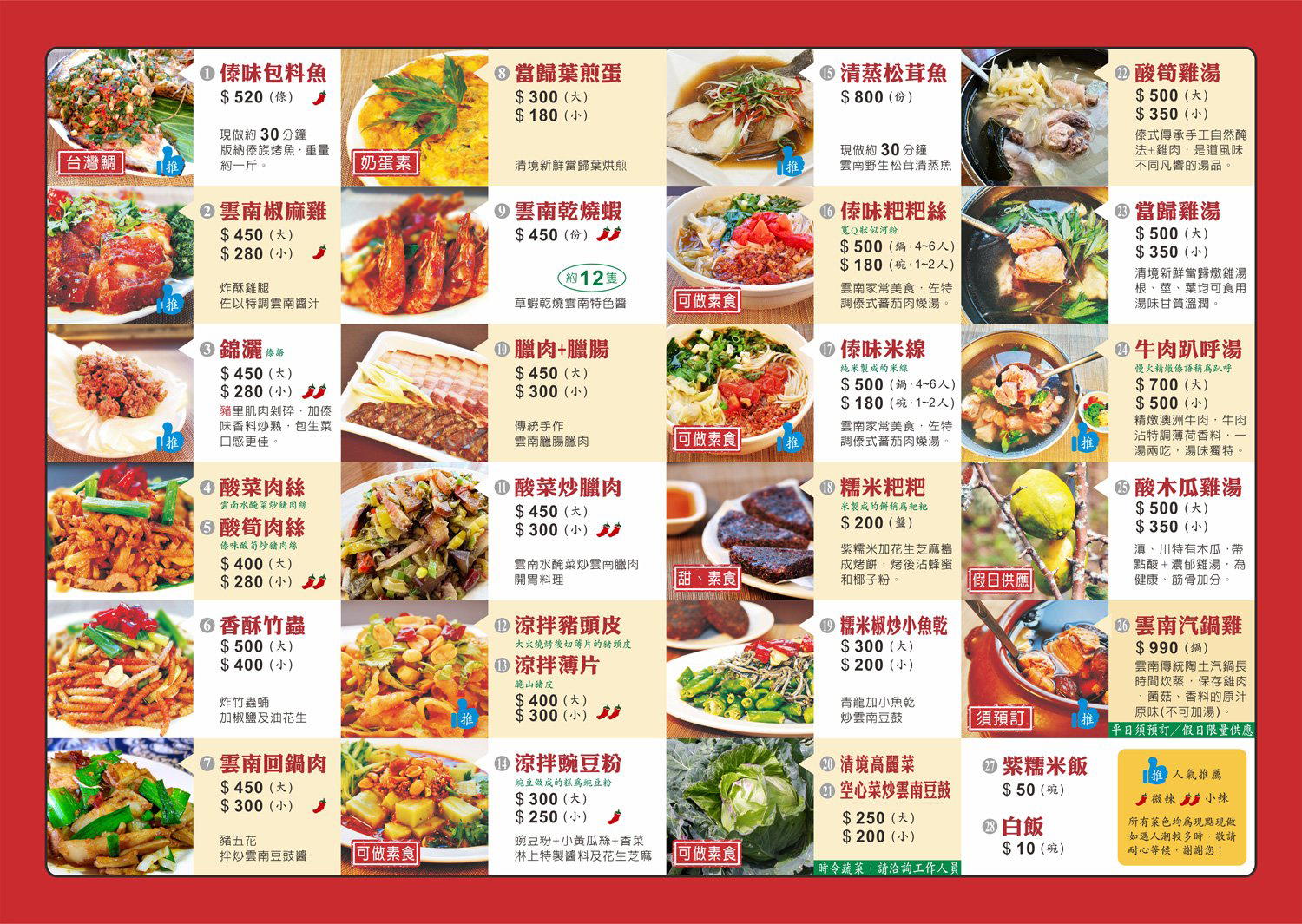
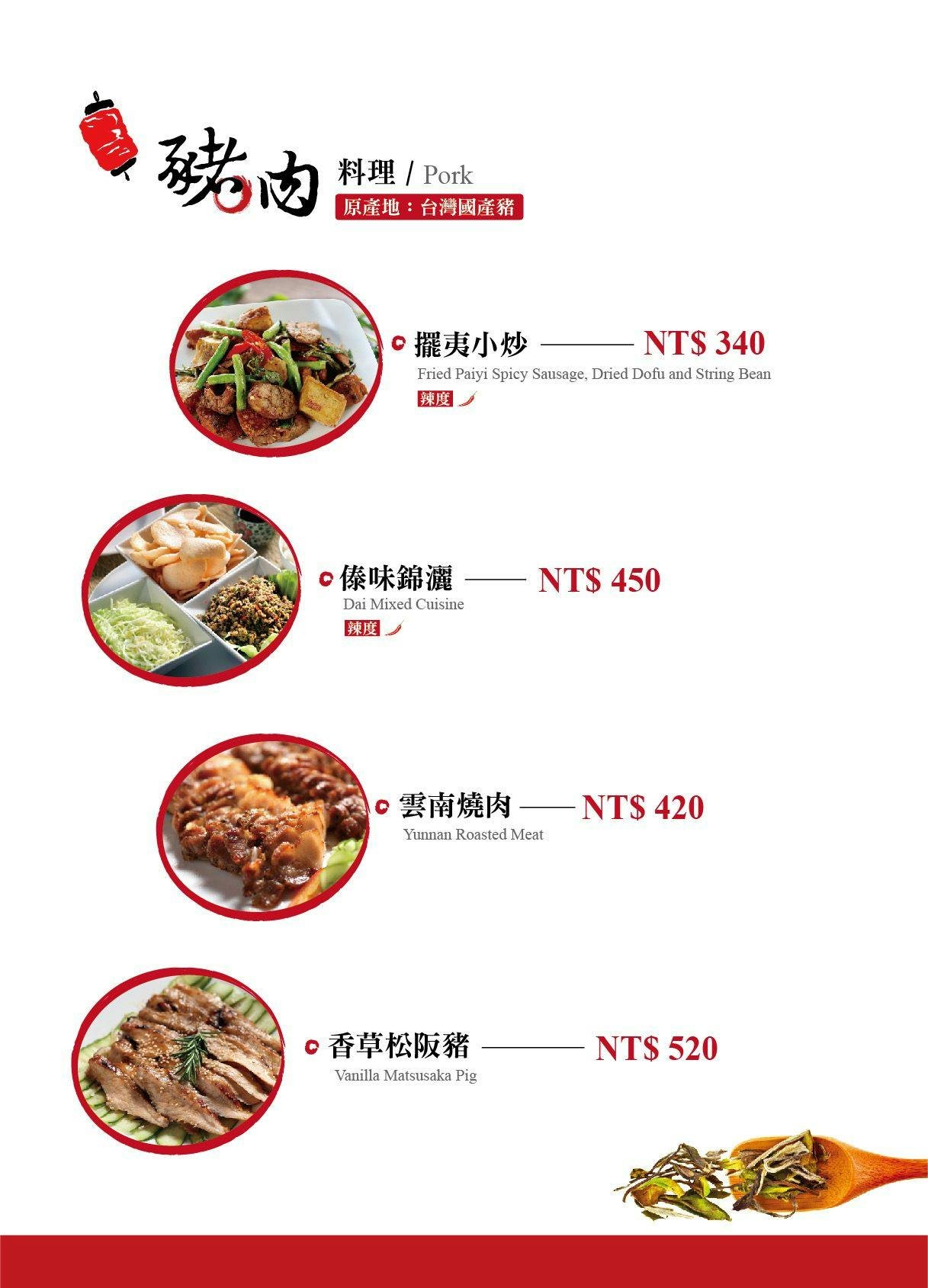
Shitang kitchens in Hualien anchor their menus to a rotating set of home-style Taiwanese dishes, typically built around braised proteins, seasonal vegetables, and rice-based plates that change with supply and the cook's discretion. At a canteen operating on this format, the pragmatic move is to order what the kitchen is plating in volume that day — those dishes turn over fastest and reflect the kitchen at its most practiced.
Pricing, Compared
| Venue | Cuisine | Price | Awards | Notes |
|---|---|---|---|---|
| Min Yue Shitang RestaurantThis venue (the venue you are viewing) | Traditional Taiwanese | Not listed | Not listed | Not listed |
| JL Studio | Modern Singaporean Cuisine | $100–150 | 3 Michelin Stars · World's 50 Best #50 | Modern Singaporean, Singaporean |
| logy | Modern Japanese-Taiwanese Fusion Omakase | $100–150 | 2 Michelin Stars · World's 50 Best #22 | Modern European, Asian Contemporary |
| Le Palais | Fine Dining Cantonese | $150–200 | 3 Michelin Stars · La Liste Top Restaurants | Cantonese |
| Taïrroir | Taiwanese-French Fusion Fine Dining | $150–200 | 3 Michelin Stars · La Liste Top Restaurants | Taiwanese/French, Taiwanese contemporary |
| Mudan Tempura | Michelin-Starred Tempura | Not listed | 2 Michelin Stars · La Liste Top Restaurants | Tempura |
Continue exploring
More in Hualien
Restaurants in Hualien
All restaurants in Hualien →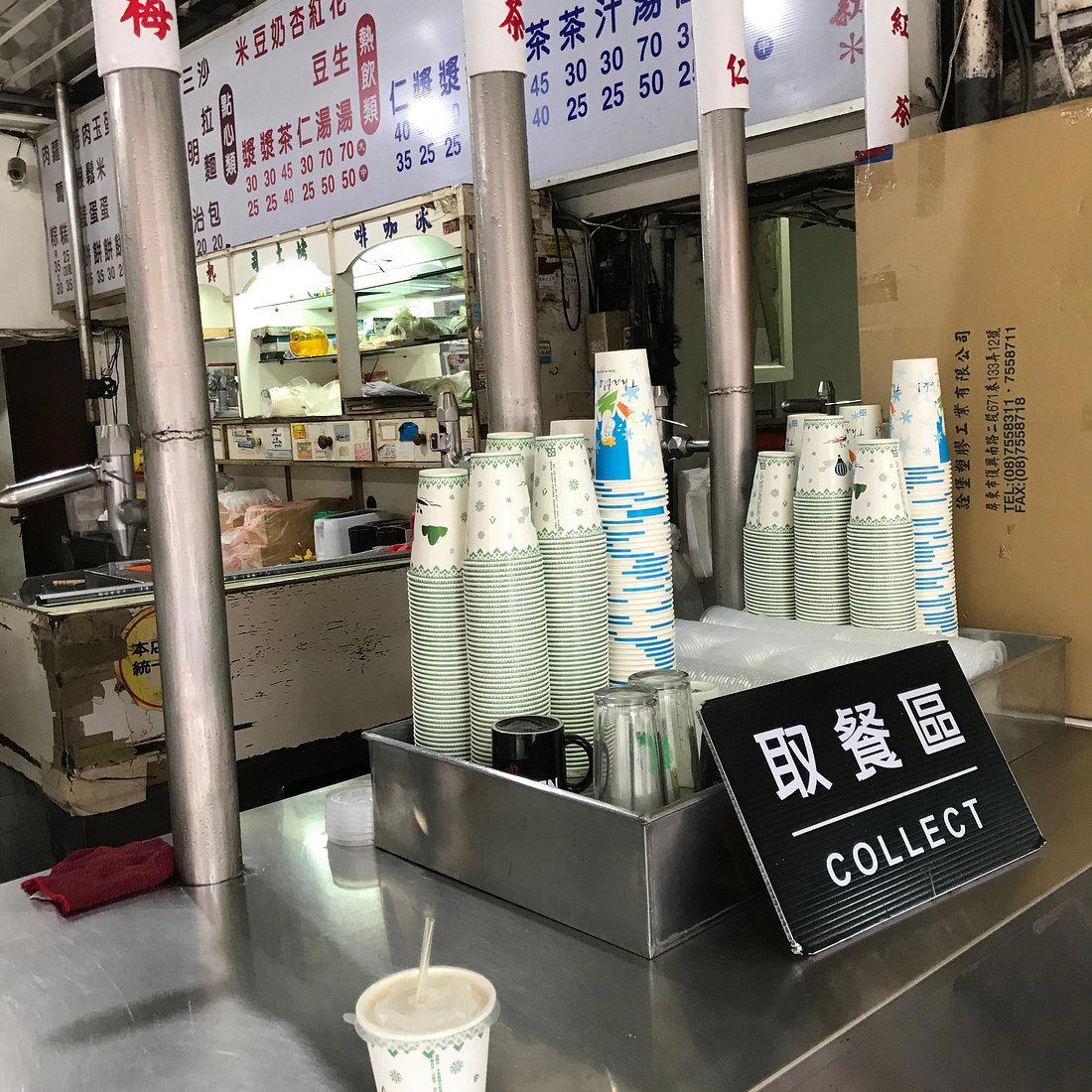
Details
- Cozy
- Classic
- Casual Hangout
- Family
- Standalone
- A La Carte
Current opening hours
- Monday
- 11 AM–2 PM, 5–8 PM
- Tuesday
- Closed
- Wednesday
- Closed
- Thursday
- 11 AM–2 PM, 5–8 PM
- Friday
- 11 AM–2 PM, 5–8 PM
- Saturday
- 11 AM–2 PM, 5–8 PM
- Sunday
- 11 AM–2 PM, 5–8 PM
Hours can change for holidays and private events. Last verified .
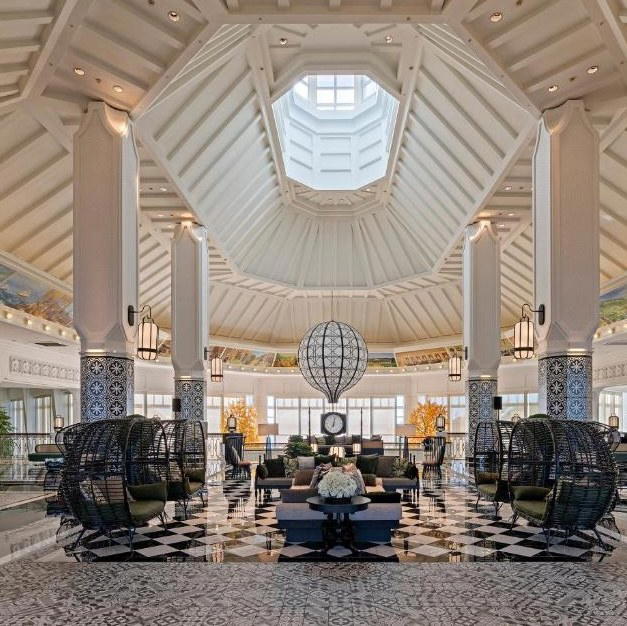
Casual neighborhood dining atmosphere with traditional Taiwanese comfort food setting