Mi Peru Restaurante
Mi Peru Restaurante on Flower Hill Way brings Peruvian cooking to a Maryland suburb where Latin American dining tends toward Mexican and Central American standards. The kitchen draws on a culinary tradition that spans coastal ceviche bars, mountain stew houses, and Lima's chifa fusion heritage, a range rarely represented in full this close to the DC beltway. For Gaithersburg diners seeking something beyond familiar regional defaults, this address fills a specific gap.
Pearl is the En Primeur Club membership app — saves, bookings, and concierge access live there. Same editors, same standards.
- Address
- 18216 Flower Hill Way, Gaithersburg, MD 20879
- Phone
- +13019268736
- Website
- miperurestaurantemd.com
- Directions
- Get directions
 Saves & bookings on Pearl
Peruvian Cooking in a Suburb That Skews Mexican and Salvadoran
Gaithersburg's Latin American dining scene is weighted heavily toward Mexican and Salvadoran kitchens. Spots like Acajutla Restaurant and Ay Jalisco Restaurant represent the dominant current: masa-based, tortilla-forward, familiar to most diners in the Maryland suburbs. Against that backdrop, a Peruvian address like Mi Peru Restaurante on Flower Hill Way occupies a distinct position. Peruvian cuisine draws on Andean, Japanese, Chinese, and Spanish traditions, giving it a distinctive cooking vocabulary that is underrepresented in suburban Maryland.
The address, 18216 Flower Hill Way, places Mi Peru in a Gaithersburg commercial strip rather than a high-profile dining corridor. That kind of location is common for community-facing ethnic restaurants in the DC suburbs, where the audience arrives by word of mouth and repeat visit rather than foot traffic or hotel proximity. The dining rooms at places like Caspian House of Kabob follow a similar model: modest exteriors, strong regional loyalties, and menus that serve a specific diaspora community while remaining open to broader audiences willing to follow.
What Peruvian Menu Architecture Looks Like, and What It Signals
Peruvian menus are structurally different from most Latin American restaurant formats. Where Mexican or Central American kitchens tend to organize around protein and preparation method, grilled, stewed, fried, Peruvian menus frequently stratify by regional origin and technique lineage. A well-constructed Peruvian menu will hold ceviche and tiradito in a coastal cold section, lomo saltado and arroz con leche in a Creole-influenced center, and chifa dishes (the Peruvian-Chinese synthesis that developed through 19th-century migration) as a distinct category or woven throughout.
That architecture is itself an argument. It tells you the kitchen has decided to represent Peru's full culinary geography rather than flatten it into a handful of crowd-pleasers. Lima's restaurant scene operates on exactly this principle: that Peruvian food is not a monolith but a spectrum, and that a serious kitchen should navigate that spectrum deliberately. When a suburban Peruvian restaurant in Maryland maintains this kind of menu logic, it signals a kitchen operating from culinary conviction rather than pure commercial calculation.
Contrast this with Gaithersburg's other dining formats. Coal Fire and Coastal Flats represent the American casual-dining model: broad menus designed for maximum accessibility, organized around familiar categories. Mi Peru, if it holds to the Peruvian restaurant tradition, is doing something structurally different, using menu design as a form of culinary education, whether or not it frames it that way explicitly.
The Ceviche Question and What It Reveals
Any serious Peruvian restaurant in the United States faces a credibility test at the ceviche station. Classic Peruvian ceviche is not the marinated, hours-long preparation common in Mexican coastal cooking. It is a short-cure technique, fish dressed in fresh lime juice (leche de tigre), aji amarillo, and red onion, with the citric reaction measured in minutes rather than hours. The result is fish that reads as barely cooked, with a brightness and acidity that deteriorates quickly. This means ceviche is a real-time kitchen operation, not something that can be batched and held.
Restaurants that get this right tend to get other things right too. The technique discipline required for proper ceviche preparation, sourcing, timing, acid calibration, translates across the menu. It is a reliable signal of kitchen standards in a way that, say, a rice dish or a grilled protein is not. For a diner approaching Mi Peru without prior firsthand knowledge of this specific kitchen, the ceviche is the appropriate first order.
Placing Gaithersburg in the Broader DC Peruvian Scene
The greater Washington area supports a meaningful Peruvian restaurant population, concentrated in Northern Virginia (particularly Annandale, Falls Church, and the Dulles corridor) where Peruvian immigration patterns run deepest. Gaithersburg, on the Maryland side, has a smaller Peruvian-American community, which makes a Peruvian restaurant in this zip code a somewhat more isolated proposition than one in, say, Annandale's restaurant cluster.
That isolation can work in two directions. It removes the competitive pressure that forces constant menu refinement, but it also removes the community accountability that keeps kitchens anchored to authentic practice. Peruvian restaurants in heavily Peruvian neighborhoods tend to hold to stricter culinary standards because their primary audience notices deviation. A restaurant serving a more mixed suburban clientele has more latitude, for better or worse. This is worth keeping in mind when calibrating expectations, though it does not determine outcome: particularly careful ethnic kitchens in the DC suburbs operate precisely because they are the only option for their diaspora community in a given area, and they take that responsibility seriously.
For context on what the highest-stakes American restaurant experience looks like at the opposite end of the spectrum, consider how deeply format-driven places like Le Bernardin in New York City or Alinea in Chicago have built their identities around menu architecture as a primary statement. The principle, that how a menu is organized communicates as much as what it contains, applies across price points, from tasting-menu institutions like The French Laundry in Napa and Blue Hill at Stone Barns in Tarrytown down to community-serving neighborhood kitchens in suburban Maryland.
Planning Your Visit
Mi Peru Restaurante is located at 18216 Flower Hill Way, Gaithersburg, MD 20879, in a commercial area most easily reached by car. This address should be approached as a community anchor rather than a credentialed destination, the kind of place that earns its reputation through repeat visits from a loyal neighborhood audience. For a broader view of what Gaithersburg's dining scene offers across cuisines and price points, the full Gaithersburg restaurants guide covers the range.
A Credentials Check
Comparable venues nearby, for context on price, style, and recognition.
| Venue | Cuisine | Price | Notes |
|---|---|---|---|
| Mi Peru RestauranteThis venue — the venue you are viewing | Traditional Peruvian | $$ | Not listed |
| Giuseppi's Pizza Plus | New York Style Pizza | $$ | Kentlands |
| Thai Tanium | Authentic Thai | $$ | Gaithersburg |
| Coal Fire | Coal-Fired Pizza | $$ | Kentlands |
| Silk Road Choyhona | Authentic Uzbek | $$ | Gaithersburg |
| Tandoori Nights | Authentic Indian Tandoori | $$ | Market Street |
Continue exploring
More in Gaithersburg
Restaurants in Gaithersburg
Browse all →
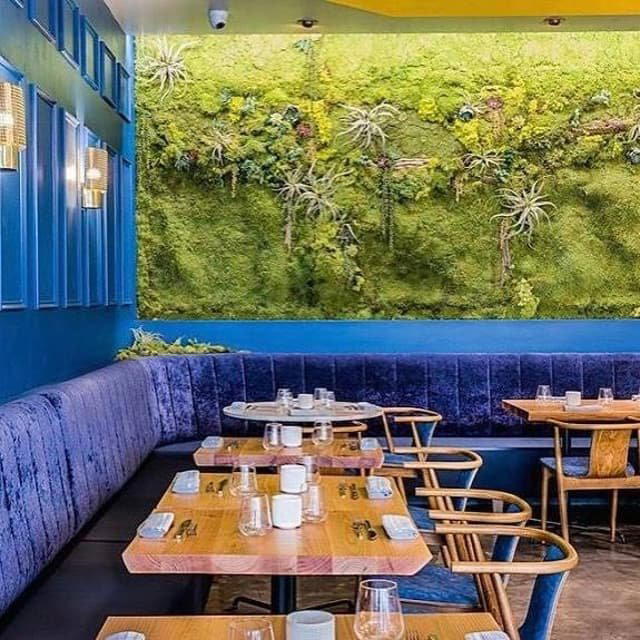
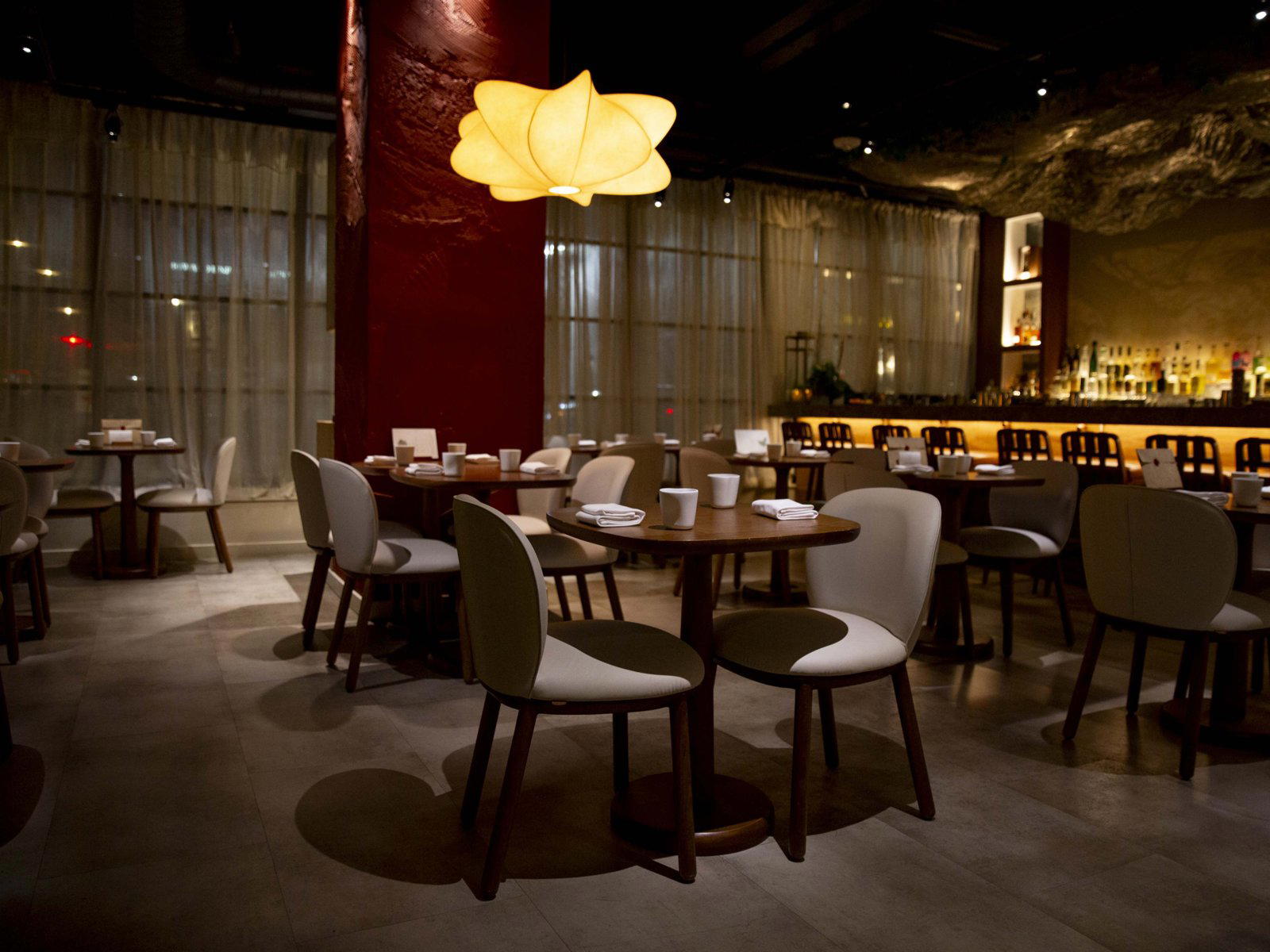
Bars in Gaithersburg
Browse all →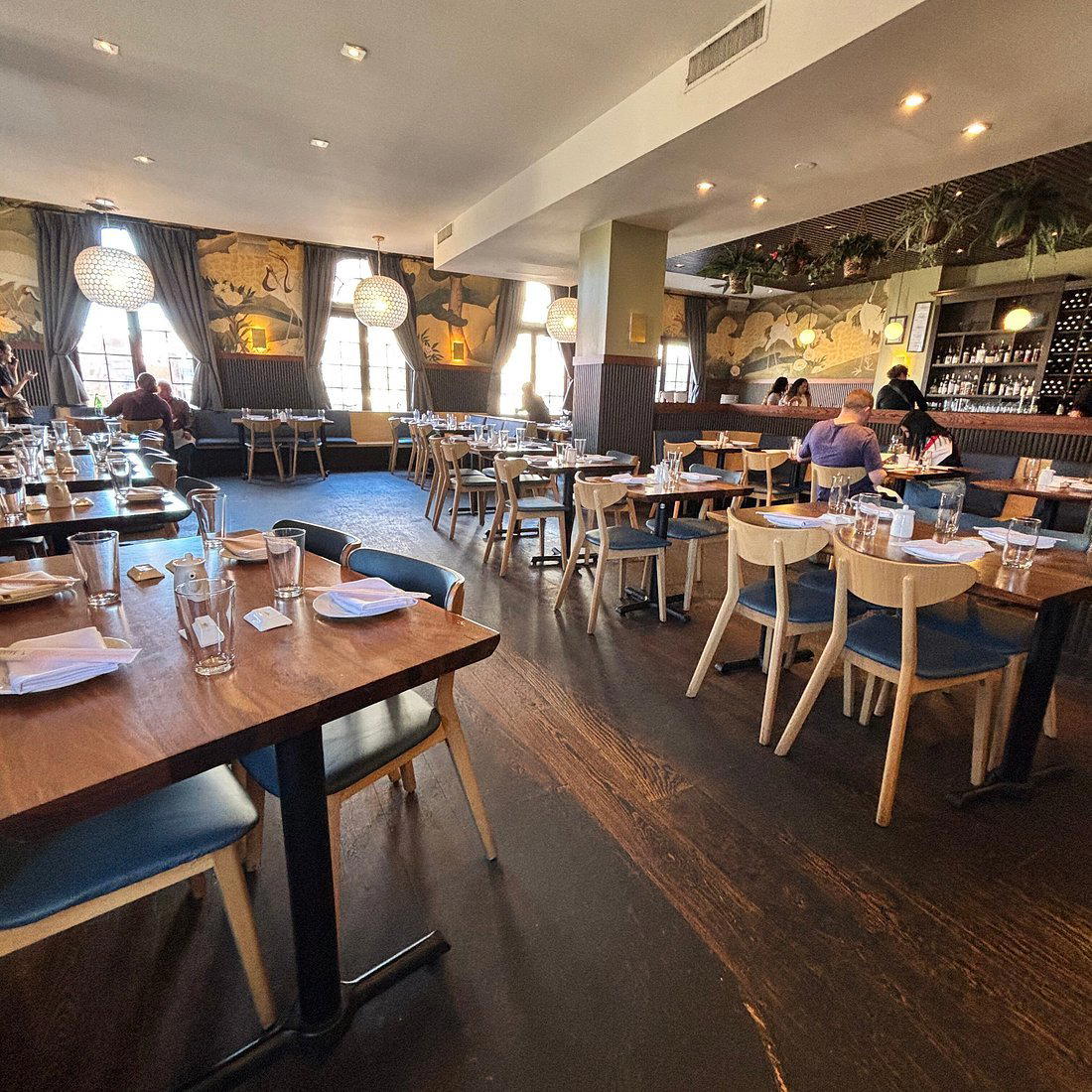
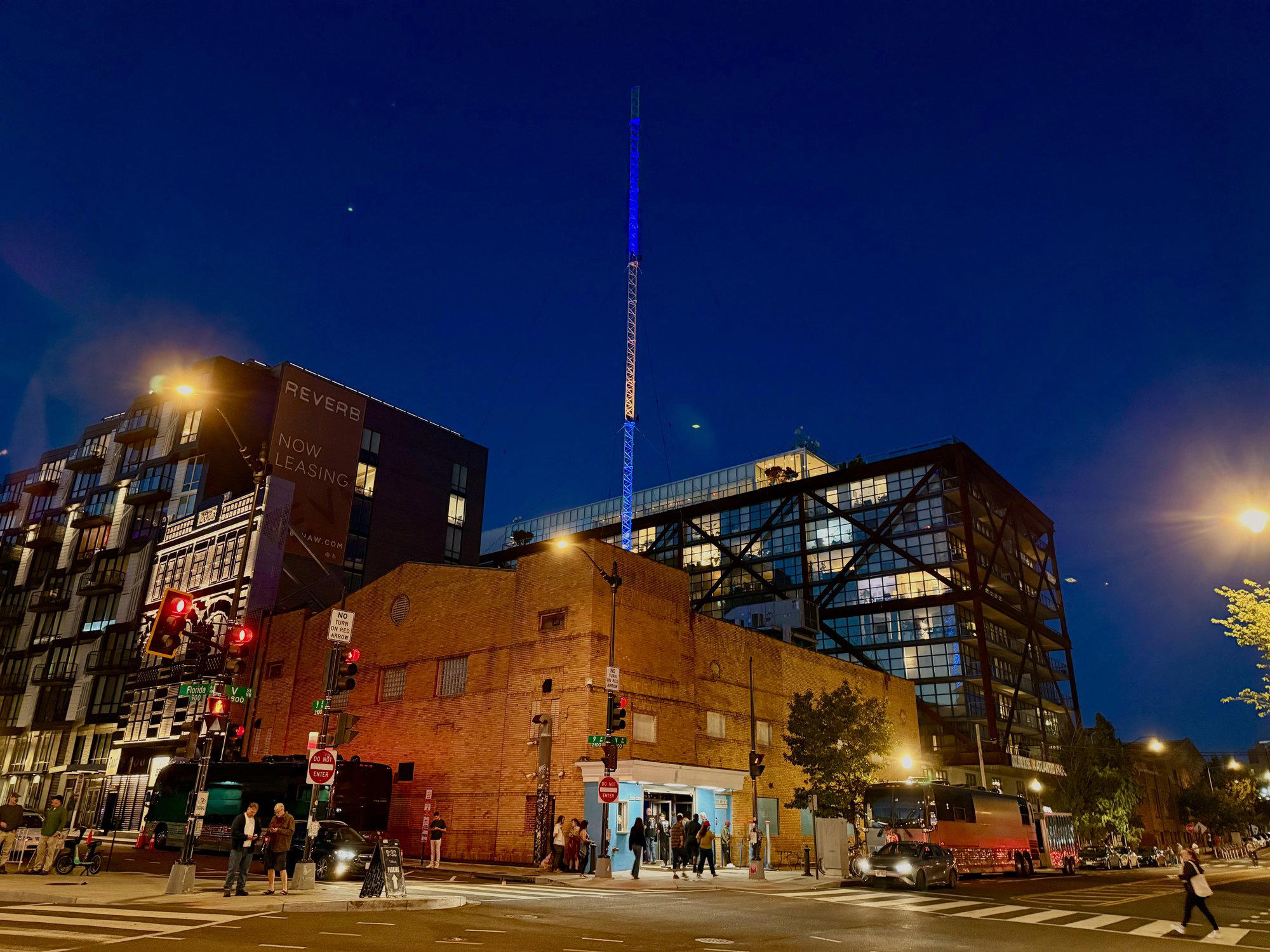
Hotels in Gaithersburg
Browse all →


At a Glance
- Cozy
- Rustic
- Family
- Casual Hangout
- Standalone
Current opening hours
- Monday
- 11 AM–9 PM
- Tuesday
- 11 AM–9 PM
- Wednesday
- 11 AM–9 PM
- Thursday
- 11 AM–9 PM
- Friday
- 11 AM–9 PM
- Saturday
- 11 AM–9 PM
- Sunday
- 11 AM–9 PM
Hours can change for holidays and private events. Last verified .
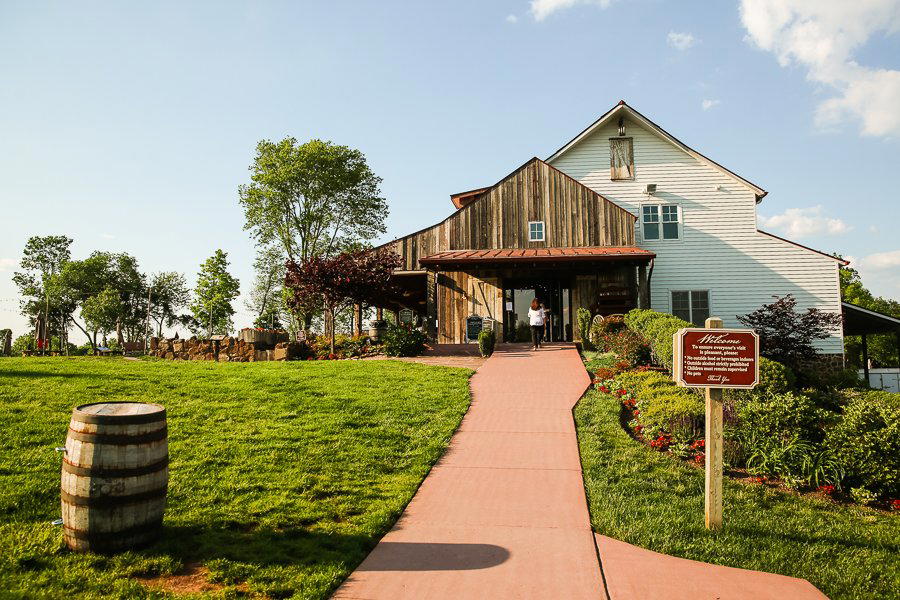
Casual homey atmosphere with dim lighting in a strip-mall setting.