
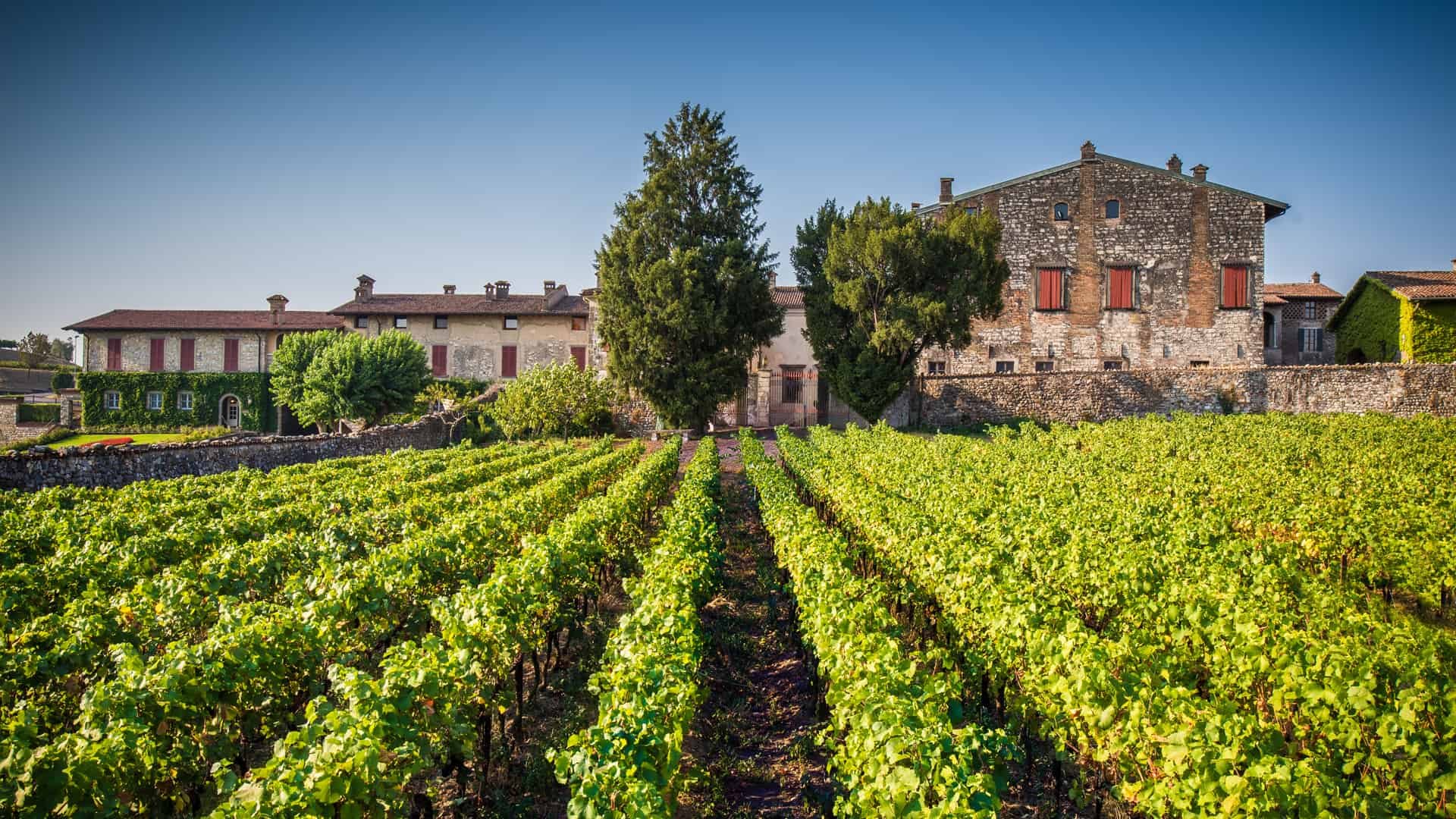
In a hamlet outside Bergamo, Metodo occupies an eighteenth-century farmhouse complex where rough-hewn stone and bare solid-wood tables frame a tasting menu of considerable technical ambition. Chef patron Stagi holds a 2025 Michelin Plate and offers both full and abbreviated menu formats, making the kitchen's creative program accessible without diluting its depth.
Pearl is the En Primeur Club membership app — saves, bookings, and concierge access live there. Same editors, same standards.
- Address
- Via Vittorio Emanuele, 9, 24040 Marne BG, Italy
- Phone
- +39 342 036 5600
- Website
- ristorante-metodo.it
- Directions
- Get directions
 Saves & bookings on Pearl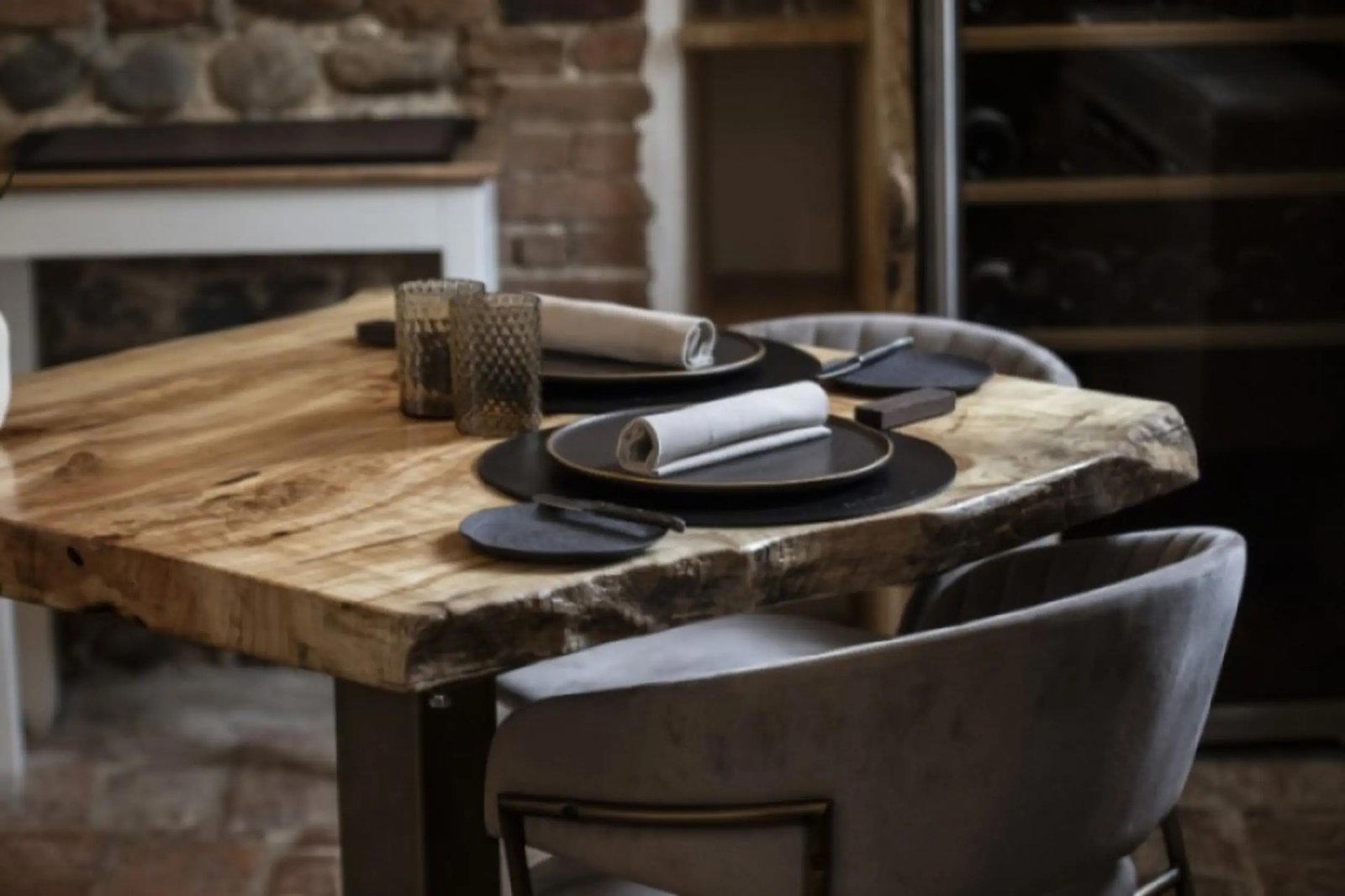
Farmhouse Architecture as Editorial Statement
There is a particular tension in Lombardy's rural restaurant scene between venues that lean into their agrarian settings as decoration and those where the physical fabric of the building actually shapes the cooking's logic. The eighteenth-century farmhouse complex on Via Vittorio Emanuele in Marne, where Metodo operates, belongs to the second category. The stonework is original, the proportions are those of working agricultural buildings, and the interior extends that grammar rather than papering over it: solid wood tables left bare, no linen, no softening layer between the diner and the material reality of the room. That decision to remove the tablecloth is not purely aesthetic. It signals a kitchen that is not trying to perform luxury through surface, but through what arrives on the plate.
The Bergamo province and its surrounding plain occupy a culinary middle ground in northern Italy that rarely receives the attention directed at Piedmont or Emilia-Romagna, yet the territory produces ingredients of serious quality: cheese from the Seriana and Brembana valleys, freshwater fish from the pre-Alpine lakes, game from the foothills, and agricultural produce shaped by a continental climate with cold winters and warm summers. This is the ingredient context that makes a creative kitchen in this location interesting, because the sourcing question is answered by geography before technique even enters the discussion. For venues working in the creative register across northern Italy, from Le Calandre in Rubano to Casa Perbellini 12 Apostoli in Verona, the distinction between those that root their creativity in local ingredient logic and those that operate more abstractly tends to define where they sit in the regional hierarchy over time.
Where the Food Comes From and Why the Menu Is Built This Way
The creative tasting menu format across Italy has consolidated around a few recognisable structures: a single sequence with no choice, or a chef's menu alongside an abbreviated version that allows shorter bookings or lighter appetites. Metodo follows the latter model, offering both a full and an abbreviated tasting format, with the dishes also available individually from the menu. That structural flexibility matters in a rural setting where a three-hour commitment may not suit every table, and it also allows the kitchen to serve dishes of elaborate technical character to diners who want depth without the full sequence. It is a pragmatic solution common to serious regional restaurants that need to work as viable businesses outside major urban centres.
Chef patron Stagi's kitchen operates in what the Michelin inspectors characterise as a creative and sometimes elaborate register, a description that distinguishes it from the broadly rural trattoria tradition and places it closer to the urban creative kitchens found at Enrico Bartolini in Milan or, at a higher Michelin tier, Osteria Francescana in Modena. The Michelin Plate recognition in 2025 signals kitchen quality without the starred accolade, positioning Metodo as a restaurant whose cooking has cleared an inspector's threshold for consistent quality while remaining outside the starred tier. At the €€€ price point, it sits below the €€€€ bracket occupied by comparison venues such as Atelier Moessmer Norbert Niederkofler in Brunico or Dal Pescatore in Runate, making it the more accessible entry point into serious creative cooking in the Bergamo province.
The ingredient sourcing argument for a restaurant in this location is not abstract. Northern Lombardy's pre-Alpine terrain delivers a supply chain that does not need to be constructed artificially: artisan cheesemakers, small-scale agricultural producers, and freshwater fish sources that do not appear on the menus of Milan's urban kitchens because the logistics do not support it. A kitchen in Marne that works with this territory has access to ingredients that its urban counterparts cannot replicate, and the creative elaboration that Michelin notes in Stagi's cooking makes most sense when read against that raw material base. Technique and territory are not in opposition here; the elaboration serves the ingredients rather than replacing them. For context on how Italian creative kitchens elsewhere handle similar tensions between regional identity and technical ambition, the approaches at Piazza Duomo in Alba and Reale in Castel di Sangro offer useful reference points.
The Numbers Behind the 4.8 Score
. For a rural creative restaurant at €€€ pricing, the consistency implied by that figure suggests that the kitchen's ambitions and the room's expectations are well calibrated. Unlike urban restaurants where high review volumes can average out significant variance, a 67-review dataset at 4.8 means few materially negative responses. That kind of alignment between kitchen output and diner experience is harder to achieve in a tasting menu format, where structural inflexibility can cause friction when expectations diverge. Metodo's format, with its full and abbreviated options, appears to manage that risk. Comparable creative kitchens with documented international recognition, including Uliassi in Senigallia and Quattro Passi in Marina del Cantone, operate at €€€€ and occupy a different expectation bracket, which underlines how Metodo's price positioning shapes its relationship with its audience.
Planning a Visit
Marne is a small settlement within the Bergamo province, accessible from Bergamo city by road. The restaurant's address on Via Vittorio Emanuele places it within a rural village rather than a town centre, so arriving by car is the practical approach for most visitors. Booking in advance is sensible given the scale of the operation; rural creative restaurants in Lombardy with Michelin recognition at this price tier tend to fill weekend covers well ahead, and the intimate farmhouse setting implies a limited seat count.
A Quick Peer Check
Comparable venues nearby, for context on price, style, and recognition.
| Venue | Cuisine | Price | Awards | Notes |
|---|---|---|---|---|
| MetodoThis venue — the venue you are viewing | Modern Italian Fine Dining | $$$$ | Michelin Plate | Not listed |
| Visteria | Modern Italian Fine Dining | $$$$ | Michelin Plate | Varenna |
| Giannino dal 1899 | Classic Milanese Fine Dining | $$$$ | Michelin Plate | Stazione Centrale - Ponte Seveso |
| Umberto De Martino | Modern Italian Mediterranean Fine Dining | $$$$ | Michelin Plate | San Paolo d'Argon |
| Antica Osteria Magenes | Modern Lombard Italian | $$$$ | Michelin Plate | Barate |
| ZELO | Modern Italian Fine Dining | $$$$ | Michelin Plate | Duomo |
Recognition history
Dated appearances from independent guides and award organizations, with the underlying list record or original source where available.
Michelin Plate
Michelin
Michelin Plate
Michelin
Continue exploring
More in Marne
Restaurants in Marne
Browse all →
Bars in Marne
Browse all →
Hotels in Marne
Browse all →

At a Glance
- Romantic
- Rustic
- Elegant
- Intimate
- Cozy
- Date Night
- Special Occasion
- Standalone
- Local Sourcing
Current opening hours
- Monday
- 7:30–10 PM
- Tuesday
- Closed
- Wednesday
- Closed
- Thursday
- 7:30–10 PM
- Friday
- 12:30–2 PM, 7:30–10 PM
- Saturday
- 12:30–2 PM, 7:30–10 PM
- Sunday
- 12:30–2 PM, 7:30–10 PM
Hours can change for holidays and private events. Last verified .
Intimate and refined atmosphere in an eighteenth-century farmhouse with exposed stone walls, brick, terracotta floors, solid wood tables, and a large antique hearth, balancing rustic charm with modern elegance.