
Guía Repsol 1 Sol
Our verdict
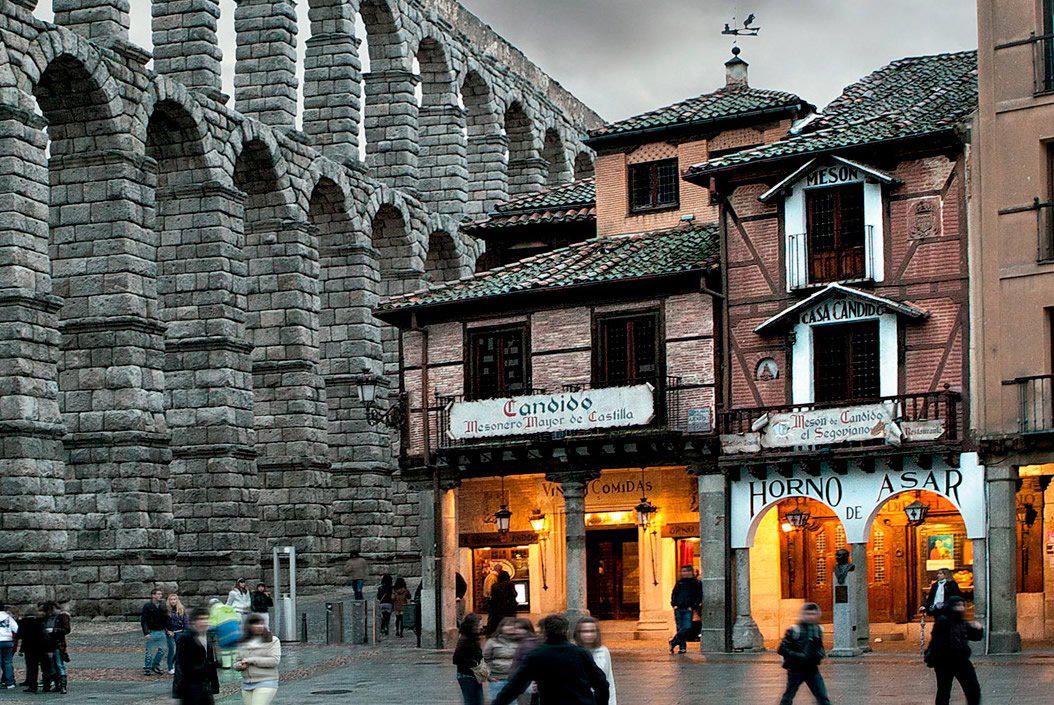
Mesón De Cándido belongs to Segovia’s old roast-house tradition, where Castilian sourcing, wood-oven cooking and the city’s aqueduct setting matter more than novelty. Its 1 Sol recognition in Guía Repsol 2026 places it in a serious regional tier, useful for travellers deciding between classic Segovian cooking and the city’s newer contemporary rooms.

Pearl is the En Primeur Club membership app, where members save venues, book tables and use the concierge.
The menu
What to order
- Cochinillo asado al estilo Cándido (roast suckling pig)
- Cordero asado (roast lamb)
- Judiones de La Granja
- Ponche segoviano
Approaching Segovia, the city’s dining grammar becomes visible before a menu appears: stone, large tables, and the civic theatre of a substantial meal served in one of Spain’s most visited historic cities. Mesón De Cándido sits inside that tradition rather than beside it. This is not the idiom of tasting-menu Spain, where technique is displayed in small courses; it is established dining built around timing, confidence and the ability to make a meal feel rooted in its city.
Segovia’s table has long been associated with substantial lunches, familiar rituals and dining rooms that carry civic memory. The point is not rustic nostalgia. In a city this compact, tradition competes in public: visitors compare established dining rooms, locals measure consistency, and recognition has to sit alongside memory. Mesón De Cándido’s 1 Sol in Guía Repsol 2026 gives that older format a contemporary trust signal without changing the category it belongs to.
Regional context is the argument, not decoration
The restaurant story in Segovia begins beyond any single dining room. The city’s food culture is shaped by long-standing habits, local expectations and a preference for meals that feel connected to place. That matters because this classic format leaves little cover for weak execution. A traditional room can add ceremony, but the experience depends on consistency, pacing and service rhythm. The regional canon rewards clarity and restraint; it does not reward excessive display.
Within that context, Mesón De Cándido is useful for travellers because it represents the classic lane of Segovian dining in a city where several serious alternatives pull in different directions. Casa Duque belongs to the same historic conversation, while José María gives visitors another traditional benchmark. For a more contemporary reading of Segovia, Casa Silvano-Maracaibo works in an updated register, and Villena moves the city into a more modern dining bracket. The choice is less about ranking than appetite: historic continuity, updated regional cooking, or a more composed modern room.
That spread is what makes Segovia more interesting than a single-meal stop. The city’s serious restaurants have to address a fixed expectation around tradition and ritual, while also absorbing travellers who now arrive with national guides and online booking habits. A 1 Sol award signals that a classic room can remain legible to national critics without abandoning the local grammar that made the category matter.
The room belongs to Segovia's public theatre of lunch
Atmosphere in this genre is not incidental. Traditional dining rooms in Segovia are social rooms as much as culinary ones: family tables, visitors marking a first substantial meal in the city, and service paced around the occasion rather than a quick refuel. The dining experience is built for appetite and occasion. Compared with a modern tasting-menu format, the pleasure is less about surprise and more about whether the restaurant can repeat a focused experience under pressure.
Mesón De Cándido’s position in Segovia gives it a highly visible role in the city’s dining map rather than the feel of a room hidden away from visitors. That changes the restaurant’s role. It has to serve as a culinary introduction to Segovia for travellers who may only have one major meal in town, while also operating inside a local tradition that does not need translation. Location alone does not guarantee quality, but it does explain the room’s symbolic weight: this is established dining presented as part of the city’s public life.
For diners, the ordering logic should follow the place rather than the novelty instinct. Segovia’s classic meal structure rewards restraint: choose a substantial centre to the meal, keep supporting choices simple, and give the table enough time to feel like an occasion. Specific prices and booking mechanics vary by channel, so the smarter editorial advice is categorical: treat it as a proper lunch or dinner rather than a snack stop, and compare it against other Segovian traditional meals, not against avant-garde Spanish dining.
How to place it in a wider Spain itinerary
Segovia often appears as a day trip, but its restaurants make a stronger case when the city is allowed a full meal window. Travellers planning the broader route can use our full Segovia restaurants guide to separate traditional rooms from contemporary kitchens, then pair the meal with our full Segovia hotels guide if staying overnight. The city also supports a wider itinerary through our full Segovia bars guide, our full Segovia wineries guide and our full Segovia experiences guide.
The comparison becomes sharper when Segovia is placed beside Spain’s other regional dining routes. Major cities can pull the same traveller toward a different urban register; southern Spain offers casual-format contrast; northern itineraries bring in another set of regional traditions. Coastal and island cooking move the conversation again through seafood, market-led meals and holiday dining rooms. Even international detours underline the same planning point: strong food travel depends on knowing which tradition a meal is meant to represent.
Mesón De Cándido is strongest as a classic Segovia decision: a traditional meal tied to place, public setting and regional context, with Guía Repsol 2026 recognition adding contemporary validation. Travellers seeking a quiet experimental counter should look elsewhere in the city’s dining range. Travellers wanting to understand why Segovia’s table remains so closely linked to civic ritual and established dining rooms will find the argument here in its clearest form.
Frequently asked questions
Is Mesón De Cándido a family-friendly restaurant?
It is presented as an established Segovia dining room suited to a substantial shared meal.
Is Mesón De Cándido formal or casual?
It reads as more casual than formal. As a mesón in Segovia with a Guía Repsol 1 Sol, it signals established dining without implying a tasting-menu format.
What are Mesón De Cándido's hours?
Hours can vary by booking channel, so check the restaurant directly before planning a meal.
Where exactly is Mesón De Cándido?
Segovia.
Side-by-Side Snapshot
Comparable venues by cuisine and price in the same metro.
| Venue | Cuisine | Price | Awards | Notes |
|---|---|---|---|---|
| Mesón De CándidoThis venue (the venue you are viewing) | Traditional Segovian restaurant famous for roast suckling pig | $30–50 | Guía Repsol 1 Sol | Not listed |
| Casa Duque | Historic Segovian asador & Castilian restaurant | $30–50 | Guía Repsol 1 Sol | Not listed |
| Casa Silvano-Maracaibo | Contemporary Segovian Cuisine | $50–100 | Michelin Plate · Macarfi 7.5 Food Rating | Contemporary |
| José María | Traditional Castilian with Segovian Roast Suckling Pig | $50–100 | Michelin Plate · Guía Repsol 1 Sol | Traditional Cuisine |
| Villena | Modern Spanish Fine Dining | $50–100 | Michelin Plate · Macarfi 7.1 Food Rating | Modern Cuisine |
| Reina Xiv | Modern Traditional Castilian | $30–50 | Michelin Plate · Guía Repsol 1 Sol | Not listed |
Recognition history
Dated appearances from independent guides and award organizations, with the underlying list record or original source where available.
Guía Repsol 1 Sol
Guía Repsol
Continue exploring
More in Segovia
Restaurants in Segovia
All restaurants in Segovia →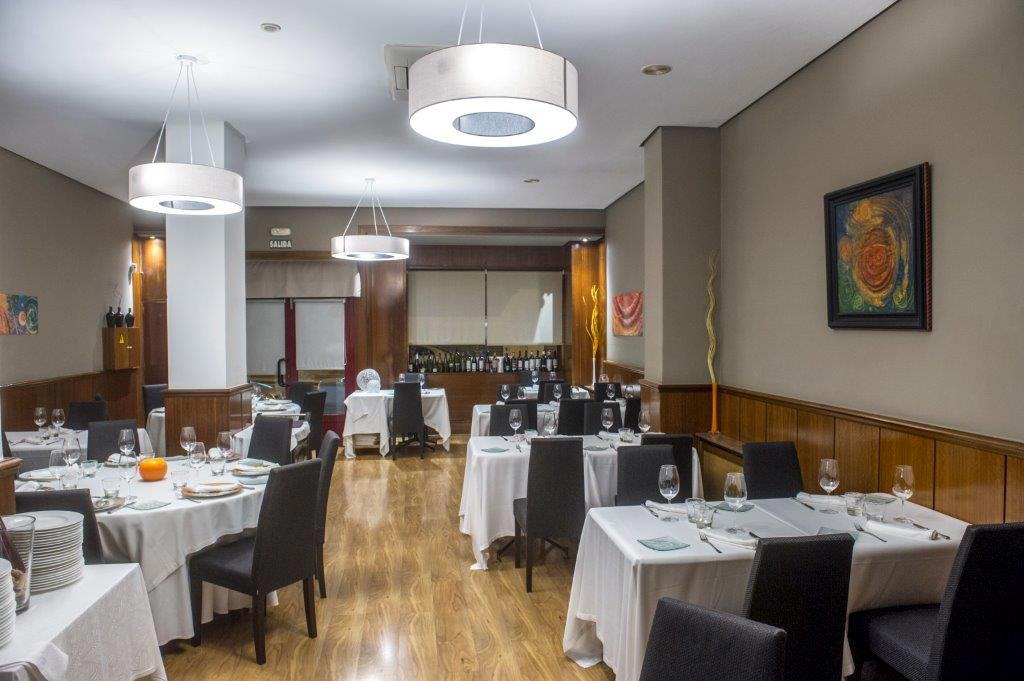
Bars in Segovia
Browse all →
Hotels in Segovia
All hotels in Segovia →

Details
- Well Known
- Classic
- Rustic
- Lively
- Scenic
- Family
- Group Dining
- Special Occasion
- Celebration
- Historic Building
- Terrace
- Panoramic View
- Standalone
- Extensive Wine List
- Street Scene
- A La Carte
- Family Style
- Wine
- Vegetarian Friendly
Current opening hours
- Monday
- 1–4:30 PM, 8–11 PM
- Tuesday
- 1–4:30 PM, 8–11 PM
- Wednesday
- 1–4:30 PM, 8–11 PM
- Thursday
- 1–4:30 PM, 8–11 PM
- Friday
- 1–4:30 PM, 8–11 PM
- Saturday
- 1–4:30 PM, 8–11 PM
- Sunday
- 1–4:30 PM, 8–11 PM
Hours can change for holidays and private events. Hours as of .
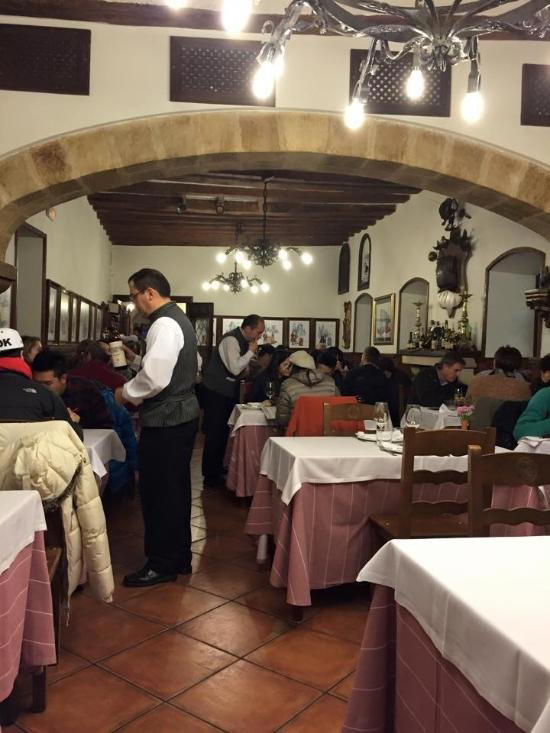
Bustling, old‑world castellano dining rooms with wood beams, tiled floors, white tablecloths and walls covered in photos of famous guests, plus bright terrace seating overlooking the aqueduct; atmosphere is energetic, touristic and steeped in local tradition rather than intimate or minimalist.