
Guía Repsol 1 Sol
Our verdict
Casa Duque belongs to Segovia’s old Castilian dining grammar: roast meats, local produce, long lunches, and a room built for people who came to eat rather than pose. Its 1 Sol recognition from Guía Repsol 2026 places it in a serious regional tier, especially for travellers reading Segovia through ingredients as much as monuments.

Pearl is the En Primeur Club membership app, where members save venues, book tables and use the concierge.
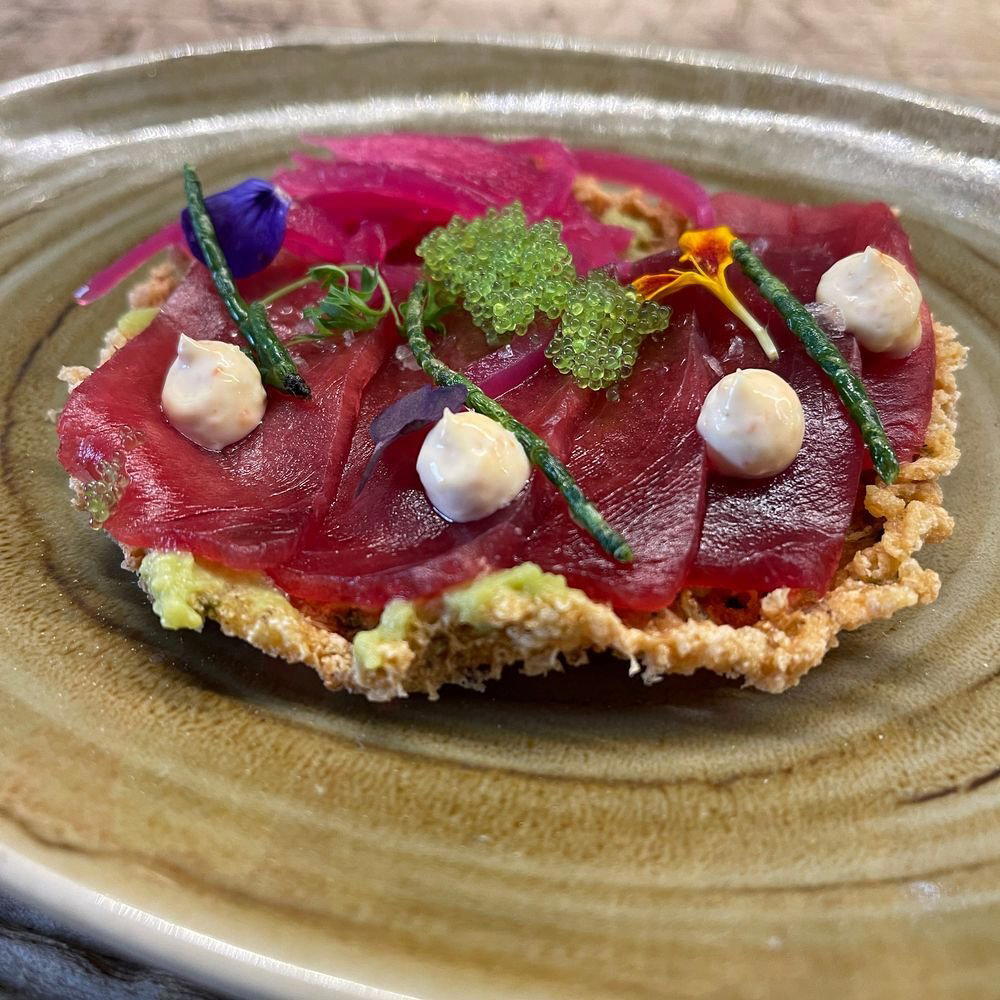
The menu
What to order
- Cochinillo asado (roast suckling pig)
- Cordero lechal asado (roast lamb)
- Judiones de La Granja Gran Duque
- Castilian garlic soup (sopita castellana)
- Soufflé de colas de cangrejo de río
- Ponche segoviano
Approaching Segovia, the city’s food culture announces itself before any menu does: stone streets, cool inland air, and the expectation that lunch will carry weight. Casa Duque fits that rhythm as a restaurant to consider within the city’s established dining map. This is not a place where tradition works only as decoration; it is part of how many meals are understood. The serious tables here are often judged by consistency, welcome, and how well a room handles the ritual of a meal that may stretch across the afternoon.
Segovia’s restaurant identity has long been tied to regional confidence, but the better-known houses now compete on restraint as much as generosity. The question is not only whether the room feels established, or whether service understands the pace of a proper lunch. It is whether the experience treats local expectation with enough discipline to avoid turning heritage into theatre. Casa Duque’s 1 Sol in Guía Repsol 2026 is useful because it signals recognition within Spain’s own restaurant culture, not merely tourist approval.
Local context is the real argument at the table
The strongest way to read Segovia is through context: the surrounding region, familiar dining habits, and meals that sit comfortably with a slower rhythm. That context matters here because the best traditional restaurant experiences are often structurally direct. There is little room to hide behind performance for performance’s sake. A classic Segovian meal, broadly understood, rises or falls on confidence, pacing, and the way a room carries its own sense of place.
That makes Casa Duque part of a broader local category rather than a standalone curiosity. Segovia’s classic restaurants operate in conversation with each other, and the distinctions are practical. José María represents another polished traditional register, while Mesón De Cándido carries the city’s old dining symbolism. Casa Silvano-Maracaibo shifts the frame toward a different expression of local dining, and Villena speaks to Segovia’s modern restaurant tier. Against that set, Casa Duque reads as a recognized Segovian address where the appeal is tied to continuity rather than reinvention.
The local angle is also what separates a serious regional meal from a generic visitor lunch. Segovia receives travellers on tight schedules, and visitor cities can flatten their food culture into symbols. The better experiences resist that flattening by treating familiar dining rituals as living standards. Familiarity does not need novelty; it needs handling that can survive simplicity. In that context, the value of a Repsol Sol is not a trophy line but a filter: it helps distinguish restaurants recognized within a demanding Spanish guide culture from those relying only on passing traffic.
A dining room built for Segovia's long-lunch tempo
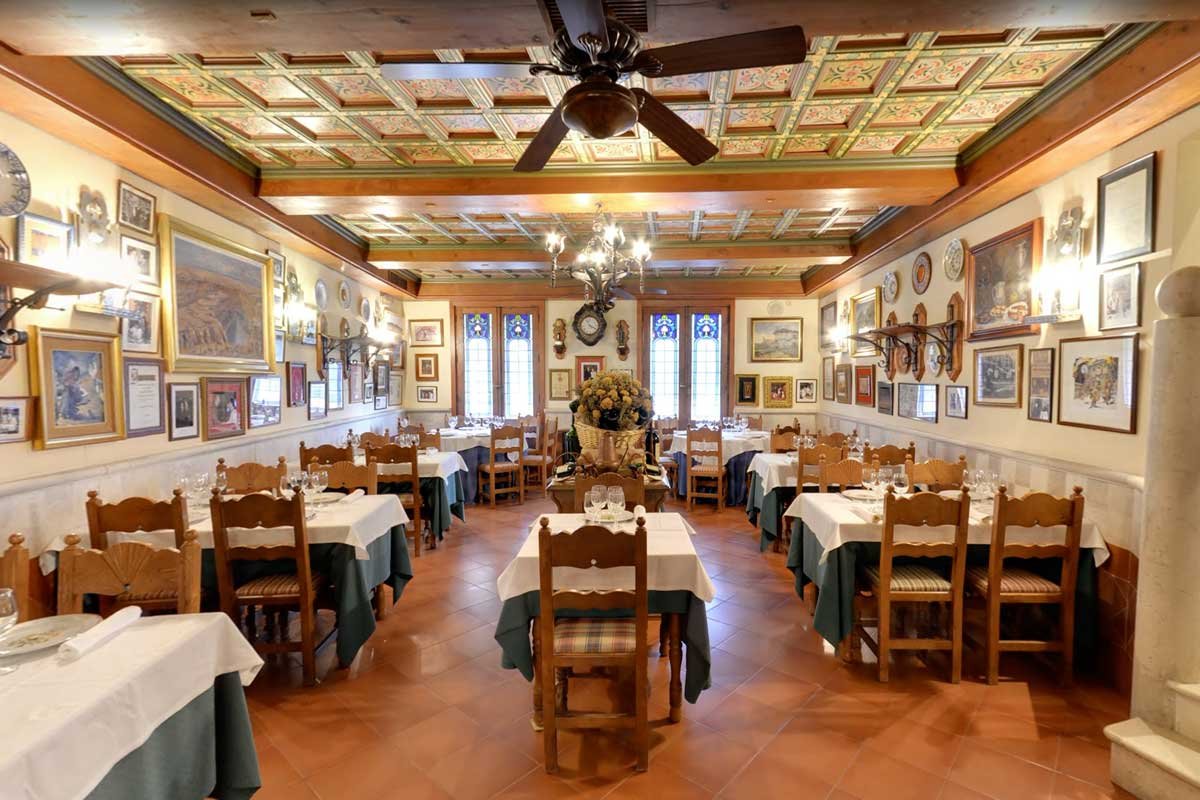
The atmosphere to expect belongs to a Spanish provincial dining mode that international travellers can misread. It is not necessarily hushed luxury, and it is not casual in the fast-service sense. It is a format built around the idea that lunch can be the central event of the day. In Segovia, that matters. The city’s historic setting pulls visitors through a full day of walking, but the restaurant culture asks them to slow down and eat on local time.
Casa Duque sits in that Segovian register: less about spectacle, more about continuity. The appeal is tied to the social function of the meal, where tables turn around conversation, shared time, and the confidence of a restaurant working inside a familiar local frame. Travellers looking for a more contemporary restaurant format will read the city differently at Villena. Travellers interested in Segovia’s established dining culture should judge the experience by pacing, hospitality, and the restaurant’s ability to hold a room through a full Spanish lunch.
That distinction matters because Segovia’s dining scene is compact but layered. Established houses dominate the city’s reputation, contemporary rooms add contrast, and the surrounding region shapes much of the culinary imagination. For a wider map, our full Segovia restaurants guide is the natural starting point; travellers building a full itinerary can pair it with our Segovia hotels guide, our Segovia bars guide, our Segovia wineries guide, and our Segovia experiences guide. The useful itinerary is not a checklist; it is a sequence that gives the city enough time to move from monument to table.
How Casa Duque fits Spain's regional restaurant map
Spain’s restaurant culture is often explained through its major cities, but the sharper reading comes from regional confidence. Segovia does not need to imitate Madrid, Barcelona, or San Sebastián to be compelling. Its power lies in a narrower promise: local identity with enough regional pride to resist dilution. Casa Duque belongs to that conversation, especially for readers who care how older dining traditions retain authority.
Seen across Spain, the contrast is instructive. Capital-city dining rooms sit inside markets with broader stylistic pressure, while coastal, island, inland, and wine-country restaurants answer to different climates, supply chains, and visitor patterns. The point is not to force every Spanish restaurant into the same hierarchy. It is to understand how regional identity can move from one place to another without using the same language.
Casa Duque’s place is more focused: a Segovian restaurant carrying national recognition from Guía Repsol in 2026. That is the reason to put it on a serious food itinerary. Not because it needs to chase novelty, but because it helps explain why regional dining remains persuasive when the room and the broader local context are treated with respect.
For readers comparing formats beyond Spain, the contrast with more specialized or faster-paced dining cultures is useful. Segovia works through duration. The meal is slower, the city’s dining logic feels rooted in place, and the tradition carries the argument.
Frequently asked questions
Is Casa Duque child-friendly?
Casa Duque is a restaurant in Segovia, but family suitability can depend on timing, table availability, and the day’s service. Check with the restaurant directly before planning a meal with children.
What is the atmosphere like at Casa Duque?
Casa Duque fits into Segovia’s established restaurant landscape. The Guía Repsol 1 Sol for 2026 points to a house with recognized standing in Spanish regional dining, rather than simply a casual stop-in spot.
What are the opening hours for Casa Duque?
Opening hours can change, so check Casa Duque directly before planning a meal.
Where exactly is Casa Duque?
Segovia.
What do critics highlight about Casa Duque?
The clearest external marker is Casa Duque’s Guía Repsol 1 Sol for 2026, placing it in a recognized tier within Spanish regional dining.
Can Casa Duque accommodate dietary restrictions?
Dietary flexibility can vary by service and menu. For restrictions such as vegetarian or gluten-free needs, the safest approach is to check the restaurant directly before booking.
Snapshot
Comparable venues by cuisine and price in the same metro.
| Venue | Cuisine | Price | Awards | Notes |
|---|---|---|---|---|
| Casa DuqueThis venue (the venue you are viewing) | Historic Segovian asador & Castilian restaurant | $30–50 | Guía Repsol 1 Sol | Not listed |
| Mesón De Cándido | Traditional Segovian restaurant famous for roast suckling pig | $30–50 | Guía Repsol 1 Sol | Plaza del Azoguejo |
| Villena | Modern Spanish Fine Dining | $50–100 | Michelin Plate · Macarfi 7.1 Food Rating | old city |
| Casa Silvano-Maracaibo | Contemporary Segovian Cuisine | $50–100 | Michelin Plate · Macarfi 7.5 Food Rating | Paseo de Ezequiel González |
| José María | Traditional Castilian with Segovian Roast Suckling Pig | $50–100 | Michelin Plate · Guía Repsol 1 Sol | historical quarter |
| El Cenador De Salvador | Modern Spanish Fine Dining | $50–100 | Guía Repsol 1 Sol | Moralzarzal |
Recognition history
Dated appearances from independent guides and award organizations, with the underlying list record or original source where available.
Guía Repsol 1 Sol
Guía Repsol
Continue exploring
More in Segovia
Restaurants in Segovia
All restaurants in Segovia →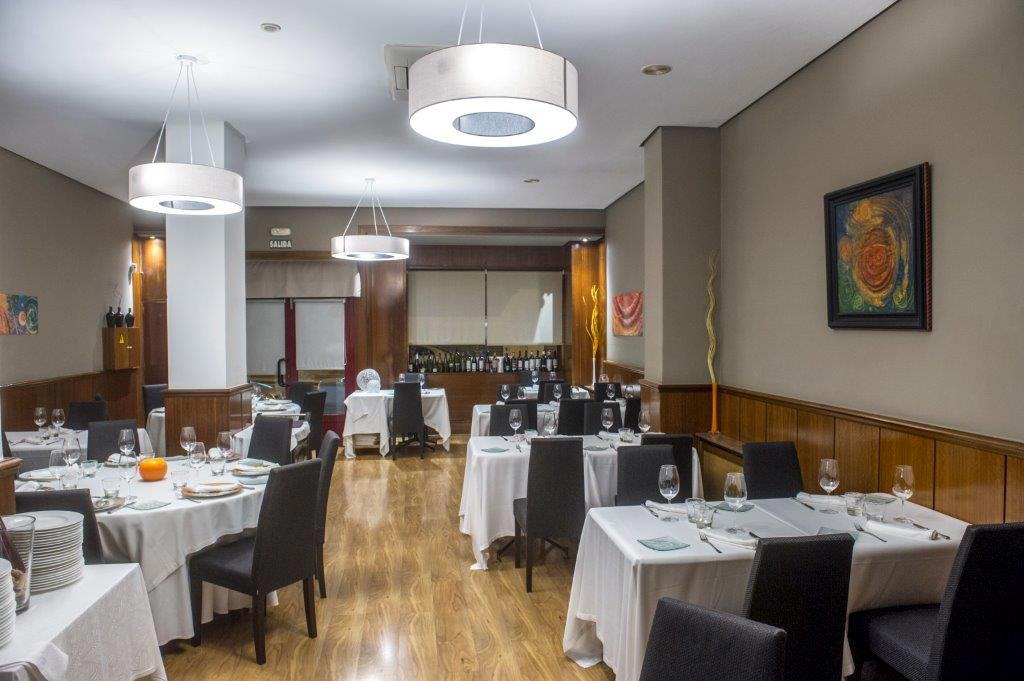
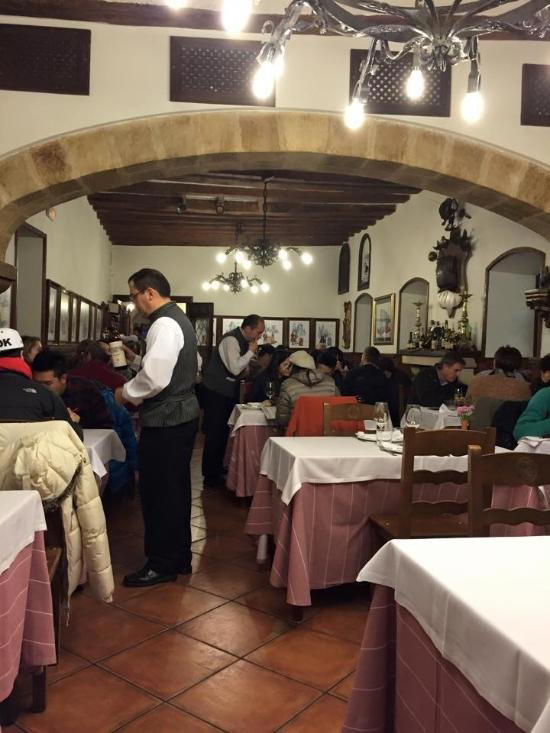
Bars in Segovia
Browse all →
Hotels in Segovia
All hotels in Segovia →

Details
- Classic
- Rustic
- Well Known
- Cozy
- Elegant
- Family
- Group Dining
- Celebration
- Special Occasion
- Business Dinner
- Casual Hangout
- Historic Building
- Private Dining
- Standalone
- Extensive Wine List
- Beer Program
- Local Sourcing
- Street Scene
- A La Carte
- Set Menu
- Wine
- Beer
- Vegetarian Friendly
Current opening hours
- Monday
- 12–11 PM
- Tuesday
- 12–11 PM
- Wednesday
- 12–11 PM
- Thursday
- 12–11 PM
- Friday
- 12–11 PM
- Saturday
- 12–11 PM
- Sunday
- 12–11 PM
Hours can change for holidays and private events. Hours as of .
Warm, traditional Castilian atmosphere with wood ceilings, carved doorways, brick and wood details, and walls filled with awards and historic photos, giving a cozy yet grand, old-world feel suitable for leisurely celebratory meals.