Mencius' Gourmet Hunan Restaurant
Mencius' Gourmet Hunan Restaurant on Fredericksburg Road brings one of China's most assertively spiced regional cuisines to San Antonio's medical center corridor. The kitchen works in a tradition built on dried chilies, fermented black beans, and slow-braised cuts that Cantonese-inflected Chinese-American restaurants rarely touch. For regulars in the know, this is the address for Hunan cooking with genuine regional character.
Pearl is the En Primeur Club membership app — saves, bookings, and concierge access live there. Same editors, same standards.
- Address
- 7959 Fredericksburg Rd, San Antonio, TX 78229
- Phone
- +12106151288
- Website
- menciussanantonio.com
- Directions
- Get directions
 Saves & bookings on Pearl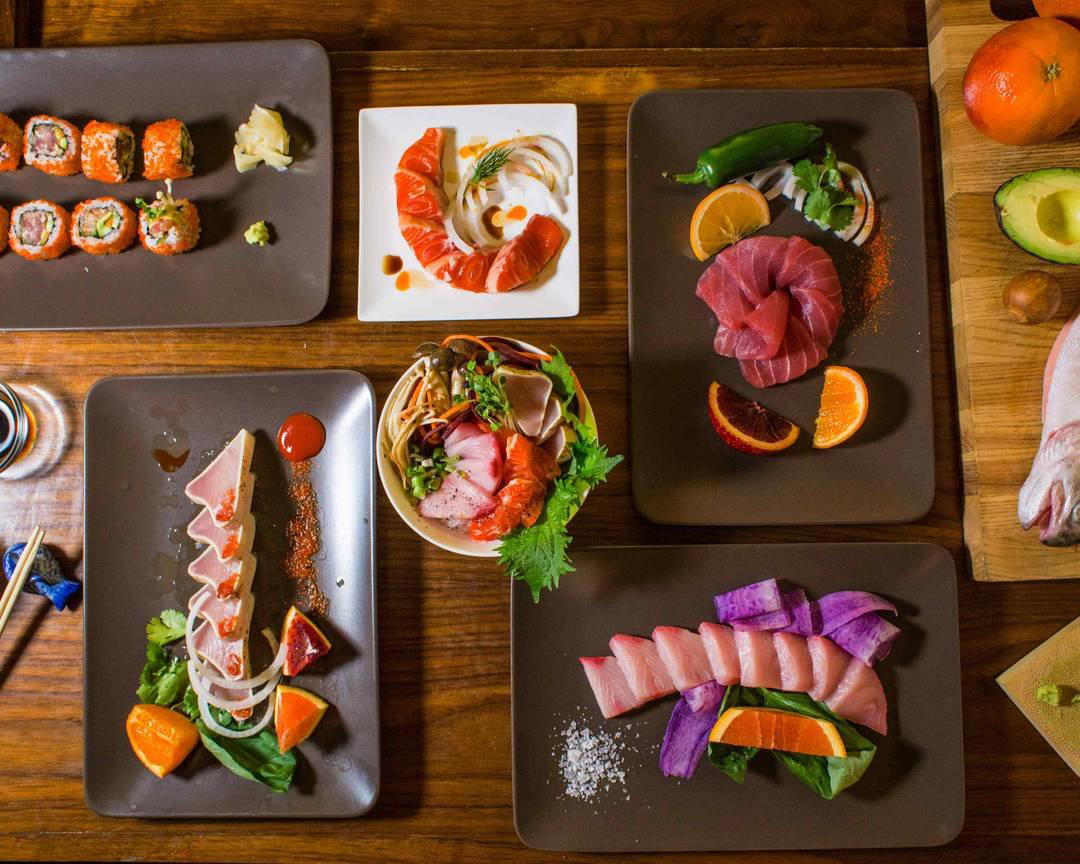
Where the Medical Center Crowd Has Been Going for Years
Fredericksburg Road, the long commercial artery running northwest through San Antonio's medical center district, is not a neighborhood that draws food writers on assignment. The strip runs through institutional territory: hospital campuses, clinical offices, pharmacies. What it also has, at 7959, is Mencius' Gourmet Hunan Restaurant, a place whose regulars tend to say little about it publicly, which is precisely why it has stayed full. In a city where the conversation about Chinese food is still catching up to the reality of what's available, Mencius has built its reputation the old way: one returning table at a time.
The context matters here. Hunan cuisine sits in a distinct position within China's regional cooking traditions. It is not the milder, sauce-driven style that shaped most early Chinese-American restaurants, nor is it the numbing, Sichuan peppercorn-forward cooking that has absorbed most of the Western food world's recent attention. Hunan cooking is hot in a different register: dried chilies, fresh chilies, and smoked or cured ingredients that layer heat with fermented depth. The province's cooks have a phrase for it: dry heat, as opposed to Sichuan's oily heat. What that means at the table is dishes that have a directness to them, a structural clarity, rather than the fragrant complexity of a mala broth.
What Keeps People Coming Back
The regulars at a place like Mencius are not returning for novelty. They are returning because the kitchen delivers something consistent that is otherwise difficult to find in San Antonio. San Antonio's Chinese restaurant scene skews heavily toward Americanized Cantonese and the broader Sichuan-inflected wave that has reached most major Texas cities, meaning that a Hunan-specific kitchen occupies a narrower, more specific niche. For the table that has found it, the draw is precisely that specificity.
Hunan dishes that appear on menus with genuine regional intent tend to involve techniques that take longer: twice-cooked pork belly cured and then seared, whole fish steamed or braised rather than quickly wok-tossed, fermented black bean preparations that require sourcing and preparation outside the standard supply chain. These are not dishes that emerge from a kitchen optimizing for speed. The regulars at this kind of restaurant have learned to read that reality into what arrives at the table.
In the broader context of American cities developing more serious regional Chinese cooking, San Antonio sits behind Houston and Austin in sheer volume of options. Houston's Bellaire corridor has a density of Hunan, Sichuan, Cantonese, and Shanghainese restaurants that competes with any market outside New York or the San Gabriel Valley. Austin has seen a wave of Taiwanese and Sichuan openings over the past decade. San Antonio's Chinese dining scene is more compressed, which gives a focused Hunan kitchen a clearer lane. The comparison set is small, and Mencius occupies it.
The Cuisine in Its Regional Context
Mao Zedong's association with Hunan cooking gave the region a kind of shorthand recognition in the West, but it has not translated into the same mainstream awareness that Sichuan cuisine achieved through the mala trend. That gap is partly a function of the cuisine's flavor profile. Hunan cooking does not lean on a single defining ingredient the way Sichuan relies on the peppercorn. Its complexity comes from combinations: dried chili and preserved vegetables, smoke and ferment, the sweetness of fresh ingredients against the funk of aged ones. That layering requires a kitchen that understands the sourcing and the sequence, not just the heat level.
San Antonio diners who eat regularly at Mencius often point to preparations that carry that preserved and fermented dimension as the ones that distinguish the kitchen from more generalist Chinese-American cooking. The broader Chinese restaurant category in Texas has expanded significantly, but Hunan-specific technique remains a narrower discipline. Restaurants in San Antonio that compete most directly for the adventurous-eater dollar tend to come from different culinary traditions: Mixtli operates in a tasting-menu format built on Mexican regional cuisine, while Isidore works in the Texan fine-dining register. The market for serious regional Chinese cooking in the city is distinct from those conversations, and largely its own.
Planning Your Visit
Mencius' Gourmet Hunan Restaurant is located at 7959 Fredericksburg Road, in the medical center corridor on the city's northwest side. The area is accessible by car and sits within the general zone of the South Texas Medical Center campus. For first-time visitors, the surrounding neighborhood signals nothing about what's inside, which is part of why the regulars feel proprietary about the address. Contact and reservation details are best confirmed directly with the restaurant before visiting, as public booking and hours data can shift. The Fredericksburg Road location places it outside the downtown and River Walk concentration of restaurants, so it functions as a destination rather than a walk-in stop. For those building a broader San Antonio dining itinerary, our full San Antonio restaurants guide covers the range of options, from 2M Smokehouse in the barbecue category to 1Watson and 410 Diner for other points on the city's dining map.
For context on what the broader American fine-dining conversation looks like, the distance between a neighborhood Hunan specialist and a destination like Le Bernardin in New York City or Alinea in Chicago is considerable in format and price. Closer analogues in the regional Chinese specialist category are more common in coastal markets: think of the way Providence in Los Angeles sits in a different ecosystem from the Cantonese seafood houses of the San Gabriel Valley. The point is that specialist regional kitchens and prestige tasting-menu venues serve different functions, and Mencius belongs firmly to the former category: a kitchen with a specific regional focus serving a city that, for now, has limited competition in that lane.
Price and Recognition
Comparable venues nearby, for context on price, style, and recognition.
| Venue | Cuisine | Price | Notes |
|---|---|---|---|
| Mencius' Gourmet Hunan RestaurantThis venue — the venue you are viewing | Northwest, Gourmet Hunan Chinese | $$$ | Not listed |
| Golden Wok | Northwest, Traditional Chinese Dim Sum | $$ | Not listed |
| Brasserie Mon Chou Chou | River North District, French Brasserie | $$$ | Not listed |
| Ravello Italian Cuisine | Northeast, Upscale Italian Steakhouse | $$$ | Not listed |
| Supper | Not listed | $$$ | River North District, Seasonal American Farm-to-Table |
| sichuan garden | North Central, Authentic Sichuan Chinese | $$ | Not listed |
Continue exploring
More in San Antonio
Restaurants in San Antonio
Browse all →
Bars in San Antonio
Browse all →
Hotels in San Antonio
Browse all →

At a Glance
- Classic
- Family
- Casual Hangout
- Group Dining
- Standalone
Current opening hours
- Monday
- 11 AM–9 PM
- Tuesday
- 11 AM–9 PM
- Wednesday
- 11 AM–9 PM
- Thursday
- 11 AM–9 PM
- Friday
- 11 AM–9 PM
- Saturday
- 11:30 AM–9 PM
- Sunday
- 11:30 AM–9 PM
Hours can change for holidays and private events. Last verified .
Dining room with black lacquer tables serving Asian sauces in attractive ceramic dishes, described as an old but clean neighborhood icon.