Mekong Cat
Our verdict
Mekong Cat occupies a spot on Lower Hillgate, one of Stockport's more characterful streets, where the town's independent dining scene has gradually thickened over the past decade. The name signals Southeast Asian territory, placing it within a regional food tradition that rewards sourcing discipline and technique in equal measure. For Stockport diners looking beyond the obvious, it sits alongside a growing cluster of independent addresses worth tracking.

Pearl is the En Primeur Club membership app, where members save venues, book tables and use the concierge.
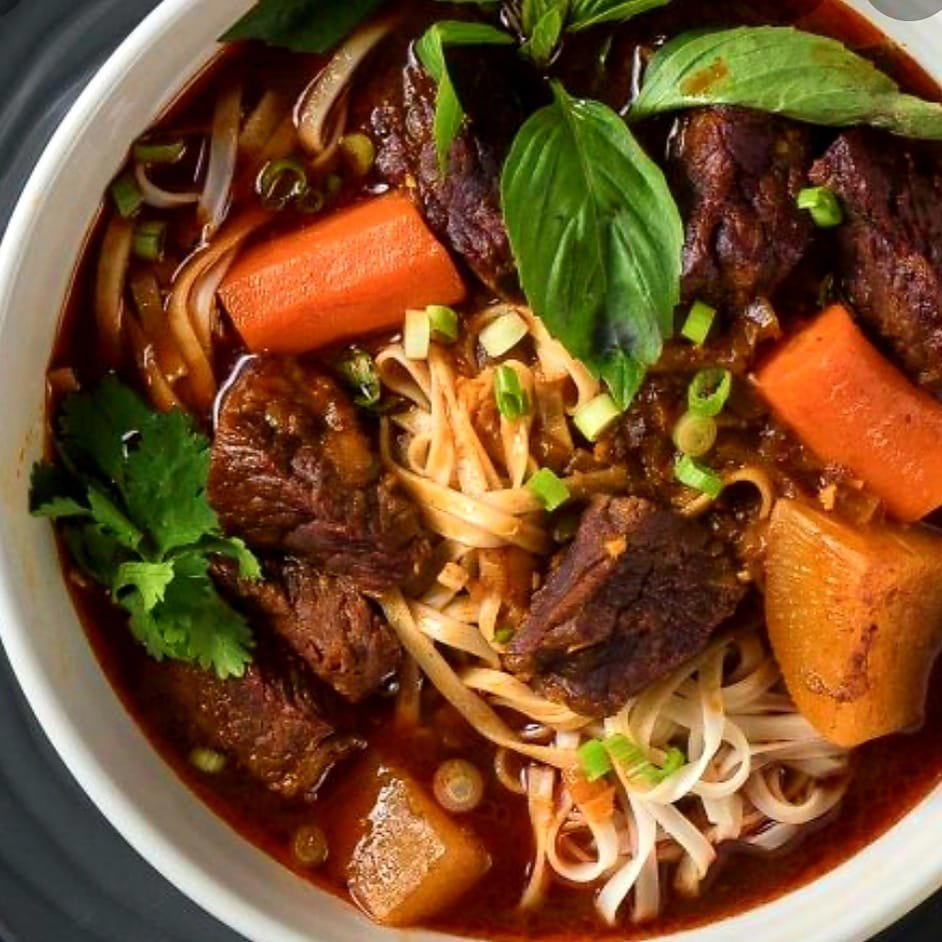
The menu
What to order
- Phnom Penh noodles
- Prawn summer rolls
- Crispy pork rolls
- Cha Kroueng
Lower Hillgate and the Geography of Stockport's Independent Dining
Lower Hillgate is one of those streets that accumulates restaurants the way older market towns tend to: incrementally, through independent operators rather than chain rollouts, with the texture of the street shifting gradually as each new opening stakes a position. Mekong Cat at number 47 is part of that pattern. The address places it within walking distance of Stockport's market quarter, in a stretch where the built fabric is Victorian commercial and the dining offer is increasingly diverse. Arriving on Lower Hillgate, you are in the part of Stockport that functions as a proving ground for independent hospitality, the kind of environment where a Southeast Asian kitchen has room to operate on its own terms rather than against a homogenised high-street backdrop.
That context matters when thinking about what a place like Mekong Cat represents in Stockport's food scene. The town has developed a credible independent restaurant cluster over the past several years, ranging from the modern British seriousness of Where The Light Gets In, which operates at the formal end of the spectrum, through to casual international addresses. Mekong Cat occupies a distinct position within that cluster, bringing Southeast Asian cooking to a neighbourhood that is still building out its range. For a fuller picture of what Stockport's independent dining scene currently looks like, the EP Club Stockport restaurants guide maps the relevant addresses across price tiers and cuisines.
Southeast Asian Cooking and the Sourcing Question
Southeast Asian cuisines, whether Vietnamese, Thai, Lao, or Cambodian in orientation, are among the most ingredient-dependent in the world. The register of a proper pho broth, the balance of a green papaya salad, or the depth of a laab depends less on technique alone and more on the provenance and condition of core aromatics: galangal versus ginger, fresh turmeric versus dried, lemongrass cut at the right stage. In British cities outside London, the sourcing challenge for kitchens working in this tradition is real. The wholesale infrastructure that supplies Southeast Asian aromatics to London's specialist suppliers does not always reach secondary cities at the same quality or frequency.
This is where kitchens operating in smaller British cities either distinguish themselves or default. The better ones build supplier relationships that allow them to work with fresh aromatics rather than jarred pastes, and they calibrate their menus around what they can reliably source at a given quality level rather than overreaching into ingredients that will arrive in compromised condition. For diners, the signal is usually in the broth and the herb plates: a kitchen that can put fresh Vietnamese coriander, saw-tooth herb, and perilla on the table at the right moment is operating with genuine sourcing discipline. The same principle applies across the broader Southeast Asian tradition, where the difference between a kitchen working with whole dried chilies, fresh shallots, and fish sauce of known origin versus one working with pre-blended pastes is audible in the dish.
Stockport's position in the Greater Manchester food supply network gives kitchens here access to suppliers that feed the city's substantial Southeast Asian restaurant cluster. Manchester has long supported Vietnamese and Thai restaurants with enough critical mass to sustain specialist importers, and operators in Stockport can draw on that supply chain. The question for any individual kitchen is whether it chooses to engage with that infrastructure seriously, and how that choice shows up on the plate.
Stockport's independent dining scene currently spans a range of international cuisines, with Bombay to Mumbai covering the South Asian end, Mr Chong Chinese Restaurant representing Chinese cooking, and newer arrivals like Cantaloupe and Casa De Casa broadening the offer further. Within that set, Southeast Asian cooking occupies a relatively underserved position, which means Mekong Cat is not competing against an established cluster of comparable addresses in the immediate vicinity. That absence of direct local competition is a structural advantage, though it also places the burden of setting standards squarely on the kitchen itself.
The comparison set that matters most for evaluating Southeast Asian cooking in northern England is not the high-end tasting menu circuit, where addresses like L'Enclume in Cartmel or Moor Hall in Aughton operate in an entirely different register, nor London-anchored operations like CORE by Clare Smyth or Opheem in Birmingham. In that tier, the absence of awards or formal recognition does not automatically indicate weakness; many of the most disciplined Southeast Asian kitchens in Britain operate below the formal award radar, building their reputations through repeat custom rather than critical machinery.
For diners who use Michelin or 50 Best signals as primary navigation tools, the reference points in those systems for understanding what serious Southeast Asian cooking looks like at the technical end are global: Le Bernardin in New York City represents the precision end of ingredient-led cooking generally, while Atomix in New York City shows what Korean fine dining looks like when it operates at the highest level of sourcing and technique. These are not direct comparisons to Mekong Cat, but they establish the framework: ingredient sourcing, consistency, and format discipline are what separate the serious operators from the casual ones at every price point.
Planning a Visit
Mekong Cat is at 47 Lower Hillgate, Stockport SK1 1JQ, a short walk from Stockport town centre and accessible from Stockport railway station, which sits on the main Manchester Piccadilly to London Euston line. For current hours, booking information, and any menu or price updates, checking directly via a search for the restaurant's current contact details is advisable, as operational specifics are subject to change at any independent venue. Lower Hillgate has on-street parking and is well served by local bus routes connecting to the wider Stockport and Greater Manchester area.
Frequently asked questions
Is Mekong Cat good for families?
Lower Hillgate's independent restaurant strip is generally accessible to mixed-age groups, and Mekong Cat's address at 47 Lower Hillgate puts it close to Stockport town centre with straightforward transport links from Stockport railway station. Southeast Asian menus typically span a range of heat levels and sharing formats, which tends to suit family dining reasonably well. For specifics on high chairs or children's portions, check the venue's official channels before visiting.
What's the vibe at Mekong Cat?
Mekong Cat sits on Lower Hillgate, a street that has built its dining identity through independent operators rather than chains, which sets the tone for the block as a whole. Expect a relaxed, independent-restaurant atmosphere consistent with that stretch of Stockport SK1.
How does Mekong Cat compare to other independent restaurants on Lower Hillgate, Stockport?
Mekong Cat occupies the Southeast Asian end of Lower Hillgate's independent dining range, sitting alongside Stockport venues covering South Asian and Chinese cuisines. That concentration of independents on a single street is relatively uncommon for a town of Stockport's size, and Mekong Cat's Mekong-region focus fills a gap that few other operators in SK1 address. For travellers arriving via Stockport railway station, the entire Lower Hillgate strip is walkable within a few minutes.
What's the signature dish at Mekong Cat?
Southeast Asian cooking in the Mekong-region tradition draws on Vietnamese, Lao, Thai, and Cambodian influence, with dishes typically built around fresh aromatics, fermented condiments, and rice or noodle bases. Checking directly with the restaurant at 47 Lower Hillgate will give you the current menu picture.
Comparable Venues
Comparable venues nearby, for context on price, style, and recognition.
| Venue | Cuisine | Price | Awards | Notes |
|---|---|---|---|---|
| Mekong CatThis venue (the venue you are viewing) | Southeast Asian Noodles (Thai, Vietnamese, Cambodian, Laotian) | $10–20 | Not listed | Not listed |
| Mr Chong Chinese Restaurant | Cantonese & Szechuan Chinese | $20–30 | Not listed | Disley |
| Cantaloupe | Modern European Bistro | $50–100 | Michelin Bib Gourmand | Underbank |
| Casa De Casa | Mediterranean Tapas | $20–30 | Not listed | Heaton Moor |
| Bombay to Mumbai | Modern Mumbai Street Food | $20–30 | The Good Food Guide GFG Good | Bramhall |
| Where The Light Gets In | Modern British Seasonal Tasting | $100–150 | Michelin Plate · Star Wine List | Stockport town centre |
Continue exploring
More in Stockport
Restaurants in Stockport
All restaurants in Stockport →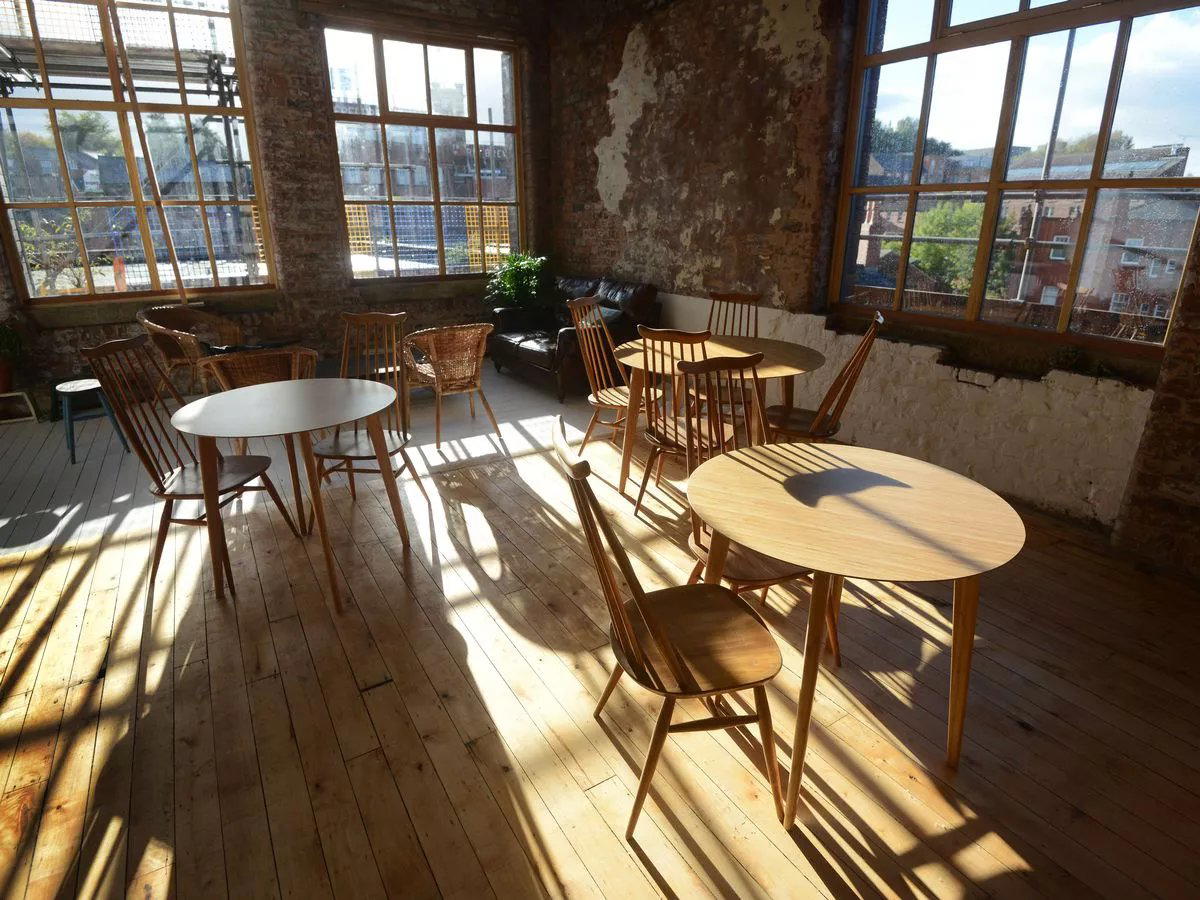
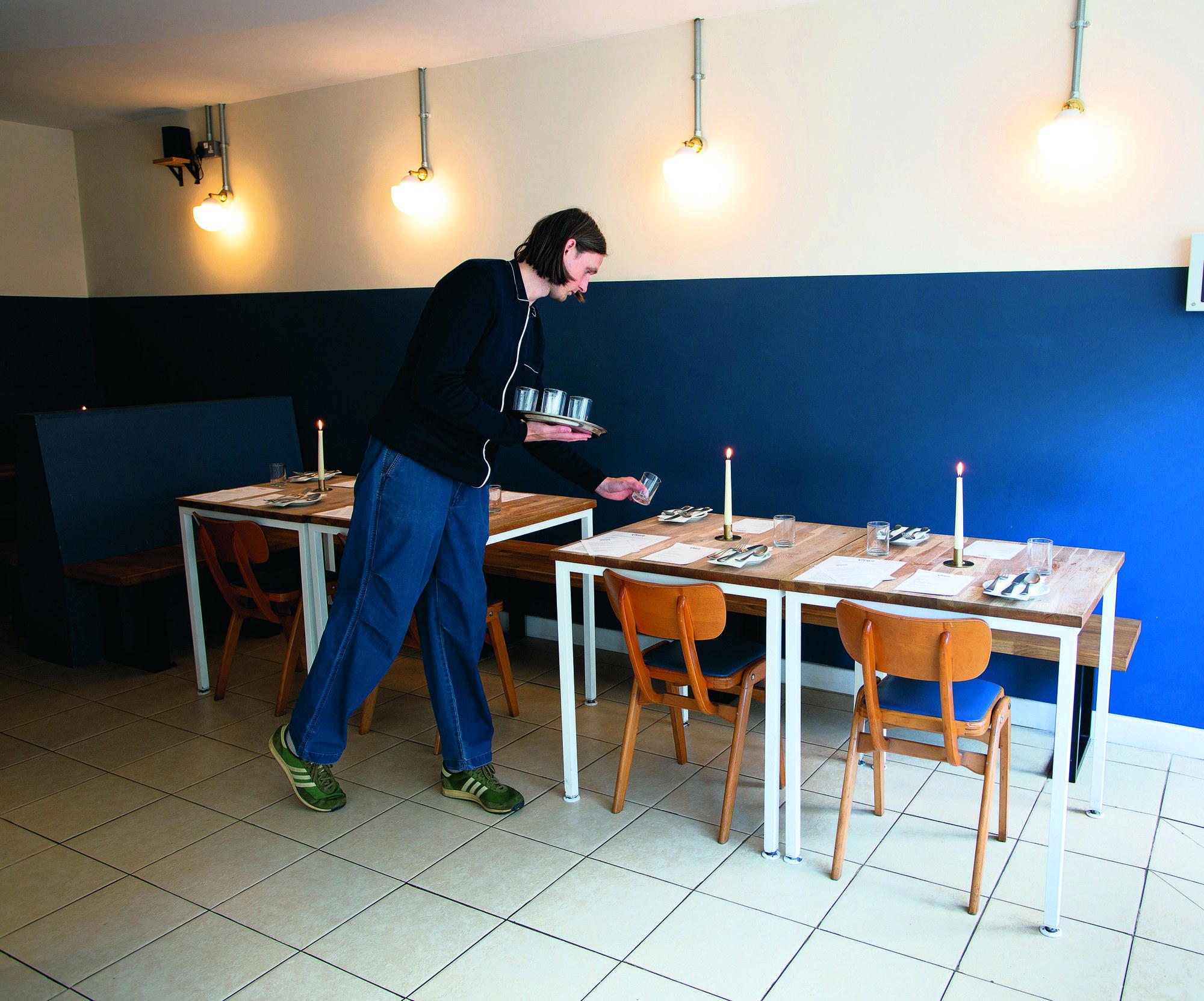
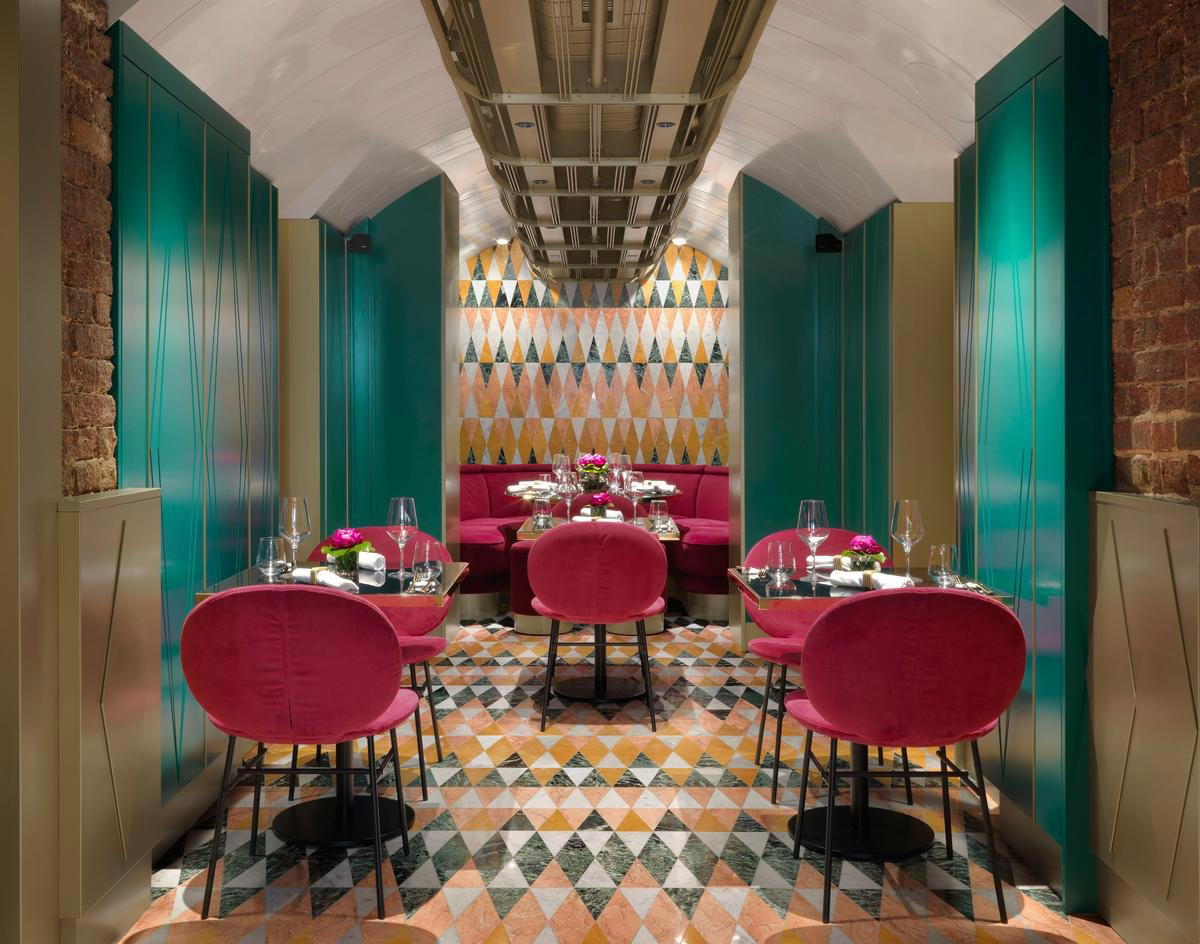
Bars in Stockport
Browse all →

Details
- Casual
- Cozy
- Casual Hangout
- Group Dining
- Solo
- Open Kitchen
- Standalone
- Byob
- A La Carte
- Byob
- Vegetarian Friendly
- Vegan Options
- Gluten Free Options
Current opening hours
- Monday
- Closed
- Tuesday
- 12–10 PM
- Wednesday
- 12–10 PM
- Thursday
- 12–10 PM
- Friday
- 12–10 PM
- Saturday
- 12–10 PM
- Sunday
- 12–10 PM
Hours can change for holidays and private events. Hours as of .
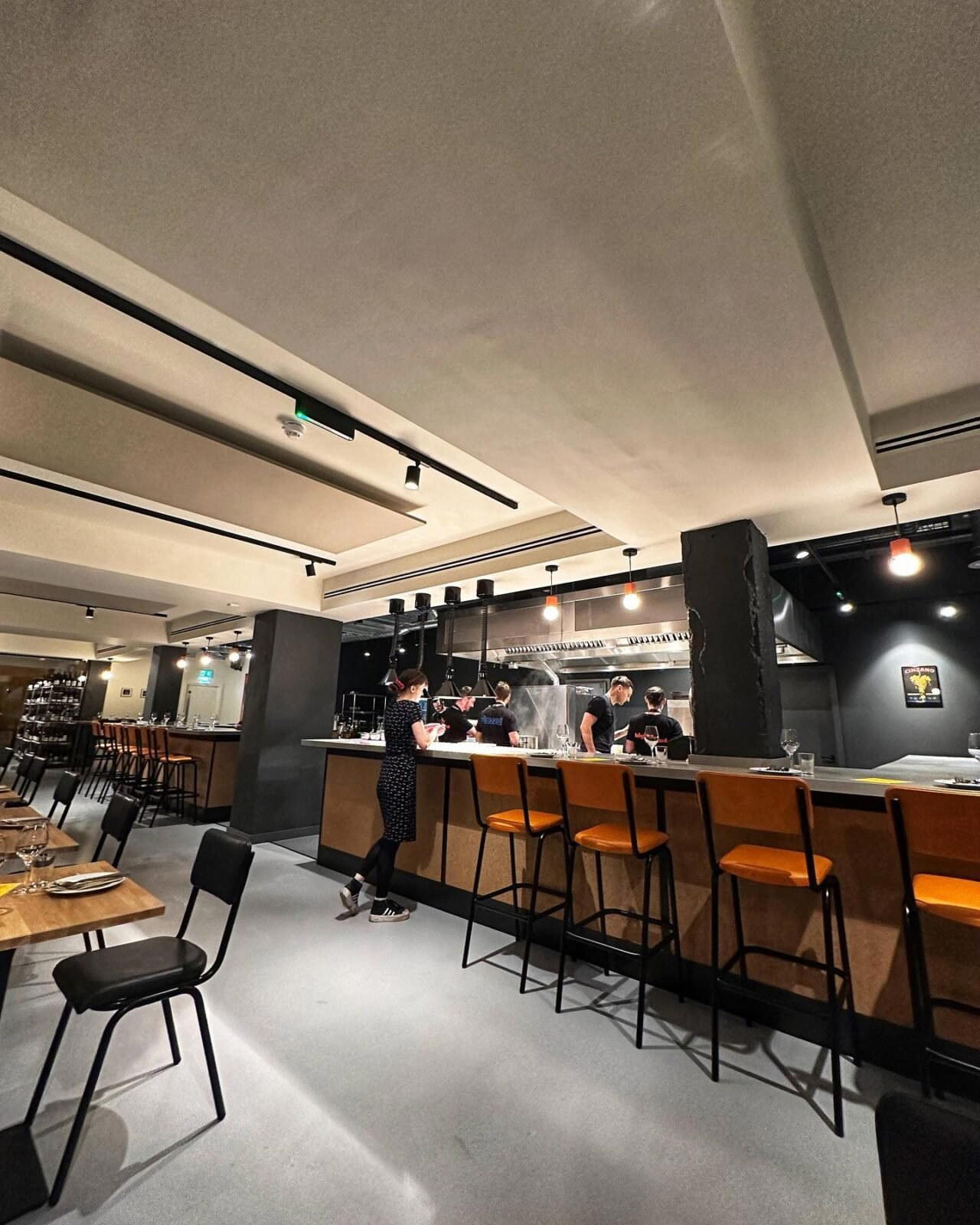
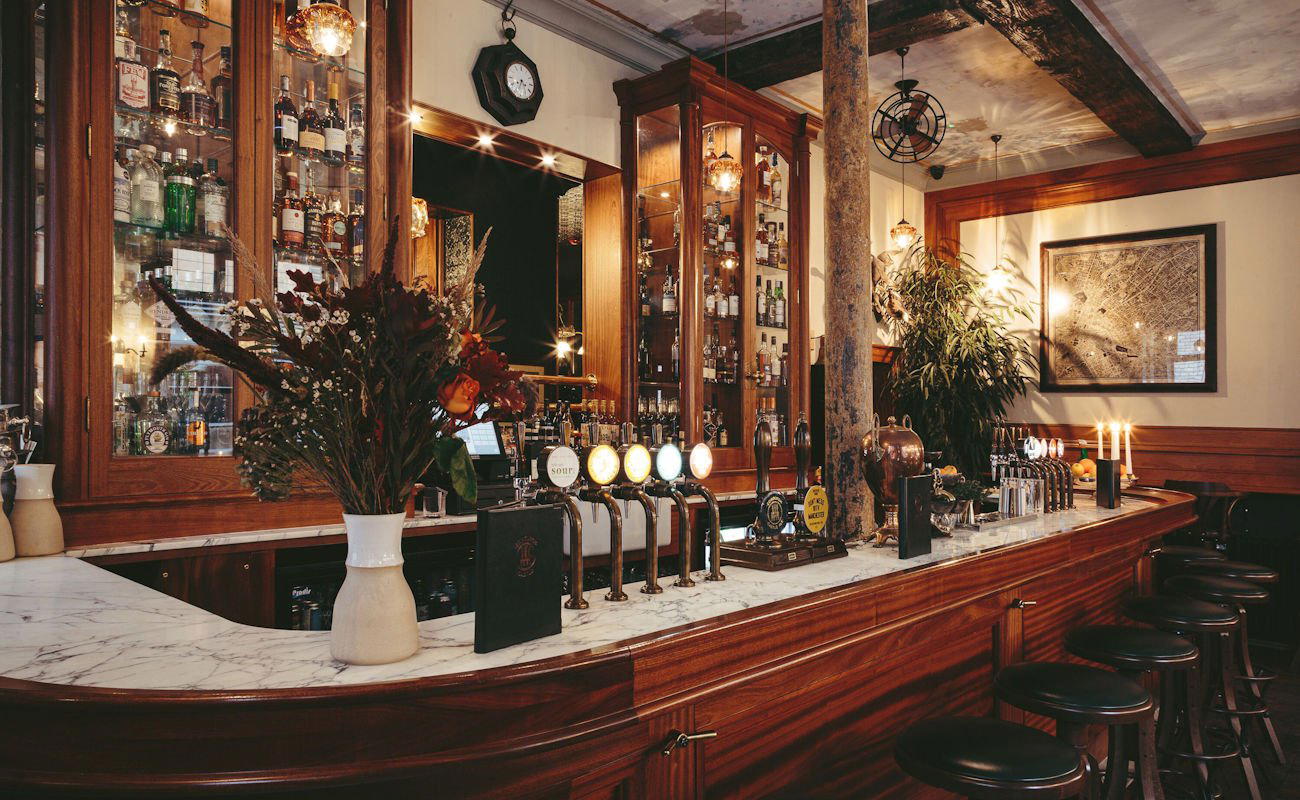
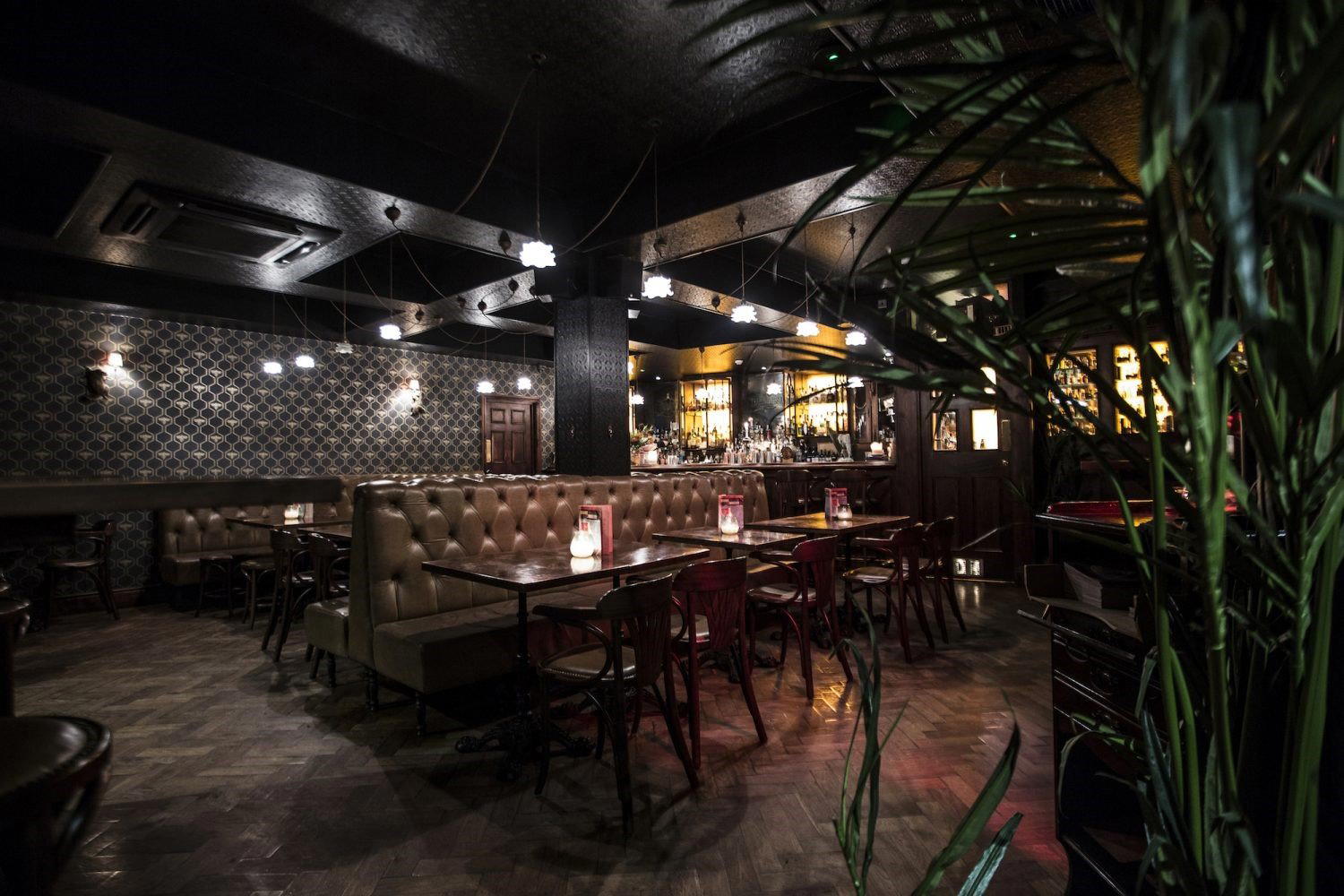
Small, casual space with wooden booth seating and open kitchen; warm and welcoming with a neighborhood feel.