Mein
Our verdict
Mein occupies a strip mall address on Clarewood Drive in southwest Houston's Sharpstown corridor, a neighborhood where the density of Vietnamese, Chinese, and pan-Asian kitchens rivals any comparable stretch in the country. The room is unadorned and the prices reflect the surroundings, which means the food does the talking. For diners who know where to look in Houston's sprawling immigrant-restaurant ecosystem, this address is already on the list.

Pearl is the En Primeur Club membership app — saves, bookings, and concierge access live there. Same editors, same standards.
- Address
- 9630 Clarewood Dr ste a13, Houston, TX 77036
- Phone
- (713) 923-7488
- Hours
- Mon ClosedTue–Thu 11 AM–3 PM, 5–10 PMFri–Sat 11 AM–3 PM, 5–11 PMSun 11 AM–3 PM, 5–10 PM
- Website
- eatmein.com
- Directions
- Get directions
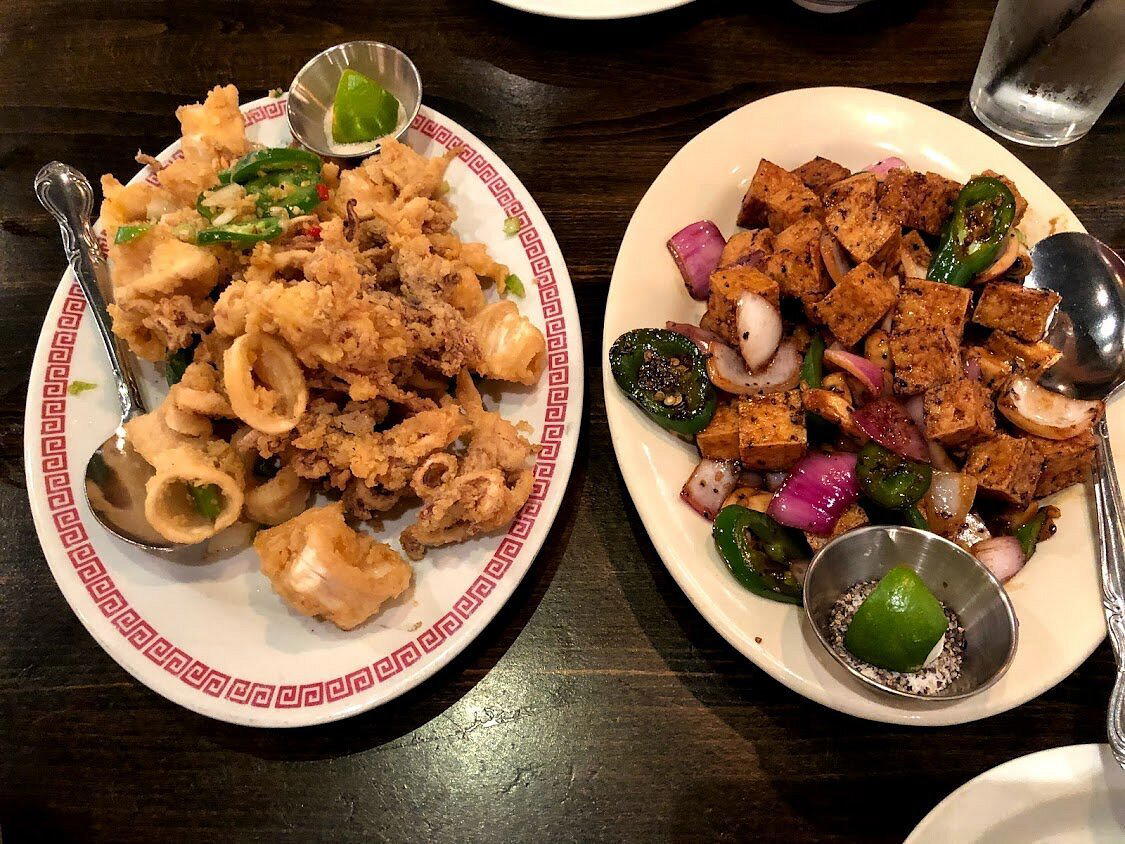
The menu
What to order
- Pork soup dumplings
- Charsiu pork
- XO fried rice
- Shaking chicken
- Red chili dumplings
Southwest Houston and the Strip Mall Kitchen Tradition
In Houston's Sharpstown and Bellaire corridor, strip mall addresses are not a concession to circumstance — they are the primary format through which some of the city's most serious immigrant-run kitchens operate. Mein, at 9630 Clarewood Drive, sits squarely inside this tradition. The address — a suite in an unassuming strip development, signals to anyone familiar with Houston's southwest quadrant that the kitchen is not performing for out-of-neighborhood visitors. It is cooking for people who know what the dish is supposed to taste like.
This matters for framing the experience. Houston's restaurant conversation tends to cluster around the fine-dining corridors that feature venues like March with its Venetian-influenced tasting menus, or Musaafer with its architecturally ambitious Indian cooking, or the Spanish rigor of BCN Taste & Tradition. Mein operates at a completely different register, one that the city's broader dining culture depends on just as much, and that visitors from outside Texas consistently underestimate. For context on how the full spectrum holds together, the EP Club Houston restaurants guide maps the range from this tier through to the white-tablecloth end.
The Ingredient Logic of Southwest Houston's Noodle Kitchens
The editorial angle that matters most for a venue like Mein is sourcing, not in the farm-to-table sense that defines restaurants like Single Thread Farm in Healdsburg or Blue Hill at Stone Barns, but in the more immediate sense of proximity to the supply chain. Southwest Houston's restaurant density exists partly because the area's Asian grocery infrastructure is among the deepest in any American city outside of the West Coast's major Chinatown corridors. Producers, importers, and distributors who supply these restaurants operate within miles of the kitchens they serve. The result is that a noodle kitchen on Clarewood Drive can access dried goods, fresh aromatics, and proteins through networks that have been refined over decades of immigrant community commerce, networks that a higher-profile venue across town would need to consciously seek out.
This is the quiet sourcing advantage that rarely appears in food media coverage of Houston's Asian restaurant scene. The ingredient quality available to a modest strip mall kitchen in this part of the city is often higher for certain categories, specific noodle types, fermented condiments, regional chili preparations, than what a prestige kitchen with a broader purchasing mandate can reliably obtain. When noodle kitchens in this corridor get regional dishes right, it is frequently because the supply chain is intact in a way it simply isn't elsewhere. Comparable dynamics operate at the ingredient-sourcing level in the kitchens around Tatemó, where masa sourcing defines the product, or at places like Le Jardinier Houston, where vegetable procurement is a stated program priority.
Where Mein Sits in Houston's Asian Kitchen Tier
Houston's Asian restaurant market is large enough and differentiated enough that a single venue on Clarewood Drive occupies a specific tier rather than a general category. The city has omakase counters at the high end, venues whose price-per-head rivals what you would spend at Atomix in New York or Providence in Los Angeles. It has mid-tier pan-Asian restaurants targeting the suburban lunch and dinner crowd. And it has the dense, community-anchored tier to which Mein belongs, where the competitive set is defined by regulars who have strong opinions about noodle texture, broth depth, and regional authenticity rather than by national publication coverage or awards recognition.
This tier is harder to evaluate from the outside precisely because the feedback loop is internal. The kitchens that survive and develop a following in southwest Houston's strip mall ecosystem do so because the surrounding community, Vietnamese-American families, recent immigrants, workers who grew up eating the regional dishes in question, returns consistently and holds the kitchen accountable. That social proof mechanism is different from, say, the Michelin feedback cycle that governs how a venue like The French Laundry is evaluated, but it is no less rigorous. For certain categories of noodle dish, it may be more rigorous.
Planning a Visit to Clarewood Drive
Mein's Clarewood Drive location places it in a part of Houston that rewards a half-day commitment rather than a single stop. The stretch of southwest Houston running from Sharpstown through Bellaire's Chinatown corridor holds more significant Asian kitchens per square mile than almost anywhere in the continental United States outside of specific Los Angeles and New York neighborhoods. A meal at a noodle kitchen like Mein pairs logically with a pass through the nearby Asian grocery markets, where the same ingredient networks that supply the area's restaurants are visible on the shelf level. Confirming service times directly before visiting is advisable, as strip mall kitchen operations at this price tier frequently run limited hours or take periodic closures without advance online notice.
For visitors whose Houston itinerary includes the full range of the city's dining, the ambitious tasting menu end represented by venues like March or the regional Indian cooking at Musaafer, alongside the kind of community-anchored kitchens that make Houston genuinely distinctive, the southwest Asian corridor belongs on the schedule with the same weight as any white-tablecloth reservation. The city's food reputation was built substantially on this tier. Dining rooms like the ones operating around Clarewood Drive predate most of Houston's fine-dining industry and will likely outlast several rounds of it. Venues in comparable ingredient-sourcing and community-accountability tiers elsewhere in the country, Emeril's in New Orleans, Smyth in Chicago, or the produce-forward ethos of Addison in San Diego, operate with different formats and price points, but all share a commitment to knowing exactly where their core ingredients come from. At Mein, that knowledge is baked into the neighborhood itself.
Frequently asked questions
What do people recommend at Mein?
Should I book Mein in advance?
What is Mein known for?
Is Mein good for vegetarians?
Is eating at Mein worth the cost?
How does Mein compare to other noodle kitchens in southwest Houston's Clarewood corridor?
Where the Accolades Land
Comparable venues nearby, for context on price, style, and recognition.
| Venue | Cuisine | Price | Notes |
|---|---|---|---|
| MeinThis venue — the venue you are viewing | Modern Cantonese | $20–30 | Not listed |
| Ginger & Fork | Modern Hong Kong Cantonese | Not listed | Memorial |
| HK Dim Sum | Hong Kong Dim Sum | $10–20 | Bellaire West |
| Xin Jiang BBQ | Authentic Xinjiang BBQ | $20–30 | Sharpstown |
| Toukei | Japanese Izakaya | $30–50 | Bellaire West |
| Tofu Village | Traditional Korean Tofu House | $10–20 | Bellaire West |
Continue exploring
More in Houston
Restaurants in Houston
Browse all →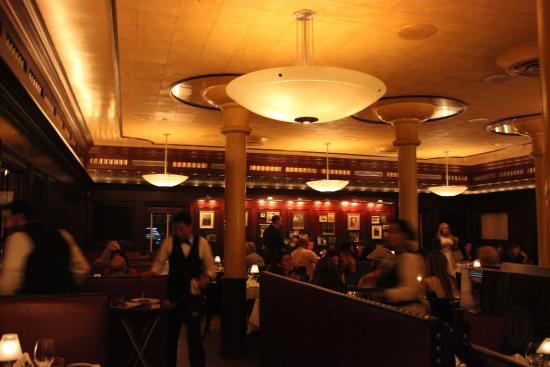
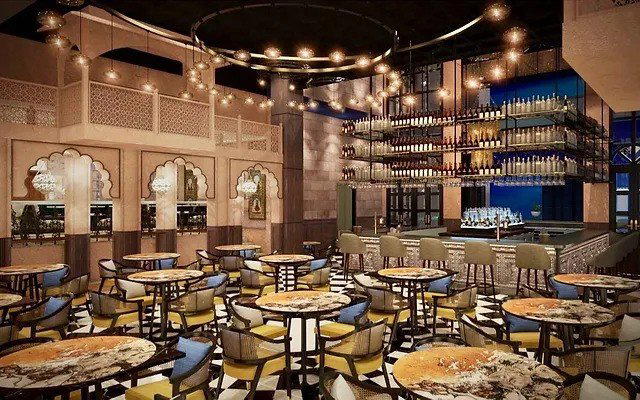
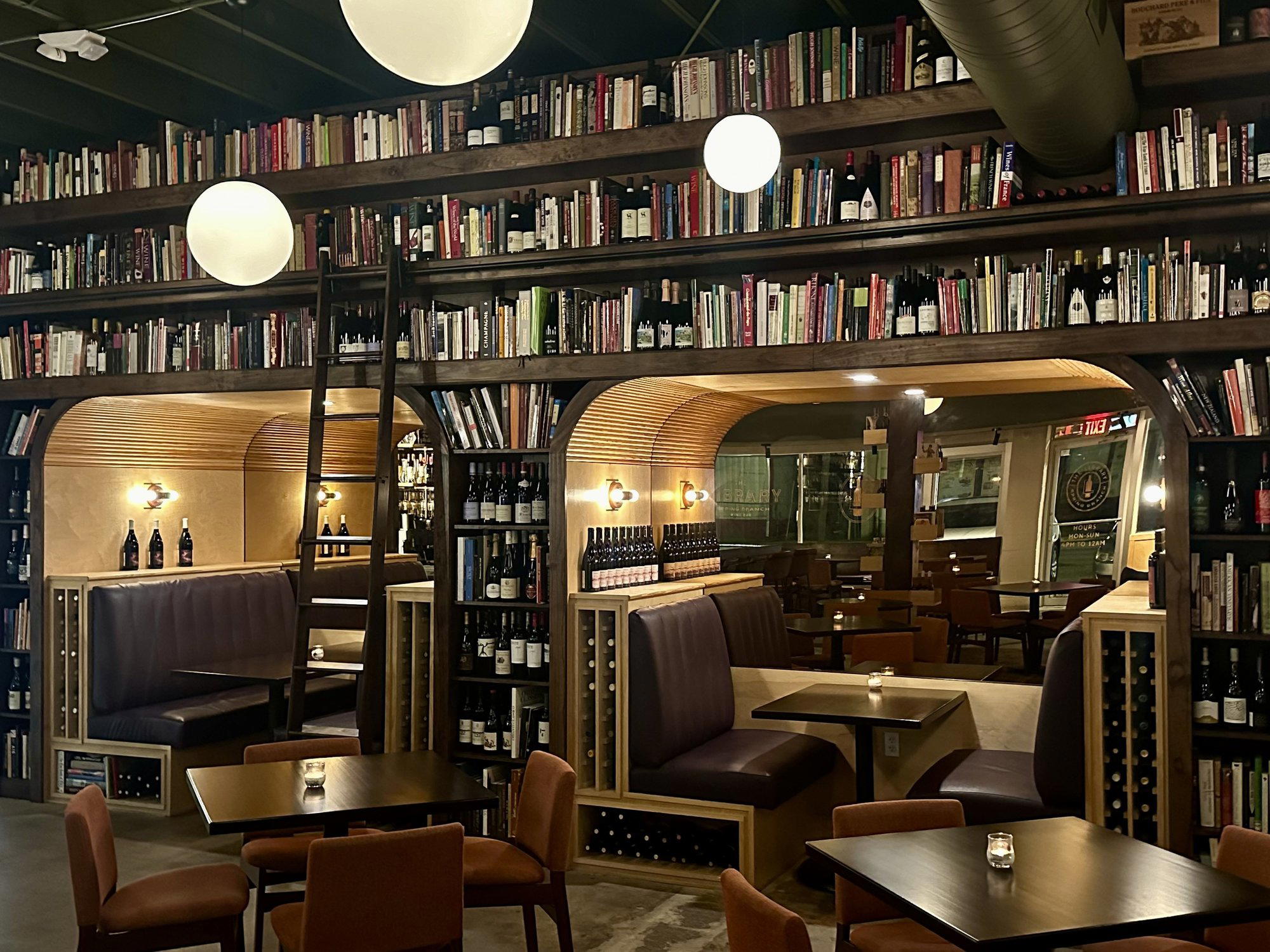
Bars in Houston
Browse all →
Hotels in Houston
Browse all →
Details
- Trendy
- Modern
- Cozy
- Family
- Group Dining
- Casual Hangout
- Open Kitchen
- A La Carte
- Vegetarian Friendly
Current opening hours
- Monday
- Closed
- Tuesday
- 11 AM–3 PM, 5–10 PM
- Wednesday
- 11 AM–3 PM, 5–10 PM
- Thursday
- 11 AM–3 PM, 5–10 PM
- Friday
- 11 AM–3 PM, 5–11 PM
- Saturday
- 11 AM–3 PM, 5–11 PM
- Sunday
- 11 AM–3 PM, 5–10 PM
Hours can change for holidays and private events. Last verified .
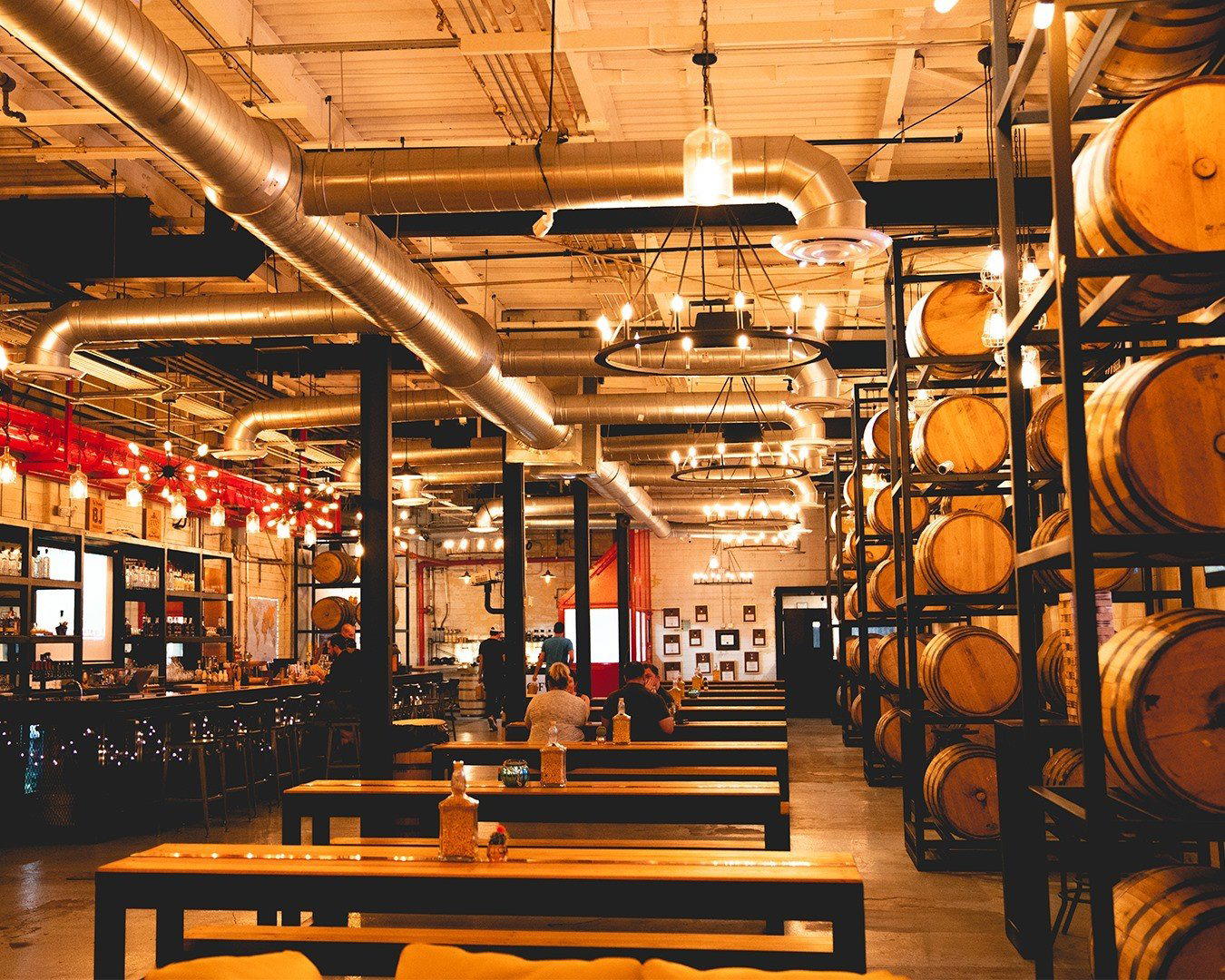
Trendy chic atmosphere with high vaulted ceilings, brick walls, exposed ductwork, and cool retro murals creating a modern, welcoming vibe.