Weißes Roß

Michelin Plate
Our verdict
Weißes Roß in Illschwang holds back-to-back Michelin Bib Gourmand recognition for 2024 and 2025, placing it among Germany's most consistent value-driven kitchens. For the Upper Palatinate, that combination is difficult to match.

Pearl is the En Primeur Club membership app, where members save venues, book tables and use the concierge.
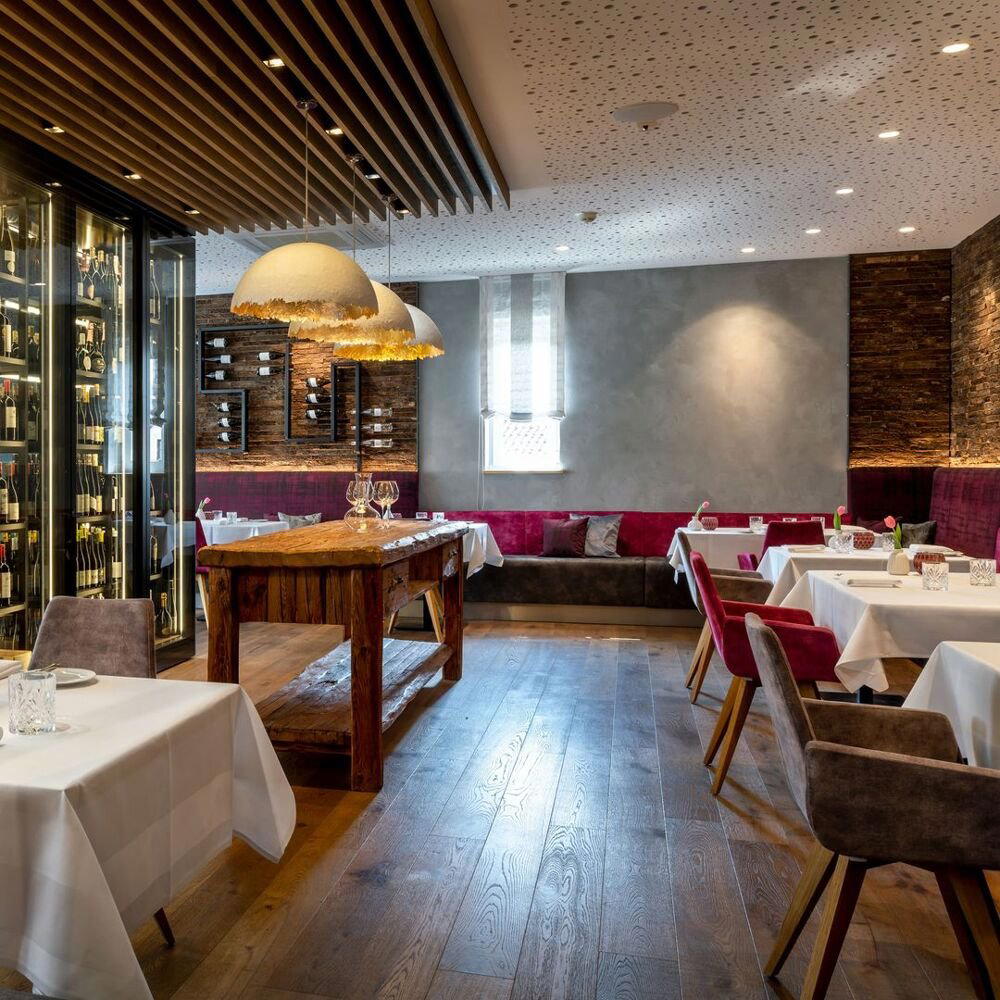
The menu
What to order
- Wiener schnitzel
- Char with pearl barley, Savoy cabbage and pickled porcini
Where Franconian Country Cooking Earns Its Place on the Michelin Map
Arriving in Illschwang, a small municipality in Bavaria's Upper Palatinate district, the scale of the place reframes expectations immediately. This is not a restaurant town in any conventional sense. There are no clusters of destination dining rooms, no weekend-destination hotel strip, and no obvious culinary scene to plug into. In the context of rural Bavaria, that record is significant.
The Bib Gourmand designation is worth understanding precisely. Michelin awards it to restaurants offering food of inspectable quality at a price point below the starred tier, the guide's own shorthand for good cooking that doesn't require a special occasion budget. For Weißes Roß, carrying that recognition two consecutive years at the €€ price range signals consistency rather than a single strong inspection cycle. It also positions the kitchen in a specific part of Germany's dining map: not competing with Schwarzwaldstube in Baiersbronn or Aqua in Wolfsburg at the €€€€ end of the spectrum, but occupying the accessible-quality tier that Michelin has always argued matters most for everyday eating.
Country Cooking as a Culinary Category
German country cooking, particularly in the Bavarian and Franconian tradition, operates from a set of principles that predate modernist technique by centuries. The cuisine is rooted in what the land and season produce: game from surrounding forests, freshwater fish from regional rivers, root vegetables and legumes stored through winter, and pork prepared in forms that stretch from fresh cuts to cured and smoked variants. Bread and dumplings serve structural roles rather than incidental ones. Fat, lard, butter, schmaltz, is not apologised for.
This is a category that diverges sharply from the creative and contemporary formats dominating Germany's higher-rated rooms. Venues like CODA Dessert Dining in Berlin or Vendôme in Bergisch Gladbach work within an internationalist creative vocabulary; country cooking operates from a deliberately local one. The cultural argument for the latter is direct: it preserves a record of how a region ate before industrial supply chains homogenised German restaurant menus, and it keeps techniques alive that have no natural home in a creative tasting menu format.
Internationally, the analogy holds in other traditions. In Italy's Piedmont, venues like 21.9 in Piobesi d'Alba and Andrea Monesi at Locanda di Orta in Orta San Giulio work from the same regional-rootedness premise: the local tradition is treated as the cuisine, not a departure point for something more ambitious. The leading practitioners in this mode earn recognition precisely because they resist the drift toward modernist internationalism.
The Upper Palatinate Setting
Illschwang sits in a part of Bavaria that sees relatively little international tourist traffic compared to the Romantic Road corridor or the Bavarian Alps. The Upper Palatinate is agricultural and forested, with a landscape that provides the raw material for a kitchen like Weißes Roß: game, mushrooms, dairy, and the grain-fed pork products that define Franconian cooking. The region's culinary identity is closer to neighbouring Franconia than to Munich's urban food scene, and the village-inn format fits that geography correctly.
For context on where Illschwang sits within Bavaria's dining picture, the nearest peer in Michelin's Bib Gourmand tier with a comparable country-cooking orientation is Cheval Blanc, also in Illschwang, which operates in the classic cuisine register. The proximity of two Michelin-recognised addresses in a single small municipality is unusual for rural Bavaria, and suggests the village has developed a quiet but genuine culinary identity that rewards a deliberate visit. For visitors building a wider itinerary around the region, our full Illschwang restaurants guide maps the complete picture, with supporting resources covering hotels, bars, wineries, and experiences in the area.
Where Weißes Roß Sits in the German Value Tier
Germany's restaurant value tier has expanded meaningfully in the past decade, driven partly by a generation of cooks who trained under starred kitchens and returned to regional formats rather than opening in Munich or Hamburg. The Bib Gourmand pool in Bavaria now includes addresses that would have been operating below Michelin's detection threshold fifteen years ago. Weißes Roß fits that pattern: a rural address, a traditional cuisine category, accessible pricing, and the kind of sustained quality that earns repeat inspection attention.
At the starred end of Germany's hierarchy, addresses like JAN in Munich, Restaurant Haerlin in Hamburg, Schanz in Piesport, Waldhotel Sonnora in Dreis, Victor's Fine Dining by Christian Bau in Perl, and ES:SENZ in Grassau operate in a different register entirely: elaborate tasting menus, international wine lists, formal service structures, and price points that reflect all of the above. Weißes Roß makes no argument to compete in that tier. Its case rests on something harder to manufacture: honest, regionally-grounded cooking at a price point that doesn't require a specific occasion to justify.
Planning a Visit
Rural Bavarian inns in this recognition tier tend to operate on tighter seating schedules than urban restaurants, and the combination of a small village location and Michelin attention makes advance booking the sensible approach, particularly for weekend lunches or Friday evenings when local demand is at its highest. Illschwang is reachable by car from Nuremberg, roughly 35 to 40 kilometres to the southwest, making it a practical lunch destination for visitors based in the city. There is no train station in the village, so a car is the functional mode of arrival.
Frequently asked questions
Where is Weißes Roß in Illschwang?
Weißes Roß is located at Am Kirchberg 1, 92278 Illschwang, Germany, Illschwang.
Has Weißes Roß won any awards?
Weißes Roß has received recognition including: Michelin Bib Gourmand (2025); Michelin Bib Gourmand (2024).
What do people recommend at Weißes Roß?
Weißes Roß operates within the Franconian and Upper Palatinate country cooking tradition, where dishes are anchored in regional produce and local preparation methods rather than modernist technique. The kitchen's Michelin Bib Gourmand recognition in both 2024 and 2025 signals consistent execution at the €€ price point. Specific menu items are not published online, so visiting with an open approach to the day's offerings is the practical expectation at a restaurant in this category.
What should I budget for a meal at Weißes Roß?
Pricing at Weißes Roß is listed as €€.
Do I need a reservation for Weißes Roß?
Booking ahead is advisable. A Michelin Bib Gourmand address in a village the size of Illschwang draws diners from well beyond the immediate area, and the dining room capacity at a rural Gasthof format is limited by design. Arriving without a reservation, particularly on weekends, carries real risk of finding no table. Contact details are not listed publicly, so reaching out via direct inquiry or through local accommodation is the recommended route.
Price Lens
| Venue | Cuisine | Price | Awards | Notes |
|---|---|---|---|---|
| Weißes RoßThis venue (the venue you are viewing) | Country cooking, Farm to table | $30–50 | Michelin Plate | Not listed |
| Schwarzwaldstube | Modern French Fine Dining | $150–200 | 3 Michelin Stars · World's 50 Best #47 | French, Classic French |
| Aqua | Not listed | Not listed | Michelin 3 Star | Contemporary German, Italian/Japanese, Creative |
| CODA Dessert Dining | Dessert-Inspired Fine Dining | $200–300 | 2 Michelin Stars · World's 50 Best #79 | Creative |
| Tantris | Modern French, French Contemporary | Not listed | Michelin 2 Star | Not listed |
| Vendôme | Modern German Haute Cuisine | $200–300 | 2 Michelin Stars · World's 50 Best #47 | Modern European, Creative |
Recognition history
Dated appearances from independent guides and award organizations, with the underlying list record or original source where available.
Michelin Plate
Michelin · 2026 Michelin Plate
Full recognition history (3 entries)
Michelin Bib Gourmand
Michelin
Michelin Bib Gourmand
Michelin
Continue exploring
More in Illschwang
Restaurants in Illschwang
All restaurants in Illschwang →
Bars in Illschwang
Browse all →
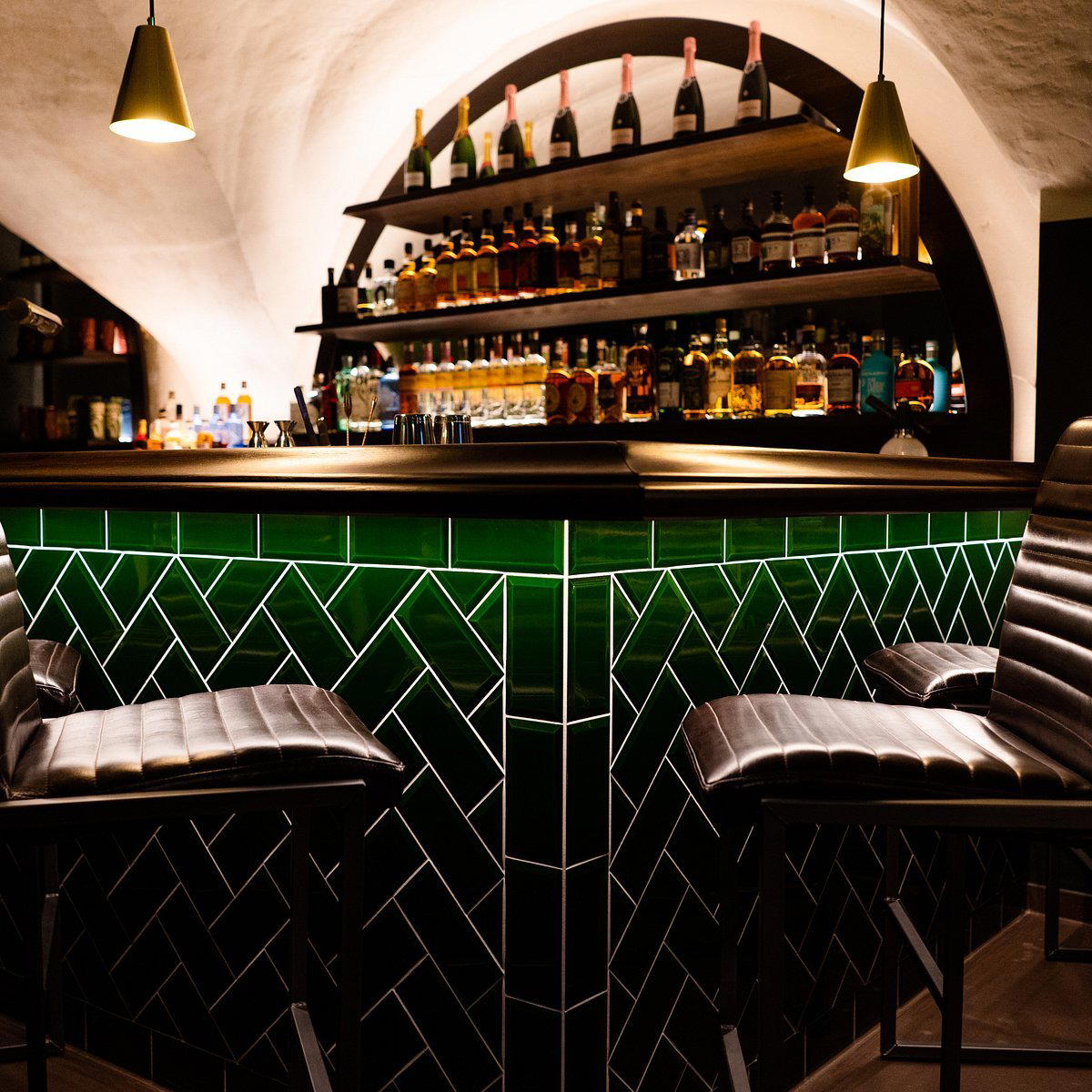
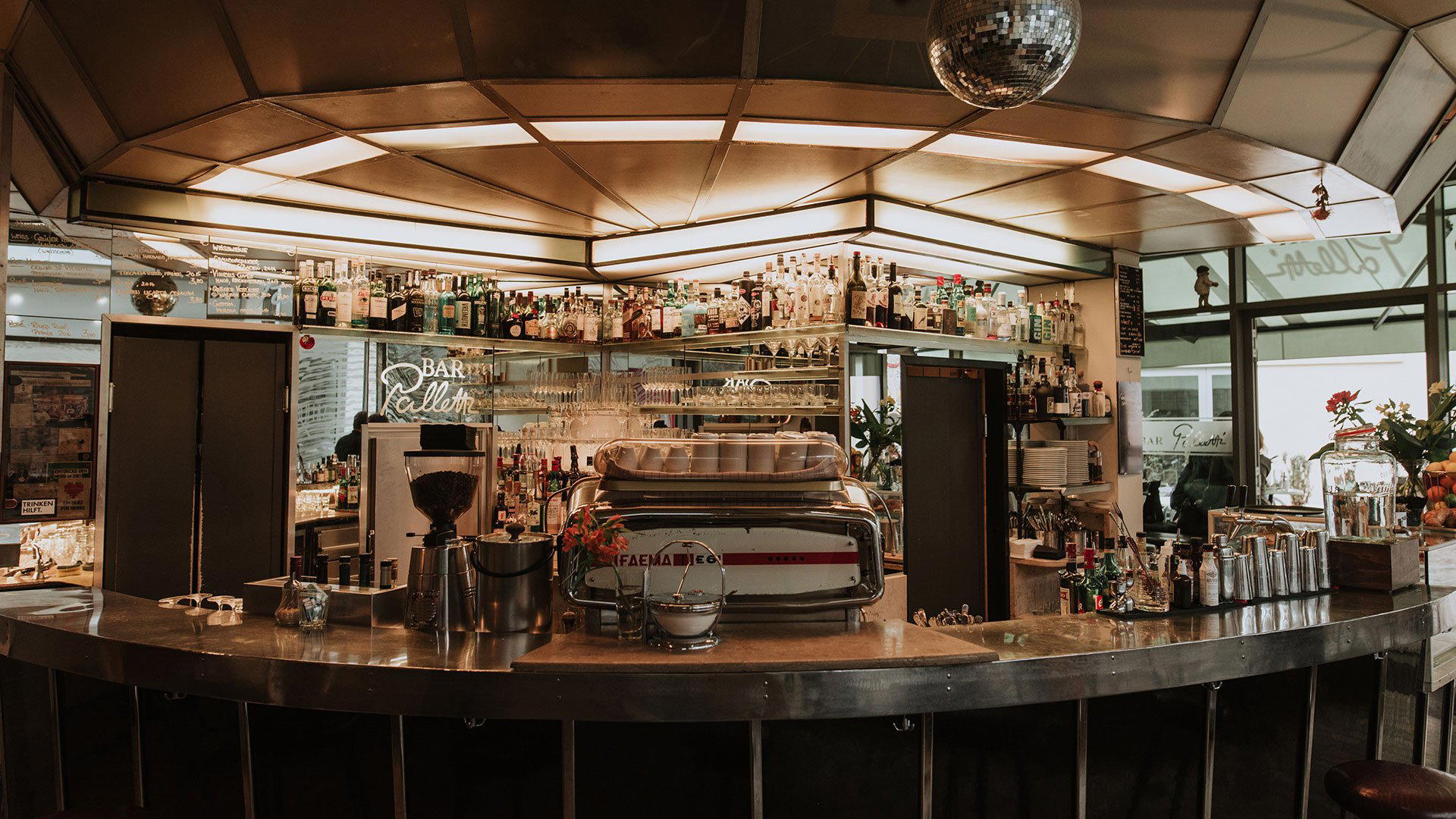
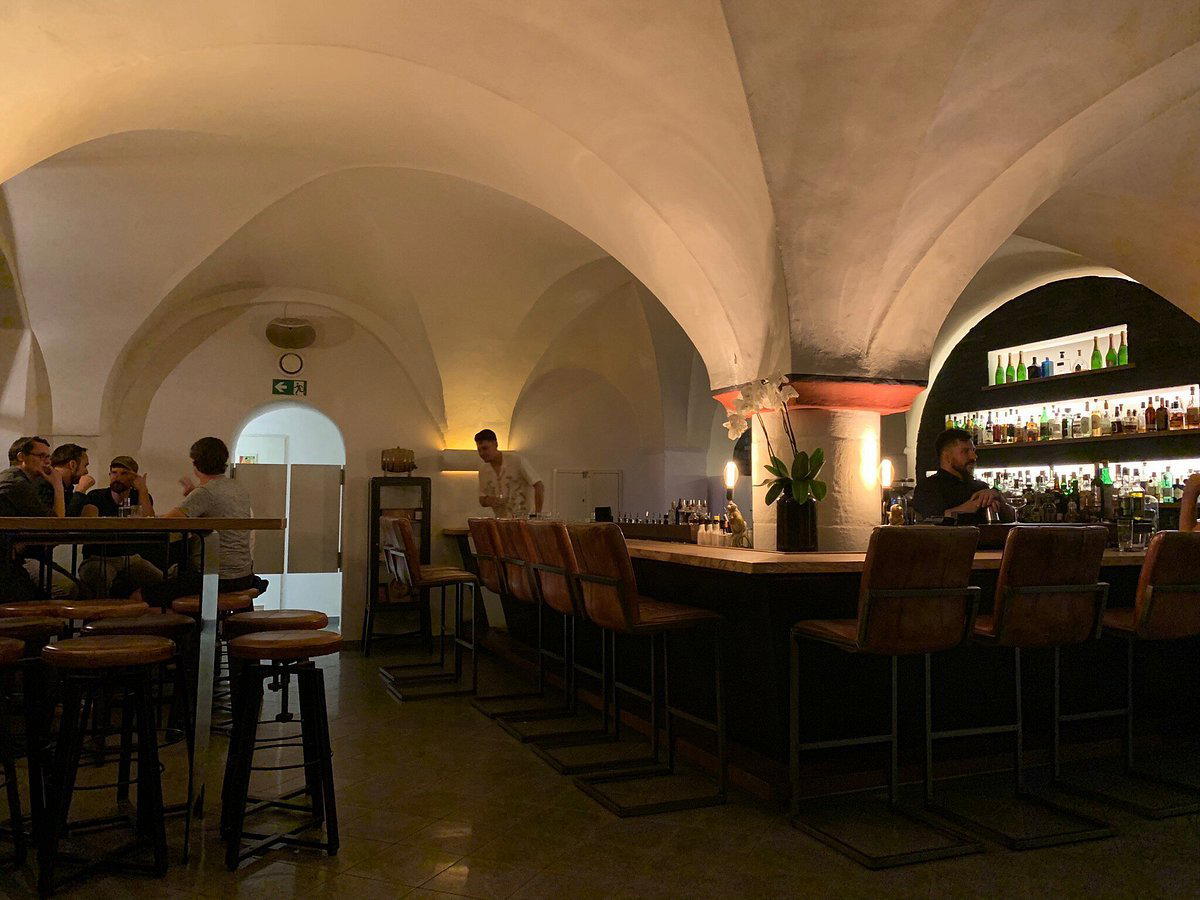
Hotels in Illschwang
Browse all →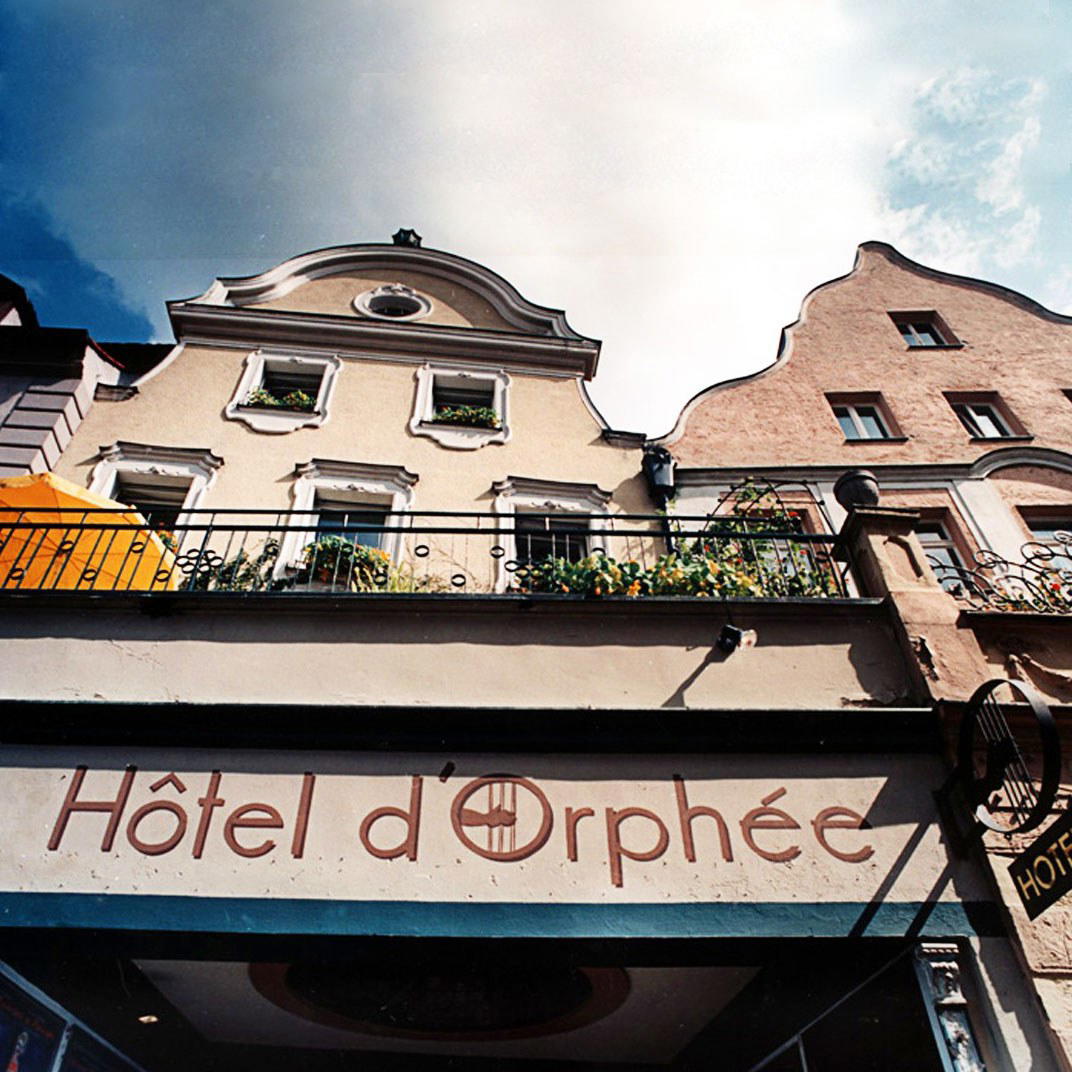
Details
- Classic
- Rustic
- Cozy
- Elegant
- Special Occasion
- Celebration
- Historic Building
- Farm To Table
- Local Sourcing
- A La Carte
- Vegetarian Friendly
Charming and traditional to stylish and chic to modern and elegant decor.