Cheval Blanc

1 Michelin Star
Our verdict
Cheval Blanc earned its first Michelin star in 2025, placing Illschwang on a culinary map that few would have predicted. For the €€€€ price tier, it represents one of Germany's more geographically surprising fine dining addresses.

Pearl is the En Primeur Club membership app, where members save venues, book tables and use the concierge.
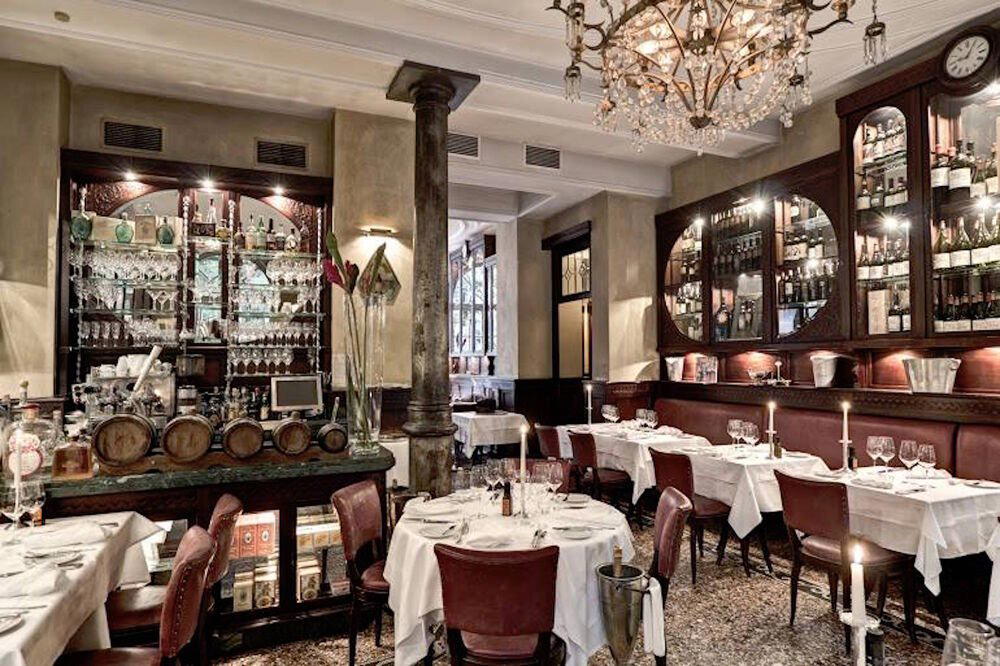
A Village, a Star, and the Question of How It Got Here
Rural Bavaria is not where most people expect to find a freshly minted Michelin star. The Oberpfalz region moves at its own pace, its small market towns connected by country roads that wind past fields and church spires. Illschwang, a commune of a few hundred residents in the district of Amberg-Sulzbach, sits squarely within that world. When the 2025 Michelin guide awarded Cheval Blanc its first star, it added Illschwang to a short list of German villages where the food alone justifies the detour. That list includes places like Waldhotel Sonnora in Dreis and Schanz in Piesport, addresses that reward the drive precisely because the surrounding landscape makes the quality feel improbable.
The address, Am Kirchberg 1, places the restaurant near the village church, in the kind of setting that German fine dining has occasionally favoured: quiet, removed from urban distraction, with a dining room that earns attention on its own terms rather than by proximity to a major city's cultural pull. Arriving here requires commitment, and that commitment already frames the meal before you sit down.
Classic Cuisine in a Category That Demands Precision
The Michelin category of classic cuisine carries specific expectations. It is not the chef-driven experimentalism of CODA Dessert Dining in Berlin or the creative boundary-testing at Vendôme in Bergisch Gladbach. Classic cuisine in the Michelin framework implies technical mastery of a defined repertoire: saucing, precision cookery, structure and balance applied to established forms. It is, in some ways, a harder category to distinguish yourself in, because the vocabulary is shared. What separates a starred classic table from a competent one is the exactness of execution and the sourcing discipline behind it.
Germany's classic cuisine tier sits in interesting company. At the three-star level, Schwarzwaldstube in Baiersbronn has long defined the French-influenced, forest-setting archetype. At the two-star level, Restaurant Haerlin in Hamburg represents the grand urban hotel dining tradition. Cheval Blanc, at one star and in a village setting, occupies a different position entirely: a first recognition that invites the question of where this kitchen is headed.
For readers who follow KOMU in Munich or Maison Rostang in Paris as benchmarks for classic cuisine done with rigour, Cheval Blanc operates in the same category and price tier, though in a setting that strips away almost every urban advantage those addresses enjoy.
The Chef's Frame: A Cross-Continental Perspective on a Classic Form
Juan Manuel Barrientos is not a name that arrives without context in the world of fine dining. Colombian-born, he has built a profile across Latin America and Europe that places him in a different biographical tradition than most of Germany's starred chefs, who typically come up through French kitchens or through the established German apprenticeship network. Barrientos's background introduces a cross-continental perspective into a cuisine category that, in its European form, is defined by French foundations.
What this means in practice, without speculating beyond what the 2025 Michelin recognition confirms, is that Cheval Blanc's version of classic cuisine is likely informed by a broader set of references than its category label alone suggests. The tension between a rigorous French-classical framework and a chef whose formative experiences span different culinary geographies is precisely the kind of creative pressure that produces distinctive kitchens. Germany has seen this dynamic before: JAN in Munich and Victor's Fine Dining by Christian Bau in Perl both represent chefs who brought outside influences to bear on established European fine dining forms, with results that the Michelin guide found worth recognising.
That Barrientos is working at this level in a village of this size is itself an editorial point about how fine dining talent distributes itself in Germany. The country's starred scene is not concentrated only in Frankfurt, Munich, Hamburg, and Berlin. ES:SENZ in Grassau and Aqua in Wolfsburg are both reminders that the Michelin guide has consistently rewarded kitchens that operate far from metropolitan centres, provided the cooking meets the standard. Cheval Blanc is the latest entry in that pattern.
What the Numbers Say About Early Reception
The sample size is small enough that the figure will move as volume grows, but the direction it points is consistent with a kitchen that, at this early stage of its Michelin life, is meeting or exceeding the expectations of guests who make the journey. In rural fine dining, the guest who arrives having driven an hour or more tends to be engaged and attentive, which makes high satisfaction scores mean something slightly different than the same figure from a city-centre restaurant absorbing walk-in traffic.
The price tier of €€€€ places Cheval Blanc at the upper end of the German fine dining spectrum. At this level, the expectation is a multi-course tasting format, serious wine service, and a dining room experience that justifies the commitment in full. For context, €€€€ in Germany covers both one-star and three-star addresses, so the tier is broad. What differentiates within it is the precision and ambition of the kitchen, which the 2025 Michelin recognition treats as sufficiently present here to warrant the star.
Planning a Visit: The Logistics of a Remote Table
Illschwang sits approximately 50 kilometres east of Nuremberg, making it a realistic day trip or extended evening from Bavaria's third-largest city. For visitors already in Nuremberg for other reasons, the distance is manageable but requires a car; public transport to Illschwang is limited in the way that most small Oberpfalz communities are. Those combining the meal with a broader Bavarian stay will find it worth reviewing our full Illschwang hotels guide for accommodation options, since a €€€€ tasting menu with wine pairing is not easily followed by a long drive.
Booking should be treated as essential well in advance. Michelin recognition in 2025 has likely tightened availability significantly, and a kitchen operating at this price point in a village setting runs a finite number of covers per service.
Visitors to the area who want to extend the experience beyond Cheval Blanc itself can consult our full Illschwang restaurants guide, which includes Weißes Roß for country cooking at a different register. For broader exploration of the region, our Illschwang bars guide, wineries guide, and experiences guide cover what the area offers beyond the table.
Where Cheval Blanc Sits in the Wider Argument
Germany's fine dining conversation tends to centre on its major cities and established destination restaurants. The 2025 Michelin additions shift that conversation slightly, as they do most years, by identifying kitchens that the guide's inspectors found working at a level the wider market had not yet caught up with. Cheval Blanc in Illschwang is the kind of entry that changes how a small village reads on a map for a specific, engaged audience. It does not transform Illschwang into a dining destination in the way that Baiersbronn has been shaped by decades of multi-starred restaurants. But it does establish that a chef of Barrientos's background, working in a classic cuisine framework, found Illschwang a viable place to do something the Michelin guide considered worth a star in its first year of eligibility. That is a meaningful signal, and for the reader willing to drive into the Oberpfalz to test it, an interesting one.
Would Cheval Blanc be comfortable for children?
At €€€€ pricing in a freshly starred fine dining setting in rural Germany, Cheval Blanc sits firmly in the formal adult dining tier. Classic cuisine tasting menus at this price level typically run multiple courses across two or more hours, which is a format that does not suit younger children. Families visiting Illschwang with children would be better served by the country cooking at Weißes Roß. Older teenagers with an interest in fine dining could find it appropriate, but the format and price point make it an adult-oriented experience by any reasonable measure.
What is the atmosphere like at Cheval Blanc?
A Michelin-starred restaurant at €€€€ in a village setting near a church in rural Bavaria implies a specific kind of atmosphere: quiet, deliberate, focused on the dining room itself rather than on ambient urban energy. Classic cuisine at this level tends toward formal or semi-formal environments where the meal is the primary event. Expect the register of a serious destination restaurant rather than a casual neighbourhood table.
What do people recommend at Cheval Blanc?
Michelin's 2025 star for Chef Juan Manuel Barrientos's classic cuisine is the clearest signal of what the kitchen does at its finest. In a classic cuisine format, the tasting menu is typically the primary way to experience the full range of what the chef is doing. Given the category, the price tier, and the distance required to reach it, most guests will be leading served by committing to whatever the kitchen's full menu format offers rather than ordering selectively.
How It Stacks Up
| Venue | Cuisine | Price | Awards | Notes |
|---|---|---|---|---|
| Cheval BlancThis venue (the venue you are viewing) | Modern German Fine Dining | $200–300 | 1 Michelin Star | Not listed |
| Schwarzwaldstube | Modern French Fine Dining | $150–200 | 3 Michelin Stars · World's 50 Best #47 | French, Classic French |
| Aqua | Contemporary German, Italian/Japanese, Creative | Not listed | Michelin 3 Star | Not listed |
| CODA Dessert Dining | Dessert-Inspired Fine Dining | $200–300 | 2 Michelin Stars · World's 50 Best #79 | Creative |
| Tantris | Modern French, French Contemporary | Not listed | Michelin 2 Star | Not listed |
| Vendôme | Modern German Haute Cuisine | $200–300 | 2 Michelin Stars · World's 50 Best #47 | Modern European, Creative |
Recognition history
Dated appearances from independent guides and award organizations, with the underlying list record or original source where available.
Michelin 1 Star
Michelin
Full recognition history (2 entries)
Michelin 1 Star
Michelin
Continue exploring
More in Illschwang
Restaurants in Illschwang
All restaurants in Illschwang →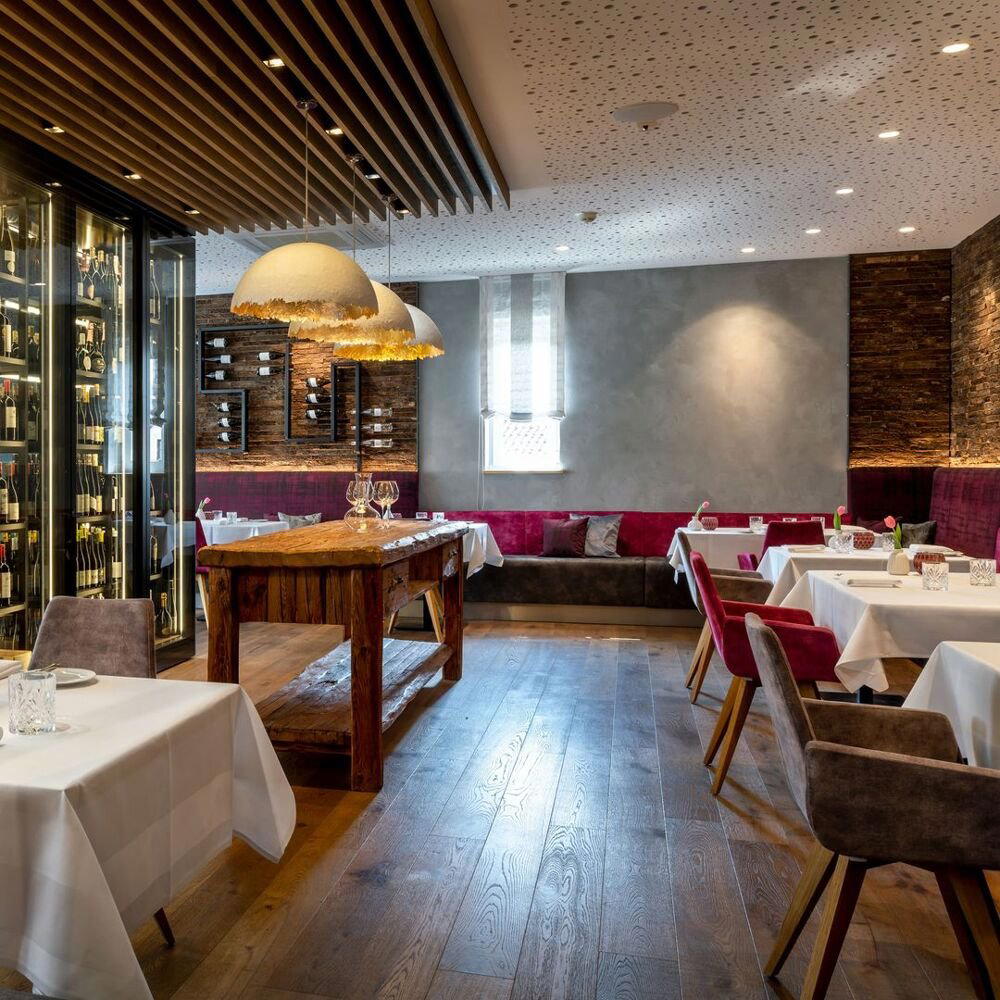
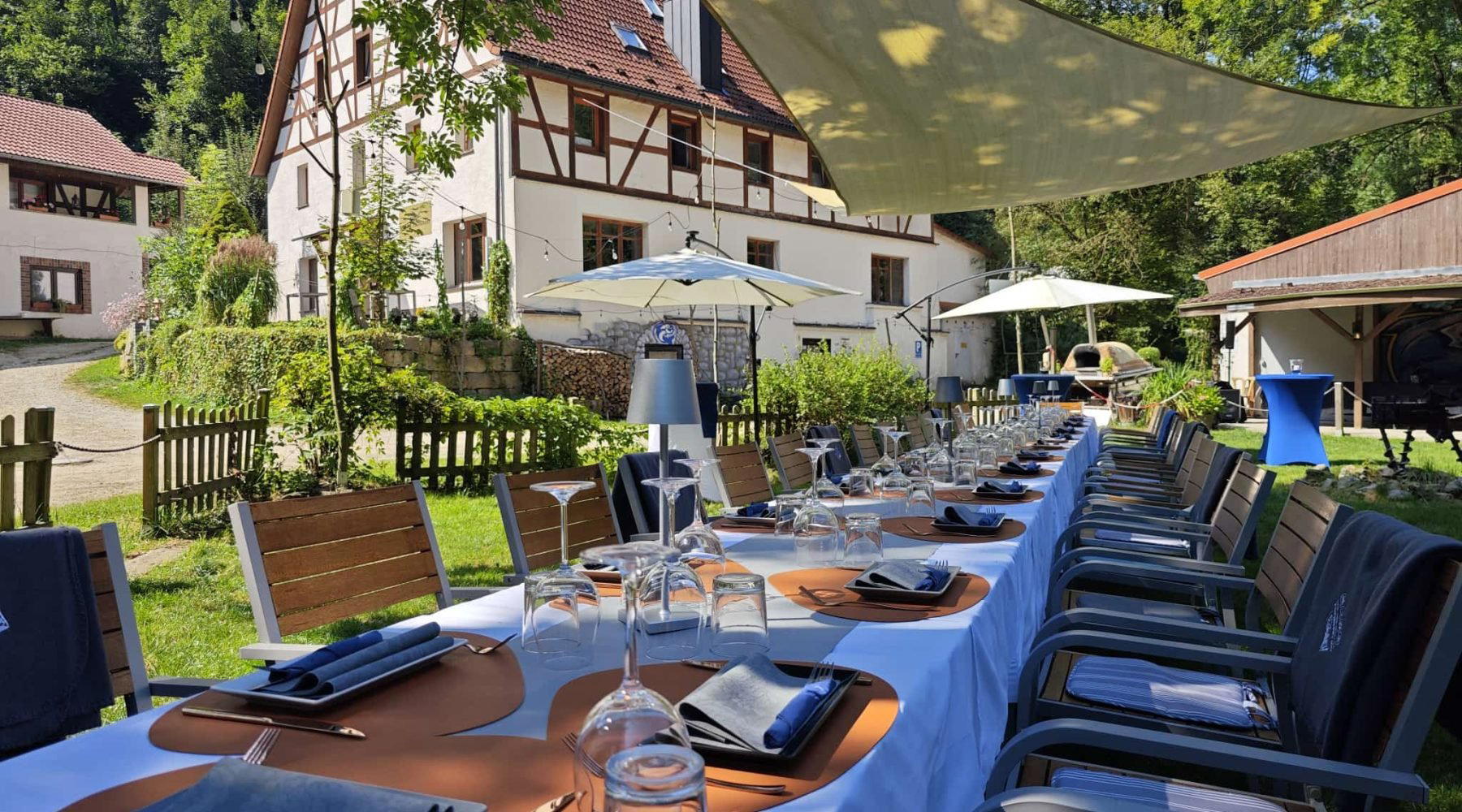
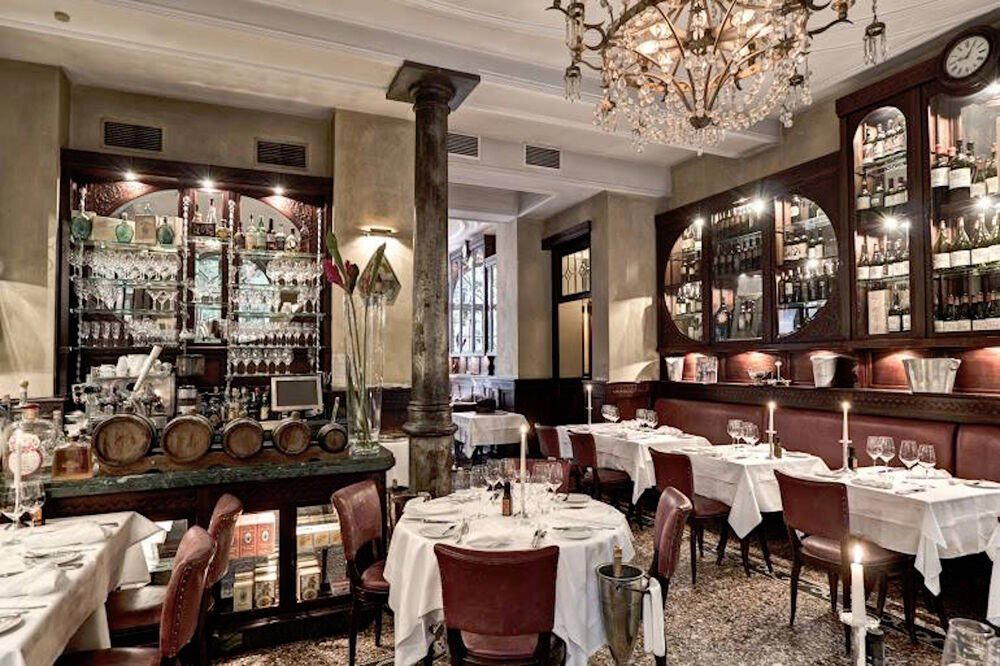
Bars in Illschwang
Browse all →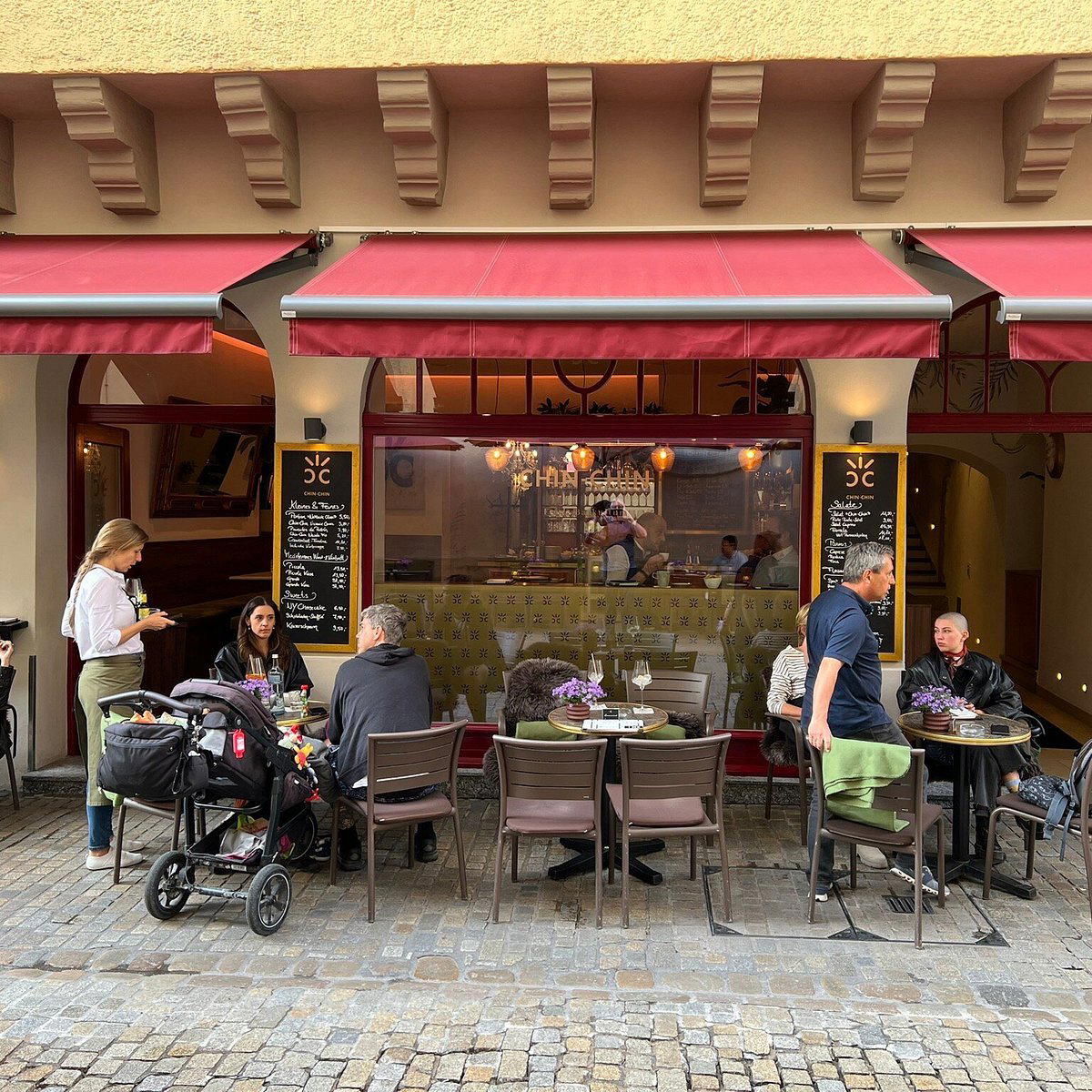
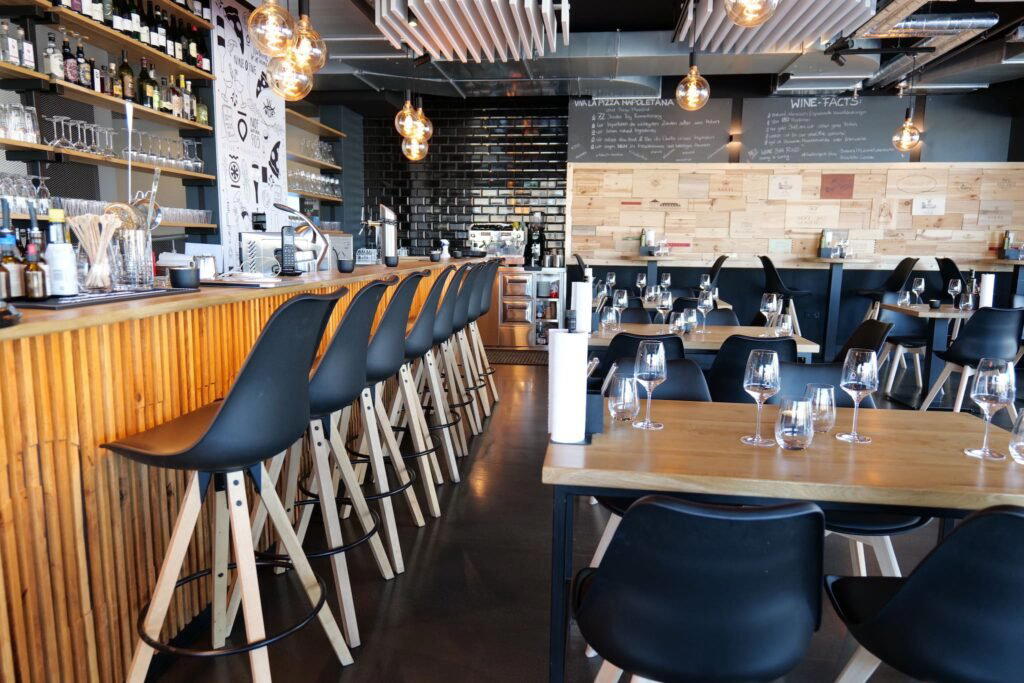
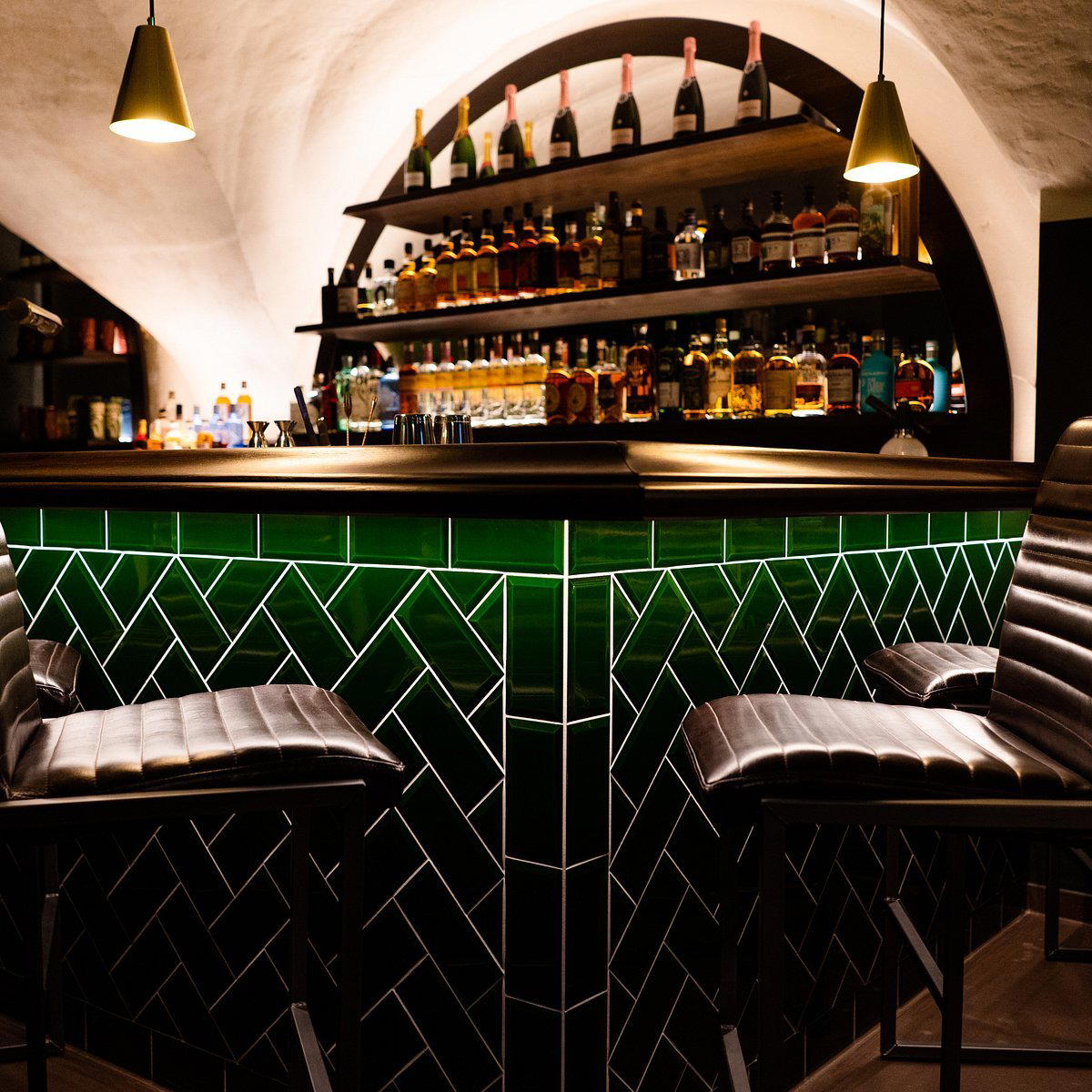
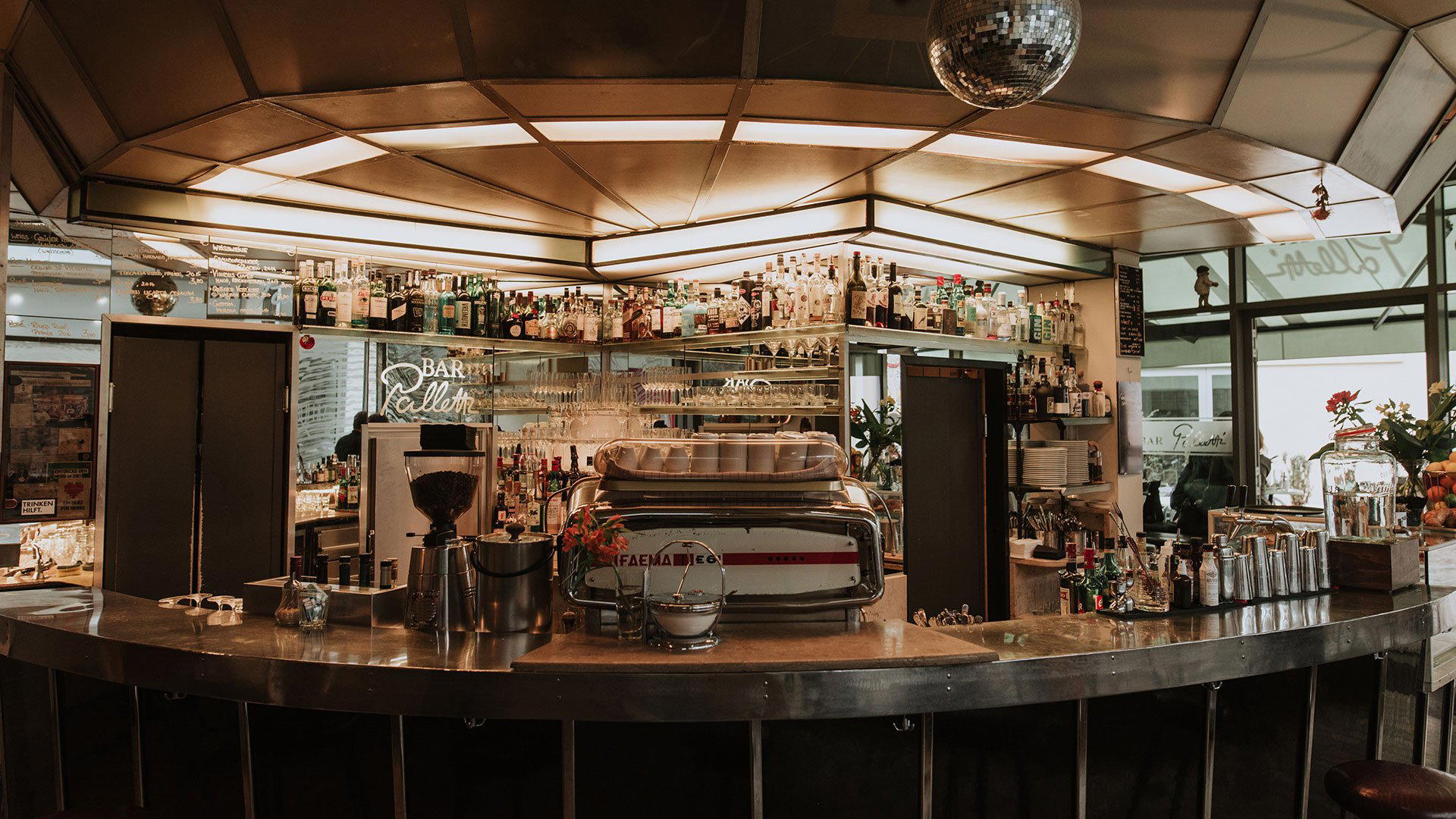
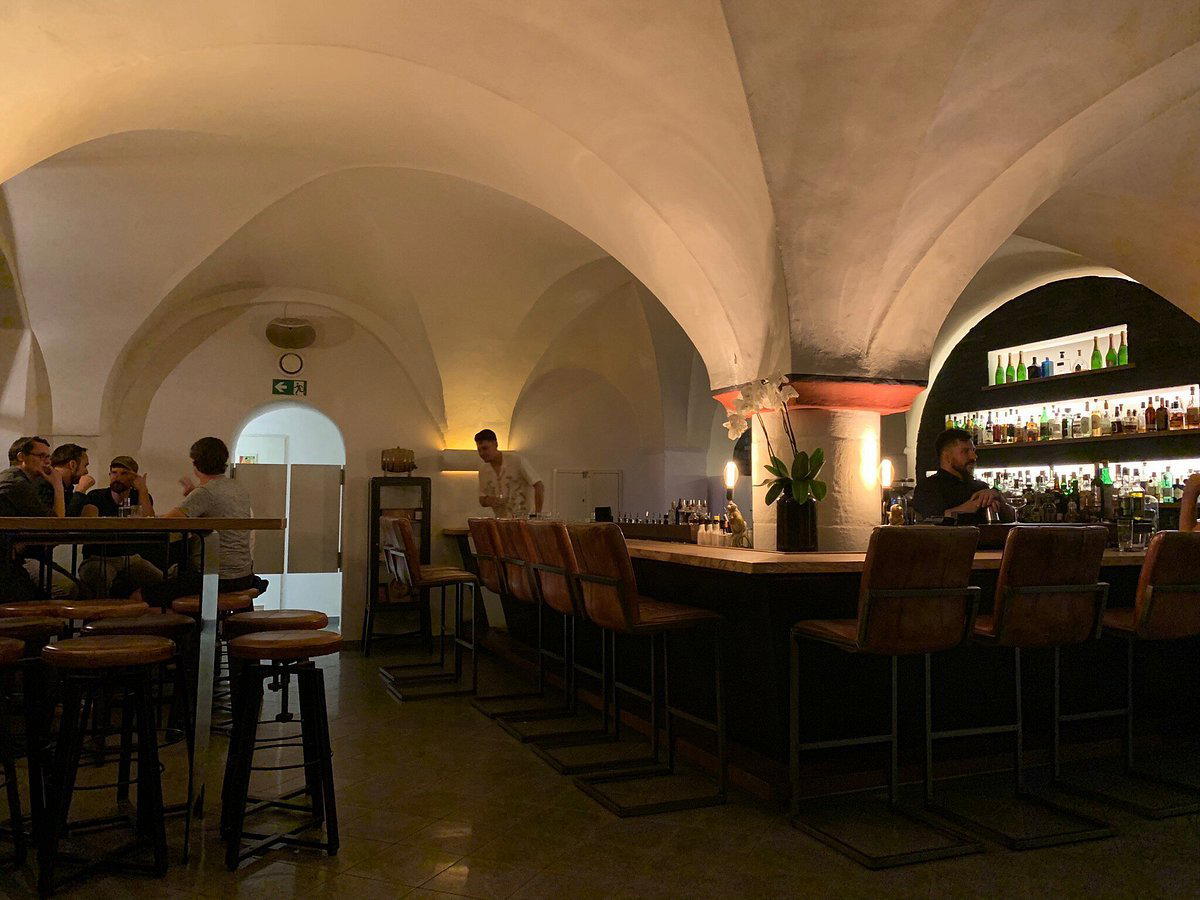
Hotels in Illschwang
Browse all →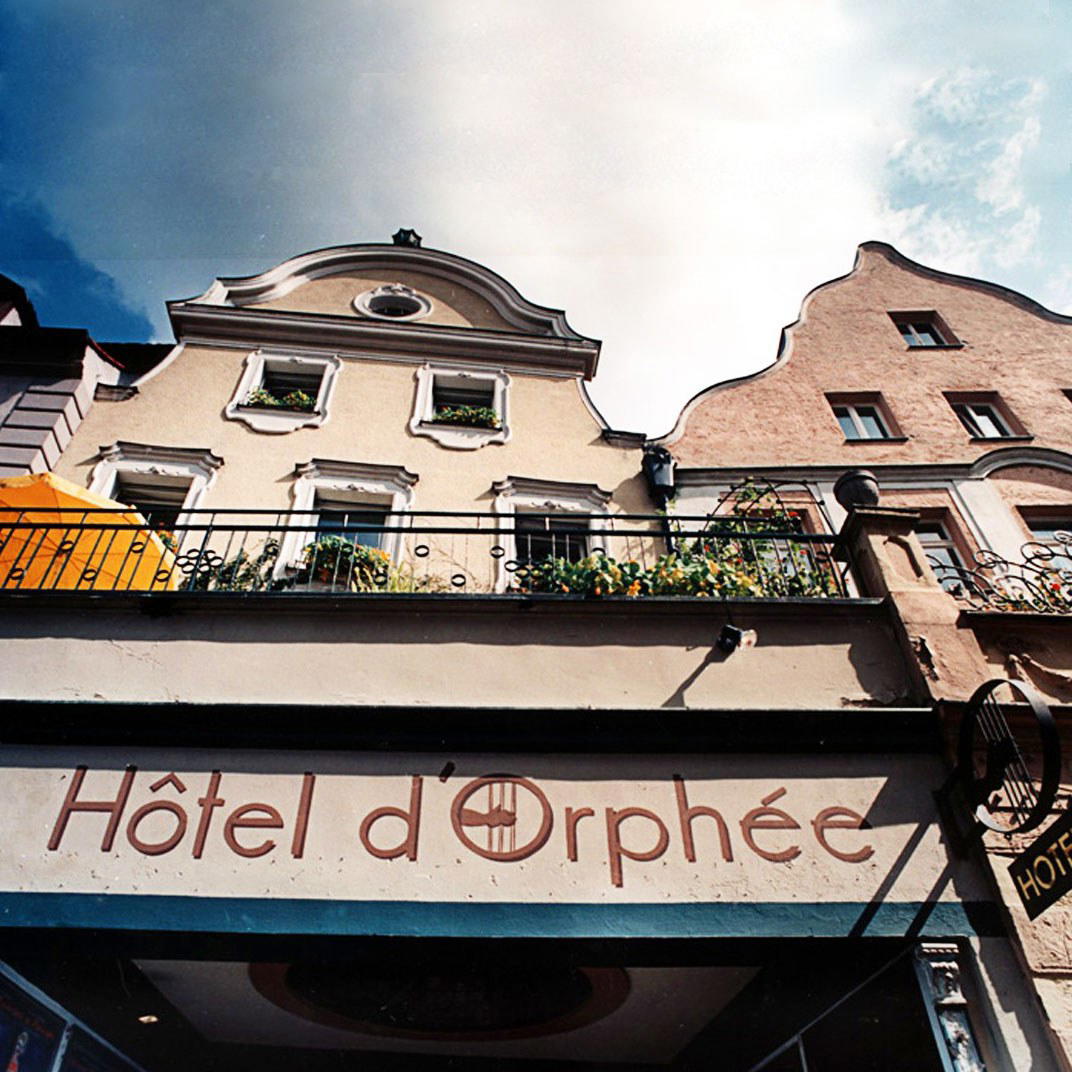
Cheval Blanc
The wine
- Wine program
- Deep wine list
- Extensive wine list
- Sommelier-led
Details
- Elegant
- Sophisticated
- Intimate
- Cozy
- Special Occasion
- Date Night
- Hotel Restaurant
- Historic Building
- Extensive Wine List
- Sommelier Led
- Local Sourcing
- Tasting Menu
- Vegetarian Friendly
Elegant atmosphere with rustic charm, softly lit setting, hush of conversation, and understated luxury.