Maza

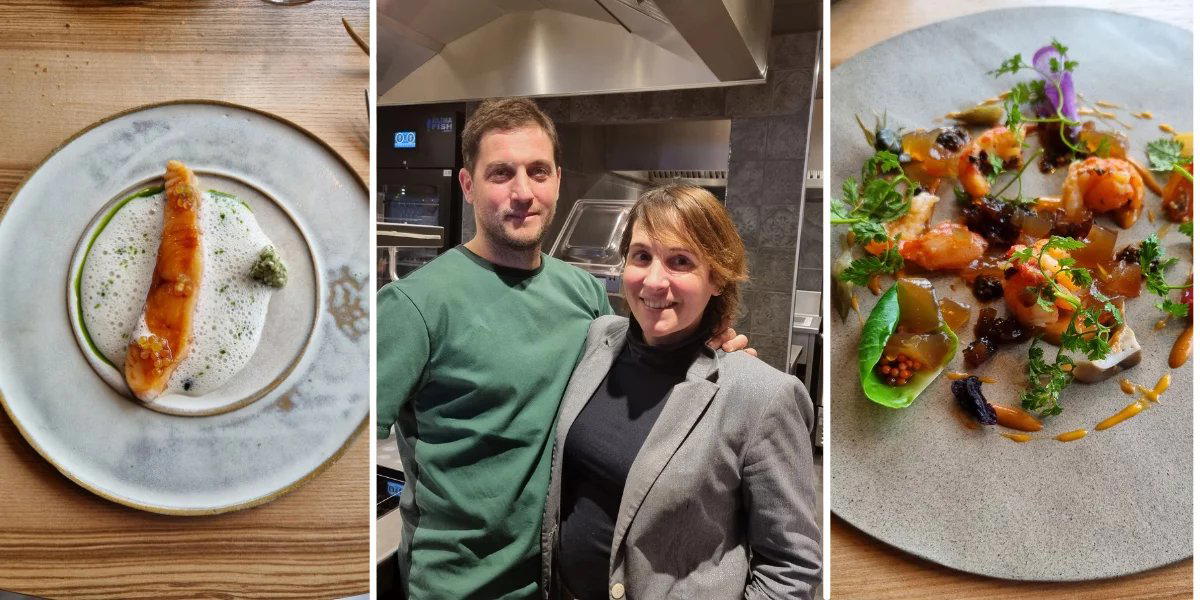
On a pedestrian stretch of rue Marterey, Maza delivers share-plate cooking built around European, Asian, and Middle Eastern influences, the result of a couple whose time in Japan, America, and France shows directly in the food. Locally sourced produce, a considered wine list, and a sun-facing patio make this one of Lausanne's more characterful mid-range tables. Reservations are required.
Pearl is the En Primeur Club membership app — saves, bookings, and concierge access live there. Same editors, same standards.
- Address
- 29 rue Marterey
- Phone
- +41 21 616 09 09
- Website
- maza-restaurant.ch
- Directions
- Get directions
 Saves & bookings on Pearl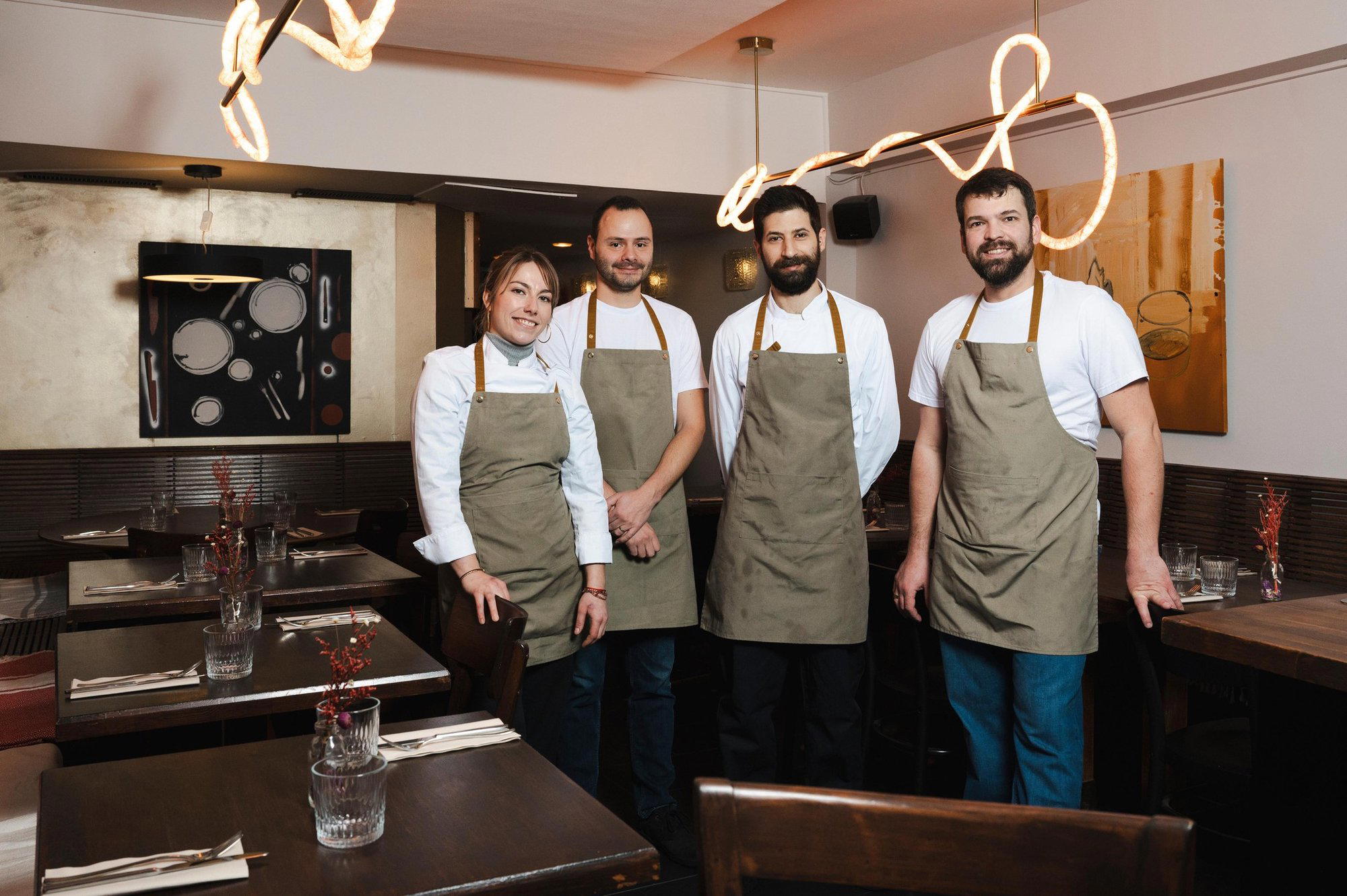
A Pedestrian Street, a Shared Table, and a Kitchen With Mileage
Lausanne's dining scene divides fairly cleanly between its formal hotel restaurants, its neighbourhood bistros, and a smaller tier of independent tables that don't fit either category neatly. Maza sits in that third group. The address, 29 rue Marterey, places it in a walkable, residential-leaning part of the city away from the lakefront hotels and the heavier tourist corridors. Approaching on foot, you encounter the patio first: a terrace on a pedestrian street where the absence of passing traffic creates the kind of unhurried pace that suits a long, share-plate lunch. The physical setting does most of the tonal work before you've looked at a menu.
That setting matters because the format at Maza is built for it. This is share-plate dining, which imposes its own rhythm on a meal. Dishes arrive in loosely staggered intervals rather than in the strict three-course sequence that still governs most of Lausanne's mid-range and formal restaurants. You order more than you think you need, and you adjust as you go. The pacing is social by design, more closely related to the meze traditions of the eastern Mediterranean or the izakaya logic of Japanese shared dining than to the Franco-Swiss service model that dominates tables like La Table du Lausanne Palace or Pic Beau-Rivage Palace a few kilometres away on the lakeshore.
What the Menu Reflects
The cooking at Maza draws its reference points from three distinct culinary traditions: European, Asian, and what the kitchen describes as Oriental, a term that here covers the broader Middle Eastern and North African pantry. That combination sounds diffuse on paper, but the sourcing logic keeps it coherent. The produce is locally grounded; the techniques and seasonings are the part that travels. A tartare of trout on polenta chips is a useful example of how this works in practice: the trout and the polenta are Swiss by instinct, but the tartare format has absorbed enough influence from Japanese raw-fish preparation that the dish sits somewhere in between, without announcing either provenance too loudly.
The ginger-laced tataki of rump steak similarly uses a Japanese technique (briefly seared, sliced thin, served with acidic or aromatic seasoning) applied to a European cut. Neither dish is a direct import; both show cooking that has processed its influences rather than simply listing them. This is what extended time in Japan, America, and France tends to produce: a working vocabulary that draws on multiple traditions without performing any of them. For context on what transatlantic and transpacific cooking experience can contribute to a kitchen's range, restaurants like Le Bernardin in New York City and Emeril's in New Orleans represent different ends of that international-influence spectrum.
Where Maza Sits in the Lausanne Context
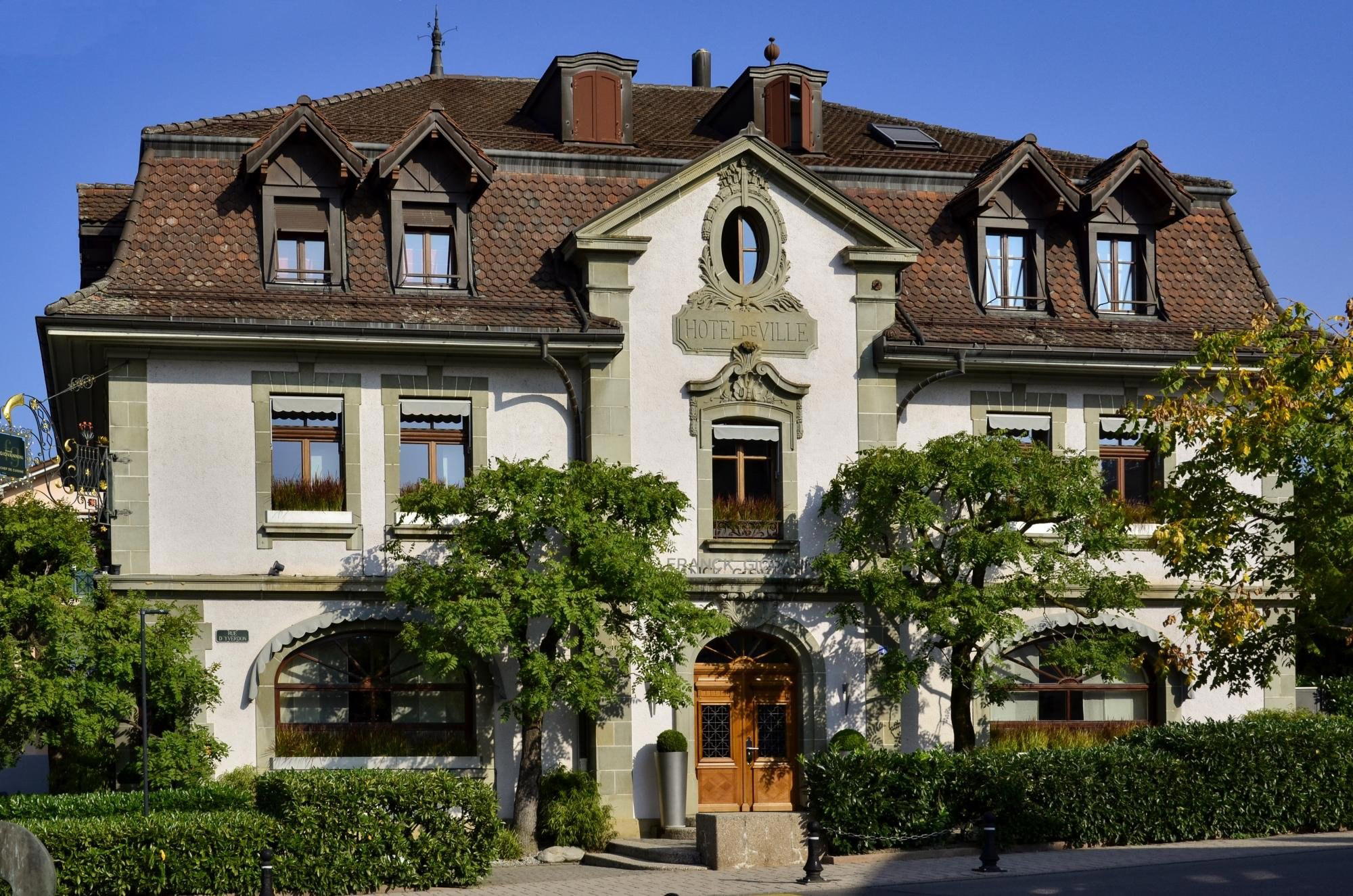
Lausanne's restaurant offer at the formal end runs through heavy hitters: Hôtel de Ville Crissier in the nearby suburb of Crissier has long held its position among Switzerland's most serious tables, and Swiss fine dining more broadly, from Schloss Schauenstein in Fürstenau to Cheval Blanc by Peter Knogl in Basel, Memories in Bad Ragaz, and 7132 Silver in Vals, maintains a high technical threshold. Maza does not operate in that register. Its comparable set in Lausanne is closer to Au Chat Noir in spirit, a neighbourhood-anchored table with a distinct character, rather than to the formal hotel dining rooms. The wine list is well curated, with thoughtful regional selection alongside broader European choices. That's a meaningful quality marker at this price level, where wine programs at comparable informal tables frequently default to generic distribution stock.
The Lausanne dining scene has enough variety across price tiers that Maza fills a gap. The city's stronger €€€ and €€€€ options, from modern French at 57° Grill to the formal end of the spectrum, cover technical cooking with service formality to match. Maza offers something structurally different: a mid-register table where the format encourages conversation and sharing, the menu reflects a genuinely international cooking background, and the setting on a car-free street reinforces the unhurried tone. The Auberge de l'Abbaye de Montheron offers a different kind of escape from the city's formal dining conventions, through a rural setting; Maza achieves something similar in mood through format and neighbourhood positioning rather than geography. For tables interested in comparing approaches across Switzerland at the casual-but-serious tier, Colonnade in Lucerne represents a useful reference point in the same informal-but-considered bracket.
The Ritual of Eating at Maza
Share-plate formats change how a meal feels as much as what you eat. The decision-making is distributed across the table from the outset: you negotiate the order collectively, you reach across for what you want, and the meal's tempo is set by conversation as much as by the kitchen. At Maza, this is reinforced by the patio setting in warmer months, where the pedestrian street environment means the meal expands naturally into the space around it rather than being contained by the four walls of a formal dining room.
The practical implication is that Maza rewards groups who are willing to commit to the format. Coming with a single companion who will share freely is the right approach; coming with someone who wants their own plate and their own progression is a different experience. The kitchen's output is designed around this: small-to-medium plates that make sense as part of a sequence rather than as standalone courses. This is worth understanding before you arrive, because the format is not incidental to the cooking, it is the structure within which the cooking operates.
Planning a Visit
Reservations are recommended at Maza. The patio is a genuine draw in the months when it's usable. The rue Marterey address is walkable from the city centre. the EP Club Lausanne restaurants guide maps the broader scene.
Category Peers
Comparable venues nearby, for context on price, style, and recognition.
| Venue | Cuisine | Price | Awards | Notes |
|---|---|---|---|---|
| MazaThis venue — the venue you are viewing | Modern Fusion (Egyptian-Chinese-European) | $$$ | Michelin Plate | Not listed |
| Le Rossignol | Classical French-Italian Bistro | $$$ | Michelin Plate | Avenue du Léman |
| Au Chat Noir | Classic French Brasserie | $$$ | Michelin Plate | Centre of Lausanne |
| Myò Sushi Bar | Authentic Japanese Sushi | $$$ | Bib Gourmand | Montbenon |
| Le Vieux Lausanne | Classic Swiss-French Bistro with Nordic Touches | $$$ | Not listed | City Quarter |
| 57° Grill | Live Grill Steakhouse | $$$$ | Not listed | Ouchy |
Recognition history
Dated appearances from independent guides and award organizations, with the underlying list record or original source where available.
Michelin Plate
Michelin · 2026 Michelin Plate
Continue exploring
More in Lausanne
Restaurants in Lausanne
Browse all →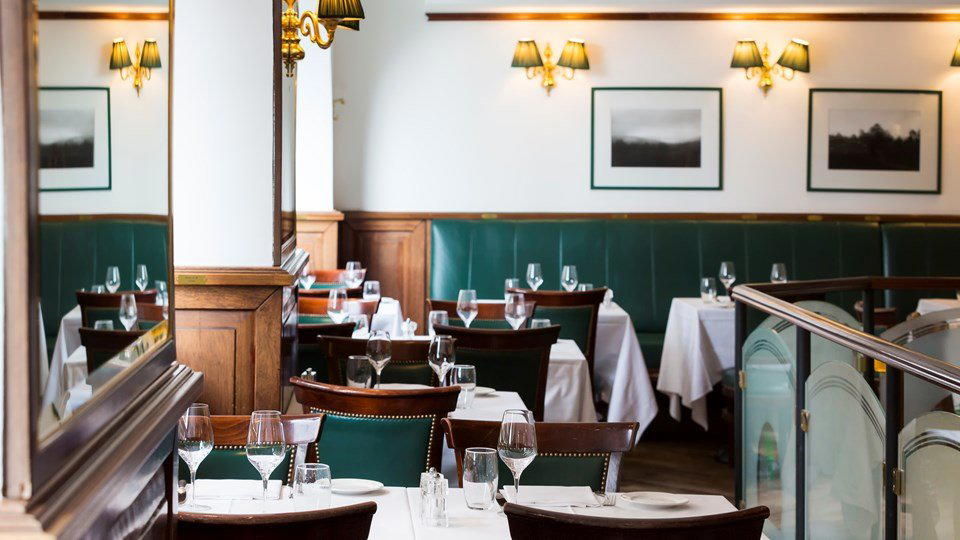
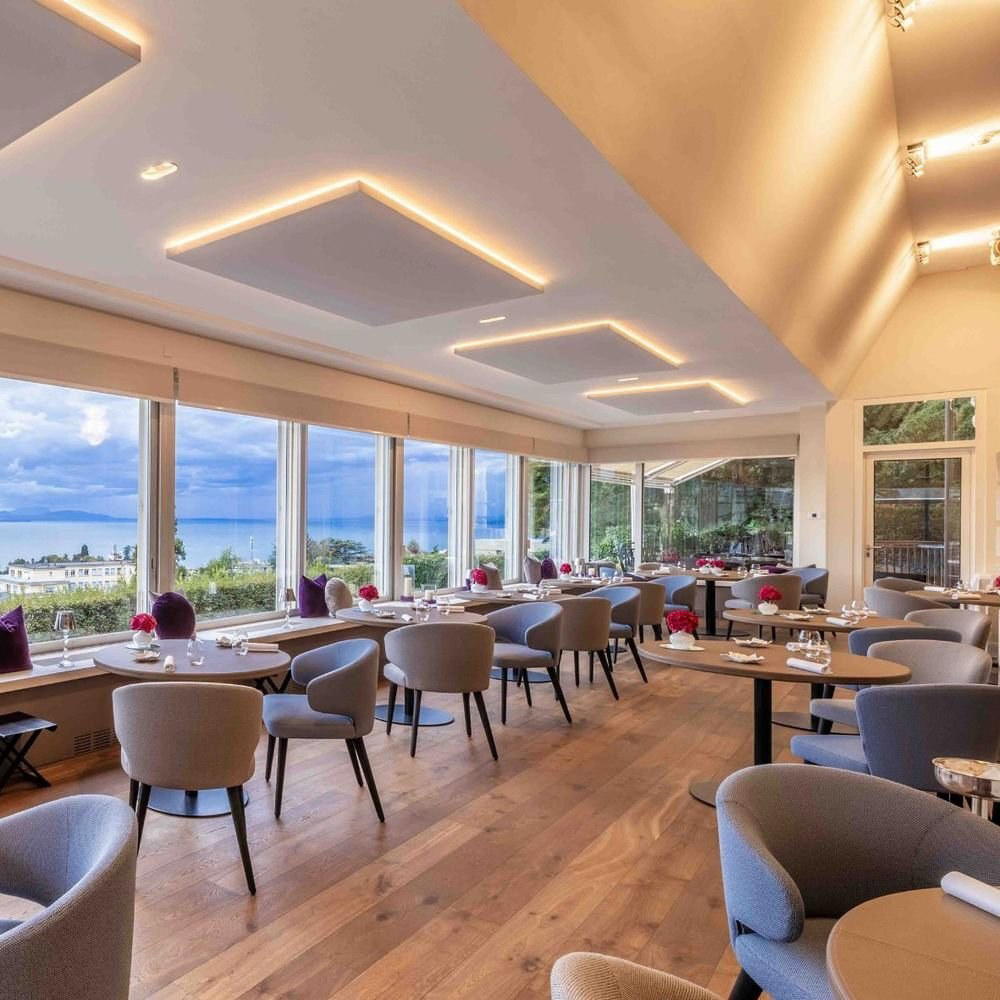
Bars in Lausanne
Browse all →
Hotels in Lausanne
Browse all →
Wineries in Lausanne
Browse all →
At a Glance
- Cozy
- Intimate
- Warm
- Date Night
- Group Dining
- Celebration
- Open Kitchen
- Extensive Wine List
- Local Sourcing
Current opening hours
- Monday
- 6:30–11:30 PM
- Tuesday
- 6:30–11:30 PM
- Wednesday
- 6:30–11:30 PM
- Thursday
- 6:30–11:30 PM
- Friday
- 6:30–11:30 PM
- Saturday
- 6:30–11:30 PM
- Sunday
- Closed
Hours can change for holidays and private events. Last verified .
Warm, intimate atmosphere with nice lighting allowing comfortable conversation.