Maxi's Noodle
Maxi's Noodle at 135-11 38th Ave sits at the heart of Flushing's dense, competitive Chinese dining corridor, among the more scrutinized Chinese restaurant districts in North America. The kitchen operates in a category where regulars track quality with the same seriousness applied to tasting-menu counters elsewhere in the city. A reliable stop for those working through Flushing's noodle and dim sum circuit.
Pearl is the En Primeur Club membership app — saves, bookings, and concierge access live there. Same editors, same standards.
- Address
- 135-11 38th Ave, Flushing, NY 11354
- Phone
- +1 917 908 0808
- Website
- maxisnoodle.com
- Directions
- Get directions
 Saves & bookings on Pearl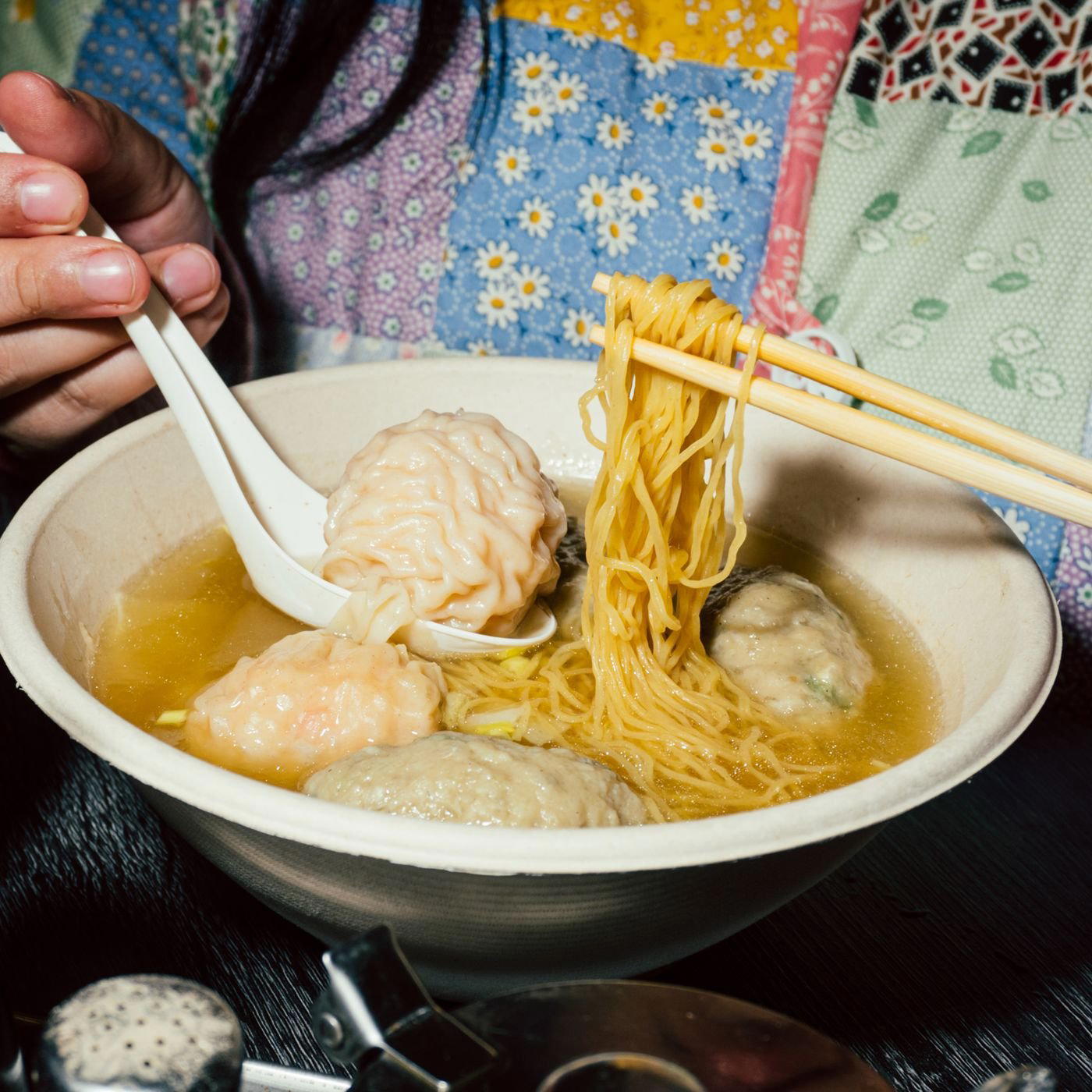
Flushing's Noodle Scene and Where Maxi's Sits Within It
Flushing, Queens has spent the last two decades consolidating its position as the concentrated node of Chinese regional cooking in the United States. The stretch of 38th Avenue and its adjacent blocks around the New World Mall and Golden Shopping Mall basement is where the city's most focused Chinese food conversation happens, not in Manhattan, not in Brooklyn's Sunset Park, but here, in a district where competition between operators is intense enough that quality signals travel fast through the community. Maxi's Noodle is a casual Hong Kong-style wonton noodle restaurant at 135-11 38th Ave, Flushing, NY 11354, with meals around $12. Maxi's Noodle, at 135-11 38th Ave, occupies this terrain. Understanding it requires understanding the broader scene first.
Flushing's dining corridor does not operate like the fine-dining precincts of Midtown or the West Village. There are no sommeliers presenting leather-bound wine lists, no tasting menus priced against Masa or Per Se. What it does have is something harder to sustain: a local clientele with deep institutional memory, who eat Chinese food several times a week and register the difference between a competent bowl and a great one without needing a critic to tell them. That audience is who Flushing's noodle houses are cooking for.
The Drink Question in a Noodle Context
In a Flushing noodle context, the beverage conversation shifts entirely. Chinese regional noodle houses in this district are not structured around wine programs. The drink logic here is tea, house beverages, and occasionally beer, functional accompaniments to food that is itself the entire point.
If you are looking for the kind of cellar depth that defines The French Laundry in Napa, or the wine-forward integration of Frasca Food and Wine in Boulder, you are in the wrong category. That is a statement about category, not quality. The leading noodle and dumpling kitchens in Flushing represent a different and completely internally coherent value system, one where the measure of seriousness is broth clarity, dough texture, and fill-to-wrapper ratio, not bin depth.
What the Flushing Circuit Looks Like From the Outside
New York's fine-dining tier, the Michelin-chased counters and prix-fixe rooms that constitute a separate economic and editorial universe, shares a city with Flushing but does not share a competitive set. Blue Hill at Stone Barns in Tarrytown, Smyth in Chicago, and Providence in Los Angeles are all operating in a category defined by tasting-menu architecture, wine program investment, and narrative cooking. Flushing's noodle houses are defined by regionality, repetition, and a kind of daily-use durability that tasting-menu restaurants explicitly reject.
This matters for the reader because the evaluation criteria are genuinely different. In cities like San Francisco, where Lazy Bear operates as a high-production dinner-party format, or New Orleans, where Emeril's carries legacy fine-dining weight, the question of a restaurant's wine program is structurally relevant. In Flushing, the relevant question is whether the kitchen is consistent, whether the regional specificity is genuine, and whether the room fills with the local Chinese community or primarily with visitors following a list.
Approaching 38th Avenue
The physical approach to Maxi's Noodle is itself a calibration exercise. The block sits in a section of Flushing that moves at a different pace from the tourist-facing food courts closer to the 7 train terminus. Signage is bilingual or Chinese-primary. The customer mix skews toward regulars rather than destination diners. These are reliable markers of a room that earns its patronage through daily performance rather than press cycles. Restaurants operating in this mode, at Addison-tier price points, you are consuming a different kind of curation; here, you are in a format where the transaction is direct and the feedback loop is immediate, tend to self-correct faster than rooms where the customer base is more transient.
The closest international parallel in editorial terms might be the trattoria tradition in northern Italy, where Dal Pescatore in Runate or Atelier Moessmer Norbert Niederkofler represent the high-end formal tier, while dozens of local lunch spots nearby operate in an entirely separate register of expectation and evaluation. The category distinction is not a hierarchy of quality; it is a hierarchy of intention.
For the Reader Planning a Flushing Visit
Flushing rewards a circuit approach more than a single-destination strategy. The density of the eating corridor means that a serious afternoon here can cover regional dumplings, hand-pulled noodles, Sichuan cold dishes, and Cantonese barbecue within a few blocks. The restaurant fits into this circuit as a noodle-focused stop within a broader exploration of the district. For readers also tracking venues like Single Thread Farm in Healdsburg or The Inn at Little Washington, the register is entirely different, but that is precisely the point of keeping both in a well-rounded dining portfolio.
Cost and Credentials
Comparable venues nearby, for context on price, style, and recognition.
| Venue | Cuisine | Price | Notes |
|---|---|---|---|
| Maxi's NoodleThis venue — the venue you are viewing | Not listed | $ | Not listed |
| Lanzhou Handmade Noodle | Not listed | $ | Flushing-Willets Point, Lanzhou Hand-Pulled Noodles |
| Xi'an Famous Foods 西安名吃 | Upper East Side 78th&2nd | Not listed | $ | Upper East Side-Lenox Hill-Roosevelt Island, Authentic Xi'an Chinese Noodles |
| Cafe Hong Kong | Not listed | $ | Chinatown-Two Bridges, Traditional Cantonese |
| Chinese Empire | Not listed | $ | Upper West Side-Manhattan Valley, Modern Szechuan & Taiwanese Chinese |
| Prosperity Dumpling | Chinatown, Traditional Chinese Dumplings | $ | Not listed |
Continue exploring
More in New York City
Restaurants in New York City
Browse all →
Bars in New York City
Browse all →


Hotels in New York City
Browse all →





At a Glance
- Lively
- Energetic
- Casual
- Casual Hangout
- Solo
- Group Dining
- Open Kitchen
Current opening hours
- Monday
- 10:30 AM–8 PM
- Tuesday
- 10:30 AM–8 PM
- Wednesday
- 10:30 AM–8 PM
- Thursday
- 10:30 AM–8 PM
- Friday
- 10:30 AM–8 PM
- Saturday
- 10:30 AM–8 PM
- Sunday
- 10:30 AM–8 PM
Hours can change for holidays and private events. Last verified .
Bustling and communal with elbow-to-elbow seating, steaming bowls flying out of the kitchen, and a fast-moving casual atmosphere.