Maui Coffee Roasters
On Hana Highway in Kahului, Maui Coffee Roasters occupies a position that matters to anyone arriving on the island with coffee in mind. The roastery-cafe format puts production and service in the same space, which is a structural choice that tells you something about priorities. For the Kahului dining scene, it represents a category unto itself among the town's cafe options.
 Discover on Pearl
Pearl is the En Primeur Club membership app — saves, bookings, and concierge access live there. Same editors, same standards.
- Address
- 444 Hana Hwy, Kahului, HI 96732
- Phone
- +18088772877
- Website
- mauicoffeeroasters.com
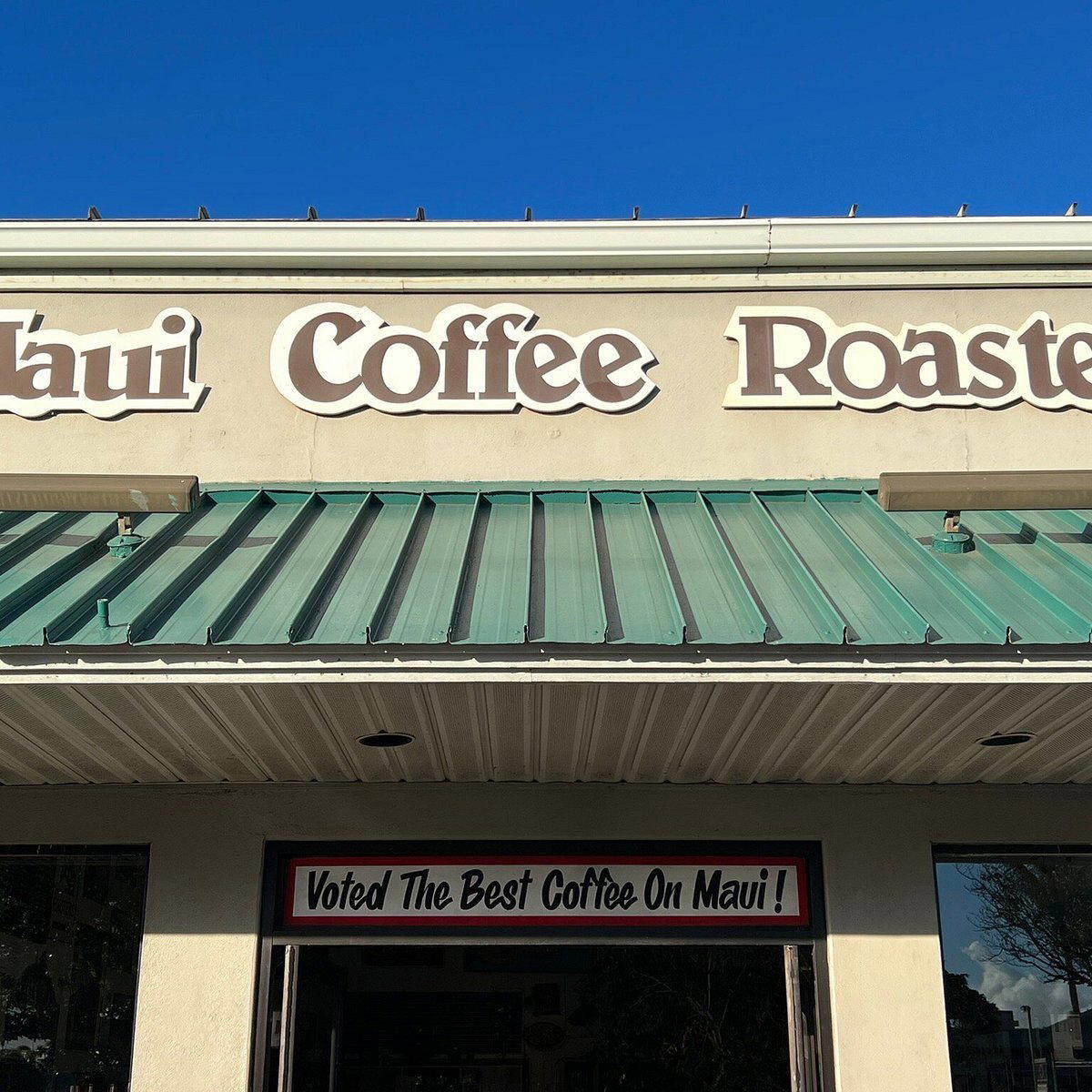
Where the Coffee Comes Before the View
Maui Coffee Roasters is a casual Hawaiian Coffee & Cafe in Kahului at 444 Hana Hwy, with a 4.5 Google rating and about $12 per person. Hana Highway, for most visitors, is a means to an end: the road that eventually delivers you to waterfalls, black sand beaches, and the wild eastern coastline of Maui. At its Kahului end, though, the road is considerably more workaday, a commercial corridor of warehouses, supply yards, and strip malls that serves the working side of the island. It is in this context, at 444 Hana Hwy, that Maui Coffee Roasters sits. The location is not incidental. A roastery-cafe on this stretch is not trading on scenery or foot traffic from resort corridors. Its draw is the product itself, which is the most reliable foundation a specialty coffee operation can have.
Hawaii occupies a structurally distinct position in American coffee. It is the only U.S. state where coffee is grown commercially, and that geographic fact shapes the entire retail and hospitality conversation around the beverage across the islands. Kona gets most of the international attention, and most of the premium pricing, but Maui-grown coffee, particularly from the Kula and Hana regions, has built a quieter, more regionally specific identity. A roaster operating on the island, rather than importing and rebranding mainland or Central American beans, is working within that local-supply conversation, whether explicitly or by proximity.
The Roastery Format as Editorial Statement
The roastery-cafe format is a structural choice that carries meaning before a single cup is poured. When roasting and retail occupy the same space, the menu architecture is necessarily built around what is being produced on-site, not what is easiest to source or most familiar to an international tourist audience. This is a meaningfully different premise from a hotel lobby cafe or an airport kiosk. The customer is, in effect, at the source, which creates both an opportunity and an obligation for the operation to be specific about what it is producing and why.
In specialty coffee terms, roastery-cafes tend to organize their menus around two axes: the origin story of the beans (single-origin, estate-specific, or blend-driven) and the roast philosophy (light to dark, and the brewing methods that match each). These are not abstract distinctions. A light-roasted Maui estate coffee served as a pour-over is a different sensory and intellectual proposition from a dark-blended espresso pulled for a milk-heavy drink. A well-structured roastery menu makes those distinctions legible to the customer, even one who is not a specialist.
Kahului as a Dining Context
Its dining scene reflects that function: it skews toward accessible, everyday options rather than resort-driven destination dining. Venues like Amigo's, Las Pinatas of Maui, and Bistro Casanova serve the working and residential population of central Maui as much as they serve visitors. Fuego Argentinean Steakhouse and Brigit & Bernard's Garden Cafe represent the town's modest upward reach into more formatted dining experiences.
Within that context, a specialty roastery occupies a category that none of those venues address. Coffee, in Kahului, is not typically the reason someone drives somewhere. Maui Coffee Roasters is an exception to that pattern, a destination within a district that does not otherwise generate destination-level food and drink traffic. That positioning is worth noting for how it differs from the experience of visiting a high-format restaurant. The comparison set here is not Le Bernardin in New York City or The French Laundry in Napa, nor the tasting-menu ambition of places like Alinea in Chicago or Lazy Bear in San Francisco. The relevant comparable set is other roastery-cafes in Hawaii's specialty segment, where the sourcing story and roast quality are the primary differentiators.
What the Menu Architecture Signals
Specialty roastery menus, when well-designed, teach the customer something. The sequencing of options, from single-origin filter coffees to blended espresso bases to cold preparations, reflects the roaster's priorities and the range of the production program. A menu that leans heavily on blends signals a commercial orientation; one that foregrounds estate or micro-lot offerings signals a more artisan approach. In Hawaii's context, the presence or absence of locally grown coffee on the menu is itself a statement: given the premium that island-grown beans command, committing to them reflects a specific sourcing position.
For visitors planning a stop, the practical approach is to arrive with a question: ask what is currently being roasted on-site and whether any Maui-grown or Hawaii-grown beans are available as single-origin filter options. The answer to that question will tell you more about the operation's identity than any promotional description.
The address at 444 Hana Hwy is accessible by car and sits within Kahului's main commercial zone, making it a reasonable first or last stop for anyone moving through the island's central hub. Visitors arriving through Kahului Airport will find it among the more geographically logical early stops before heading toward the resort corridors of Kaanapali or the road east toward Hana itself.
For those whose reference points in American dining run toward the farm-sourcing rigor of Blue Hill at Stone Barns in Tarrytown or the produce-first discipline of Single Thread Farm in Healdsburg, the roastery model in Hawaii is a useful analogue: the ingredient is the argument, and proximity to origin is the credential. Other notable American dining programs that take a similarly source-led approach include Providence in Los Angeles, Addison in San Diego, and Emeril's in New Orleans, though in each of those cases, the format is considerably more formal. The roastery-cafe keeps the sourcing seriousness while stripping away the ceremony, which is appropriate for a Kahului commercial strip at the start of a long driving day.
The roastery format is specificity and craft, served without a reservation requirement. And The Inn at Little Washington aside, few American dining experiences make the case for regional specificity as clearly as a Hawaii-grown bean, roasted on-island and served a short drive from where it was harvested.
A Credentials Check
Comparable venues nearby, for context on price, style, and recognition.
| Venue | Cuisine | Price | Awards | Notes |
|---|---|---|---|---|
| Maui Coffee RoastersThis venue — the venue you are viewing | Hawaiian Coffee & Cafe | $ | , | |
| Tin Roof Maui | Local Hawaiian Takeout | $$ | , | Kahului |
| Las Pinatas of Maui | Traditional Mexican | $ | , | Kahului |
| Rainbow Terrace Dining Room | Local-Style Hawaiian Fusion Buffet | $ | , | Kahului |
| Marco's Grill & Deli | Italian-American Comfort | $$ | , | Kahului |
| Amigo's | Authentic Mexican Taqueria | $ | , | Central Maui |
Continue exploring
More in Kahului
Restaurants in Kahului
Browse all →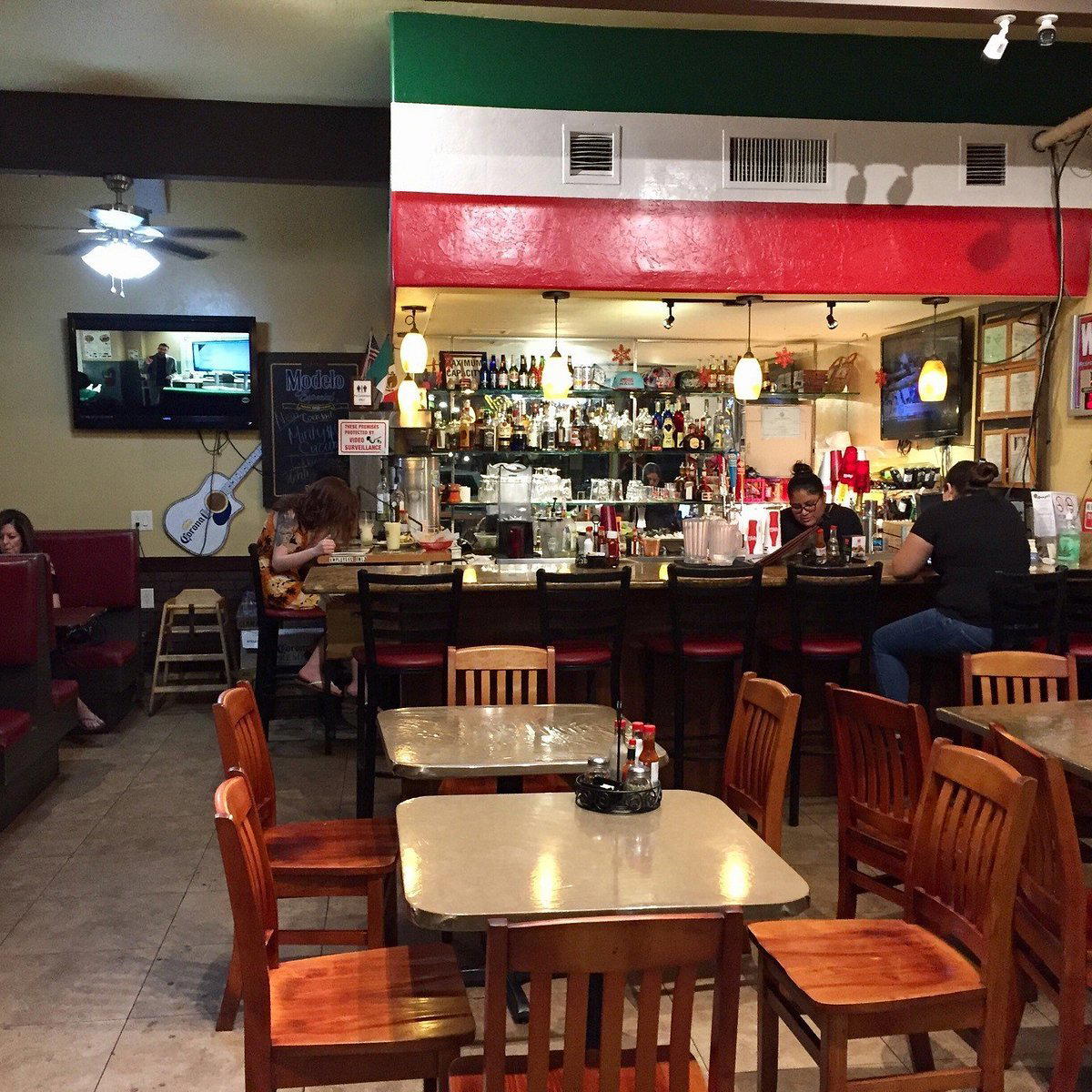
At a Glance
- Cozy
- Casual
- Bohemian
- Brunch
- Casual Hangout
- Solo
- Standalone
- Local Sourcing
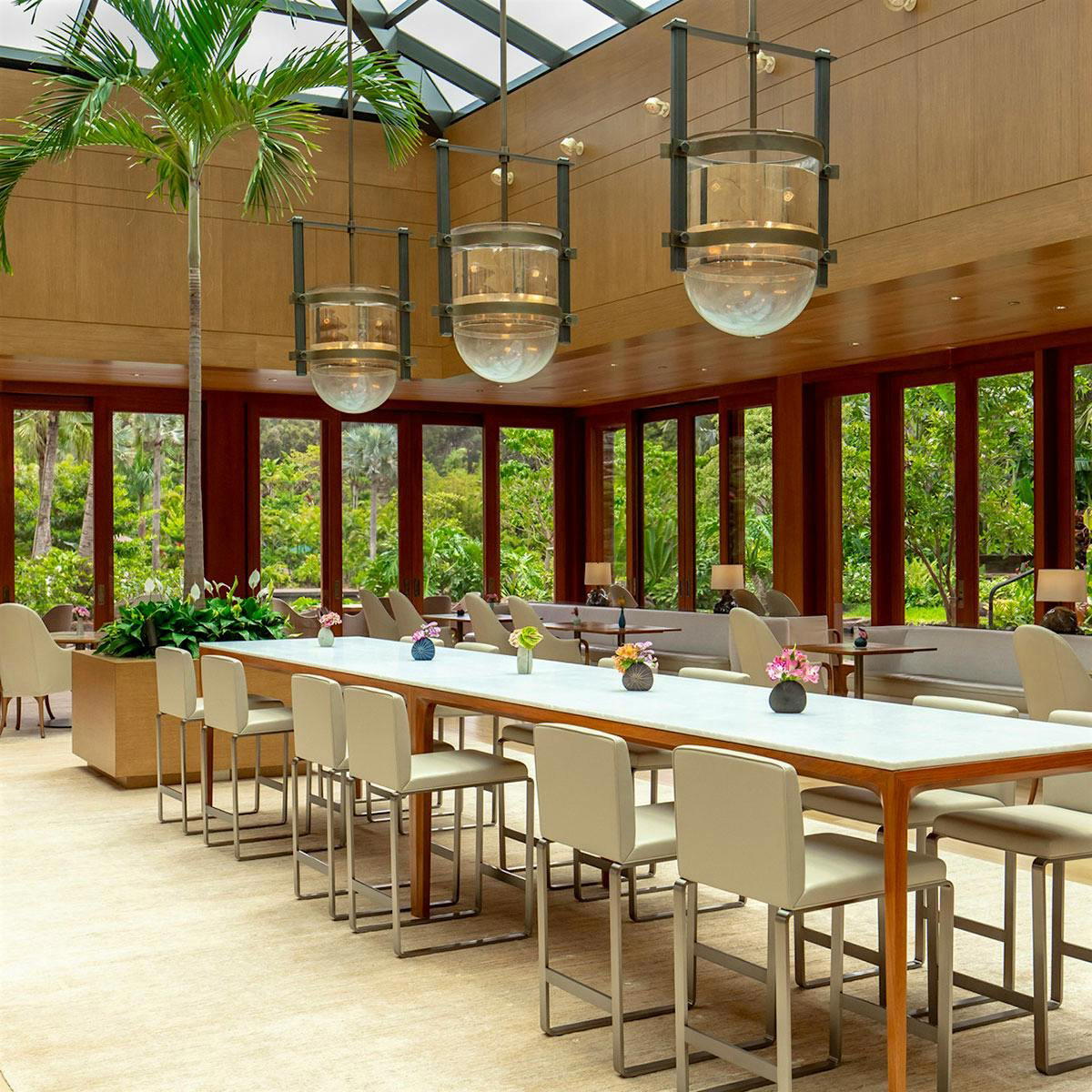
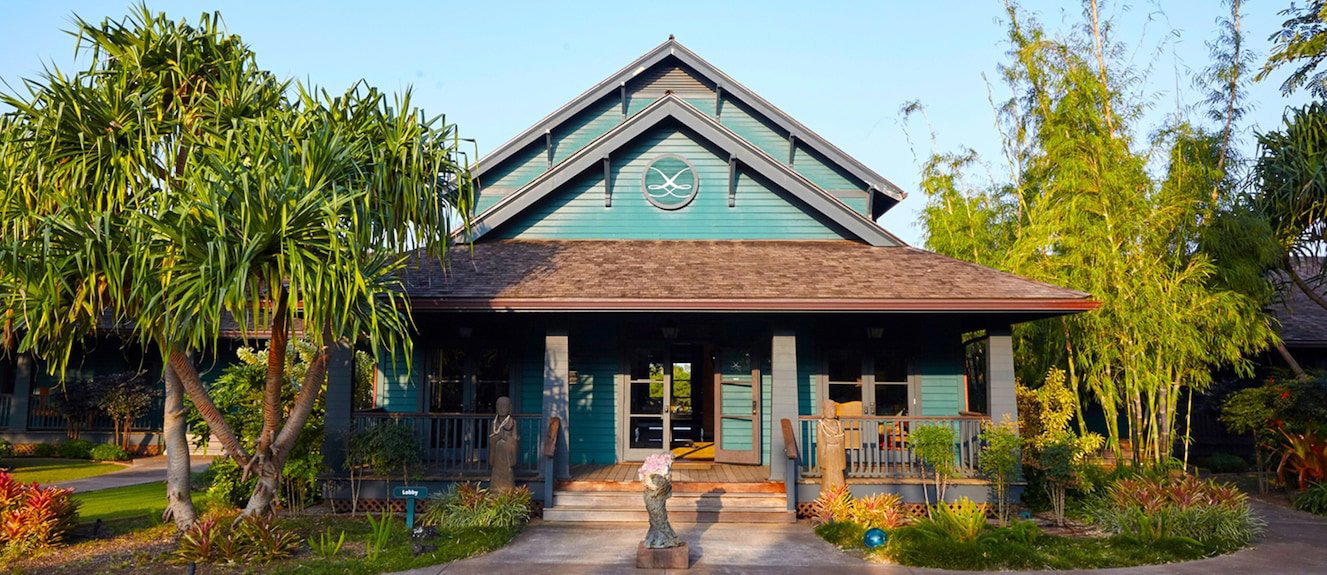
Colorful, art-filled cafe with a relaxed, welcoming atmosphere popular with students, windsurfers, and travelers; casual and comfortable with natural lighting.