Matsumura Manju

Tabelog 100 #13
Our verdict
Kusatsu’s sweet-shop culture sits close to the hot-spring circuit, where take-out wagashi works as both snack and edible souvenir. Matsumura Manju belongs to that tradition, with a Tabelog 100 selection for Japanese traditional sweets and cafe sweets in EAST 2023, a sub-¥999 spend profile, and a format built around quick, local purchasing rather than a long seated meal.

Pearl is the En Primeur Club membership app, where members save venues, book tables and use the concierge.
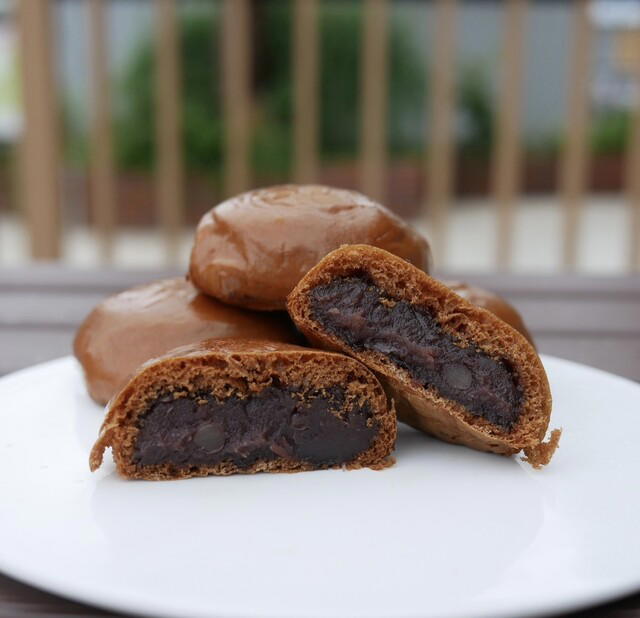
Approaching Agatsuma-gun, the rhythm changes from resort itinerary to small purchases: shopfronts, wrapped sweets, visitors moving between stops with paper bags in hand. This is where local food culture can differ from city dessert districts. The sweet is not always an after-dinner flourish; it can be part of local circulation, bought between activities, carried back to lodging, or taken home as proof of place.
Matsumura Manju sits inside that Agatsuma-gun pattern rather than outside it. The category is Japanese traditional sweets, and the spend sits in the lowest listed bracket, under JPY 999. That matters because regional wagashi is judged less by ceremony than by repeatable craft: a shop has to serve local demand, tourism demand, and gift demand without turning the product into a luxury performance.
Onsen wagashi, judged by freshness and local rhythm
Manju belongs to a long Japanese habit of tying sweets to place. Regional travel areas in particular often lean on compact, portable formats because visitors are rarely planning a full dessert course. They want something that survives a short walk, fits into a train or bus schedule, and reads clearly as local. In this category, freshness and turnover are not decorative claims; they are part of the difference between a sweet that feels alive to the town and one that could have come from any generic souvenir counter.
The recognition signal here is useful. Matsumura Manju was listed in Tabelog’s Hyakumeiten recognition for Japanese traditional sweets in 2023, with a Tabelog score of 3.59. For a small sweets shop in Agatsuma-gun, that places it in a different editorial bracket from anonymous souvenir counters. It is not competing with tasting-menu pastry rooms or plated dessert salons; it is being measured against regional wagashi specialists where consistency, local pull, and product clarity carry more weight than dining-room theatre.
That distinction also explains the price position. Nearby comparison points in the broader regional sweets set include Patisserie Rond-to, Sakurai Kanseido Honten, and Kuri no Ki Terrace Obuse ten. Matsumura Manju’s under-¥999 profile keeps it in the everyday-gift tier: easy to add to an Agatsuma-gun itinerary, serious enough to justify a stop, but not framed as a destination meal.
The case for a quick stop rather than a seated plan
The practical appeal is the discipline of the format. Traditional sweets work when the shop does not ask too much of the visitor. Agatsuma-gun’s setting already supplies the theatre through its regional character; the food role is sharper and smaller. A Matsumura Manju stop should be timed around movement, not scheduled as a lunch replacement. That is the right way to read this address: a compact purchase with credible regional recognition, not a long-form restaurant experience.
There are useful logistics embedded in that reading. The listed budget keeps the visit simple, and the category makes the purpose clear before arrival. Rather than treating Matsumura Manju like a metropolitan dining room, read it as a focused Japanese traditional sweets stop. These details point to a clear operating model: arrive with a simple plan, buy for immediate eating or gifting, and avoid overcomplicating the visit.
For travellers building a broader Japan dining route, this is a reminder that not every serious food address announces itself through chef counters and course menus. Some of Japan’s more revealing food stops are transactional, brief, and tied to a local product tradition. Agatsuma-gun gives that tradition a particular setting: regional tourism creates steady demand, while the better shops have to hold their ground against casual souvenir volume.
Where it fits in an Agatsuma-gun food day
An Agatsuma-gun itinerary benefits from mixing formats. A sweets stop can sit before dinner, after a morning outing, or between transport legs. The point is not to compare it directly with restaurants in larger cities; the better comparison is with other regional specialists where freshness, focus, and local habit do the editorial work. In that sense, Matsumura Manju gives a compact reading of Agatsuma-gun itself: practical, giftable, rooted in a regional sweets circuit, and credible enough to have earned national-platform recognition within its category.
Use the structured guides for surrounding planning rather than forcing this into a full meal slot: Our full Agatsuma-gun restaurants guide, Our full Agatsuma-gun hotels guide, Our full Agatsuma-gun bars guide, Our full Agatsuma-gun wineries guide, and Our full Agatsuma-gun experiences guide. For contrast across Japan and beyond, EP Club also tracks other dining rooms, cafés, bars, and regional specialists in its wider guide network.
Frequently asked questions
Is Matsumura Manju suitable for children?
Yes. The shop is in Agatsuma-gun and keeps a simple sweets-focused format that can work for family stops.
What's the vibe at Matsumura Manju?
It is a focused Japanese traditional sweets stop in Agatsuma-gun, not a long-form restaurant experience. The Tabelog Hyakumeiten 2023 recognition gives it added credibility within its category.
Is Matsumura Manju more mid-range or high-end?
Pricing at Matsumura Manju is listed as - JPY 999 - JPY 999 View spending breakdown.
What time does Matsumura Manju open and close?
Current opening and closing hours are not provided in the available venue facts.
Quick Comparison
Comparable venues by cuisine and price in the same metro.
| Venue | Cuisine | Price | Awards | Notes |
|---|---|---|---|---|
| Matsumura ManjuThis venue (the venue you are viewing) | Japanese Confectionery | $1–10 | Tabelog 100 #13 | Not listed |
| 幻の中華そば加藤屋 百万遍にぼ次朗 | Niboshi (Dried Sardine) Jiro-Style Ramen | Not listed | Not listed | Hyakumanben, Sakyo Ward |
| Masashi (正嗣 駒生店) | Utsunomiya Gyoza Specialist | Not listed | Not listed | Komanu |
| ラーメン チョンマゲ 大阪天六店 | Japanese Ramen | $10–20 | Not listed | Tenjinbashi |
| ラーメン にっこう 本店 | Chicken Pottage Ramen | Not listed | Not listed | 宇尾町 |
| Yoshinoya (吉野家) | Japanese Gyudon | $1–10 | Not listed | Kanazawa Station |
Recognition history
Dated appearances from independent guides and award organizations, with the underlying list record or original source where available.
Tabelog 100 #13 · No. 13
Tabelog · Tabelog 100 - Japanese traditional sweets / Japanese sweets cafe - EAST - 2023
Continue exploring
More in Agatsuma-gun
Restaurants in Agatsuma-gun
All restaurants in Agatsuma-gun →

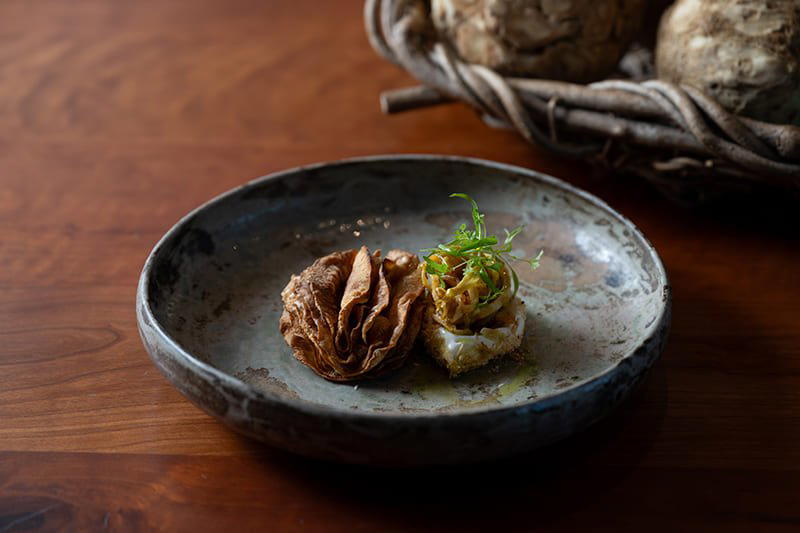
Hotels in Agatsuma-gun
Browse all →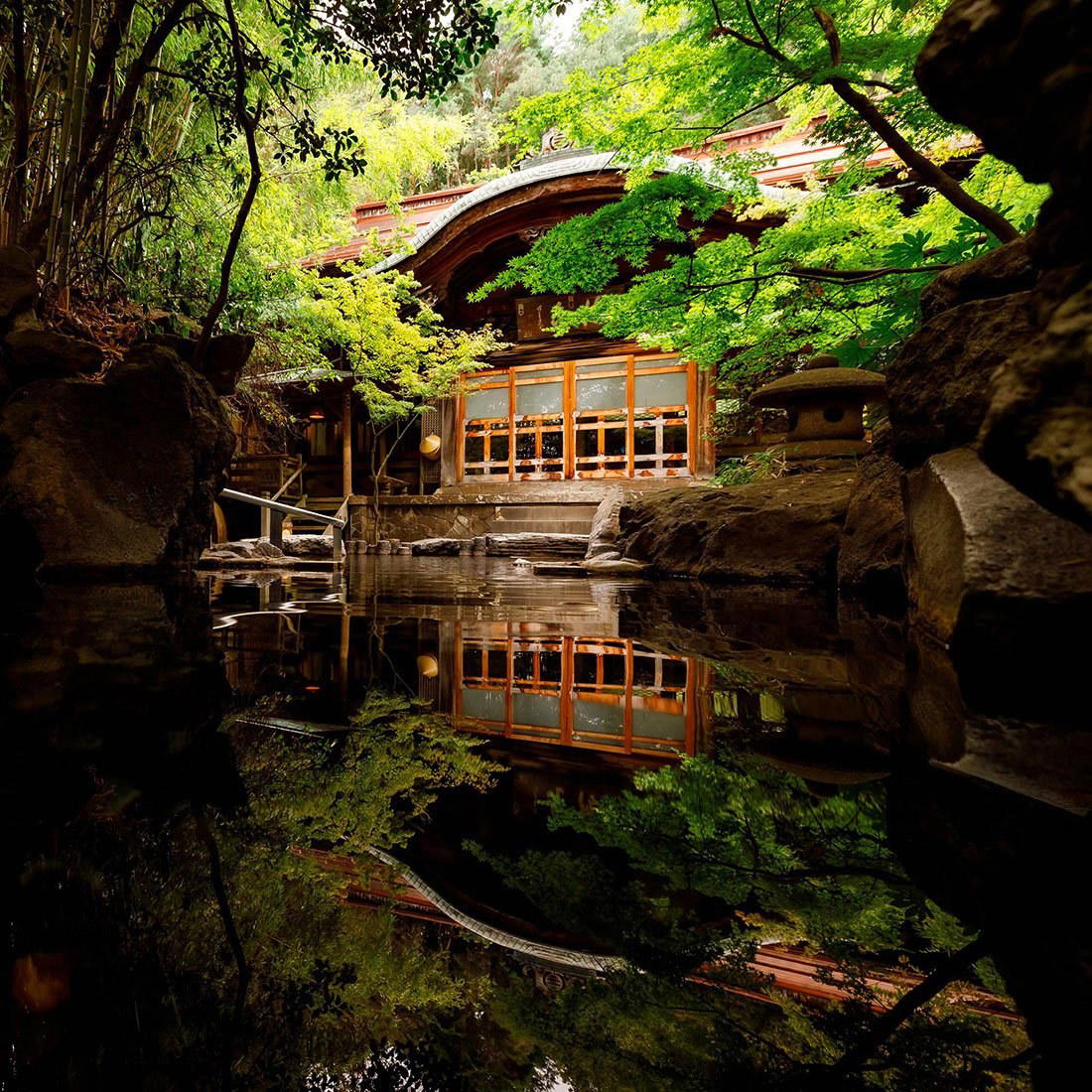
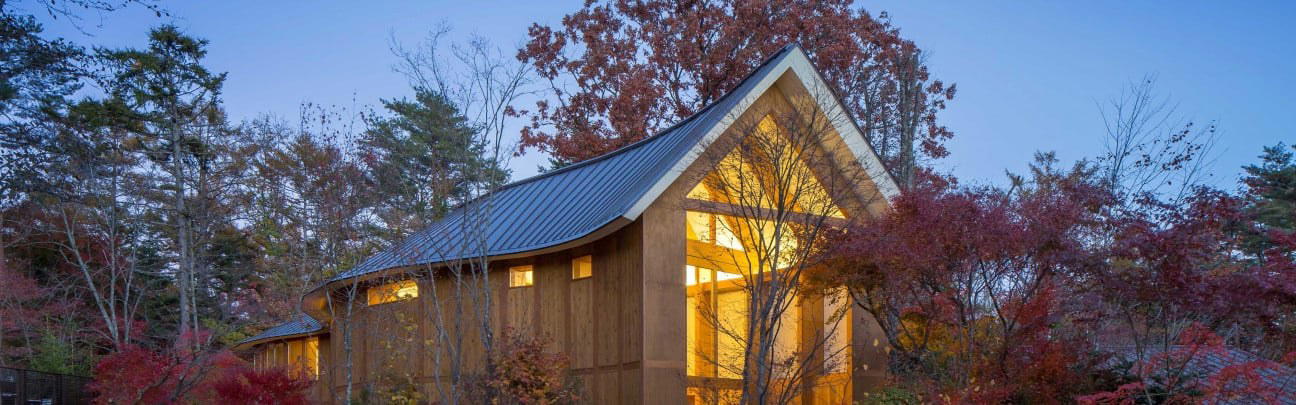
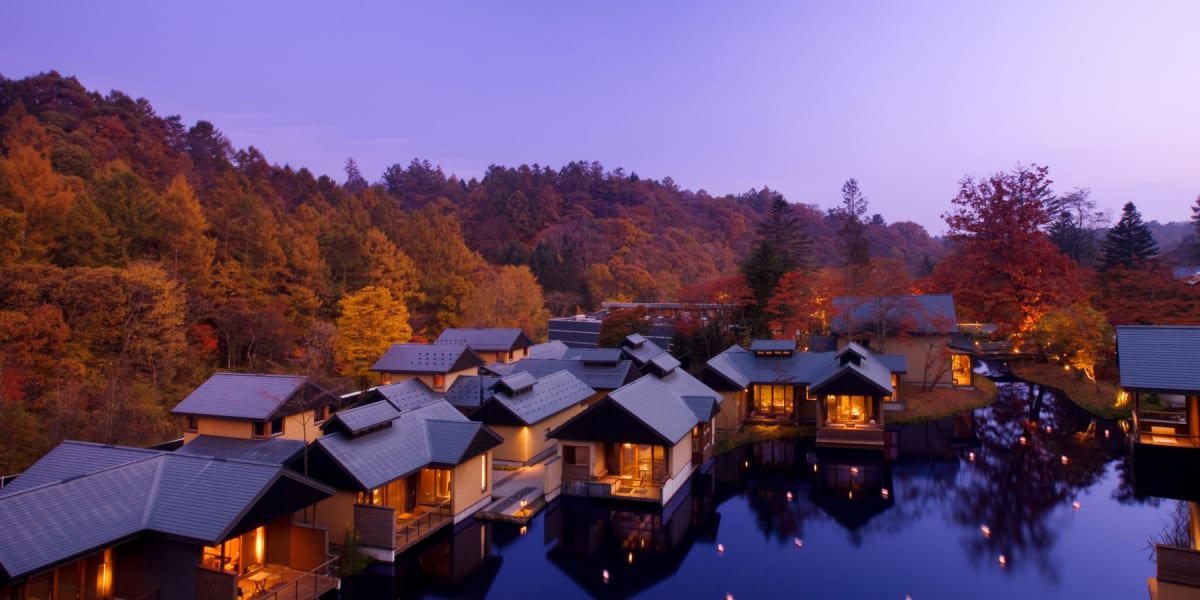

Wineries in Agatsuma-gun
Browse all →
Details
- Classic
- Cozy
- Casual Hangout
- Family
- Solo
- Standalone
- Street Scene
- A La Carte
- Vegetarian Friendly
Current opening hours
- Monday
- 8 AM–5 PM
- Tuesday
- 8 AM–5 PM
- Wednesday
- 8 AM–5 PM
- Thursday
- Closed
- Friday
- 8 AM–5 PM
- Saturday
- 8 AM–5 PM
- Sunday
- 8 AM–5 PM
Hours can change for holidays and private events. Hours as of .
Simple, traditional, and cozy, with the feel of a classic local sweets shop rather than a formal dining room.