Masala House - Indian
On a quiet Geneva street a short walk from the Cornavin rail hub, Masala House draws a loyal neighbourhood following for Indian cooking in a city where the cuisine remains genuinely underrepresented. Regulars return for the consistency and warmth rather than novelty, making it one of the more grounded ethnic dining options in a dining scene dominated by French and Continental European formats.
Pearl is the En Primeur Club membership app — saves, bookings, and concierge access live there. Same editors, same standards.
- Address
- Rue Chaponnière 5, 1201 Genève, Switzerland
- Phone
- +41227310272
- Website
- masalahouserestaurant.ch
- Directions
- Get directions
 Saves & bookings on Pearl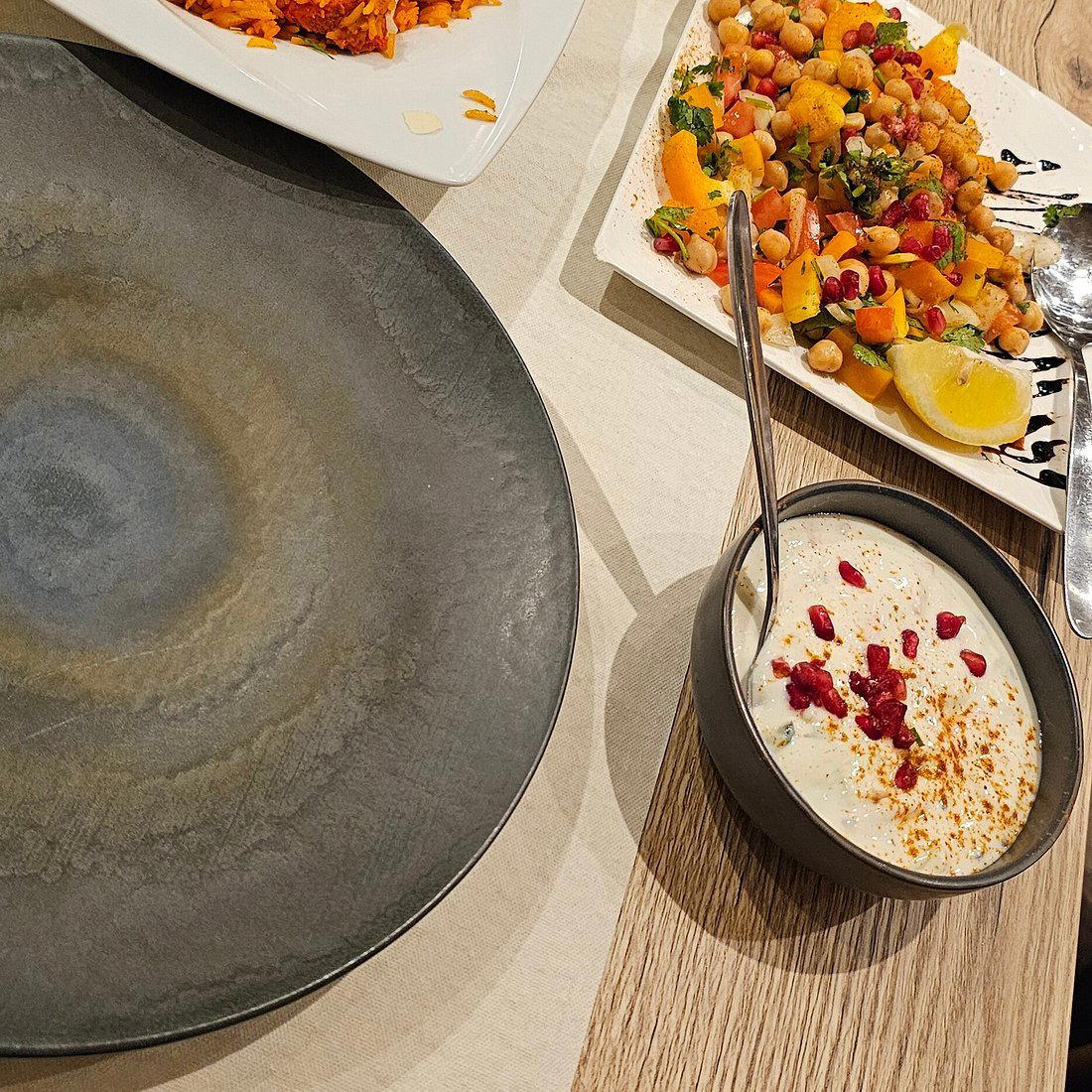
Indian Cooking in a City Built for French Fine Dining
Geneva's restaurant scene is shaped by a particular set of pressures: the city's status as a centre for international institutions, a Swiss-French culinary orthodoxy, and a dining public with strong expectations around precision and service. That context makes the presence of a dependable Indian kitchen on Rue Chaponnière something worth paying attention to. Indian cuisine remains markedly underrepresented in Geneva's mid-to-upper dining tier, where the table settings tend toward white tablecloths and the wine lists lean Burgundy. Masala House sits in a different register, and that gap in the market is part of what explains why its regulars keep returning.
For travellers comparing Geneva's options, the dominant dining tradition runs through places like L'Atelier Robuchon (French Contemporary), Il Lago (Italian), and L'Aparté (Modern French), all operating at the upper end of the European fine dining spectrum. Masala House does not compete in that register, nor is it trying to. It competes on familiarity, consistency, and the kind of food that a significant portion of Geneva's international community finds genuinely difficult to source in the city.
What Regulars Actually Come Back For
The language regulars use about a place like this is worth taking seriously as editorial evidence. In a city where Indian restaurants are few, the ones that survive tend to do so on the strength of a stable, returning clientele rather than on tourist footfall. That dynamic creates a particular kind of kitchen discipline: the menu cannot drift too far, service cannot become careless, and the kitchen must know which dishes matter most to the people who arrive every few weeks rather than once a year.
This is different from the logic that governs high-rotation tourist destinations or prestige tasting-menu rooms. At Masala House, the unwritten menu is essentially the dishes that regulars have already ordered, the ones that have been quietly refined through repetition rather than through public reinvention. That model of consistency-over-novelty is a meaningful feature of the Indian restaurant tradition in European cities, where the genre often operates as a kind of culinary anchor for expatriate communities and internationally mobile professionals.
Geneva's population is genuinely cosmopolitan in a way that few Swiss cities match. The presence of the United Nations, the International Red Cross, and dozens of NGOs and financial institutions creates a dining public with direct experience of Indian food at a high level, from Mumbai to London to New York. That audience is not easily fooled by approximation, which means that any Indian restaurant in Geneva that sustains a loyal clientele is, by implication, doing something credible.
The Neighbourhood Context
Rue Chaponnière 5 places Masala House in the area around Gare de Cornavin, Geneva's main rail terminus, which is a neighbourhood with a notably different character from the lakeside dining strip or the Old Town. It is a practical, working part of the city, accessible and un-precious, and it attracts a different kind of diner than the terrasse restaurants facing the Jet d'Eau. For Geneva newcomers, the proximity to Cornavin makes Masala House logistically direct to reach by train or tram.
This part of central Geneva also hosts a broader range of global cuisines than the more visible tourist-facing areas. The trade-off is that dining rooms here tend to be less designed and more functional. That suits the regulars' model: the point is the food, not the room.
For context on the wider Geneva dining scene, our full Geneva restaurants guide maps the city's options across price tiers and cuisines. Nearby alternatives with a different culinary focus include Arakel (Modern Cuisine) and La Micheline (Mediterranean Cuisine), both operating in the mid-to-upper Geneva tier.
Indian Dining in the Swiss Restaurant Context
Switzerland's fine dining infrastructure is, by European standards, dense and seriously credentialed. Restaurants like Hotel de Ville Crissier in Crissier, Schloss Schauenstein in Fürstenau, and Cheval Blanc by Peter Knogl in Basel represent a level of technical ambition that draws international attention. At the other end of the format spectrum, Memories in Bad Ragaz and 7132 Silver in Vals operate destination formats outside the major cities. Across Switzerland, from Colonnade in Lucerne to Da Vittorio in St. Moritz to Einstein Gourmet in Sankt Gallen, the dominant culinary languages are French, Italian, and modern European.
Indian cuisine occupies a narrow slice of this ecosystem. In Geneva specifically, the combination of high rents, a demanding and internationally experienced clientele, and limited supply-chain infrastructure for South Asian ingredients creates genuine operational difficulty. The restaurants that persist in this niche do so through a combination of community loyalty and operational focus that most casual observers underestimate.
For comparison at the international level, the elevation of Indian cuisine into tasting-menu formats has been most visible in cities like London and New York, where restaurants like Atomix in New York City and the technically precise French tradition represented by Le Bernardin in New York City have established what ambitious cooking at this level can look like. Geneva has not yet developed an Indian restaurant operating in that tier, which means that mid-range options like Masala House serve a distinct and largely uncontested function in the city's dining map.
Further afield in Switzerland, destinations like focus ATELIER in Vitznau and IGNIV Zürich by Andreas Caminada in Zurich illustrate what Swiss restaurants are doing at the format-innovation end of the spectrum. Masala House operates in an entirely different register, but the contrast is useful: it explains why a consistent, accessible Indian kitchen in Geneva fills a gap that the city's formal restaurant culture leaves open.
Planning Your Visit
Masala House is located at Rue Chaponnière 5, 1201 Genève, within walking distance of Gare de Cornavin. For current hours, booking options, and menu details, contacting the restaurant directly or checking current listings is advisable, as operational information was not confirmed at the time of publication. Geneva dining at this level and in this category rarely requires advance booking weeks ahead, but calling ahead for dinner on busy weeknights is sensible given the size of most venues in this part of the city. If you have specific dietary requirements or allergy concerns, raising them directly with the restaurant before arrival is the most reliable approach, as menu compositions can vary and verbal confirmation from the kitchen is more dependable than printed summaries.
How Masala House Geneva compares with similar nearby venues.
| Venue | Cuisine | Price |
|---|---|---|
| Nagomi | Japanese | €€€ |
| Bistrot du Boeuf Rouge | Traditional Cuisine | €€ |
Continue exploring
More in Geneva
Restaurants in Geneva
Browse all →
Bars in Geneva
Browse all →
Hotels in Geneva
Browse all →

At a Glance
- Cozy
- Classic
- Casual Hangout
- Group Dining
- Family
- Standalone
Current opening hours
- Monday
- 11:30 AM–2:30 PM, 6–10:30 PM
- Tuesday
- 11:30 AM–2:30 PM, 6–10:30 PM
- Wednesday
- 11:30 AM–2:30 PM, 6–10:30 PM
- Thursday
- 11:30 AM–2:30 PM, 6–10:30 PM
- Friday
- 11:30 AM–2:30 PM, 6–10:30 PM
- Saturday
- 12–2:30 PM, 6–10:30 PM
- Sunday
- 12–2:30 PM, 6–10:30 PM
Hours can change for holidays and private events. Last verified .
Warm and welcoming with heartfelt hospitality; casual neighborhood setting with homemade-quality food preparation.
Know Before You Go
- Getting there
- Rue Chaponnière 5, 1201 Genève, Switzerland