Martini en Fuego Grill Restaurant
Our verdict
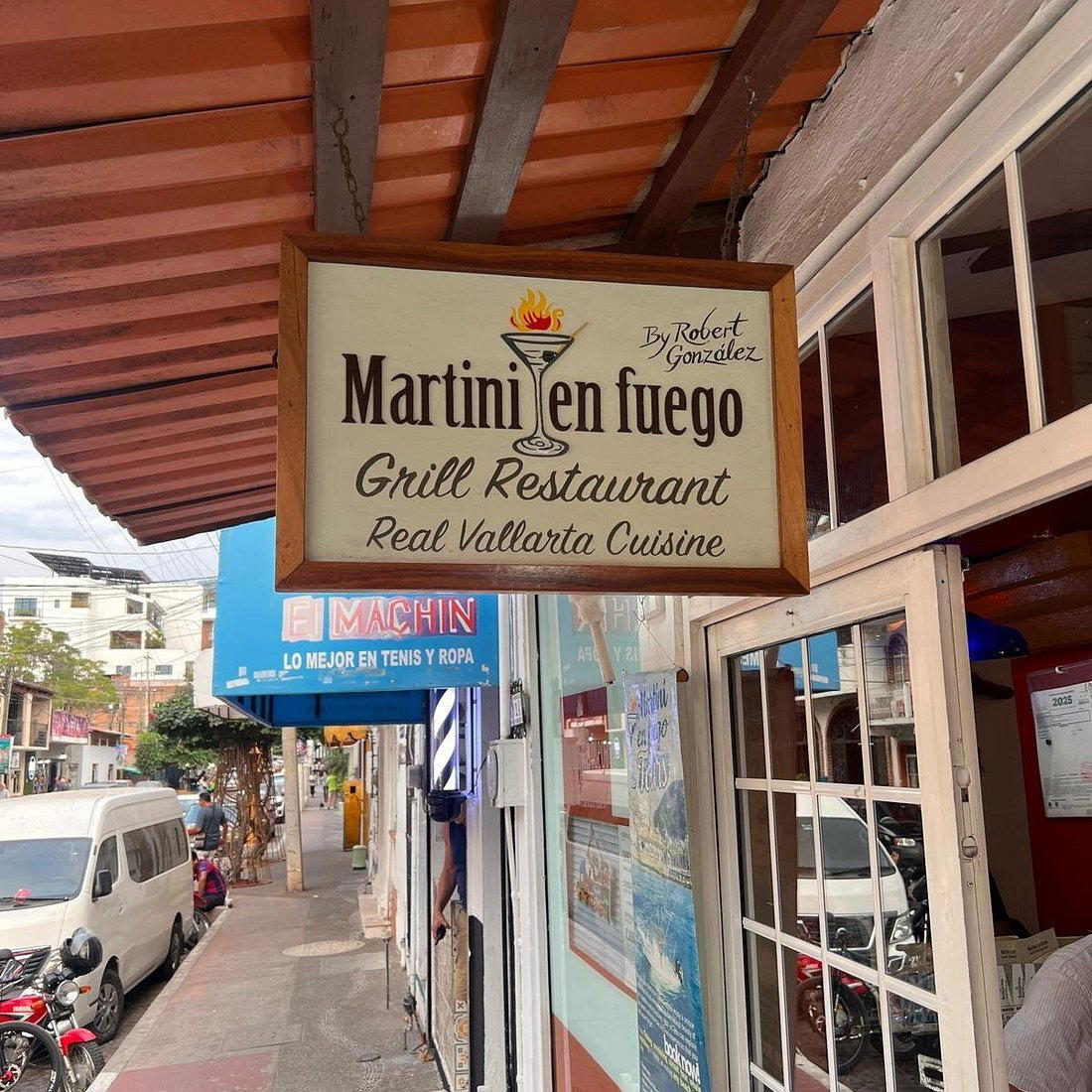
Martini en Fuego Grill Restaurant occupies a corner of Zona Romántica, Puerto Vallarta's most concentrated dining district, where grilled preparations and a cocktail-forward identity signal a specific position within the neighbourhood's mid-to-upper casual tier. The name itself telegraphs the menu's dual emphasis: fire and spirits working in parallel rather than as afterthoughts to each other.

Pearl is the En Primeur Club membership app, where members save venues, book tables and use the concierge.
The menu
What to order
- Shrimp Fiesta
- Roberto Shrimp
- Seafood Platter
Fire and the Cocktail List, Working Together
In Puerto Vallarta's Zona Romántica, the gap between a beach-adjacent bar with a grill and a restaurant that takes both seriously is wider than the address might suggest. Calle Francisco I. Madero sits at the heart of the Emiliano Zapata neighbourhood, a corridor where the dining offer runs from casual taco counters to multi-course operations that draw travellers specifically for their food. Martini en Fuego Grill Restaurant occupies a position within that spectrum where the menu's two anchors, grilled proteins and a martini-led drinks program, are given roughly equal structural weight. That duality is not incidental, it defines what kind of evening the restaurant is designed to produce.
Zona Romántica has spent the better part of two decades evolving from a nightlife strip into a neighbourhood with genuine dining depth. The restaurants that have lasted in this part of Puerto Vallarta tend to have a legible identity: Café des Artistes built its reputation on French-influenced technique applied to Mexican ingredients; Balam Balam anchors itself to regional tradition. A grill restaurant that leads with its cocktail identity is staking a different claim, that the drinks are not a support act but a parallel program that frames how you eat.
Reading the Menu as a Structure
The name Martini en Fuego functions as a menu philosophy compressed into two words. Fuego implies open-fire or high-heat cooking, the kind of grill-forward approach where char, smoke, and resting time are the primary tools. Martini signals a cocktail program with enough range and seriousness to anchor a visit on its own terms. In Mexico's coastal resort cities, this pairing has become a coherent format: venues where the bar list is architected to work alongside grilled seafood and meat, rather than defaulting to beer and margaritas as the default accompaniment.
Across Mexico's wider restaurant circuit, the grill format has attracted serious culinary investment. Animalón in Valle de Guadalupe turned wood-fire cooking into a destination-level proposition. Alcalde in Guadalajara applies technique-led thinking to grilled preparations within a broader tasting format. Puerto Vallarta operates at a different register, it is a resort city rather than a culinary-capital destination, but the underlying logic of letting fire and smoke do structural work on a menu has filtered down into the neighbourhood grill tier. Martini en Fuego sits within that local expression of a wider national trend.
For comparison, venues like Campomar Puerto Vallarta approach the seafood-forward end of the same coastal dining tradition, while Calmate Cafe and Bean and Brick occupy the lighter daytime end of the neighbourhood's offer. Martini en Fuego positions itself in the evening-focussed, protein-and-cocktail segment, a narrower slice of the market, but one with consistent demand in a city that runs on tourist-season dinner traffic.
The Zona Romántica Context
The Emiliano Zapata neighbourhood, which houses Zona Romántica, is Puerto Vallarta's most walkable dining district. The concentration of restaurants on and around Olas Altas and the streets running south from the malecón means that diners are making comparative choices in real time, looking at menus posted outside, watching what arrives at adjacent tables. In that environment, a grill-and-martini format communicates quickly: this is a place for an anchored dinner rather than a quick bite, where the cocktail program will hold your attention before and after the main plates arrive.
Puerto Vallarta's tourism profile skews toward longer stays than day-trip resort destinations, which supports restaurants that can sustain return visits across a week-long trip. A venue with a coherent drinks identity alongside its food tends to perform well in that context, because the cocktail list gives returning guests a reason to come back even when they have already worked through the core menu.
How This Fits Mexico's Wider Dining Conversation
Mexico's restaurant culture has undergone a structural shift over the past decade. Venues like Pujol in Mexico City, Levadura de Olla Restaurante in Oaxaca, and KOLI Cocina de Origen in Monterrey have pushed Mexican fine dining into an internationally competitive register. That shift has had downstream effects: it has raised general expectations for technique, sourcing, and drinks programs even in resort-market settings. A martini-forward cocktail list in Puerto Vallarta in 2025 is operating against a different baseline of guest expectation than it would have been ten years ago.
The coastal resort category has its own serious contributors to this evolution. Le Chique in Puerto Morelos and HA' in Playa del Carmen demonstrate that Mexico's Caribbean and Pacific coasts can sustain ambitious food programs. Lunario in El Porvenir and Olivea Farm to Table in Ensenada show how wine-region adjacency shapes coastal dining identity. Puerto Vallarta's version of this is less tied to a single prestige anchor and more distributed across a neighbourhood-level dining culture, which is where a grill-and-cocktail format finds its natural home.
For a broader map of where Martini en Fuego sits within Puerto Vallarta's full dining offer, the full Puerto Vallarta restaurants guide provides category-level context across price tiers and cuisine types. For reference points at the technical end of the cocktail-and-fine-dining spectrum, Le Bernardin in New York City and Atomix in New York City illustrate what a fully integrated drinks-and-food architecture looks like at the highest tier, and Pangea in San Pedro Garza Garcia shows the northern Mexico equivalent.
Planning a Visit
Martini en Fuego Grill Restaurant is located at Calle Francisco I. Madero 260, Interior A, in the Emiliano Zapata section of Zona Romántica. The address places it within walking distance of the southern end of Puerto Vallarta's main hotel corridor and within the dense restaurant block that makes Zona Romántica the neighbourhood most visited on foot after dark. Given the venue's positioning as an evening-oriented grill and cocktail operation, arriving with enough time to work through the drinks program before or alongside the food will make the most of what the format offers. Booking ahead is advisable during Puerto Vallarta's high season, which runs from November through April, when the neighbourhood's restaurants operate at sustained capacity across multiple dinner seatings.
Frequently asked questions
What's Martini en Fuego Grill Restaurant's location?
Martini en Fuego Grill Restaurant is located at C. Fco. I. Madero 260-Int. A, Zona Romántica, Emiliano Zapata, 48380 Puerto Vallarta, Jal. Mexico, Puerto Vallarta.
How does Martini en Fuego Grill Restaurant fit into Puerto Vallarta's wider restaurant scene?
Zona Romántica is Puerto Vallarta's most walkable dining district, with a concentration of restaurants that skews heavily toward seafood and margarita-led menus. Martini en Fuego occupies a narrower format by pairing a grill-forward kitchen with a martini-anchored cocktail program, a combination that sits apart from the neighbourhood's more generalist beachside offerings. That specificity places it within a broader shift in Mexican dining culture, where defined kitchen identities and structured drink programs have become more common even outside major urban centres like Mexico City.
What should I order at Martini en Fuego Grill Restaurant?
The name is a reliable guide: grilled preparations form the structural centre of the menu, and the cocktail list leans on martini variations rather than the margarita-heavy format common to most Zona Romántica venues. Start with the grill section and treat the martini program as a serious pairing rather than an afterthought. The kitchen's identity at Calle Madero 260 sits at the intersection of fire cooking and bar craft, so ordering across both columns gives the clearest picture of what this restaurant is doing.
Is Martini en Fuego Grill Restaurant reservation-only?
No confirmed booking policy is published but context is worth factoring in. Puerto Vallarta's Zona Romántica runs at high capacity from November through April, and evening-oriented grill restaurants in this district tend to fill quickly during peak season. Arriving early or contacting the restaurant directly at its Calle Madero 260 address is the practical approach until a formal reservation system is confirmed.
Recognition, Side-by-Side
Comparable venues nearby, for context on price, style, and recognition.
| Venue | Cuisine | Price | Notes |
|---|---|---|---|
| Martini en Fuego Grill RestaurantThis venue (the venue you are viewing) | Mexican Seafood Grill | $50–100 | Not listed |
| Tacos de la santa cruz | Traditional Mexican Taqueria | $10–20 | Aguacate |
| La Leche | Modern Mexican Fusion | $50–100 | Zona Hotelera Norte |
| Tacón de Marlin | Mexican Seafood Burritos | $10–20 | Cinco de Diciembre |
| La Palapa | Tropical Mexican Fusion | $20–30 | Romantic Zone |
| Balam Balam | Traditional Mexican Seafood | $10–20 | Emiliano Zapata |
Continue exploring
More in Puerto Vallarta
Restaurants in Puerto Vallarta
All restaurants in Puerto Vallarta →
Bars in Puerto Vallarta
All bars in Puerto Vallarta →

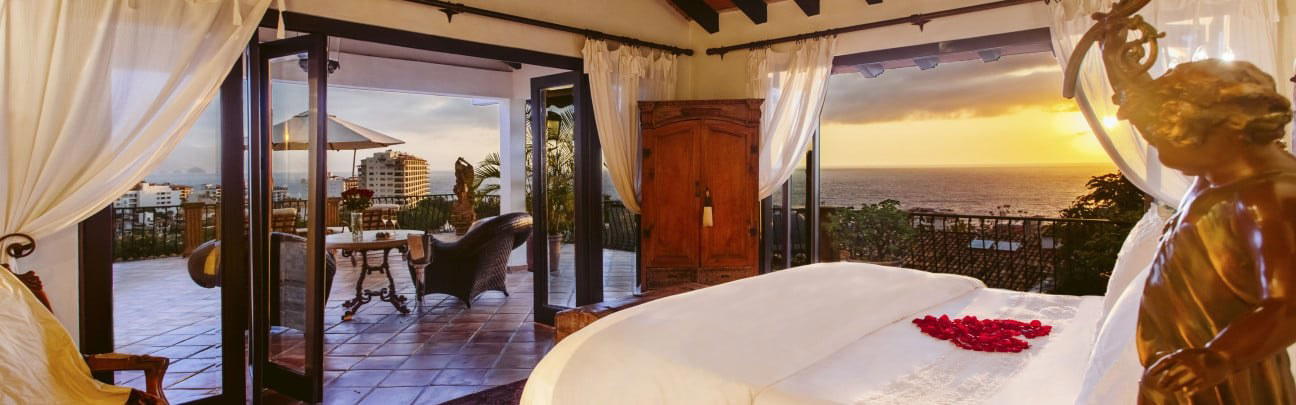
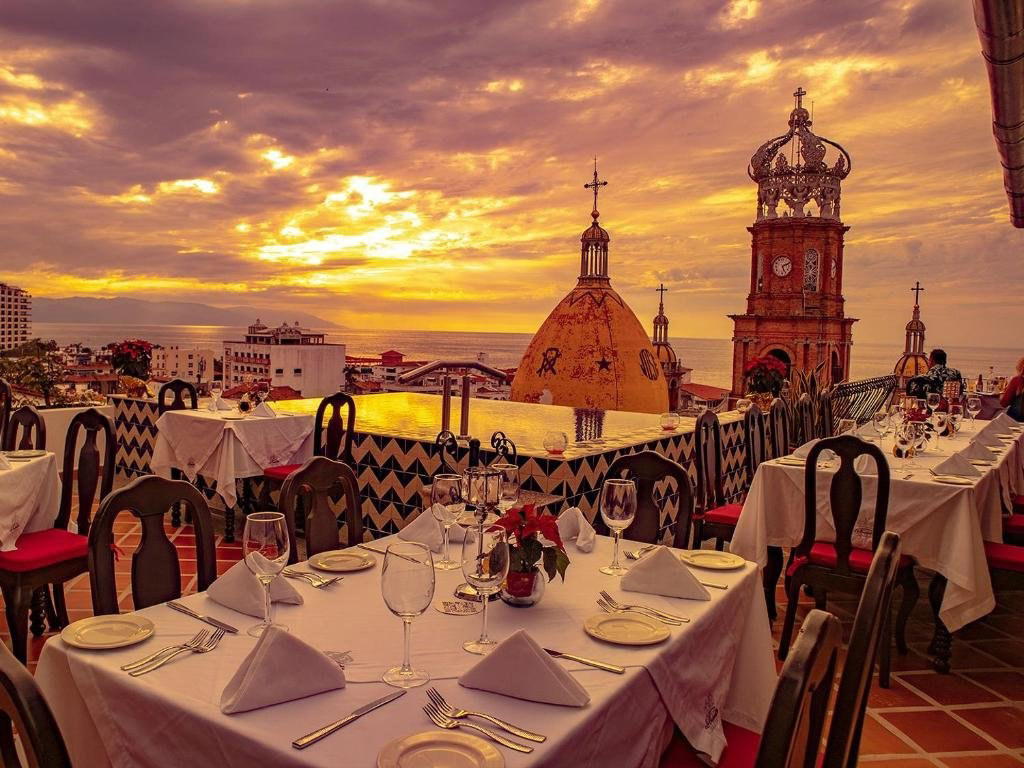
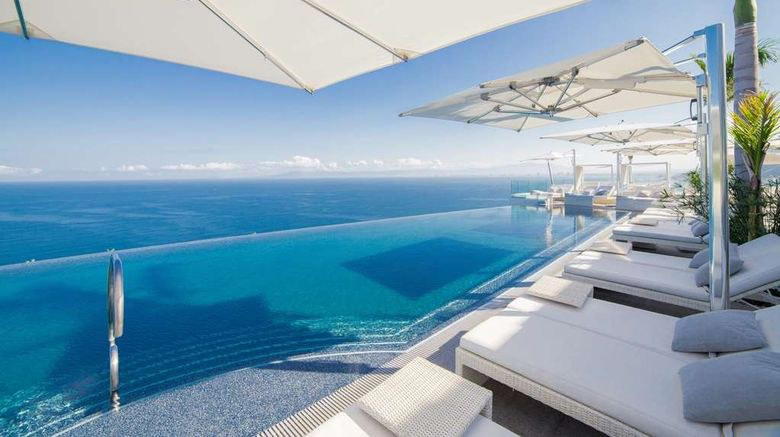
Martini en Fuego Grill Restaurant
The wine
- Extensive wine list
- Craft cocktails
Details
- Cozy
- Intimate
- Romantic
- Date Night
- Family
- Celebration
- Live Music
- Craft Cocktails
- Extensive Wine List
- A La Carte
- Craft Cocktails
- Vegetarian Friendly
- Vegan Options
- Gluten Free Options
Current opening hours
- Monday
- 2:30–10:30 PM
- Tuesday
- 2:30–10:30 PM
- Wednesday
- 2:30–10:30 PM
- Thursday
- Closed
- Friday
- 2:30–10:30 PM
- Saturday
- 2:30–10:30 PM
- Sunday
- 2:30–10:30 PM
Hours can change for holidays and private events. Hours as of .
Cozy and welcoming with nice lighting, live guitar music, and a personal family-like atmosphere.