Martian Ranch & Vineyard
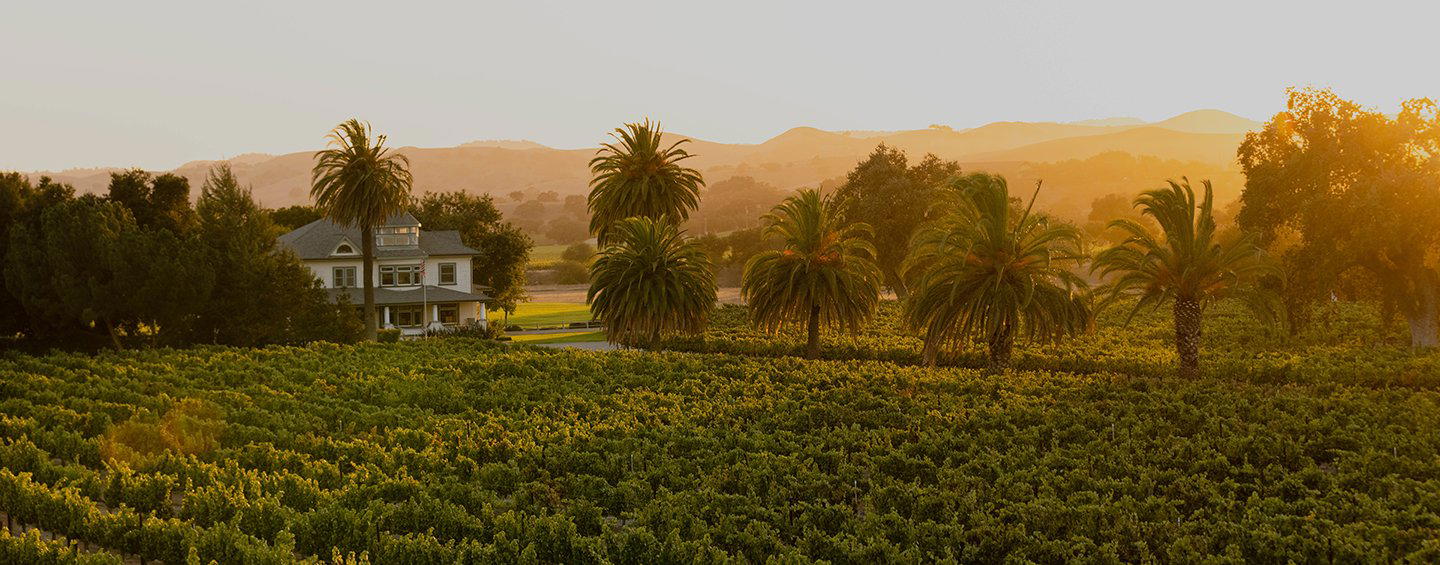
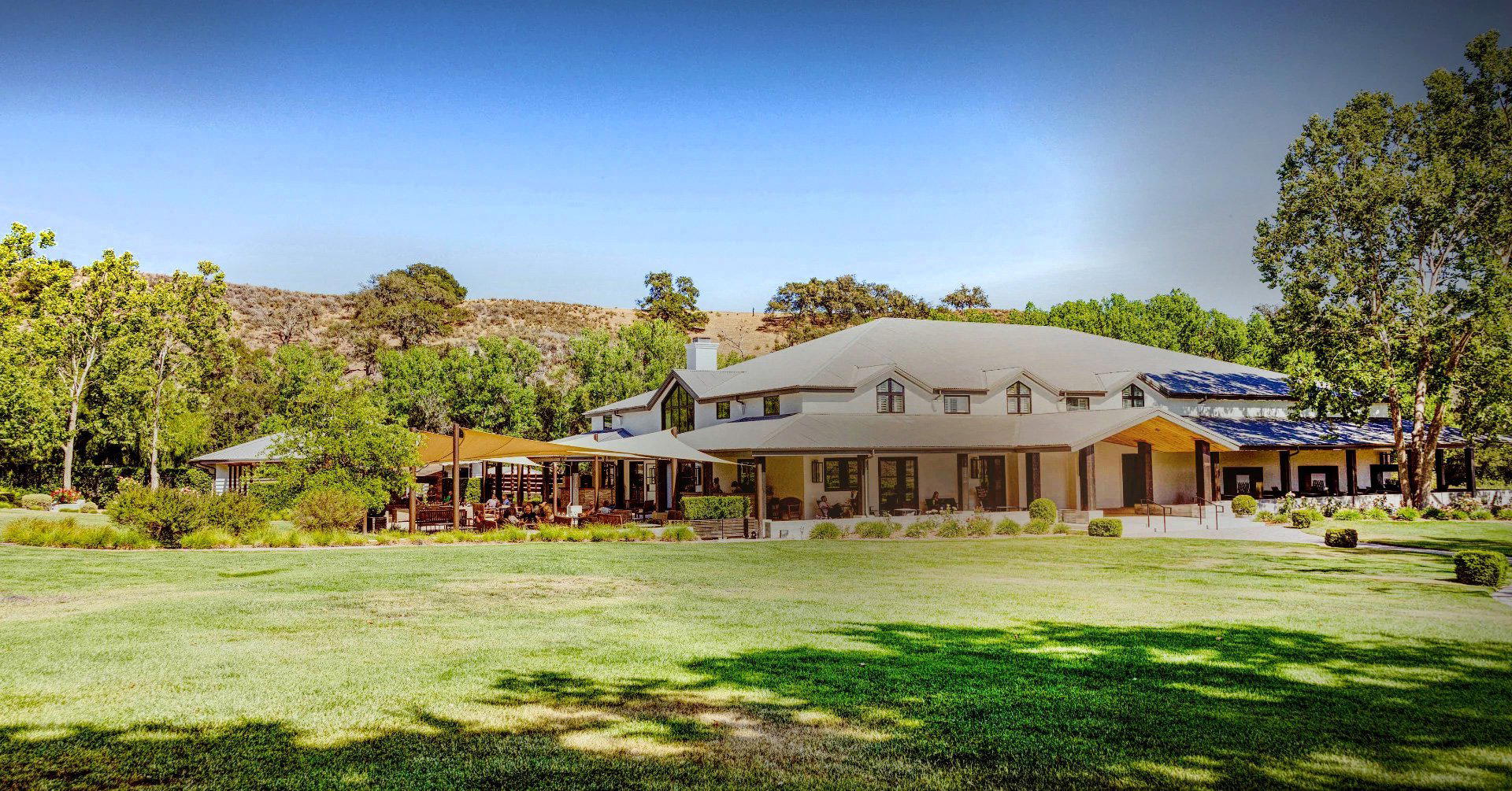
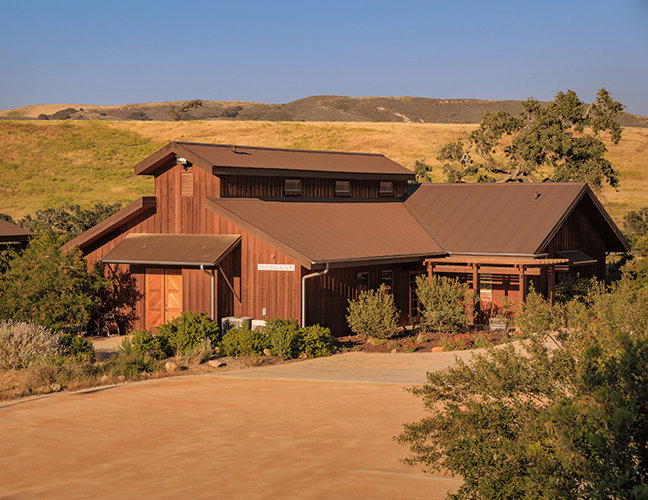
A winery and ranch operation in Los Alamos, New Mexico, Martian Ranch & Vineyard sits in one of the American Southwest's least-charted wine corridors. The high-desert setting shapes both the viticulture and the experience, placing it firmly outside the well-worn Napa or Sonoma circuit. Visitors come for the agricultural reality of the place as much as for what ends up in the glass.
 Request Booking on Pearl
Pearl is the En Primeur Club membership app — saves, bookings, and concierge access live there. Same editors, same standards.
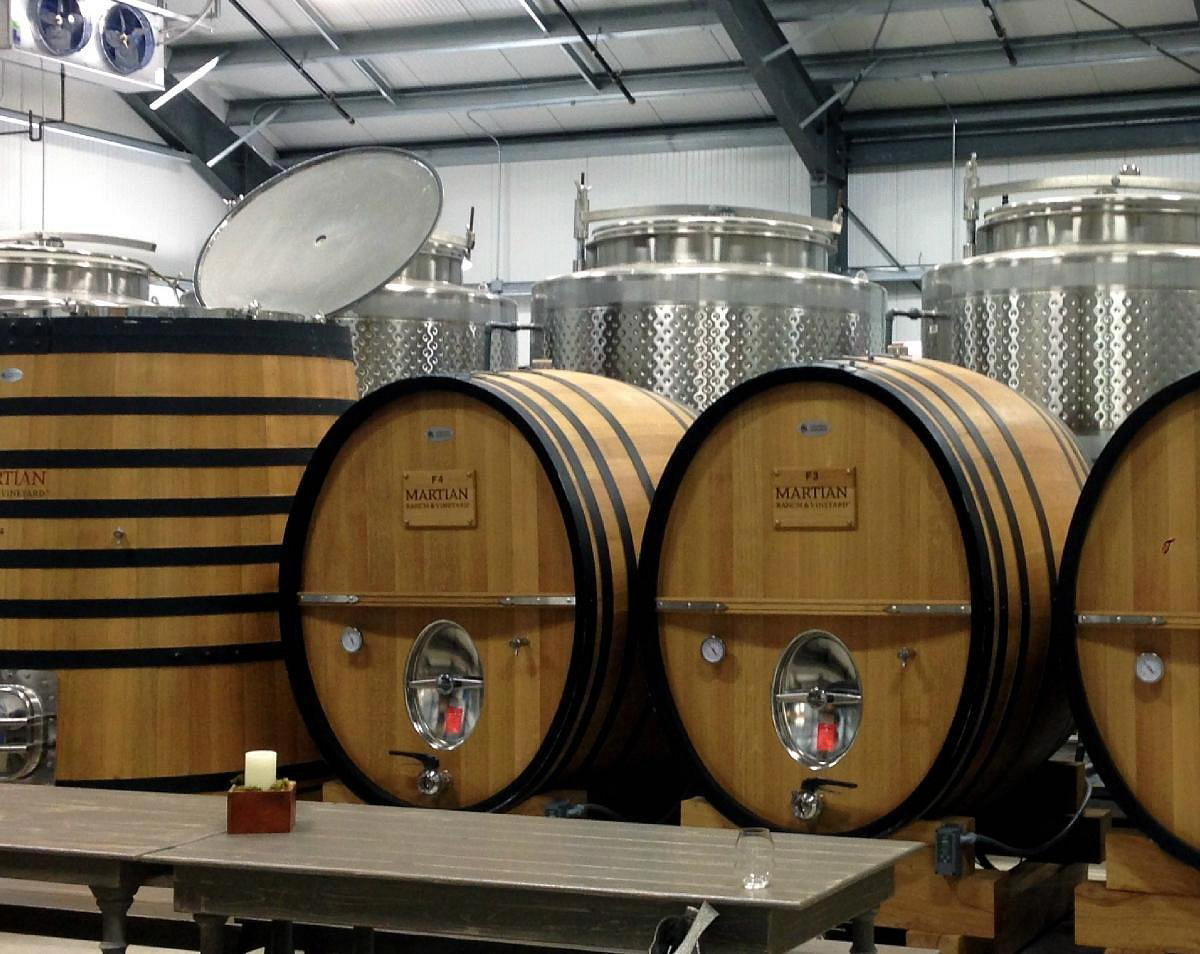
High Desert, Low Profile: Wine Country at the Edge of the Southwest
Los Alamos, New Mexico is not a name that surfaces in mainstream American wine conversation, and that absence is partly what makes it worth paying attention to. The region sits at elevations that push vine stress into productive territory, with dramatic diurnal temperature swings that preserve acidity in ways that flatter more temperate growing regions rarely achieve. Martian Ranch & Vineyard is a wine-tasting destination in Los Alamos, New Mexico.
The American Southwest has historically been read as cattle and chile country, not wine country. That framing has started to shift. New Mexico's viticulture history is older than California's, Spanish missionaries planted vines along the Rio Grande in the early seventeenth century, but modern recognition has been slow to follow. Properties like Martian Ranch sit within that long, uneven arc, operating in a region that has the climatic credentials but not yet the critical mass of attention that drives destination-wine tourism elsewhere.
What the Setting Tells You Before the First Pour
Ranch-and-vineyard combinations are a particular format in American wine country, distinct from the urban tasting room or the polished estate model that defines Napa's hospitality grammar. They foreground agricultural process: the land is the attraction, not just the backdrop. That approach has precedent in properties like Blue Hill at Stone Barns in Tarrytown or Single Thread Farm in Healdsburg, where the farm-to-table logic is literal rather than rhetorical. At Martian Ranch, the ranch component is not decorative. The name itself signals something about how the property frames its identity: arid, remote, a little otherworldly, the kind of place that reads as genuinely apart from the wine-tourism mainstream.
High-desert viticulture produces a different set of conditions than coastal California or the Pacific Northwest. Intense sun, thin soils, and cold nights compress growing seasons and concentrate flavors without the interventionist winemaking that sometimes substitutes for terroir elsewhere. Whether those conditions translate into a distinctive regional style is one of the more interesting open questions in American wine right now, and properties working in New Mexico are accumulating the vintage data needed to answer it.
Los Alamos in the Broader New Mexico Food and Wine Picture
Los Alamos as a destination is easier to understand in relation to what surrounds it. The town is known internationally for the national laboratory, but its food and wine scene has been building quietly alongside that identity. Full Of Life Flatbread has drawn attention to the area's capacity for serious, ingredient-driven cooking, and Bell's has added French-informed technique to the local conversation. Martian Ranch occupies a different register entirely, sitting outside town in agricultural territory that contrasts with the more urban dining experience those restaurants represent.
For context on how farm-and-vineyard properties fit into the broader American dining and drinking scene, the comparison points worth holding in mind are operations that have made the land itself central to the guest experience. The French Laundry in Napa and Frasca Food & Wine in Boulder represent the more formally structured end of that spectrum. Martian Ranch, by geography and scale, operates in a different tier, one where the draw is participatory and agricultural rather than service-intensive. That is not a lesser proposition; it is a different one, and for a certain kind of traveler it is the more compelling visit.
New Mexico's Wine Culture in American Context
The American wine scene has diversified significantly over the past two decades. Operations in Virginia, the Finger Lakes, Texas Hill Country, and the high-altitude zones of the Southwest have built credible regional identities that sit outside the California-Washington-Oregon axis. New Mexico fits into that broader picture as one of the country's most historically rooted but least commercially visible wine regions. The challenge for any producer working here is not viticultural, the conditions are genuinely interesting, but one of distribution, visibility, and the infrastructure that turns regional production into regional reputation.
Properties like Martian Ranch function partly as ambassadors for that regional case. The winery-with-ranch model creates a reason to visit that goes beyond the tasting room, extending the engagement from a thirty-minute pour to a half-day or full-day experience. That format has proven durable at properties across American wine country: Lazy Bear in San Francisco demonstrated years ago that the communal, experiential format builds a different kind of loyalty than transactional dining or tasting. The mechanism is different at a rural ranch property, but the underlying logic, invest the guest in place and process, is the same.
For travelers building a Southwest itinerary that includes serious food and drink, the regional map is worth plotting carefully. Addison in San Diego, Providence in Los Angeles, and The Wolf's Tailor in Denver represent the high-end urban anchor points in the broader region. Martian Ranch occupies a very different coordinate on that map, rural, agricultural, operating at a scale where the land-to-glass story is visible and tangible in a way that urban fine dining cannot replicate.
Planning a Visit
Prospective visitors should confirm current access and scheduling directly with the property before planning travel. Los Alamos sits in north-central New Mexico, accessible from Santa Fe, which carries its own strong food credentials and makes a logical base for a broader regional itinerary. The high-desert climate means that seasonal timing matters for a vineyard visit: late summer through early autumn, when harvest activity is underway, tends to offer the most direct engagement with the agricultural side of operations.
Cost Snapshot
Comparable venues nearby, for context on price, style, and recognition.
| Venue | Cuisine | Price | Awards | Notes |
|---|---|---|---|---|
| Martian Ranch & VineyardThis venue — the venue you are viewing | Los Alamos, Wine Tasting | , | , | |
| Jerry's Cafe | Downtown Gallup, New Mexican | $$ | , | |
| Gruet Winery & Tasting Room | North Valley, Sparkling Wine Tasting | $$ | , | |
| Buen Provecho | Downtown, Costa Rican | $$ | , | |
| Sophia's Place | $$ | , | Southwest Albuquerque, New Mexico-inspired Mexican | |
| The St. James Tearoom | North Valley, British Afternoon Tea | $$ | , |
Continue exploring
More in Los Alamos
Restaurants in Los Alamos
Browse all →
Bars in Los Alamos
Browse all →
Hotels in Los Alamos
Browse all →
At a Glance
- Wine Cellar
- Extensive Wine List
- Biodynamic
- Vineyard
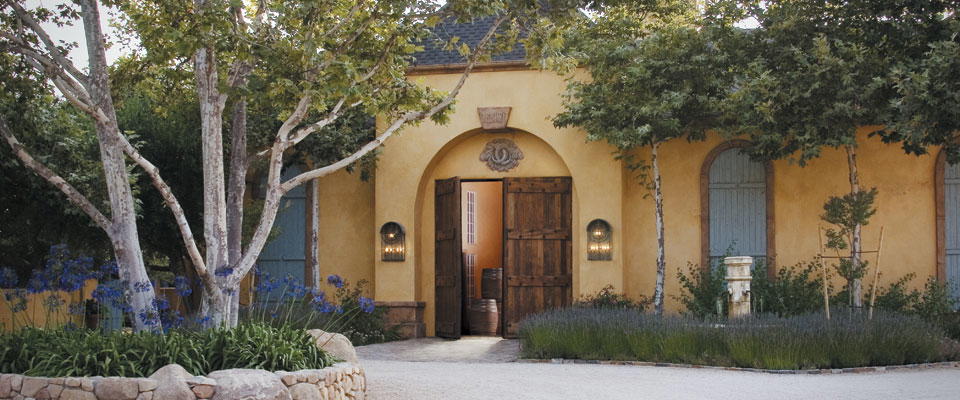
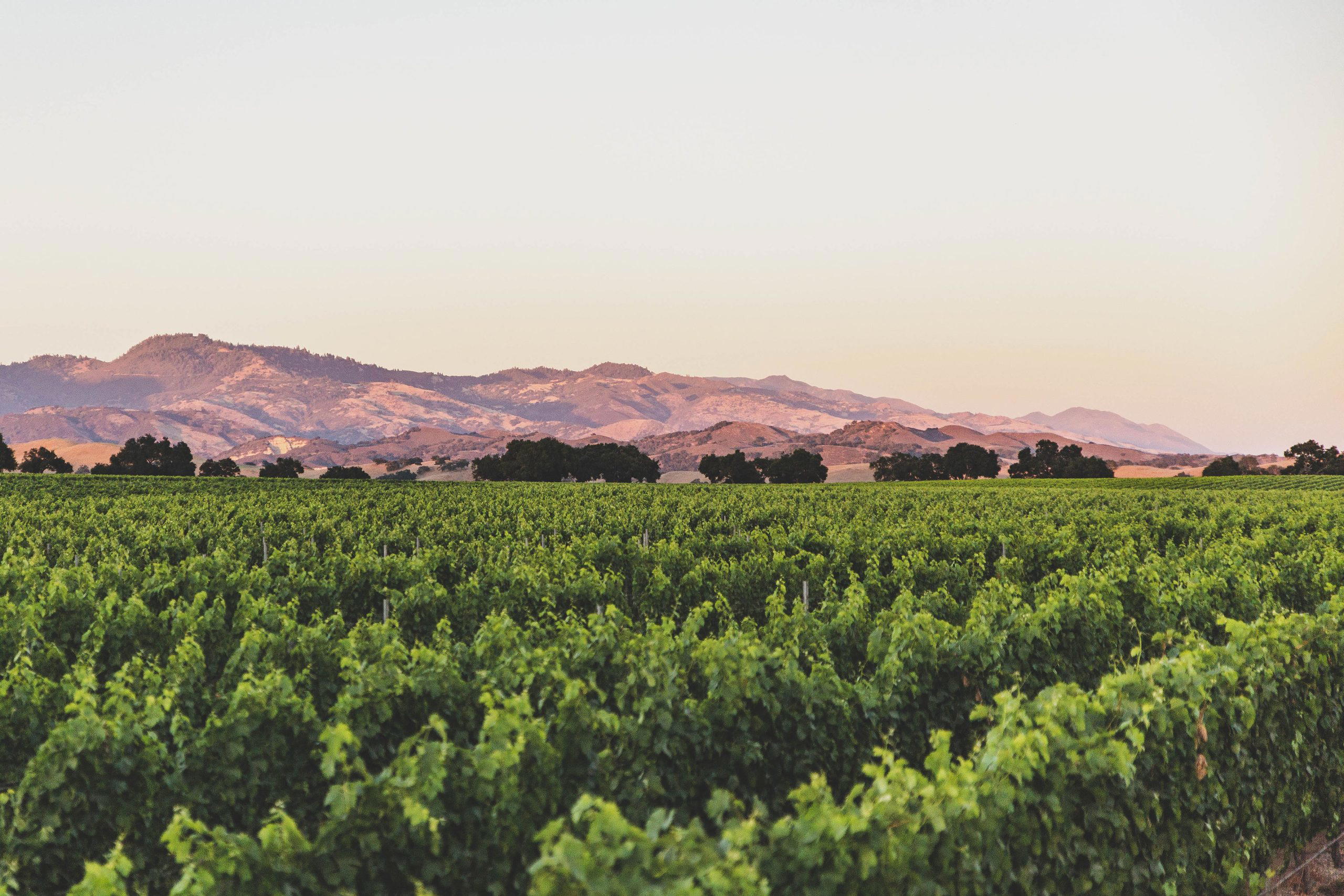
Scenic vineyard setting with a focus on wine tasting in a relaxed, natural environment.