Market Table
Market Table sits on Carmine Street in Greenwich Village, a block that has long attracted neighbourhood regulars over destination diners. The kitchen works a market-driven format rooted in seasonal American cooking, placing it in the mid-tier of a Village dining scene that runs from casual Italian to Michelin-recognised tasting menus. For visitors orienting themselves in lower Manhattan, it reads as a reliable neighbourhood anchor rather than a trophy reservation.
 Discover on Pearl
Pearl is the En Primeur Club membership app — saves, bookings, and concierge access live there. Same editors, same standards.
- Address
- 54 Carmine St, New York, NY 10014
- Phone
- +1 212 255 2100
- Website
- markettablenyc.com
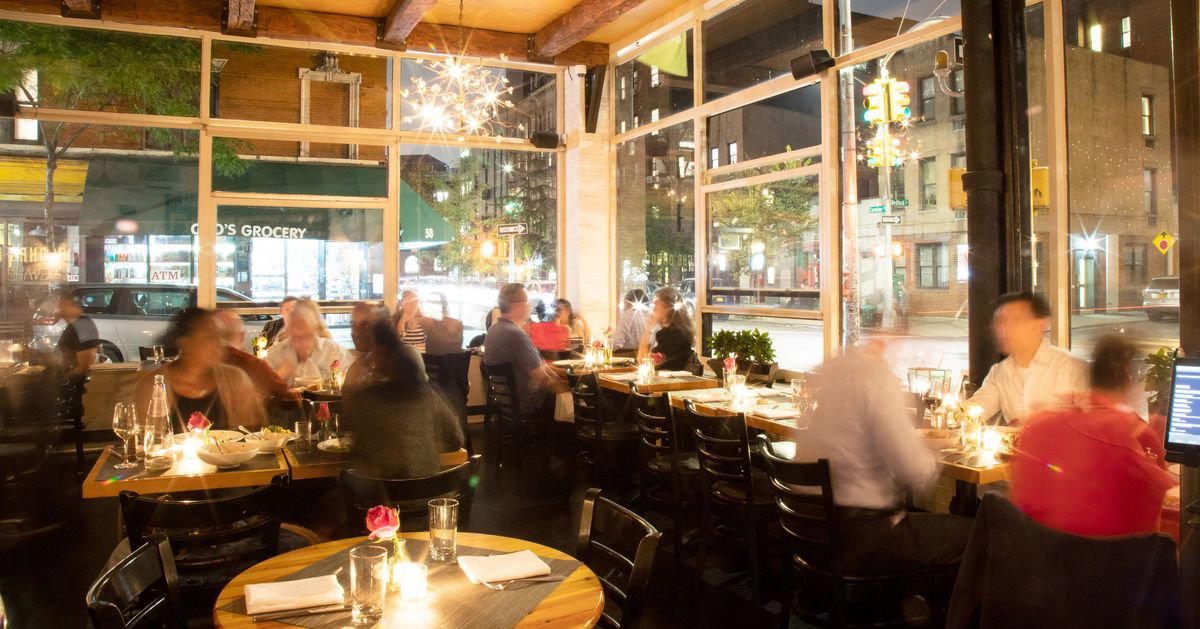
Carmine Street and the Grammar of Greenwich Village Dining
Greenwich Village has a dining grammar that resists trend cycles better than most Manhattan neighbourhoods. The blocks radiating south from Bleecker toward the West Village and Hudson Square carry a density of long-running restaurants that owe their survival to repeat locals rather than to social media discovery. Carmine Street sits inside that corridor, and Market Table at number 54 is part of that fabric, a spot where the logic of the room is neighbourhood first, occasion second.
That positioning matters in a city where the tasting-menu tier and the casual-dining tier have drifted further apart over the past decade. At the high end, counters like Masa and destination French houses like Le Bernardin and Per Se operate at price points that price them out of weekly rotation for most diners. At the other end, fast-casual formats have compressed margins and raised noise levels. The mid-register neighbourhood restaurant, where you can eat well without a months-long lead time or a tasting-menu commitment, has become harder to sustain in Manhattan. Market Table has occupied that register on Carmine Street, which is itself part of the editorial argument for why it persists.
The Arc of a Meal: Seasonal Logic from First Course to Last
Market-driven American cooking in New York follows a recognisable progression that is worth understanding before you sit down, because it shapes how a meal here reads course by course. The kitchen's sourcing logic, produce pulled from what is available and interesting in a given week rather than locked into a static menu, means the meal has a seasonal narrative built into it. Early autumn brings root vegetables and squash into the middle courses; late spring tilts toward alliums and tender greens in openers. That temporal specificity is the actual point of market-driven cooking, and it is what separates a kitchen genuinely working this format from one using the phrase as a branding posture.
In terms of sequencing, expect lighter, vegetable-forward openers to give way to protein-centred middle courses, with the kitchen using American and European technique interchangeably depending on what the ingredient calls for. This is a common architecture in the American bistro format, and it sits in the same tradition as places like Smyth in Chicago or Lazy Bear in San Francisco, both of which work seasonal progressions at a higher price point with a more formalised tasting structure. Market Table operates at the approachable end of that spectrum, a la carte rather than a locked progression, which gives the table more control over the arc but requires the diner to make the sequencing decisions themselves.
That flexibility is one of the format's strengths. You can eat a light two-course dinner without committing to a full tasting sequence, or you can build four courses and let the kitchen's seasonal logic carry the meal. The approach contrasts with the more prescribed format you find at Eleven Madison Park or Atomix, where the kitchen controls the progression entirely. Neither model is superior, they serve different purposes and different kinds of evenings.
How Carmine Street Fits Into Lower Manhattan's Dining Map
Understanding where Market Table sits geographically helps set expectations. Carmine Street runs between Bleecker and the Avenue of the Americas, placing it inside the West Village–Greenwich Village overlap zone. The immediate blocks carry a concentration of Italian-American red-sauce institutions, newer natural wine bars, and a handful of spots that have held neighbourhood loyalty for fifteen or more years. It is a walkable dinner-before-or-after geography: the Village Vanguard is minutes away, as is the strip along Hudson Street that feeds into the West Village's stronger cocktail and wine-bar circuit.
For visitors using New York as a longer culinary itinerary, Market Table functions as a reset meal between higher-intensity reservations. If your week includes a counter at Masa or a formal progression at Per Se, the Village's mid-register restaurants carry a different but complementary value: the room is quieter, the pacing is yours, and the evening doesn't need to mean anything beyond a good meal. That is not a diminishment, it is a different function, and a city's dining culture needs both registers to be healthy.
The American Farm-to-Table Lineage
The market-driven format Market Table works within has a longer American pedigree worth situating. The movement that made seasonal sourcing a structural kitchen principle rather than a marketing afterthought has its anchor institutions outside New York: The French Laundry in Napa formalised it inside haute cuisine; Blue Hill at Stone Barns in Tarrytown, just north of the city, pushed it into a farm-ownership model that made the supply chain inseparable from the dining experience. Single Thread Farm in Healdsburg extended the format into a multi-day hospitality experience tied to a working farm.
At the neighbourhood restaurant level, the same sourcing ethic shows up in a more accessible, less ceremonial form. The logic is that what grows or is raised well, bought at the right moment in its season, needs less technical intervention than an ingredient pulled from a year-round industrial supply chain. Kitchens working this format in an a la carte environment, as opposed to the controlled-variable world of a tasting menu, are making sourcing decisions daily, which carries both a discipline and a risk: the menu shifts, not every substitution lands equally, and the diner willing to order what arrived that morning rather than what they had last time will typically eat better. Comparable regional anchors include Frasca Food and Wine in Boulder and Providence in Los Angeles, both of which operate market-responsive menus at different price points and with distinct regional identities.
Planning Your Visit
Market Table is at 54 Carmine Street in Greenwich Village. Reservations are recommended.
Comparable Venues
Comparable venues nearby, for context on price, style, and recognition.
| Venue | Cuisine | Price | Notes |
|---|---|---|---|
| Market TableThis venue — the venue you are viewing | Seasonal Farm-to-Table American | $$$ | |
| Left Bank | New York Bistro with European Influences | $$$ | West Village |
| P.J. Clarke's On The Hudson | Classic American with Seafood & Raw Bar | $$$ | Financial District-Battery Park City |
| Tillage | Refined American | $$$ | Midtown South-Flatiron-Union Square |
| The Parlour Room | Modern American Grill with Raw Bar | $$$ | Midtown-Times Square |
| Harta | New American Brasserie with Mediterranean Influences | $$$ | Midtown-Times Square |
Continue exploring
More in New York City
Restaurants in New York City
Browse all →
Bars in New York City
Browse all →
Hotels in New York City
Browse all →



At a Glance
- Cozy
- Intimate
- Rustic
- Date Night
- Brunch
- Special Occasion
- Open Kitchen
- Extensive Wine List
- Farm To Table
- Local Sourcing
- Street Scene
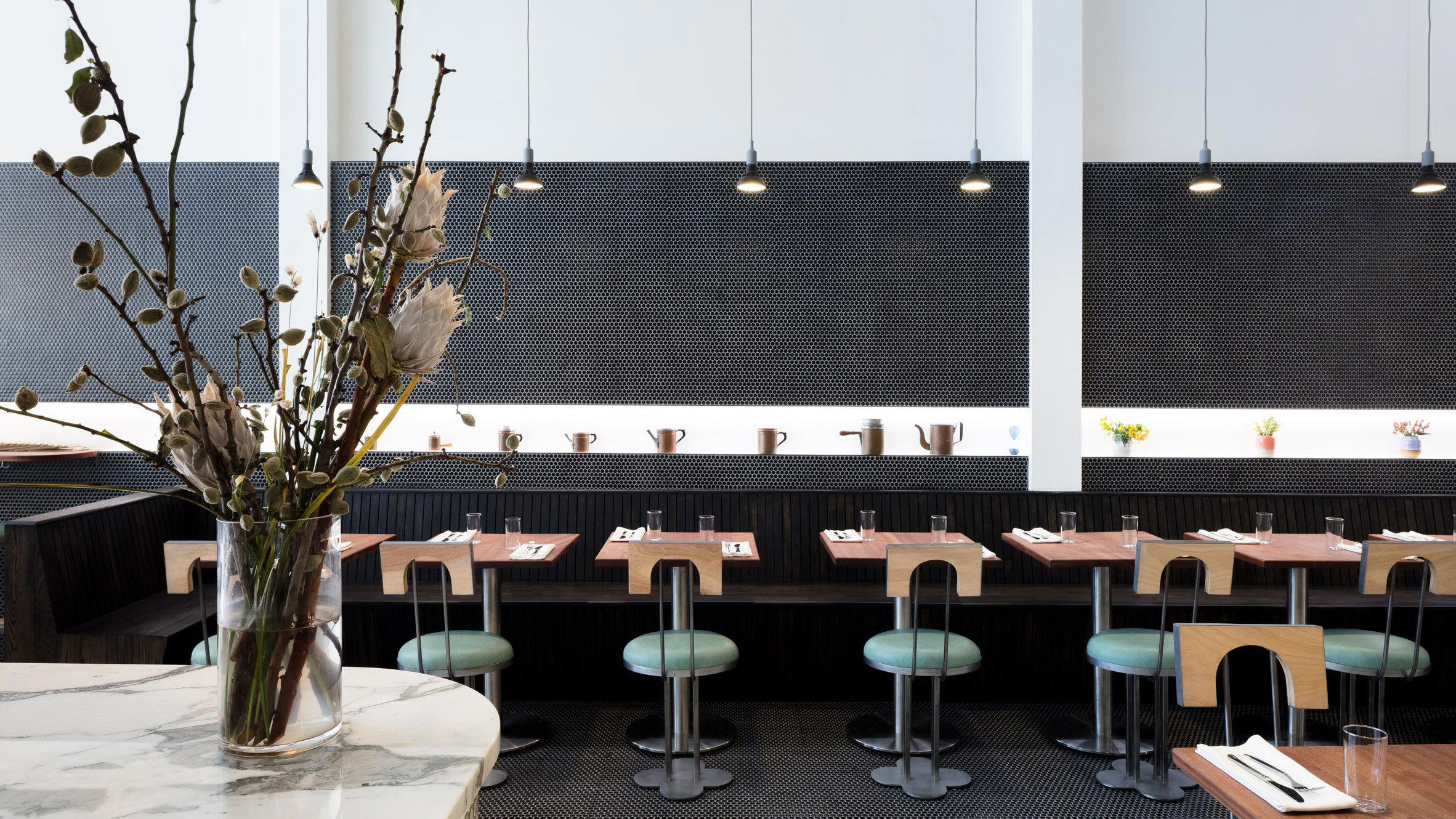
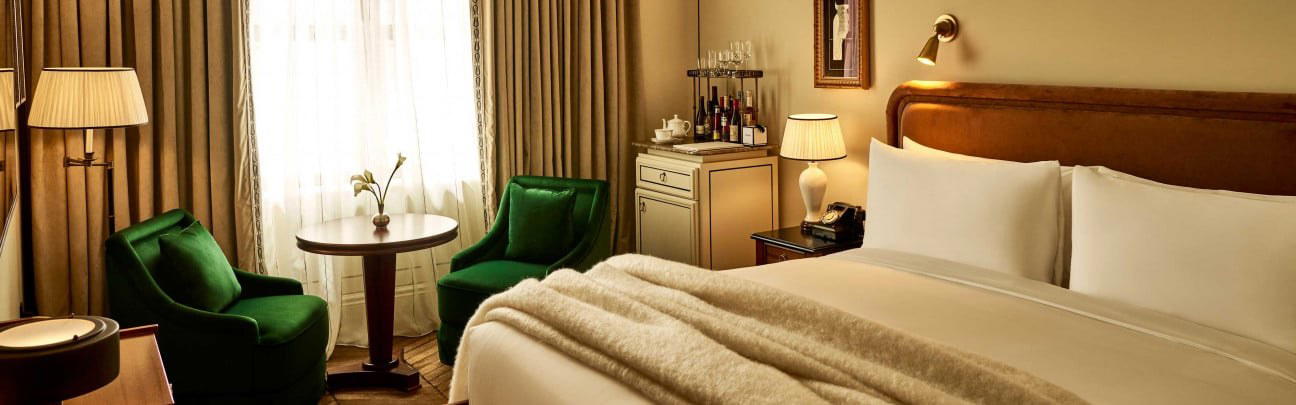
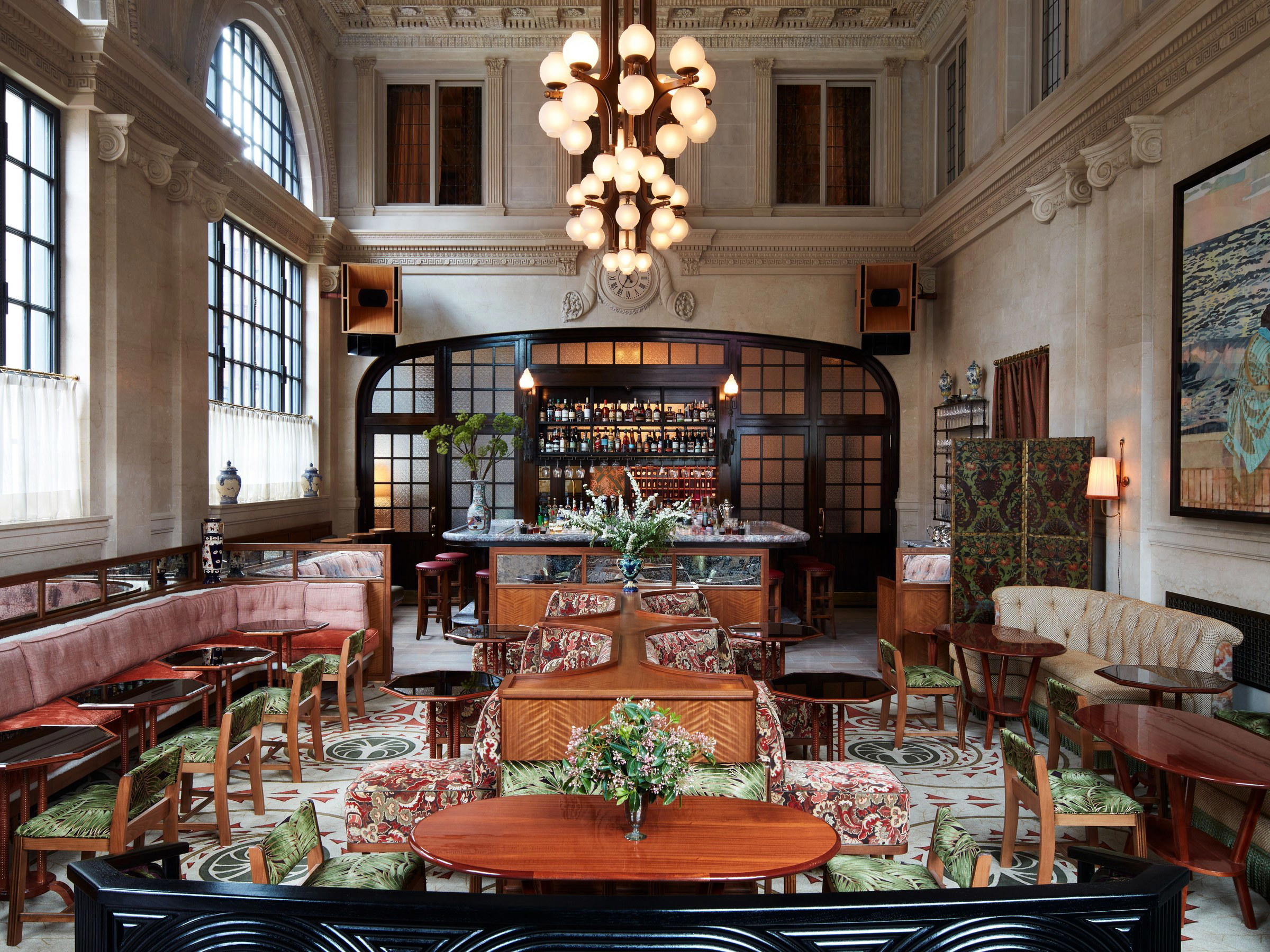
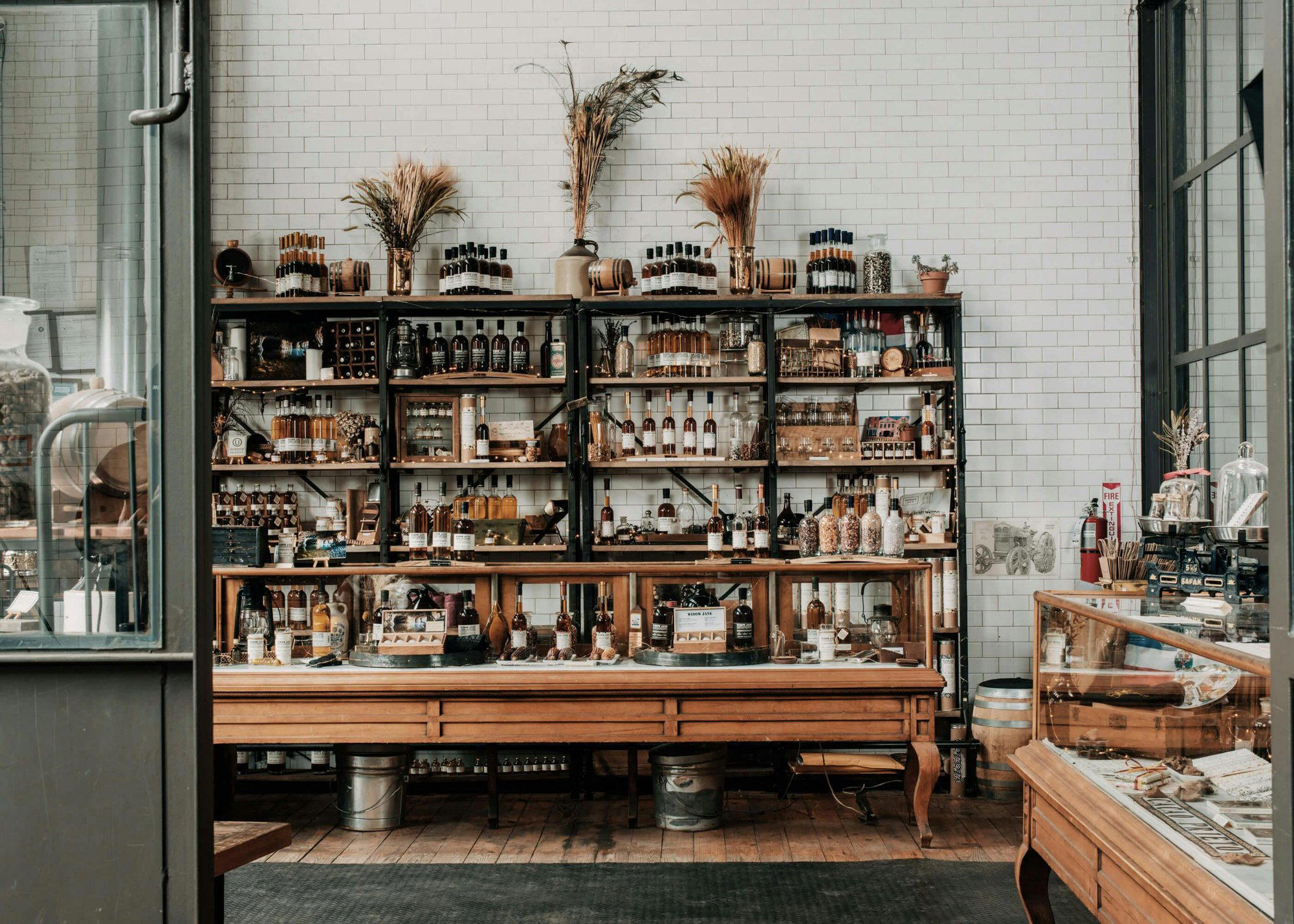
Airy dining room with floor-to-ceiling windows, exposed brick walls, and warm lighting creating a cozy, unpretentious neighborhood atmosphere.