Stark

1 Michelin Star
Our verdict
Stark on Mersea Island operates a four-evening-a-week service, with chef Ben Crittenden working alone in the kitchen across a six-course menu that draws on the island's coastal produce. A family-run operation rated 4.4 on Google, it holds Michelin recognition for precise, ingredient-led Modern British cooking. Check The Strood tide times before you travel, the causeway floods at high water.

Pearl is the En Primeur Club membership app, where members save venues, book tables and use the concierge.
The menu
What to order
- Duck_liver_parfait
- Iberico_pork
- Shh'annu_lamb
Where the Tide Sets the Table
The road to Mersea Island is conditional. The Strood, the causeway connecting the island to the Essex mainland, floods at high tide, and first-time visitors who ignore this detail have been known to turn back. This is not incidental local colour, it is the clearest possible signal about what kind of dining experience awaits. Stark, a six-course Modern British restaurant operating Wednesday through Saturday evenings on East Road in Colchester's CO5 postcode, sits at the far end of that tidal road, and the journey is inseparable from what the kitchen is doing. Check the tide timetable before you book transport, not after.
The physical approach, across a flat Essex causeway with salt marsh on both sides, places you firmly in the geography that defines the cooking. This is the same coastal zone that produces the oysters Mersea Island is nationally recognised for, and the kind of terrain that has historically supplied restaurants in Colchester and beyond with fish, shellfish, and lamb from grazing marshland. Arriving at Stark, the intimacy of the setting becomes apparent quickly: this is not a destination restaurant that announces itself architecturally. The draw is entirely in what happens at the table.
The Gastropub Template, Pushed Further
Broader story of British dining over the past two decades is one of geographic dispersal. The assumption that serious food requires a city address has been systematically dismantled by a generation of chefs who chose villages, market towns, and coastal locations as their base. Hand and Flowers in Marlow was an early proof of concept in this direction, a pub format carrying Michelin-level ambition. L'Enclume in Cartmel demonstrated that a small Lake District village could anchor a dining destination of international standing. Moor Hall in Aughton extended that logic to Lancashire. What these operations share is a willingness to let geography do editorial work, the location becomes an argument for the sourcing, and the sourcing becomes the menu's foundation.
Stark operates within this tradition but at a different scale. Where the above venues have grown into multi-room, multi-service operations with substantial kitchen teams, Stark keeps its structure deliberately minimal. Chef Ben Crittenden works alone in the kitchen. The family-run character of the operation is not a marketing description, it is the literal staffing model. This positions Stark within a smaller subcategory of British fine dining: the single-operator format, where the menu is constrained by what one cook can execute to a high standard in a single service. Hide and Fox in Saltwood offers a comparable example of small-team coastal fine dining in the South East, and the two share a commitment to letting ingredient quality carry the bulk of the work.
The move from Broadstairs to Mersea Island, a relocation that shifted the restaurant from a Kent coastal town to an Essex island, did not dilute this model. Michelin recognition has followed the operation across geographies, which is itself a statement about the consistency of the kitchen's approach rather than its postcode. The Michelin note specifically references the retention of intimacy, passion, and precision through that transition.
A Six-Course Argument for Produce
The menu at Stark is structured as six courses, and the Michelin record describes it as an ode to top-notch produce, a phrase that does actual critical work here, because the implication is that the cooking's primary role is amplification rather than transformation. This is a meaningful distinction in Modern British cooking, where the two dominant tendencies have been the highly technical (sauces, ferments, elaborate preparations that place the chef's technique at the centre) and the produce-forward (shorter cooking times, fewer components, sourcing as the main credential). Stark sits firmly in the second category.
Ingredients cited in the Michelin record include shh'annu lamb and prime-quality cod, both of which connect to the coastal and agricultural geography of the Essex and Kent coast. Shh'annu lamb, raised on salt marsh, carries a mineral quality from the coastal grazing that distinguishes it from inland equivalents, it is a specific rather than generic ingredient, and the kitchen's use of it signals a sourcing network that extends beyond commodity supply chains. Cod of prime quality, in the context of a kitchen this size, implies a relationship with a supplier rather than a wholesale order.
Wine pairings are available and, on Michelin's evidence, worth taking. The note describes them as well-constructed, which in practice means someone has done the work of matching each course rather than assembling a list that covers the menu in broad strokes. For a six-course format where flavours shift materially between courses, a considered pairing sequence is often the more instructive way to move through the meal. For the exploration on offer here, Midsummer House in Cambridge offers a useful point of comparison for how wine pairings function in tasting-menu formats at this price tier across the East of England.
Where Stark Sits in the Wider British Scene
The geography of Michelin-recognised Modern British cooking is heavily weighted toward London. CORE by Clare Smyth and The Ledbury anchor the capital's end of the spectrum at the ££££ tier, with teams, procurement budgets, and dining room scales that bear little structural resemblance to Stark. The Ritz Restaurant represents a further variant, grand-hotel dining with its own codes. Le Manoir aux Quat' Saisons in Great Milton and Gidleigh Park in Chagford sit in the country-house tier, with accommodation folded into the proposition.
Stark competes on none of these terms. At the £££ tier, it prices below the London flagships by a meaningful margin. For readers who have visited The Fat Duck in Bray or Restaurant Andrew Fairlie in Auchterarder and want a contrasting register, less theatrical apparatus, more direct relationship between place and plate, Stark represents a coherent alternative argument about what fine dining should be. Opheem in Birmingham offers a reminder that Michelin-level ambition takes many forms across British cities and regions, but the Essex coastal version has its own distinct logic.
Planning the Visit
Stark opens Wednesday through Saturday, evenings only, from 6 PM to 11 PM; Monday, Tuesday, and Sunday are closed. The four-evening operating window, combined with a solo kitchen operation, means table availability is limited by structure rather than demand. Booking ahead is the practical assumption. The address is East Road, Colchester CO5 8TQ, the CO5 postcode placing it on the island rather than in Colchester town itself, which matters for navigation. The single non-negotiable planning step is checking The Strood tide timetable: the causeway floods at high water, and the timing of your arrival and departure needs to account for this. Essex tide tables are publicly available and specific to the day; build in margin on both ends of the evening.
For visitors extending the trip, Mersea Island itself warrants more than a single evening. The oyster trade, the salt-marsh landscape, and the broader Essex coast offer context for what the kitchen is drawing on. Our full East Mersea restaurants guide covers the wider dining options on the island, and our guides to East Mersea hotels, bars, wineries, and experiences map the island for those building a longer itinerary.
Frequently asked questions
Can I bring kids to Stark?
Stark operates as an evening-only restaurant, Wednesday through Saturday from 6 PM to 11 PM, running a six-course tasting menu at the £££ price point. That format, combined with the intimate scale of a family-run kitchen where Ben Crittenden cooks alone, makes it poorly suited to young children. Add in the logistical consideration of The Strood causeway flooding at high tide, and this is a visit that rewards adult planning over spontaneous family outings.
What is the atmosphere like at Stark?
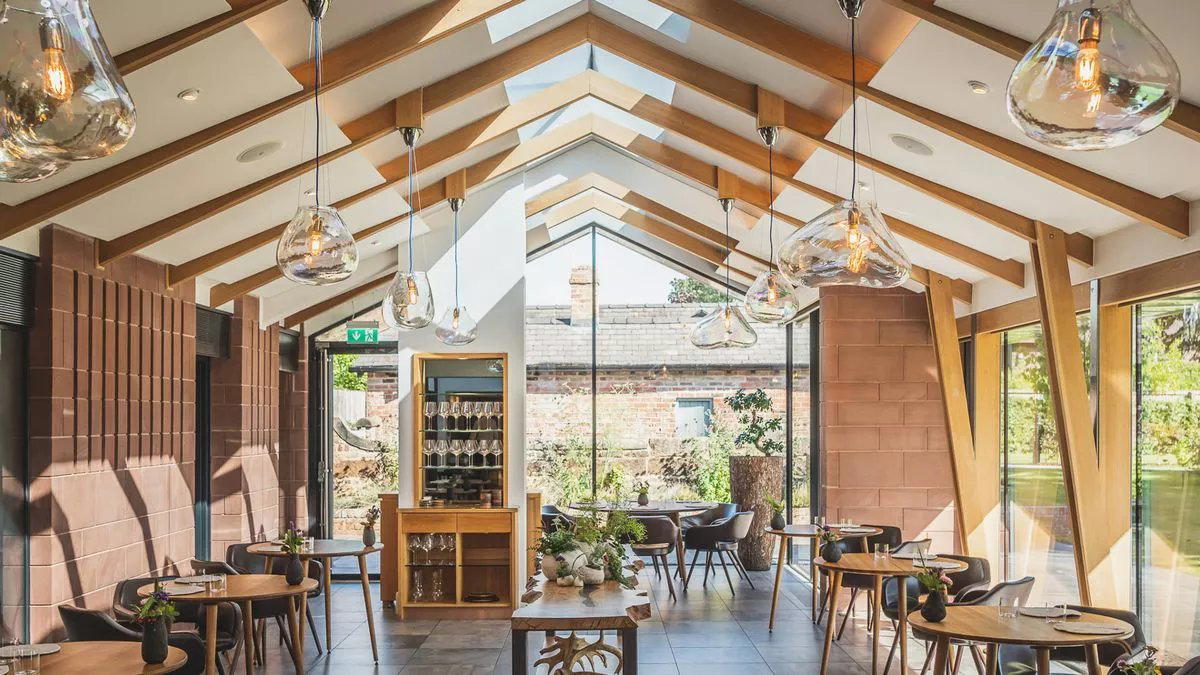
Stark is a family-run operation on a tidal island in Essex, and the room reflects that: intimate, unhurried, and removed from the ambient noise of city dining. Michelin's own language for it is 'intimacy, passion and enthusiasm', which in practice means this is a counter-style experience centred on the food rather than the spectacle. Expect a pace dictated by the six-course menu rather than a busy floor.
Does Stark have a Michelin star or similar recognition?
Stark has received recognition including: Having relocated from Broadstairs to Mersea Island, the family-run Stark has retained all of its intimacy, passion and enthusiasm. Chef Ben Crittenden works alone in the kitchen crafting a 6 course menu which acts as an ode to top-notch pro….
What's the must-try dish at Stark?
Michelin specifically flags the shh'annu lamb and prime-quality cod as the kitchen's anchor ingredients, both treated as produce-forward arguments rather than vehicles for technique. Ben Crittenden works alone in the kitchen, so every plate on the six-course menu is his decision; the wine pairings are noted as well-constructed and worth taking if you want a single recommendation that removes the guesswork.
Comparable Spots, Quickly
| Venue | Cuisine | Price | Awards | Notes |
|---|---|---|---|---|
| StarkThis venue (the venue you are viewing) | Modern British Fine Dining | $100–150 | 1 Michelin Star | Not listed |
| The Ledbury | Modern British Fine Dining | $300–500 | 3 Michelin Stars · World's 50 Best #42 | Modern European, Modern Cuisine |
| Sketch, The Lecture Room and Library | Modern French Fine Dining | $200–300 | 3 Michelin Stars · World's 50 Best #18 | Modern French |
| CORE by Clare Smyth | Modern British Fine Dining | $150–200 | 3 Michelin Stars · World's 50 Best #97 | Modern British |
| Restaurant Gordon Ramsay | French Fine Dining | $200–300 | 3 Michelin Stars · World's 50 Best #13 | Contemporary European, French |
| Dinner by Heston Blumenthal | Modern British, Traditional British | Not listed | Michelin 2 Star | Not listed |
Recognition history
Dated appearances from independent guides and award organizations, with the underlying list record or original source where available.
Michelin 1 Star
Michelin
Full recognition history (3 entries)
Michelin 1 Star
Michelin
Michelin 1 Star
Michelin
Continue exploring
More in East Mersea
Restaurants in East Mersea
All restaurants in East Mersea →
Bars in East Mersea
Browse all →
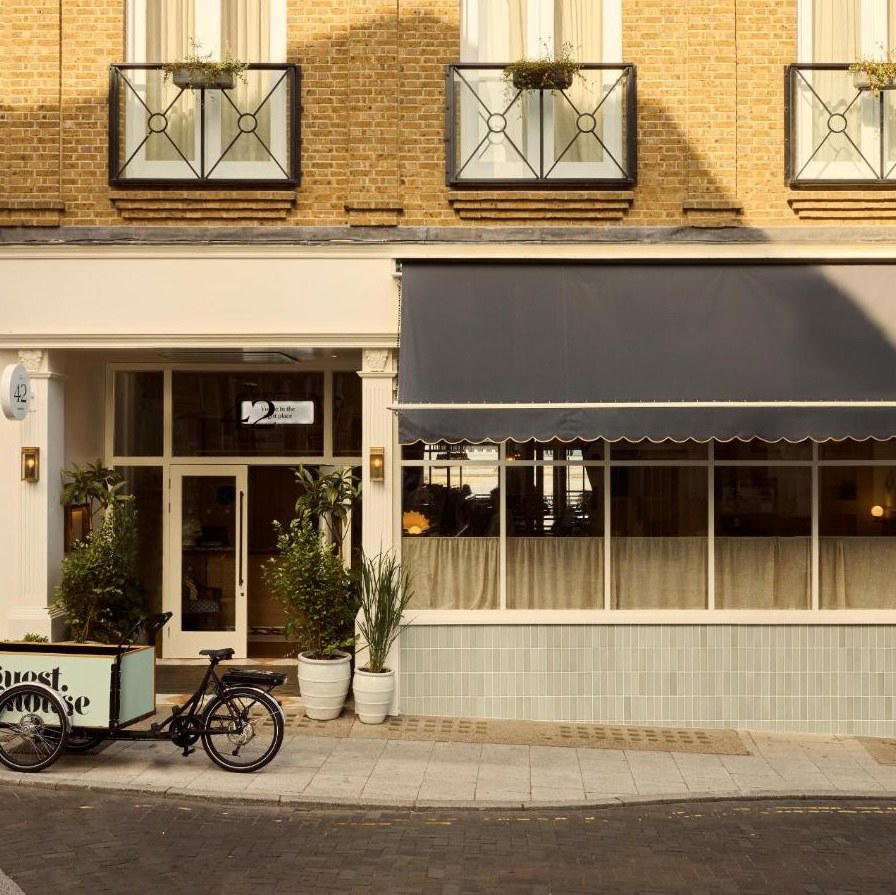
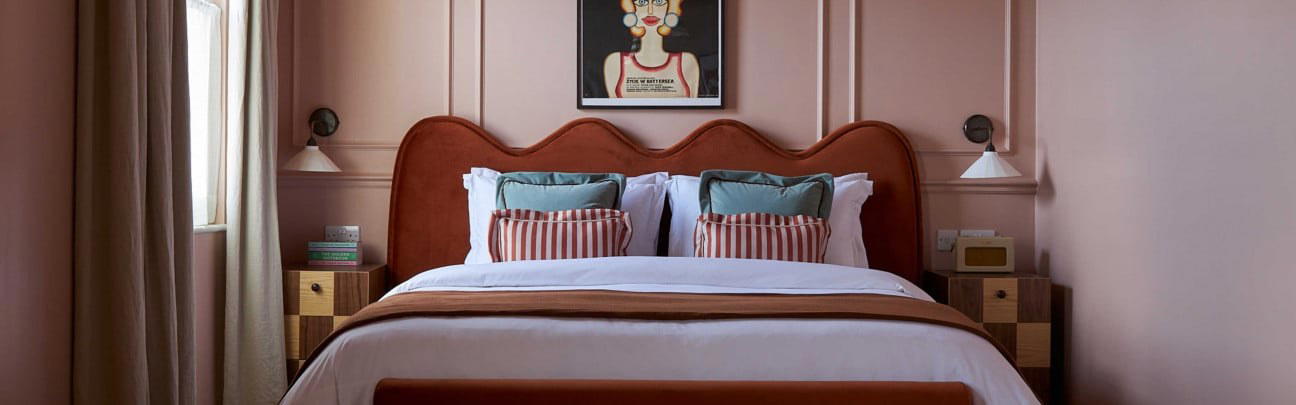
Hotels in East Mersea
Browse all →

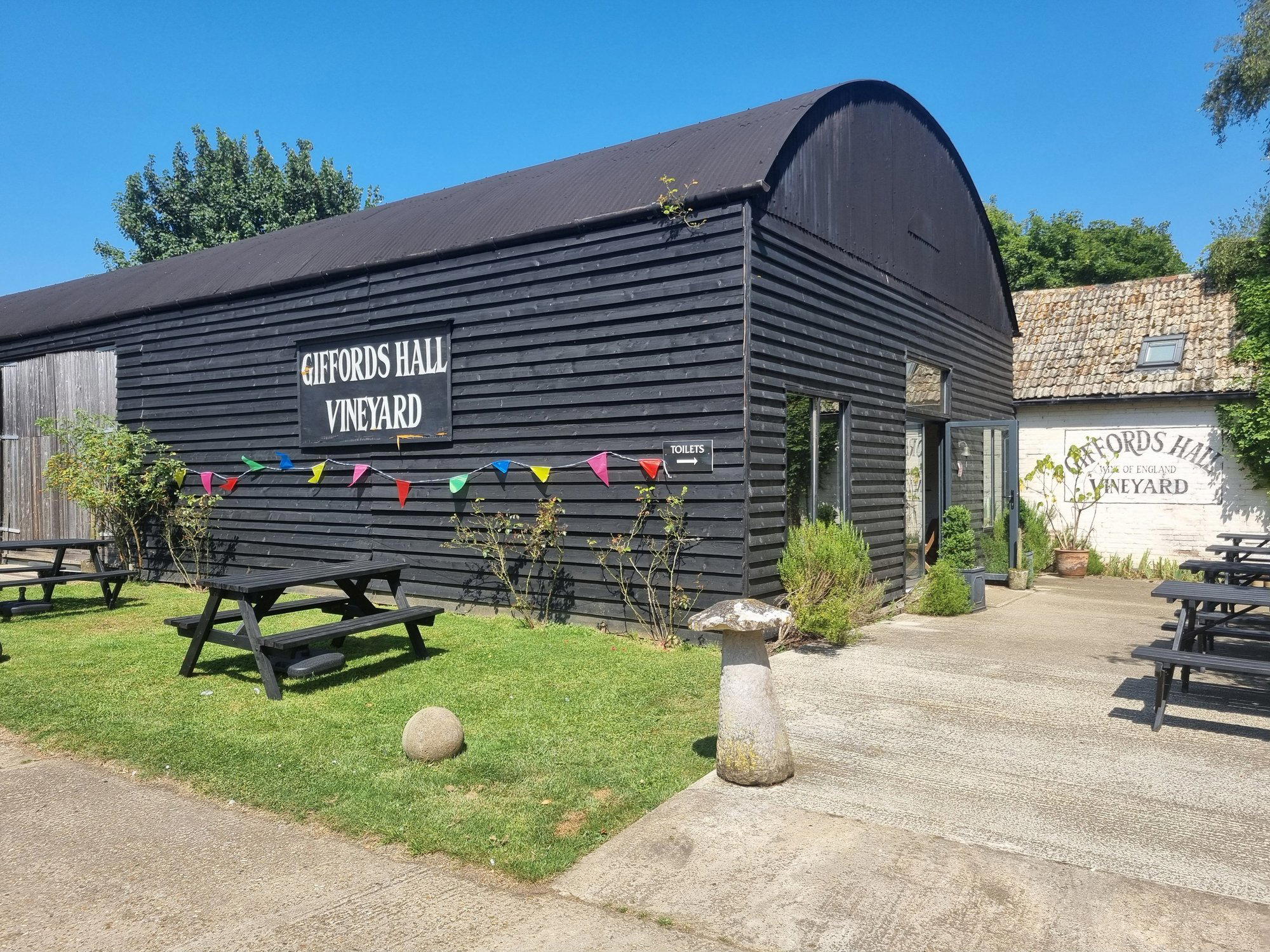
Wineries in East Mersea
Browse all →
Details
- Intimate
- Cozy
- Modern
- Date Night
- Special Occasion
- Open Kitchen
- Tasting Menu
Current opening hours
- Monday
- Closed
- Tuesday
- Closed
- Wednesday
- 6–11 PM
- Thursday
- 6–11 PM
- Friday
- 6–11 PM
- Saturday
- 6–11 PM
- Sunday
- Closed
Hours can change for holidays and private events. Hours as of .
Cocooning dark-painted walls with bold steampunk art, relaxed and laid-back atmosphere with friendly service.