Mariposa
Mariposa occupies a prominent address at 500 S Tryon St in uptown Charlotte, positioning it within the city's most concentrated block of ambitious dining. The restaurant enters a Charlotte fine-dining conversation shaped by sourcing ethics and culinary precision, where the question of environmental accountability now sits alongside technique as a marker of seriousness.
Pearl is the En Primeur Club membership app — saves, bookings, and concierge access live there. Same editors, same standards.
- Address
- 500 S Tryon St, Charlotte, NC 28202
- Phone
- +17049100865
- Website
- mariposaclt.com
- Directions
- Get directions
 Saves & bookings on Pearl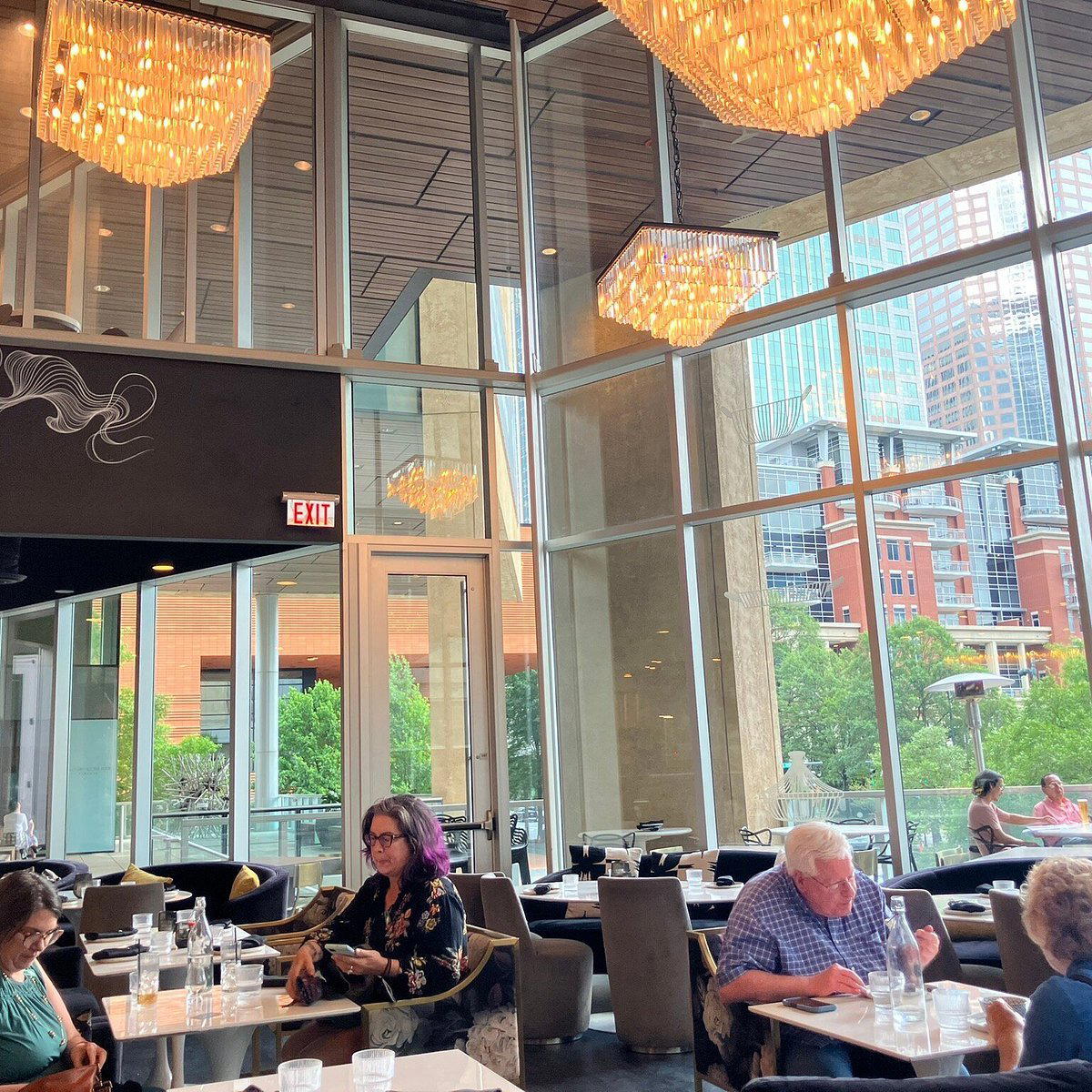
Uptown Charlotte's Fine-Dining Tier and Where Mariposa Sits
Charlotte's uptown dining corridor has undergone a quiet but measurable shift over the past decade. The city's most scrutinized addresses have moved away from the steakhouse-and-brasserie formula that defined the South Tryon corridor for years, toward a more considered style of cooking that treats sourcing decisions as seriously as plating. Mariposa is a restaurant at 500 S Tryon St in uptown Charlotte, known for Global Fusion Small Plates.
The broader Charlotte scene places venues like this in direct conversation with a wave of New American and Southern-influenced kitchens that have shaped what the city expects from a high-end table. Peer references within the city include Counter-, which applies New American technique within a tasting format, and Angeline's, which threads Southern identity through a more ingredient-driven lens. Mariposa enters that conversation at a moment when the bar for sourcing transparency has risen across the category.
Sustainability as a Structural Choice, Not a Marketing Position
Across American fine dining, the shift toward environmental accountability has split into two distinct postures. The first is cosmetic: a few lines on the menu about local farms, a seasonal vegetable added to an otherwise unchanged protein-forward format. The second is structural: sourcing frameworks that constrain the menu rather than decorate it, waste-reduction protocols embedded in prep, and relationships with producers that predate and outlast any given season. The restaurants that have built reputations around the latter approach tend to hold those reputations longer.
Venues like Blue Hill at Stone Barns in Tarrytown and Single Thread Farm in Healdsburg have set a national reference point for what it looks like when a kitchen organizes itself around the farm rather than around the menu. At that level, the sourcing relationship generates the creative brief. Charlotte's dining scene has not historically been associated with that model, but the region's agricultural output, particularly from the Piedmont, gives kitchens access to a supply chain that can support serious sourcing programs.
Mariposa's address in uptown Charlotte places it in a context where sustainability-led cooking has to compete with format-driven convenience dining at nearly every price point. That tension is worth naming. Ethical sourcing adds cost and operational complexity, and in a city where the expense-account crowd still drives significant covers on South Tryon, a kitchen that commits to that framework is making a choice with real trade-offs. The venues nationally that have made that choice most legibly tend to communicate it through format discipline and menu specificity rather than through language alone.
The Charlotte Context: What the Scene Demands Now
Charlotte's fine-dining tier has historically been smaller relative to the city's size than comparable metros. Nashville, Atlanta, and Raleigh-Durham have each developed identifiable restaurant cultures with national press attention; Charlotte has moved more slowly, partly because its growth has been finance-sector-driven, which creates demand for reliable expensive dining rather than experimental formats. That is changing. The city's population growth has brought diners who have eaten in more developed restaurant scenes and now expect a similar standard locally.
The venues that have grown most quickly in critical standing here, including 204 North Kitchen & Cocktails and Aura Rooftop, have done so by combining a strong sense of place with execution that holds up against national comparisons. The national fine-dining tier sets a benchmark that Charlotte kitchens are increasingly measured against, if not always by critics then by the diners themselves.
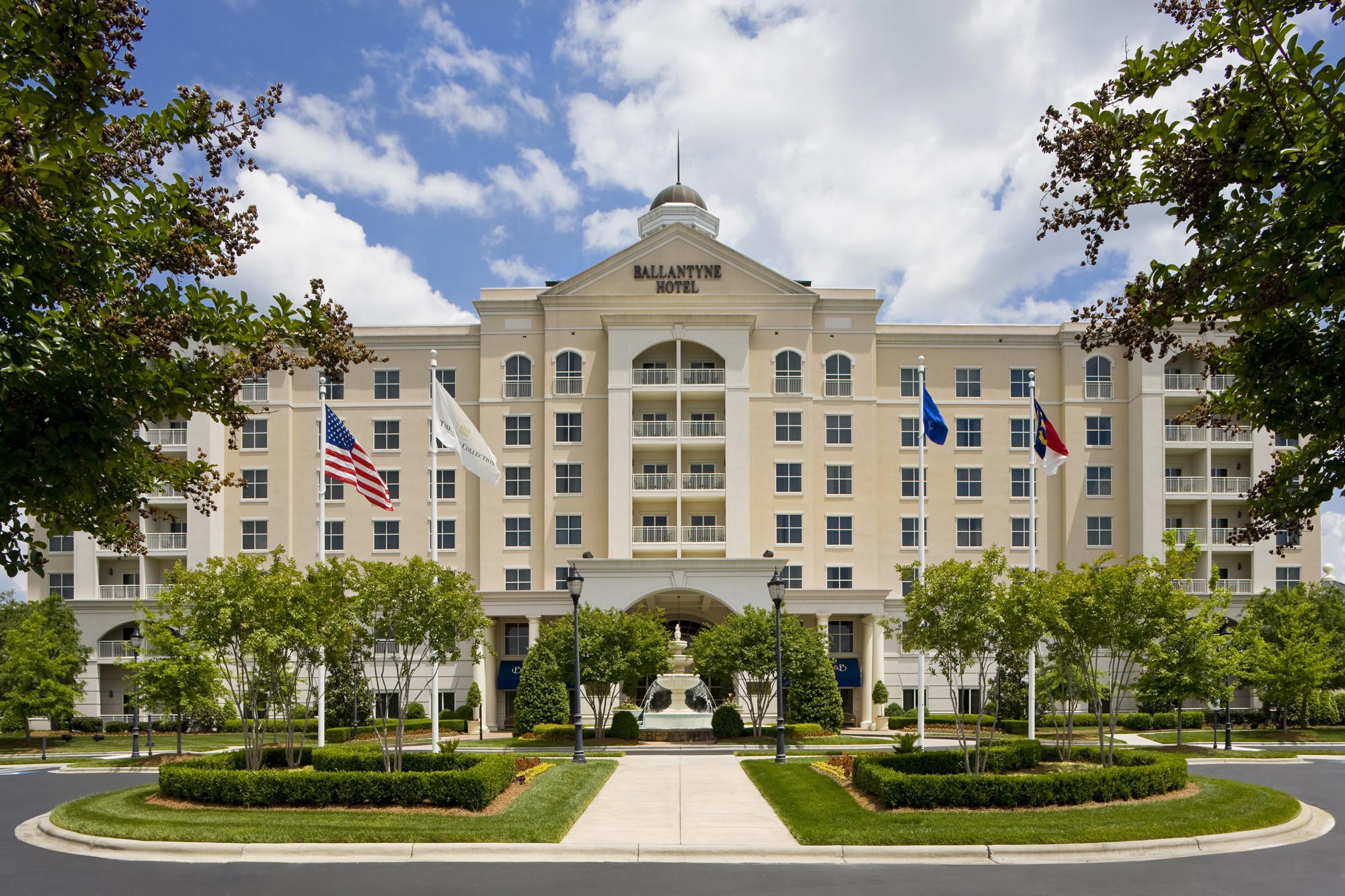
Within that context, a restaurant at a high-visibility uptown address carries particular pressure. Venues in this corridor, which also includes 1897 Market and Afternoon Tea at Ballantyne further south, operate with a level of foot traffic and transient dining that tends to dilute the identity of ambition-led kitchens unless the format is defended deliberately. The venues nationally that have navigated that pressure most effectively, among them The Inn at Little Washington and Emeril's in New Orleans, did so by defining the experience clearly enough that the room self-selects.
Format, Sourcing, and the Reader's Decision
For a diner choosing between Charlotte's fine-dining options, the distinction between a restaurant that talks about sustainability and one that builds its menu around it becomes a practical question as much as a philosophical one. When sourcing is structural, the menu is shorter, it changes more often, and some proteins or preparations may not be available on a given night. That is a feature, not a limitation, for the diner who understands it. Venues like Atomix in New York City have demonstrated that a highly constrained, sourcing-led format can generate sustained demand precisely because the constraints create specificity.
For context within Charlotte's own neighborhood spread, nearby restaurants represent adjacent positions in the competitive set with Southern and contemporary American formats respectively. Mariposa at 500 S Tryon sits in a part of uptown where the dining decision is often made quickly, but the case for a more considered approach to sourcing and environmental accountability is increasingly being made at this price tier across American cities. The kitchens that make it most convincingly tend to be the ones that commit to it structurally and let the menu be the evidence. Whether Mariposa does that in practice is the question a visit is designed to answer.
Planning Your Visit
Mariposa is located at 500 S Tryon St in uptown Charlotte, within walking distance of the city's main hotel corridor and easily accessible by light rail from other parts of the city. Uptown Charlotte's fine-dining tier generally books several weeks ahead on weekends; venues in this category at high-visibility addresses tend to see peak demand on Thursday through Saturday evenings, with more availability on weeknights for diners with flexibility. Arriving without a reservation on a weekend is a reliable way to end up at a nearby casual alternative rather than seated where you intended. Visitors combining Mariposa with broader Charlotte dining would find Ever Andalo a useful contrast at a lower price point nearby.
Where It Fits
Comparable venues nearby, for context on price, style, and recognition.
| Venue | Cuisine | Price | Notes |
|---|---|---|---|
| MariposaThis venue — the venue you are viewing | Global Fusion Small Plates | $$$ | Not listed |
| Reid's Fine Foods | American Gourmet Deli & Market | $$$ | SouthPark |
| Via Roma | Classic Italian with Roman and Tuscan Influences | $$$ | Waverly |
| Dean's Italian Steakhouse | Italian Steakhouse | $$$$ | Second Ward |
| Chima Steakhouse | Authentic Brazilian Rodizio Steakhouse | $$$ | Uptown |
Continue exploring
More in Charlotte
Restaurants in Charlotte
Browse all →
Bars in Charlotte
Browse all →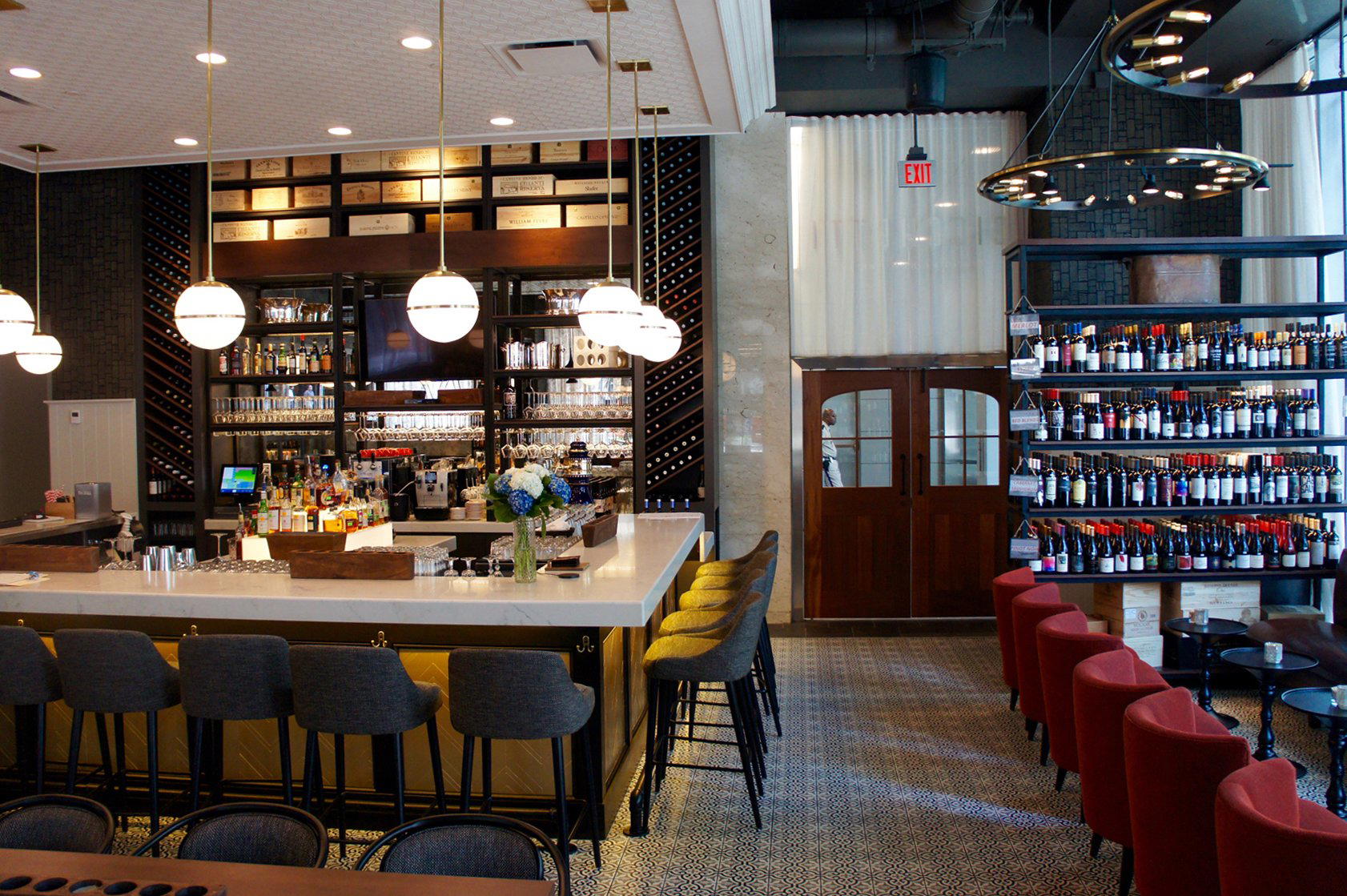


At a Glance
- Modern
- Trendy
- Elegant
- Date Night
- Brunch
- Special Occasion
- Live Music
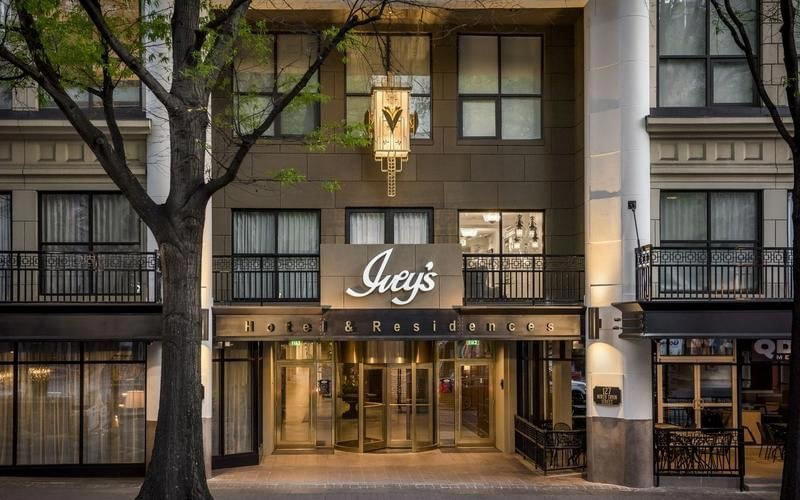
- Hotel Restaurant
- Open Kitchen
- Design Destination
- Craft Cocktails
- Local Sourcing
- Skyline
Current opening hours
- Monday
- Closed
- Tuesday
- 11 AM–9 PM
- Wednesday
- 11 AM–9 PM
- Thursday
- 11 AM–9 PM
- Friday
- 11 AM–10 PM
- Saturday
- 11 AM–10 PM
- Sunday
- 11 AM–4 PM
Hours can change for holidays and private events. Last verified .
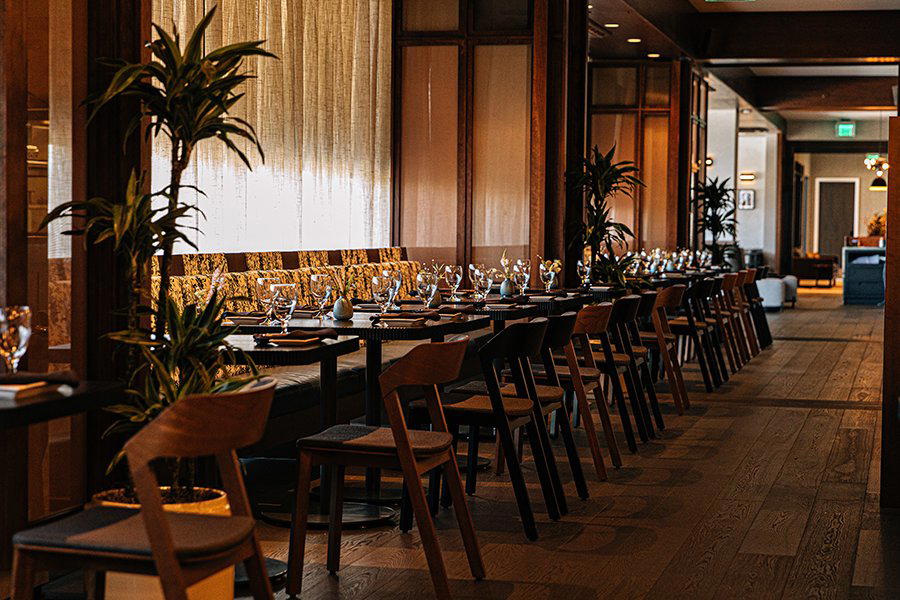
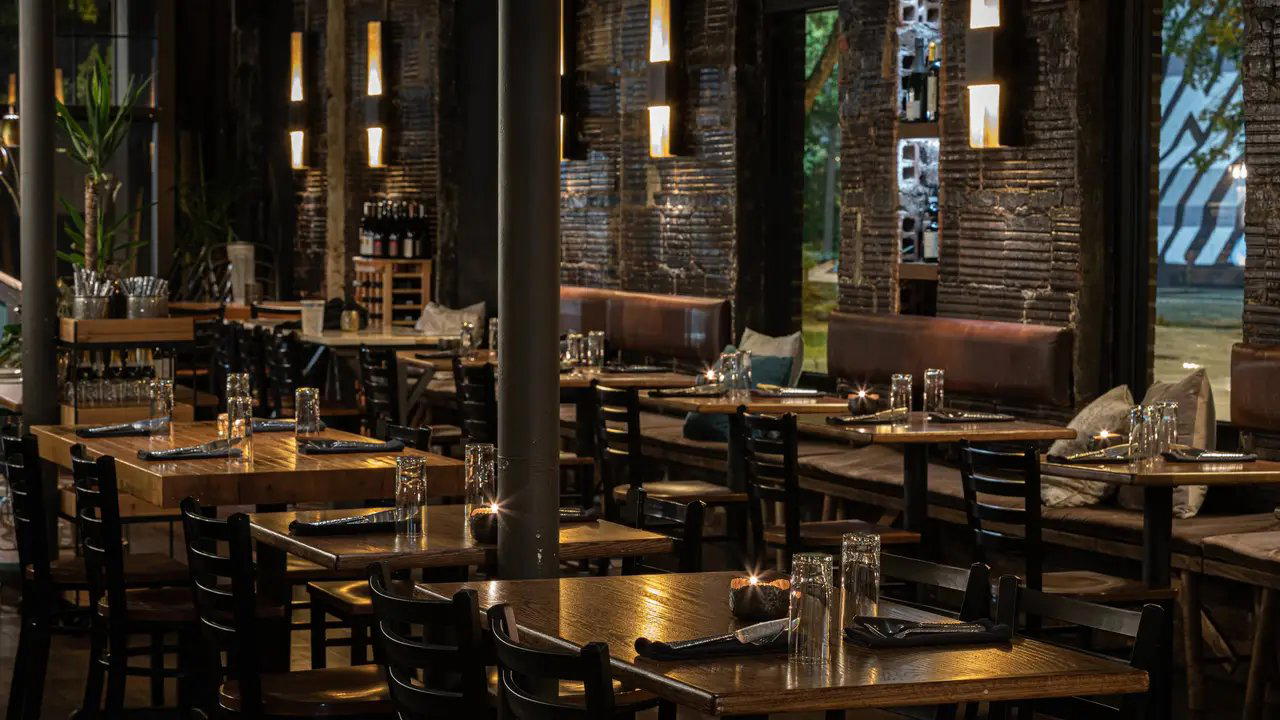
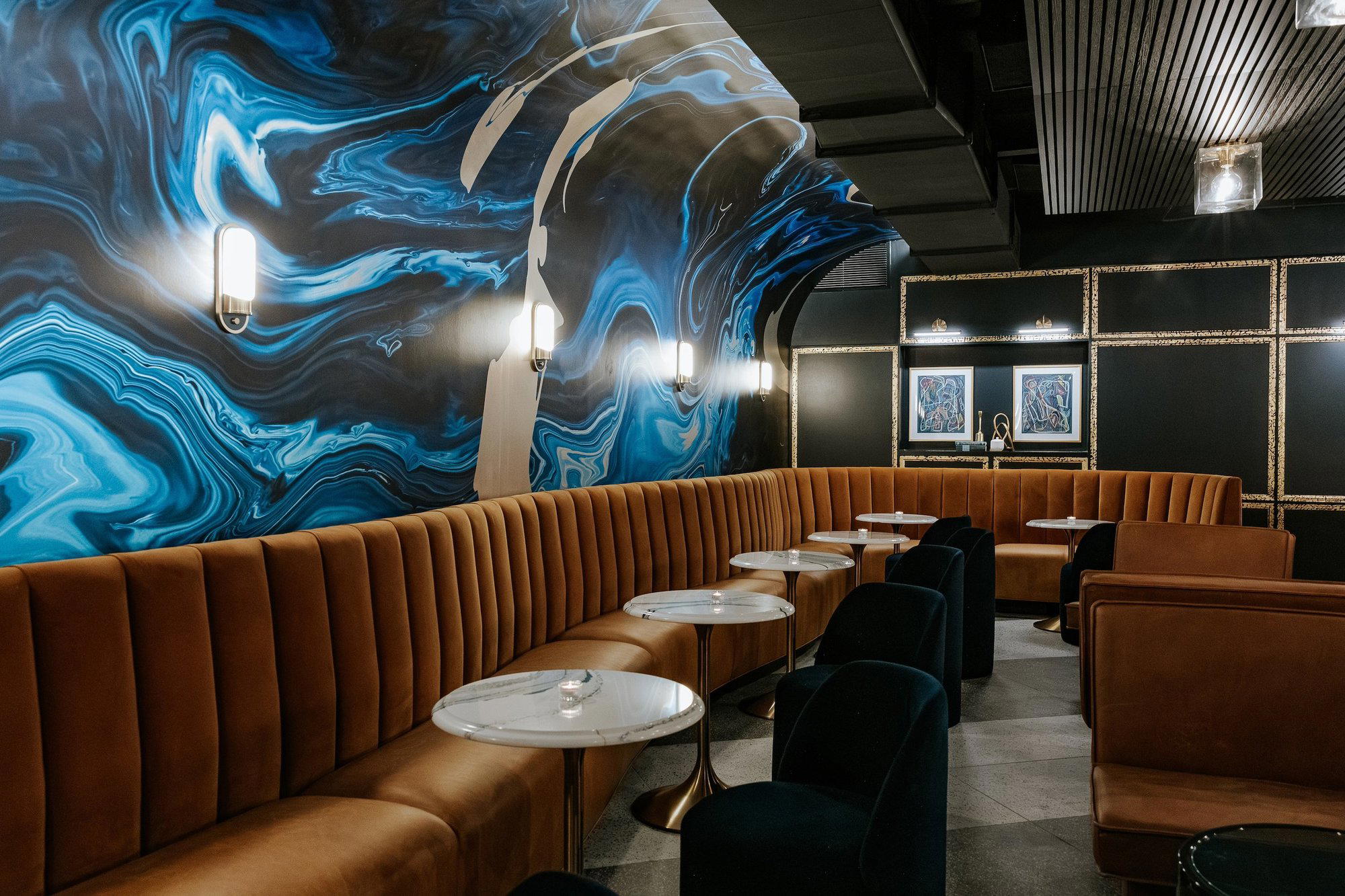
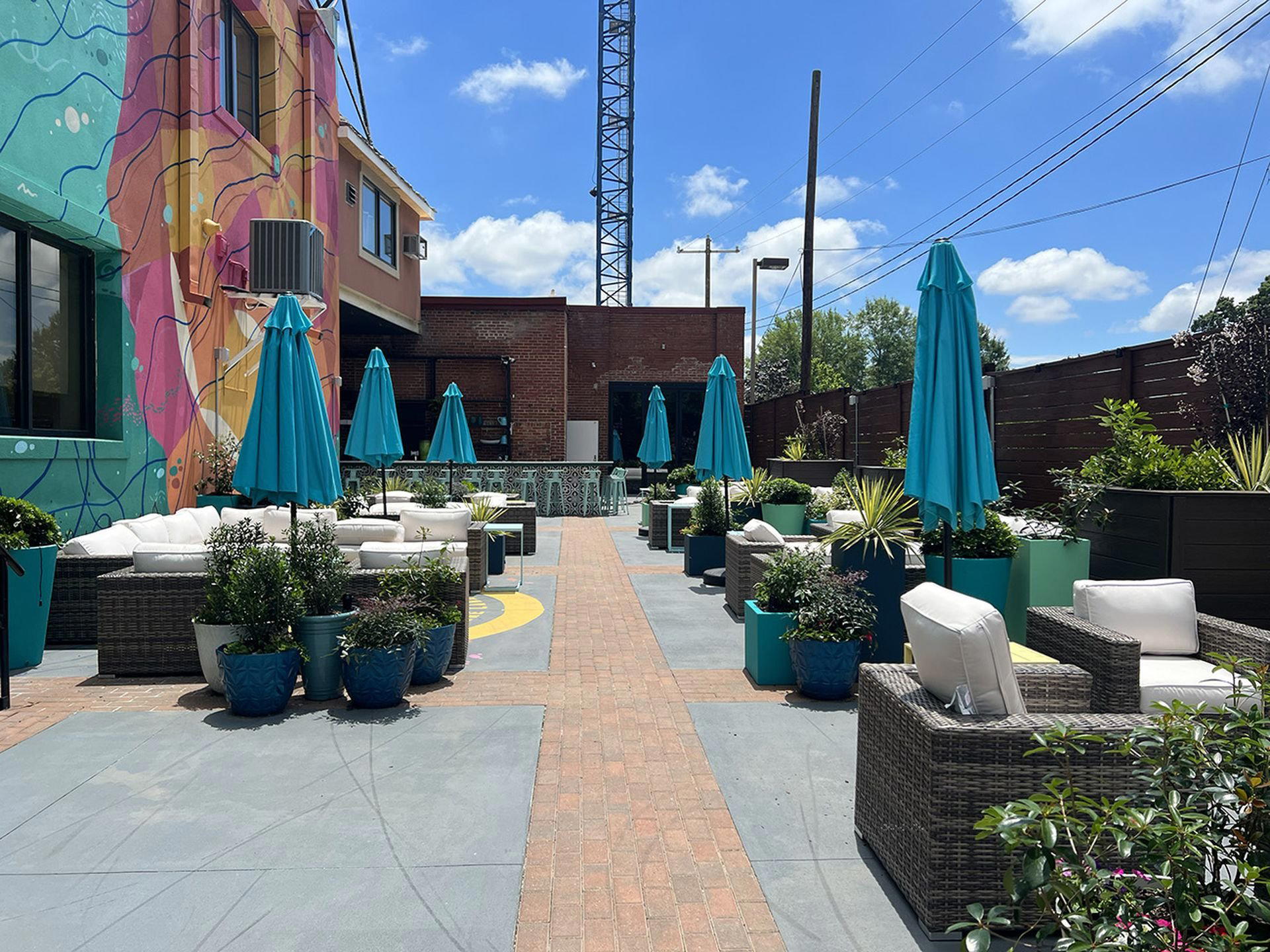
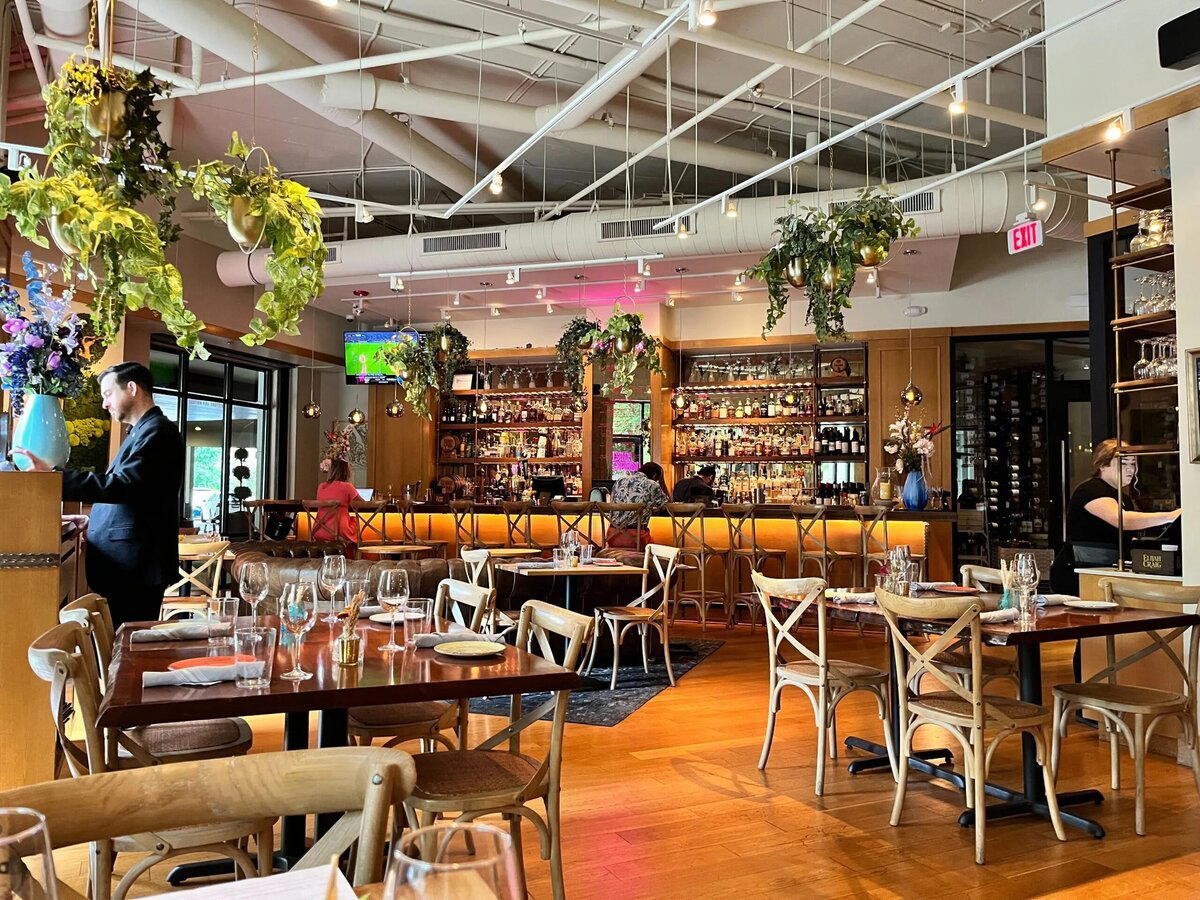
Bold and modern interior design with artsy vibes, high-energy music, and chic atmosphere enhanced by live jazz during brunch.