Mario's Restaurant
Mario's Restaurant on Detroit's 2nd Avenue occupies a long-standing address in the city's Midtown corridor, where Italian-American dining traditions have persisted through decades of urban change. The room carries the architectural weight of its neighbourhood, and the kitchen operates within a recognisable red-sauce lineage that Detroit diners have returned to across generations. For visitors building a picture of the city's dining character, Mario's represents a strand of that continuity.
Pearl is the En Primeur Club membership app — saves, bookings, and concierge access live there. Same editors, same standards.
- Address
- 4222 2nd Ave, Detroit, MI 48201
- Phone
- +13138321616
- Website
- mariosdetroit.com
- Directions
- Get directions
 Saves & bookings on Pearl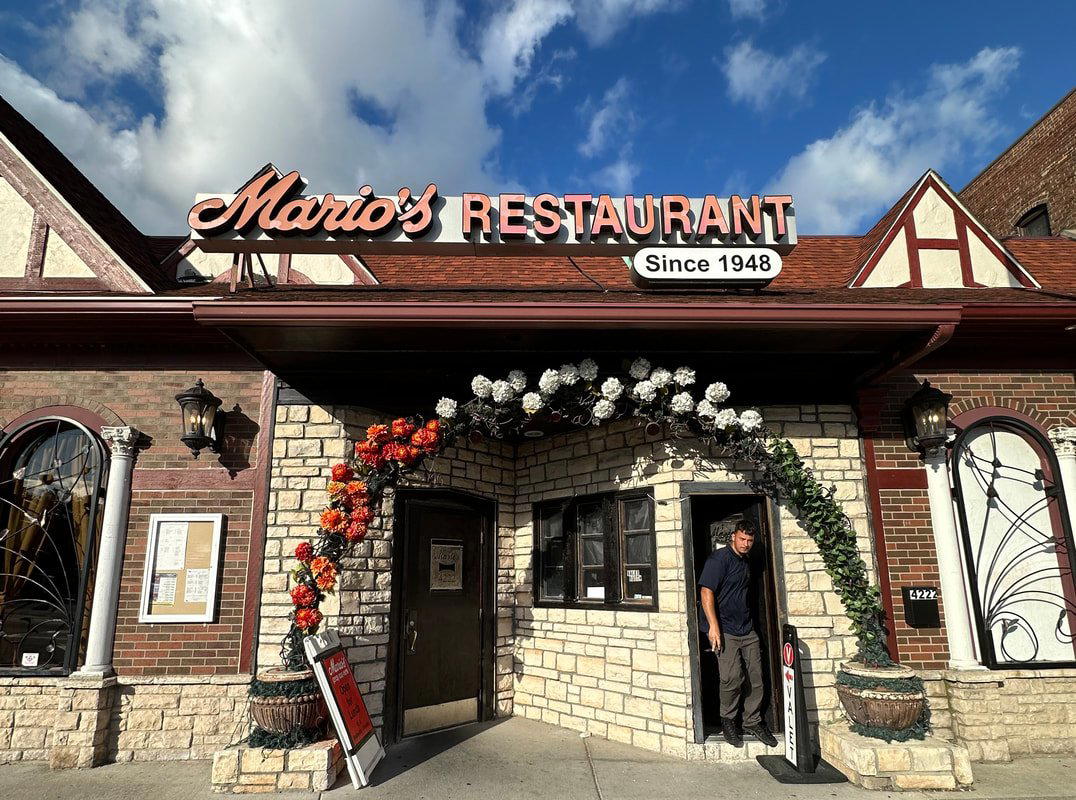
The Weight of 2nd Avenue
There is a particular kind of Detroit dining room that no amount of redevelopment entirely replaces: the kind built on decade-long regulars, red-checked tablecloths worn smooth with familiarity, and a menu that changes less than the city around it. Mario's Restaurant, at 4222 2nd Ave in Midtown, sits inside that tradition. The building occupies a stretch of 2nd Avenue that has watched Detroit contract and expand, lose population and reclaim it, cycle through boosterism and honest reckoning. Through that arc, Italian-American restaurants of this vintage have functioned as anchors, their continuity a kind of argument about what stays when so much else does not.
Approaching the address from Midtown's cultural corridor, the context matters. Wayne State University sits nearby, the Detroit Institute of Arts a short walk south, and a generation of new dining openings has reshaped the immediate neighbourhood. Against that backdrop, Mario's carries the particular authority of a place that did not arrive to capitalise on a renaissance — it predates one.
Italian-American Detroit: A Tradition Worth Locating
Italian-American cooking in Detroit follows a lineage distinct from the coastal interpretations that dominate contemporary food media. Where New York and San Francisco Italian tends now toward imported ingredients, minimal intervention, and menu brevity, the Midwest Italian-American tradition built its identity on abundance, long-simmered sauces, and a hospitable formality that treated dinner as event rather than transaction. Mario's sits within that tradition, and understanding what the kitchen likely produces means reading through that lens rather than comparing it against, say, a West Coast trattoria.
The red-sauce canon, executed with care, involves timing and technique that casual observers underestimate. A proper veal marsala, a correctly reduced piccata, a pasta dressed with enough salt in the cooking water and enough restraint in the finish — these are not simple dishes. They are exacting within a tradition that has its own demands, and the restaurants that survive decades in that category do so because they have not confused consistency with stagnation.
Detroit's dining scene has grown considerably more varied in recent years. Venues like Baobab Fare have brought East African cooking into serious critical conversation, while places like ADELINA and Alpino represent newer European-inflected formats finding their footing in the city. The American Coney Island anchors the deeply local end of the spectrum, as it has for generations. Against this range, Mario's Italian-American formality occupies a specific and defensible niche.
The Arc of a Meal
Multi-course Italian-American dining follows a progression with its own internal logic. The meal at a restaurant of this type typically opens with antipasto, cured meats, olives, perhaps a shrimp cocktail served with the kind of direct confidence that doesn't apologise for being old-fashioned. This is not a course designed to signal ambition; it is designed to settle you into the room and begin the evening properly.
Soup or salad follows, and in the Italian-American tradition this middle register is where the kitchen often signals its real quality. A minestrone with depth, a house salad dressed at the table, these are details that separate kitchens that care from those coasting on reputation. The pasta course arrives as a bridge: something rich enough to satisfy but considered enough not to foreclose what follows.
The main course at a restaurant of this vintage is typically where the kitchen declares itself most clearly. Veal, chicken, and fish preparations in the Italian-American canon require a cook who understands sauce ratios and heat management. Too much acid in the marsala, too little caramelisation on the fond, and the dish reads as institutional rather than considered. At places that have stayed in operation long enough to build genuine local loyalty, the main course tends to be the reason people return.
Dessert at Italian-American establishments of this type usually includes the classics, spumoni, cannoli, tiramisu, executed with the understanding that these dishes are not attempts at novelty but commitments to a known standard. The meal closes as it opened: with a kind of confident convention that, at its finest, feels not limiting but generous.
For readers building a broader picture of American fine dining's tasting-menu tradition, the contrast is instructive. Restaurants like Alinea in Chicago, Lazy Bear in San Francisco, or The French Laundry in Napa operate a constructed narrative arc built around surprise and revelation. The Italian-American multi-course works differently: its arc is one of fulfilment rather than revelation, each course confirming a tradition rather than departing from it. Blue Hill at Stone Barns and Atomix in New York City similarly use sequencing as an intellectual proposition. Mario's, if it is doing what its tradition demands, uses sequencing as hospitality.
Other American fine dining addresses that operate within a strong regional identity, from Providence in Los Angeles to Addison in San Diego and The Inn at Little Washington, demonstrate that longevity and regional rootedness can be as powerful a positioning as novelty. Internationally, 8 1/2 Otto e Mezzo Bombana in Hong Kong shows how Italian dining translated through a non-Italian city can take on new authority, a useful mirror for thinking about Detroit's own Italian-American adaptations. Emeril's in New Orleans provides another reference point: a restaurant whose identity is inseparable from its city's culinary character. Le Bernardin in New York City and Single Thread Farm in Healdsburg occupy different registers entirely, but all speak to how a restaurant's longevity and regional specificity define its authority.
Where Mario's Sits in the Current Detroit Picture
Detroit's dining recovery has attracted a wave of new formats, fast-casual, chef-driven small plates, regional genre specialists. Within that landscape, the Italian-American formal dining room operates as a counterpoint. Venues like Amore da Roma represent newer Italian-inflected arrivals in the city; Mario's precedes that wave and draws from a different source. The comparison is worth making not to diminish either but to clarify what each is doing.
If Detroit's newer dining represents ambition about what the city is becoming, Mario's, and restaurants like it, represents something about what the city has always contained. That is a meaningful distinction for any visitor trying to read the city honestly rather than only through its most recent chapter. For other neighbourhood-level context and Detroit dining mapped by area and category, the full Detroit restaurants guide provides a broader framework. 313 Cinnamon Rolls and Vecino sit at the newer end of the city's dining development; Slow Bars Bar-BQ operates from a different regional tradition altogether. Mario's holds its own coordinate in that map.
Planning Your Visit
Mario's Restaurant is located at 4222 2nd Ave, Detroit, MI 48201, in the Midtown corridor. Given the venue's standing as a long-established address in a neighbourhood with active foot traffic, arriving with a reservation is advisable rather than counting on walk-in availability, particularly on weekend evenings when Midtown's density of cultural venues drives dinner demand. Midtown is accessible from downtown Detroit and from Wayne State's campus by foot or short ride, and the 2nd Avenue address places it within reach of the city's museum district. Visitors coming specifically for a formal, multi-course Italian-American experience should treat this as an unhurried evening commitment rather than a quick stop.
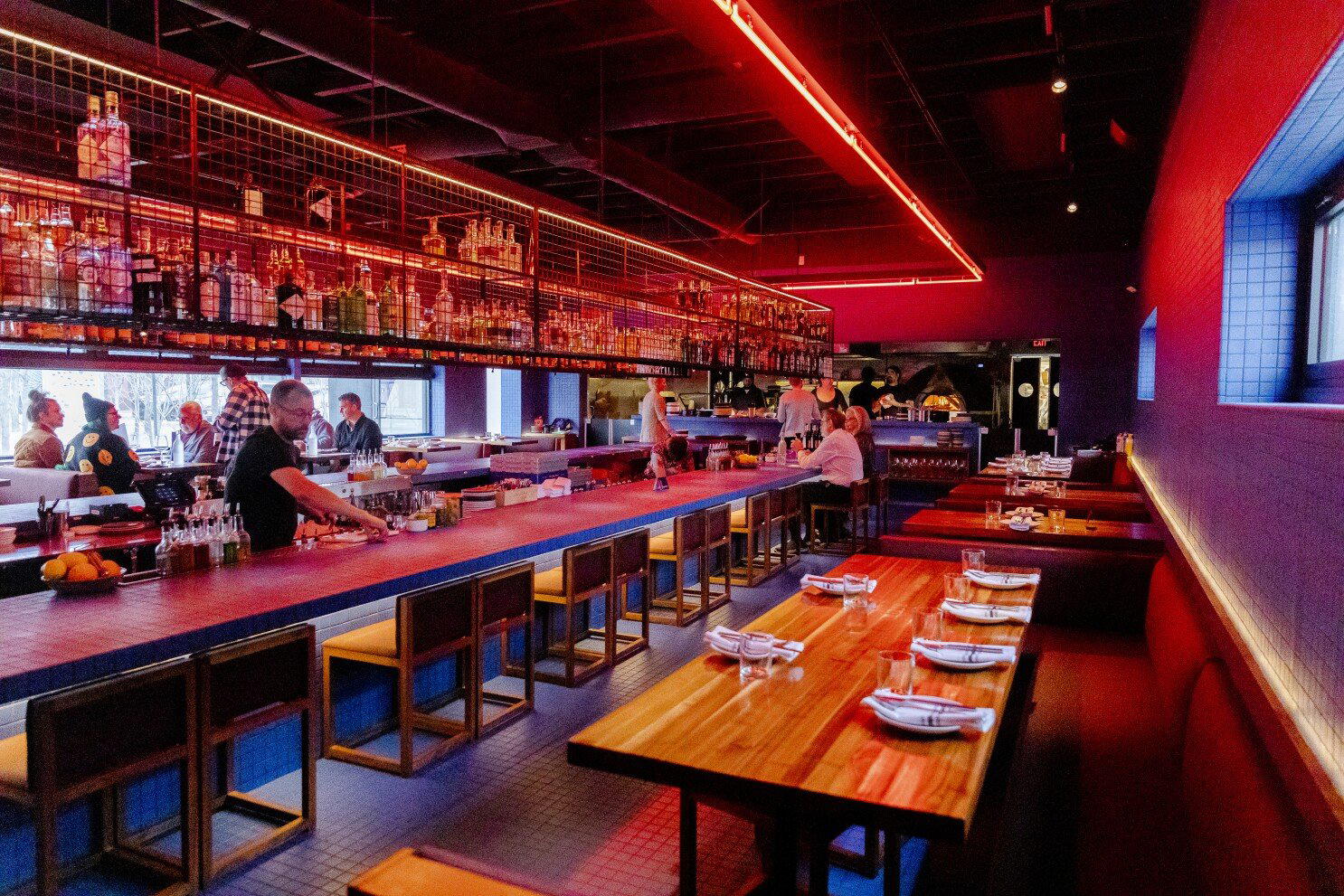
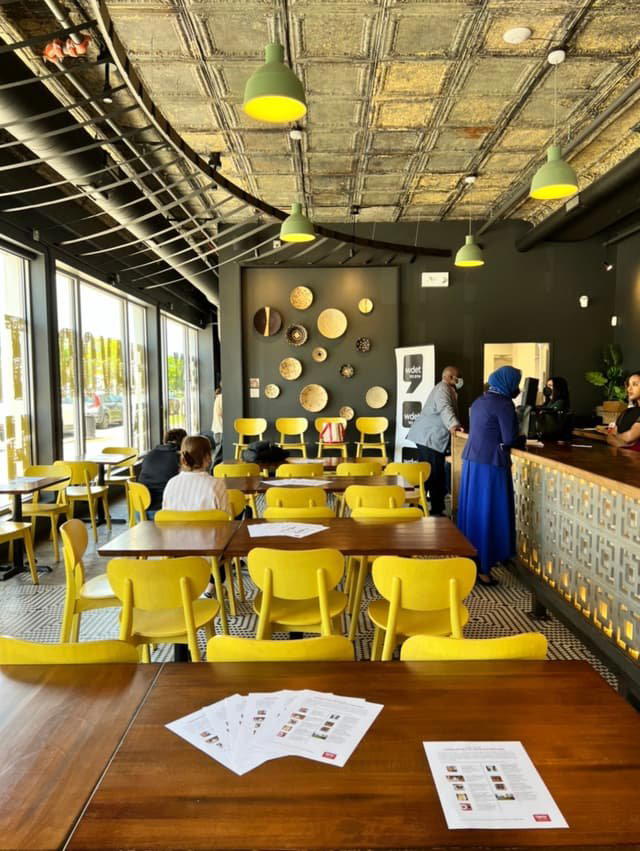
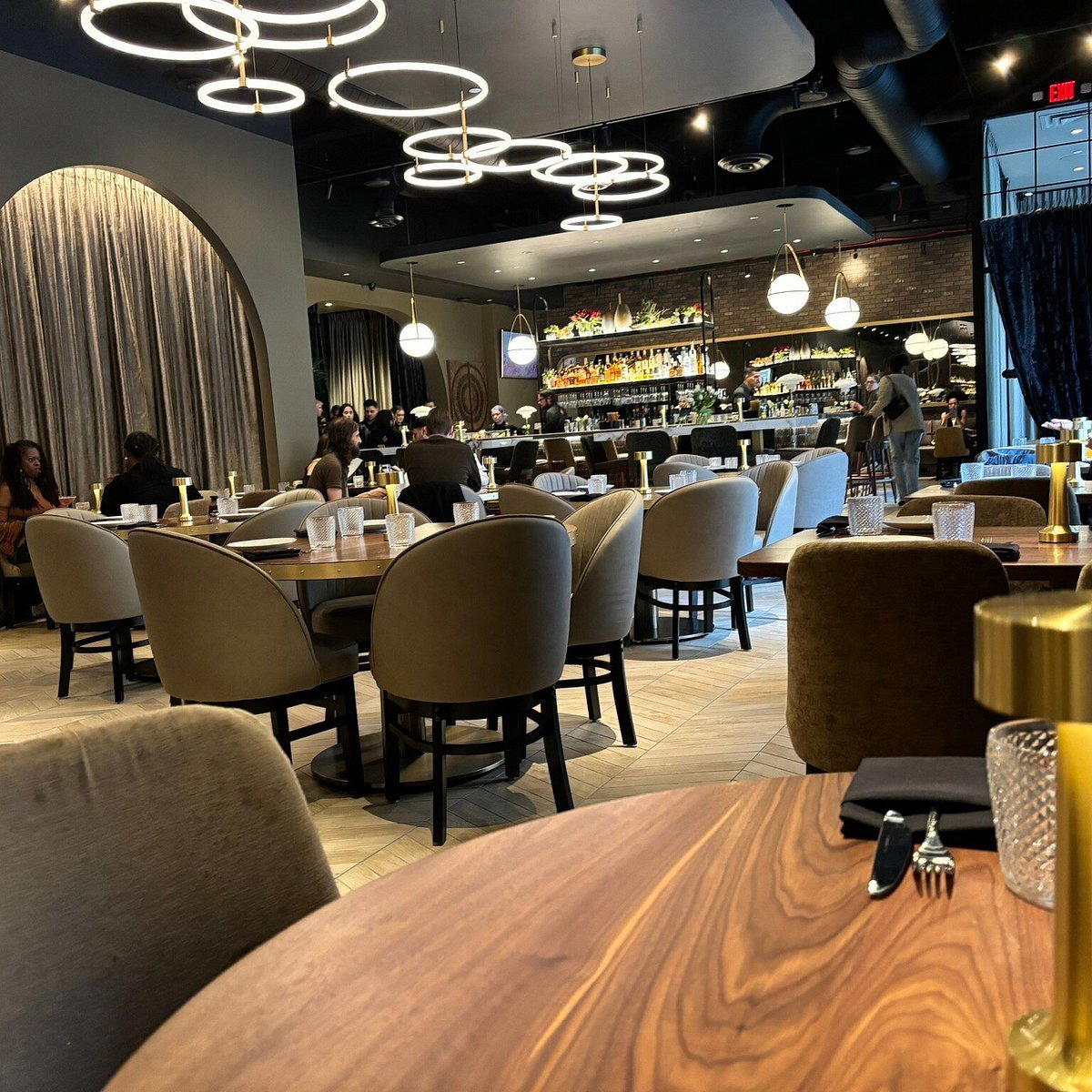
How Mario's Restaurant Detroit compares with similar nearby venues.
| Venue | Cuisine |
|---|---|
| Vecino | Modern Mexican |
| Warda Pâtisserie | pastries / French-influenced |
| Selden Standard | New American |

At a Glance
- Classic
- Elegant
- Well Known
- Intimate
- Date Night
- Special Occasion
- Business Dinner
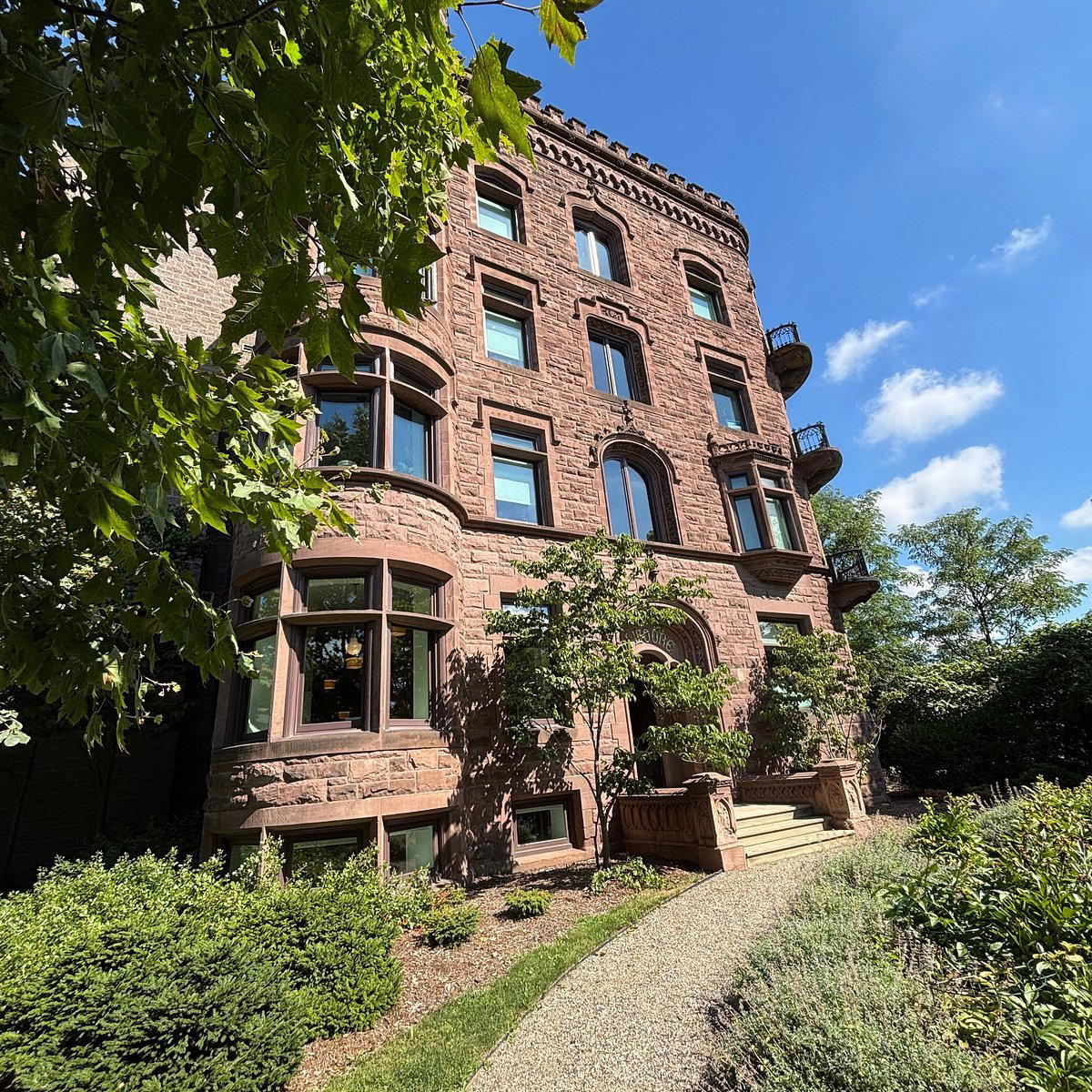
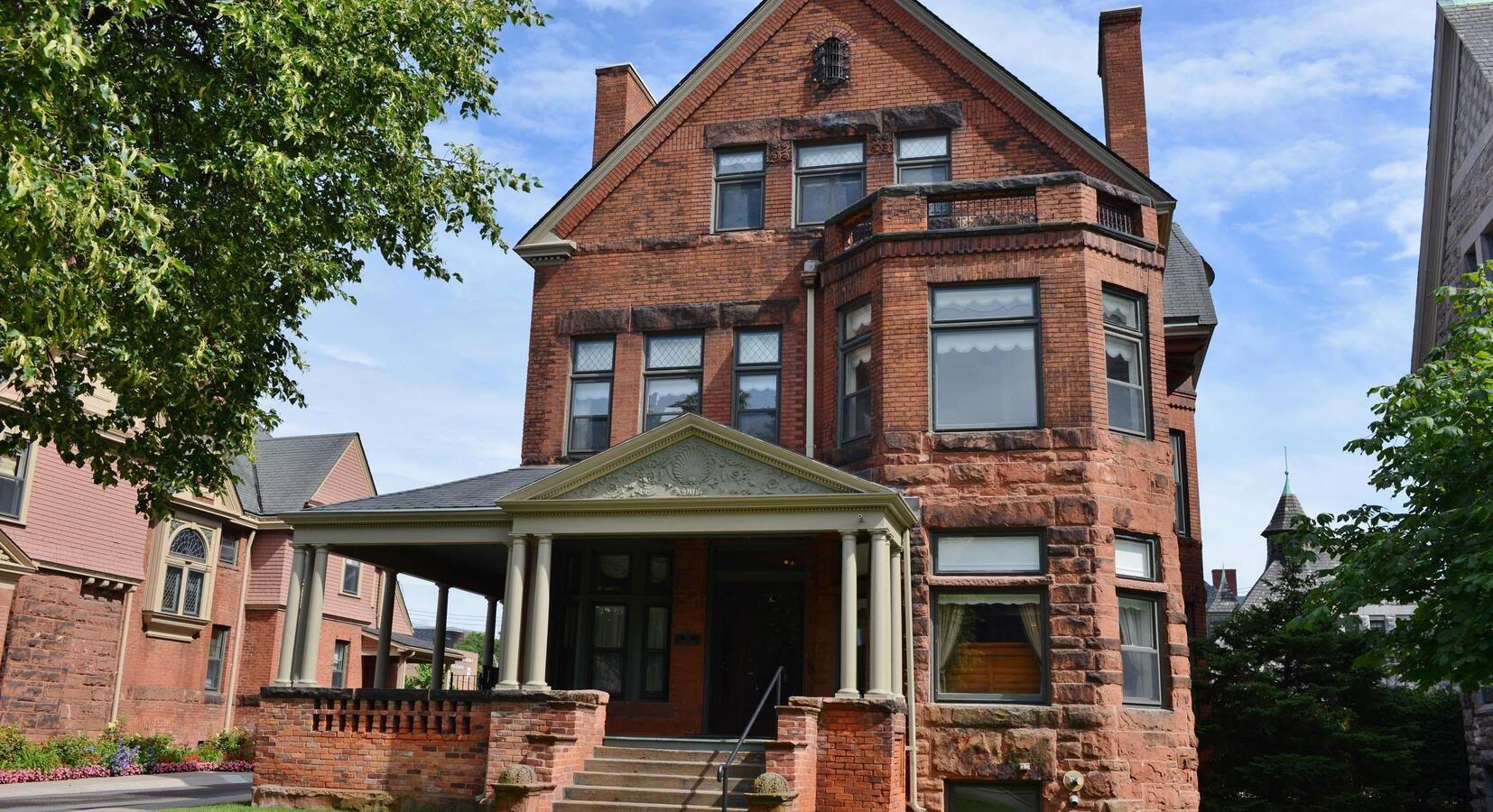
- Historic Building
Current opening hours
- Monday
- Closed
- Tuesday
- 12–10 PM
- Wednesday
- 12–10 PM
- Thursday
- 12–10 PM
- Friday
- 12–10:30 PM
- Saturday
- 12–10:30 PM
- Sunday
- 1–10 PM
Hours can change for holidays and private events. Last verified .
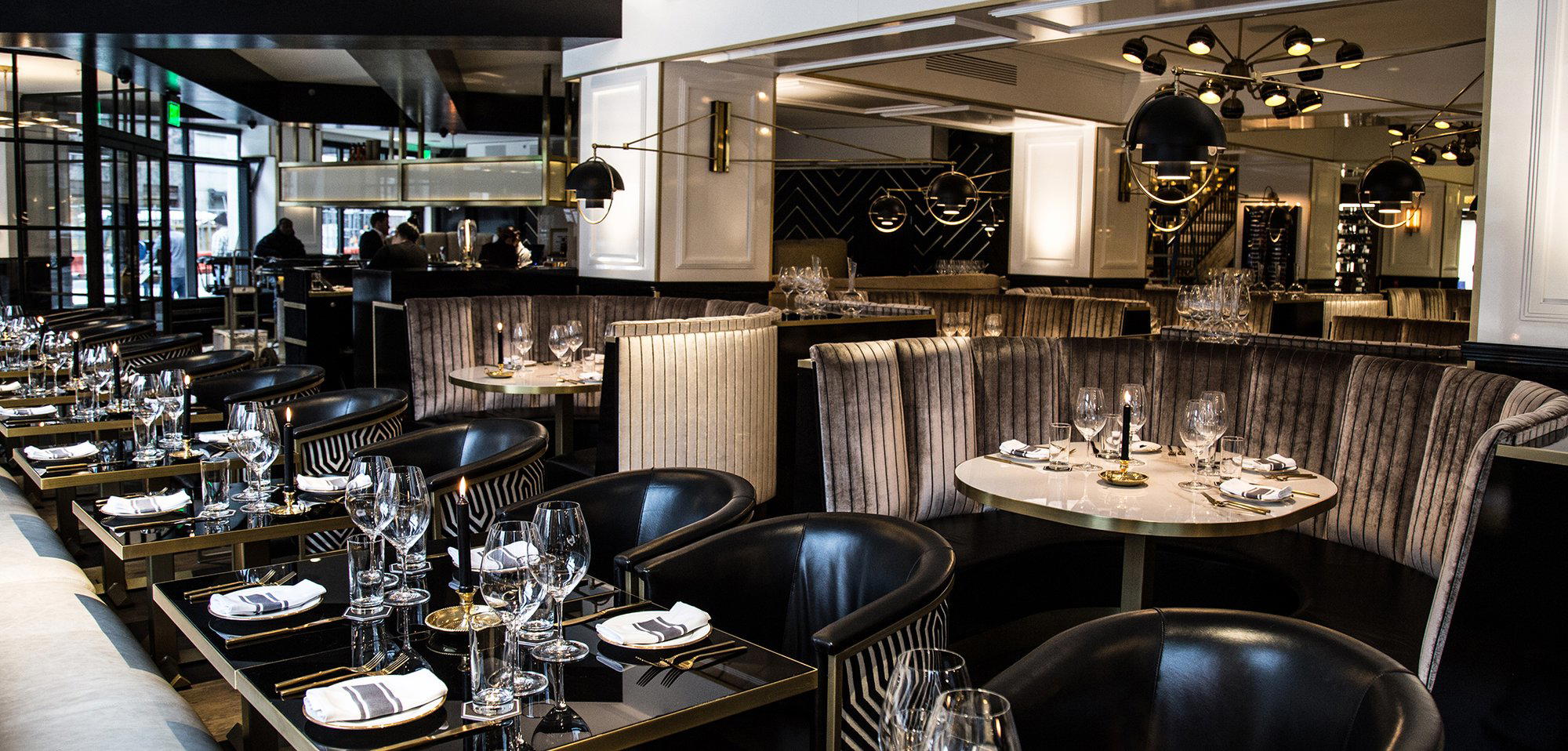
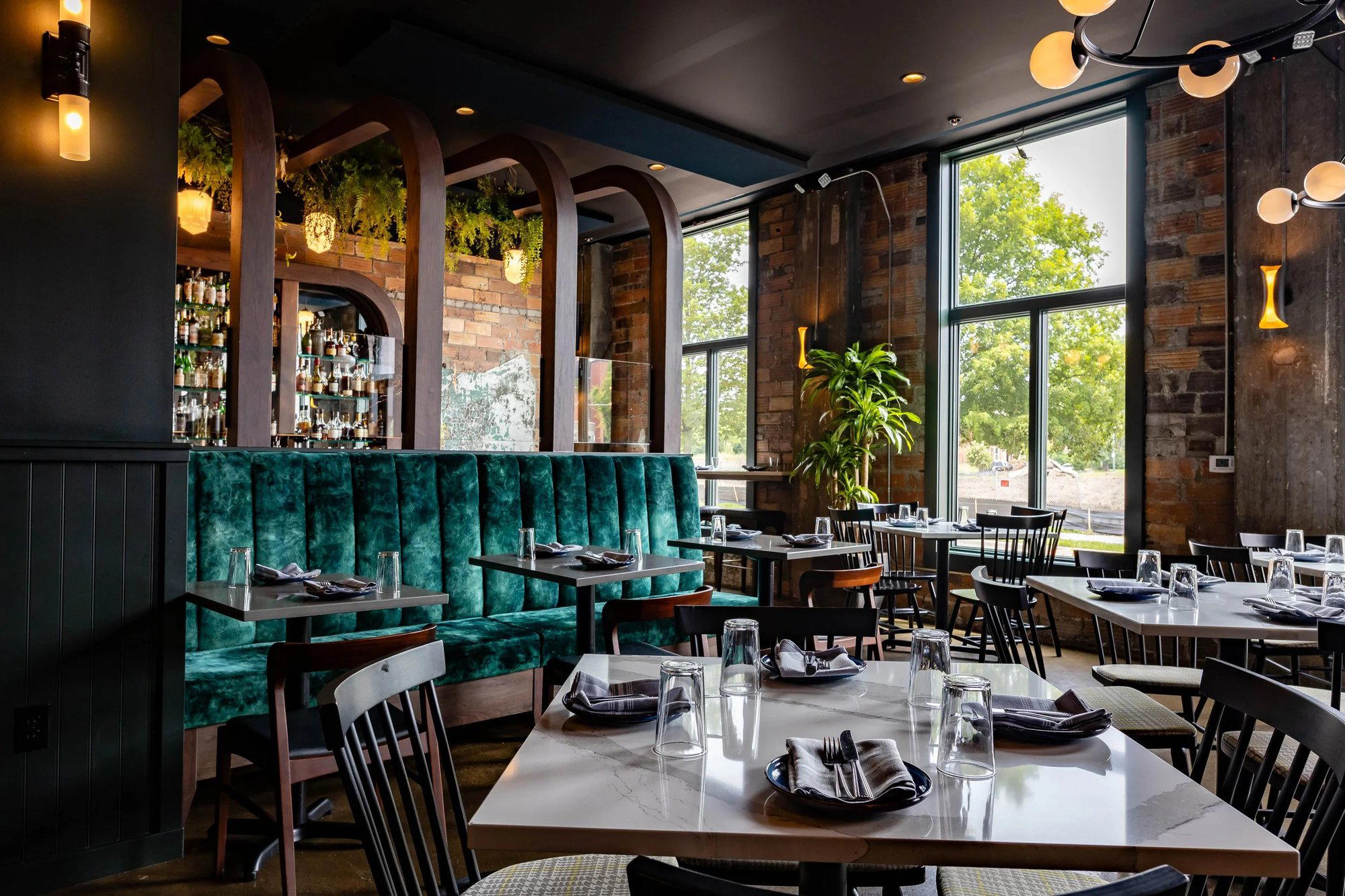
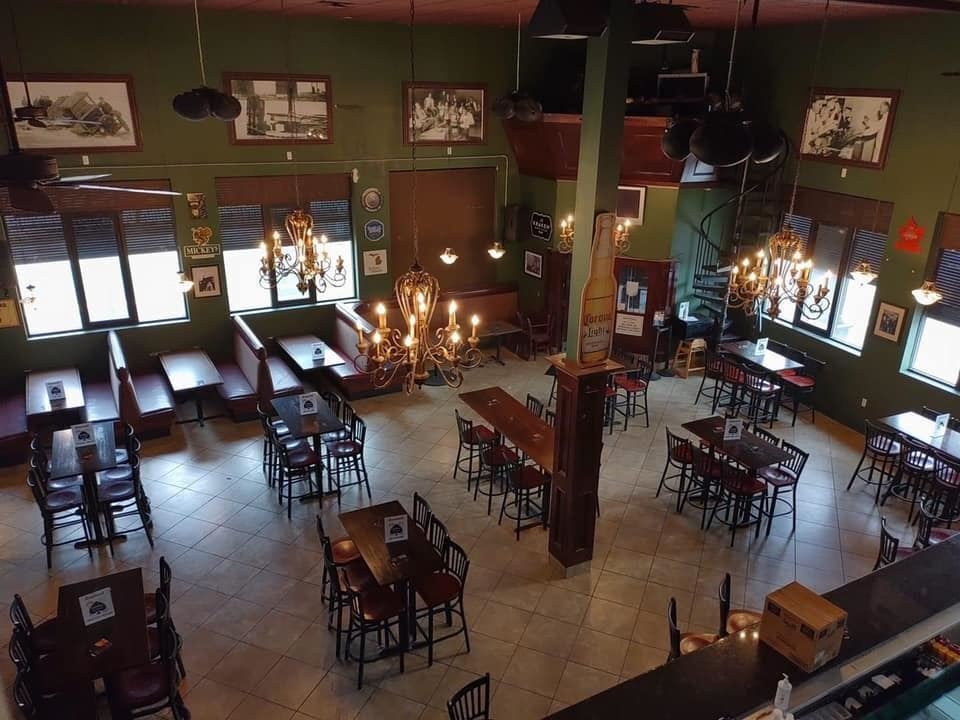
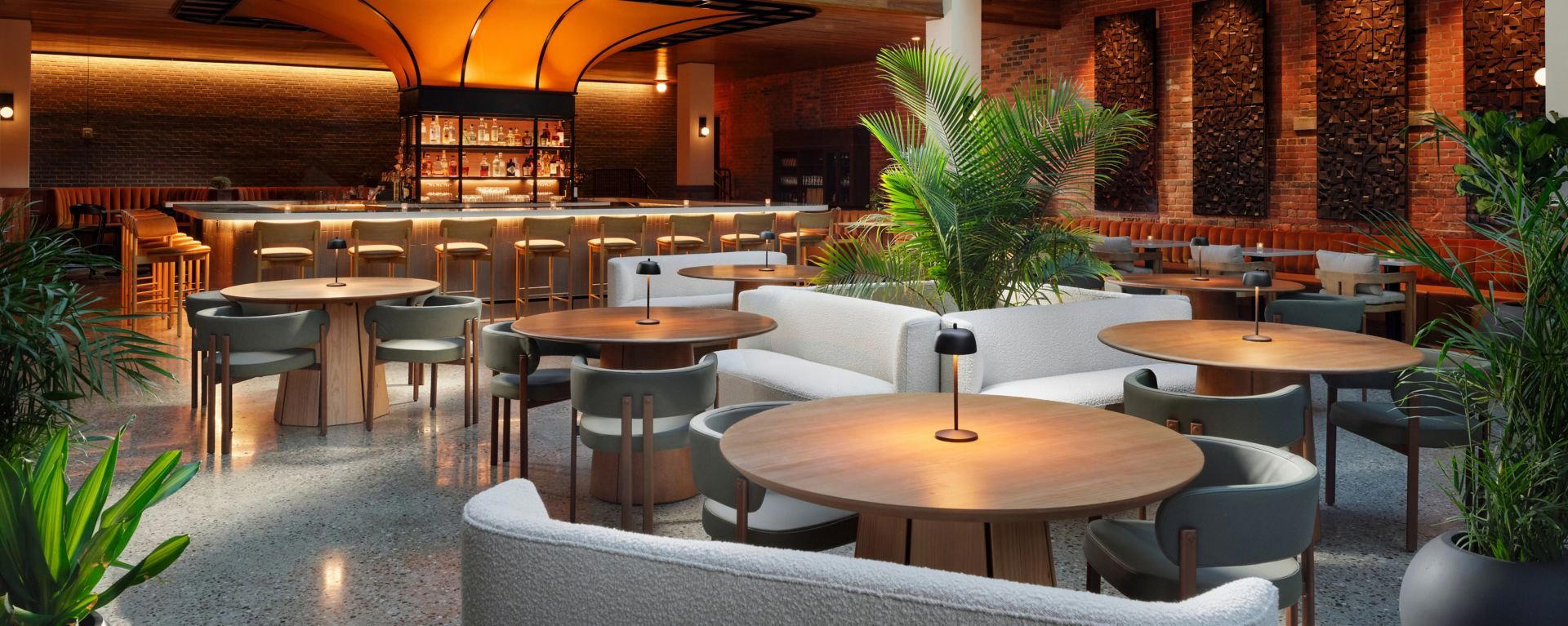
Warm, elegant, and traditional with a timeless supper club feel, offering unpretentious old-school cool.
Know Before You Go
- Getting there
- 4222 2nd Ave, Detroit, MI 48201