María Ciento38
Santa María la Ribera has quietly built one of Mexico City's more interesting dining identities, and María Ciento38 is part of that shift. Situated at the neighbourhood's namesake address, the restaurant operates in a colonia that still trades more on local character than on tourist footfall, placing it in a different register from the Polanco fine-dining circuit. For those tracking where Mexican cooking is moving next, the address itself is an argument.
Pearl is the En Primeur Club membership app — saves, bookings, and concierge access live there. Same editors, same standards.
- Address
- Santa María La Ribera 138, Sta María la Ribera, Cuauhtémoc, 06400 Ciudad de México, CDMX, Mexico
- Phone
- +525571592039
- Website
- mariaciento38.com
- Directions
- Get directions
 Saves & bookings on Pearl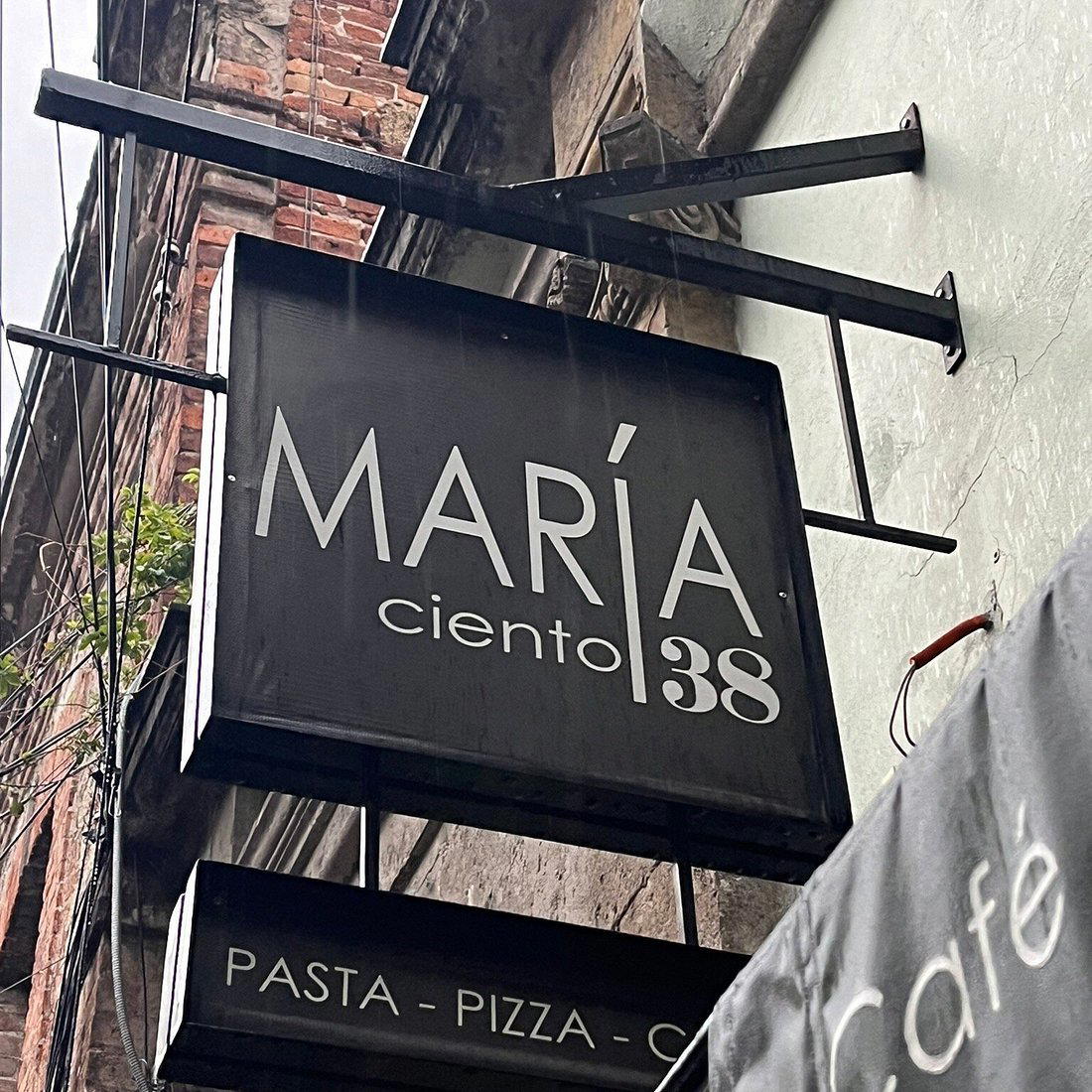
A Colonia With Something to Prove
Santa María la Ribera sits northwest of the historic centre, separated from Polanco's fine-dining corridor by both geography and temperament. The neighbourhood's kiosko morisco — a Moorish-style iron pavilion originally built for the 1884 New Orleans World Exposition — anchors its central alameda, and the surrounding streets mix art nouveau facades with corner fondas that have barely changed in decades. It is not a destination that courted the restaurant industry; the restaurant industry arrived because rents and character aligned at the right moment.
That context matters when reading María Ciento38. In a city where the high-profile conversation about Mexican cuisine tends to centre on Pujol, Quintonil, and the broader Polanco constellation, restaurants operating in colonias like Santa María la Ribera are doing something structurally different. They are not competing on the same axis.
Reading the Menu as Architecture
In Mexican restaurant culture, how a menu is structured carries as much signal as what appears on it. The distinction between a place that offers a fixed tasting sequence, a short à la carte built around a single product logic, and a broader menu designed for repeat neighbourhood visits represents three entirely different commercial and culinary positions. Each implies a different relationship with the diner: the tasting menu says trust us completely; the short à la carte says we have a point of view and we're sharing it; the broader neighbourhood menu says come back often and eat comfortably.
The address, 138 on the street that gives the restaurant its name, suggests a venue that identifies with place rather than with a chef-as-brand model. That orientation, where the colonia is foregrounded and the restaurant draws meaning from its physical location, has become a visible mode in Mexico City's mid-tier and creative dining scene. Sud 777 in Pedregal made that argument from the south of the city; restaurants in Santa María la Ribera are now making a version of it from the north-centre.
What the name and address do signal is an investment in neighbourhood identity as a primary editorial statement, the kind of positioning that tends to produce menus built around accessibility and local produce logic rather than imported luxury ingredients or international technique showcasing. That pattern holds across much of Mexico's most interesting regional dining, from Levadura de Olla in Oaxaca to KOLI Cocina de Origen in Monterrey, where the emphasis falls on the sourcing logic and the regional canon rather than on international validation.
Where Santa María la Ribera Sits in the City's Dining Map
Mexico City's dining geography has never been as centralised as outsiders assume. Polanco concentrates the award-facing restaurants, the venues that read well in international guides and draw the Michelin-conscious tourist circuit. Roma and Condesa built a parallel track of creative neighbourhood cooking at a wider price spread. Coyoacán and Xochimilco hold the city's deepest roots in traditional market and home cooking. Santa María la Ribera occupies a different slot: less touristed than Roma, more architecturally coherent than many northern colonias, and carrying a distinct cultural identity through its history as a 19th-century bourgeois neighbourhood that never fully gentrified.
That partial gentrification creates interesting conditions for restaurants. The diner base is local-skewing but educated; the expectation is quality without performance; the tolerance for experimentation is higher than in a purely traditional market context but the demand for pretension is lower than in Polanco. Restaurants that read those conditions correctly tend to build loyal repeat clientele rather than one-time destination visitors, a more durable model in the long run, if a quieter one in terms of international press coverage.
For context across Mexico's broader restaurant geography, the same pattern of neighbourhood-rooted positioning appears at Alcalde in Guadalajara, Huniik in Mérida, and coastal operations like HA' in Playa del Carmen and Animalón in Valle de Guadalupe, where the surrounding environment shapes the menu logic as directly as the chef's training does. That breadth, Mexico's restaurant culture operating with distinct regional voices rather than converging on a single metropolitan model, is part of what makes the country's dining scene worth tracking across its full geography. The full Mexico City restaurants guide maps the capital's current field in detail.
At the international comparison level, the shift toward neighbourhood-embedded, address-forward restaurants mirrors moves made by programme-driven venues in cities like New York, where Atomix represents one kind of formal precision and neighbourhood-committed formats represent another. The difference in Mexico City is that the neighbourhood itself, its history, its street character, its local clientele, does more active work in defining what a restaurant is for.
Practical Planning
Know Before You Go
- Address: Santa María La Ribera 138, Sta María la Ribera, Cuauhtémoc, 06400 Ciudad de México, CDMX
- Neighbourhood: Santa María la Ribera, northwest of the historic centre
- Getting there: The colonia is accessible via Metro Line 2 (Buenavista station) or by taxi and rideshare from Roma or Polanco in approximately 15 to 25 minutes depending on traffic
- Ideal time to visit: The neighbourhood's alameda and surrounding streets are most active on weekend afternoons; a lunch or early evening visit aligns with the area's local rhythm
- Price context: Santa María la Ribera's restaurant scene generally sits in the $$ to $$$ range, more accessible than the Polanco fine-dining tier
- Nearby context: The kiosko morisco in Parque Luis Chávez is a five-minute walk and worth building into the visit
How María Ciento38 Mexico City compares with similar nearby venues.
| Venue | Cuisine | Price |
|---|---|---|
| Pink Rambo | Contemporary | $$ |
| Taquería El Califa de León | Mexican | $ |
Continue exploring
More in Mexico City
Restaurants in Mexico City
Browse all →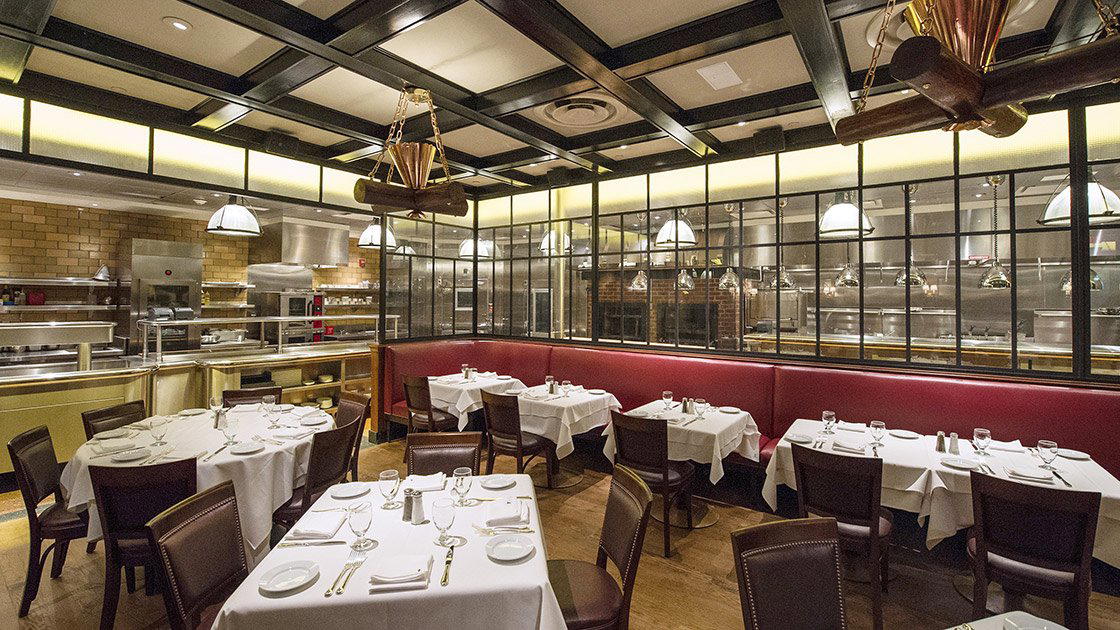
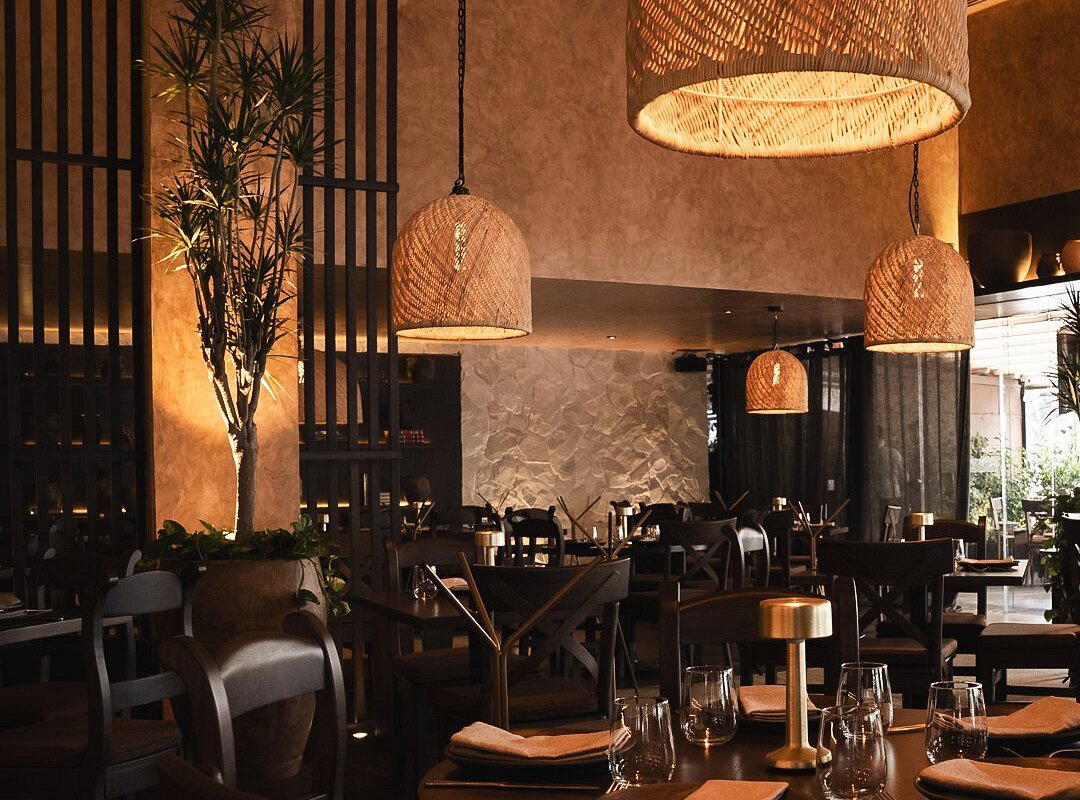
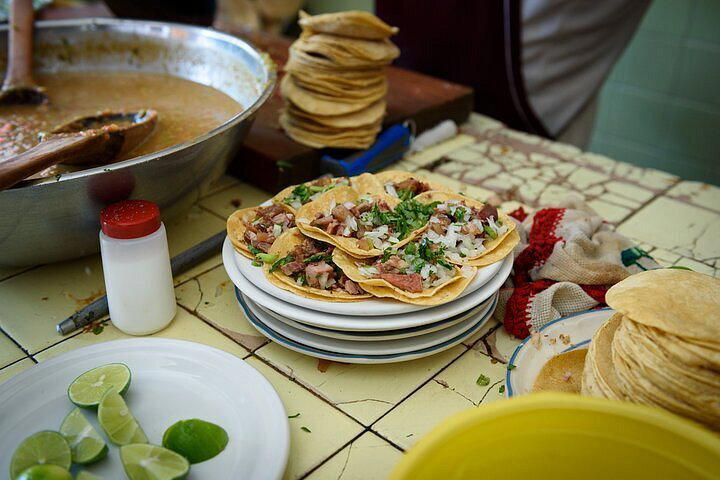
Bars in Mexico City
Browse all →

At a Glance
- Cozy
- Romantic
- Rustic
- Intimate
- Classic
- Date Night
- Family
- Group Dining
- Brunch
- Casual Hangout
- Courtyard
- Garden
- Historic Building
- Terrace
- Beer Program
- Farm To Table
- Garden
Current opening hours
- Monday
- 9 AM–10 PM
- Tuesday
- 9 AM–10 PM
- Wednesday
- 9 AM–10 PM
- Thursday
- 9 AM–11 PM
- Friday
- 9 AM–11 PM
- Saturday
- 9 AM–11 PM
- Sunday
- 9 AM–9 PM
Hours can change for holidays and private events. Last verified .
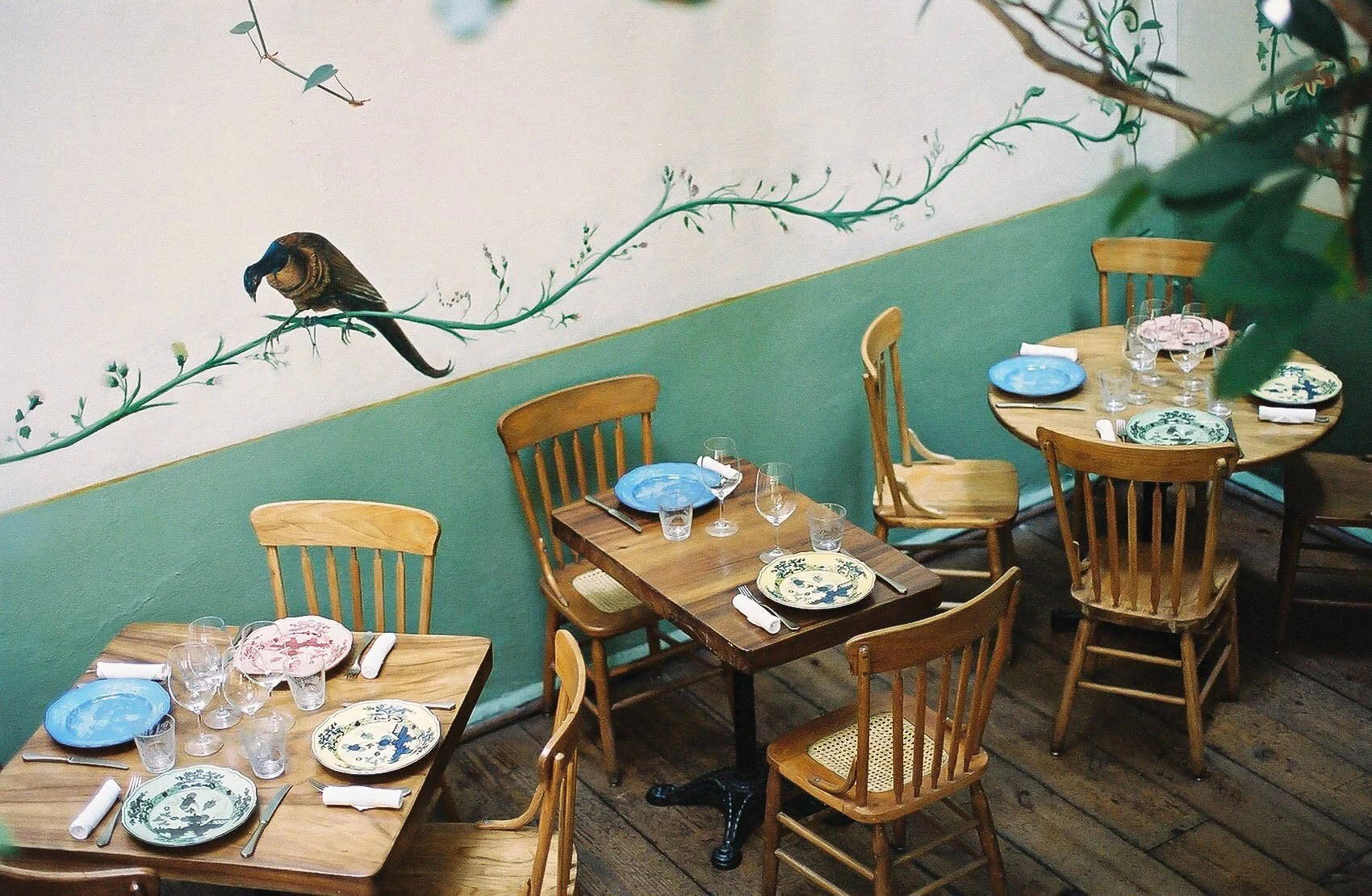
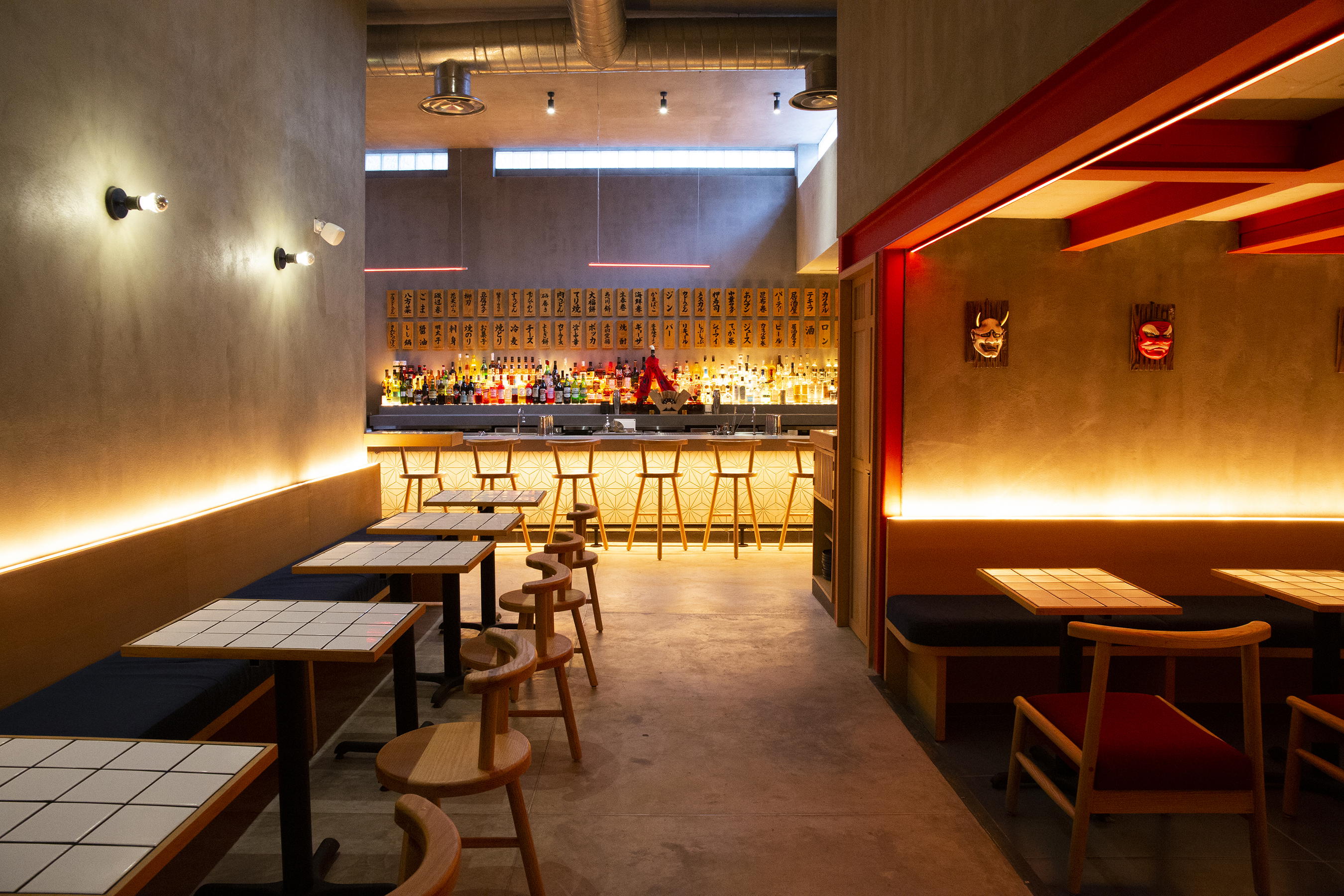
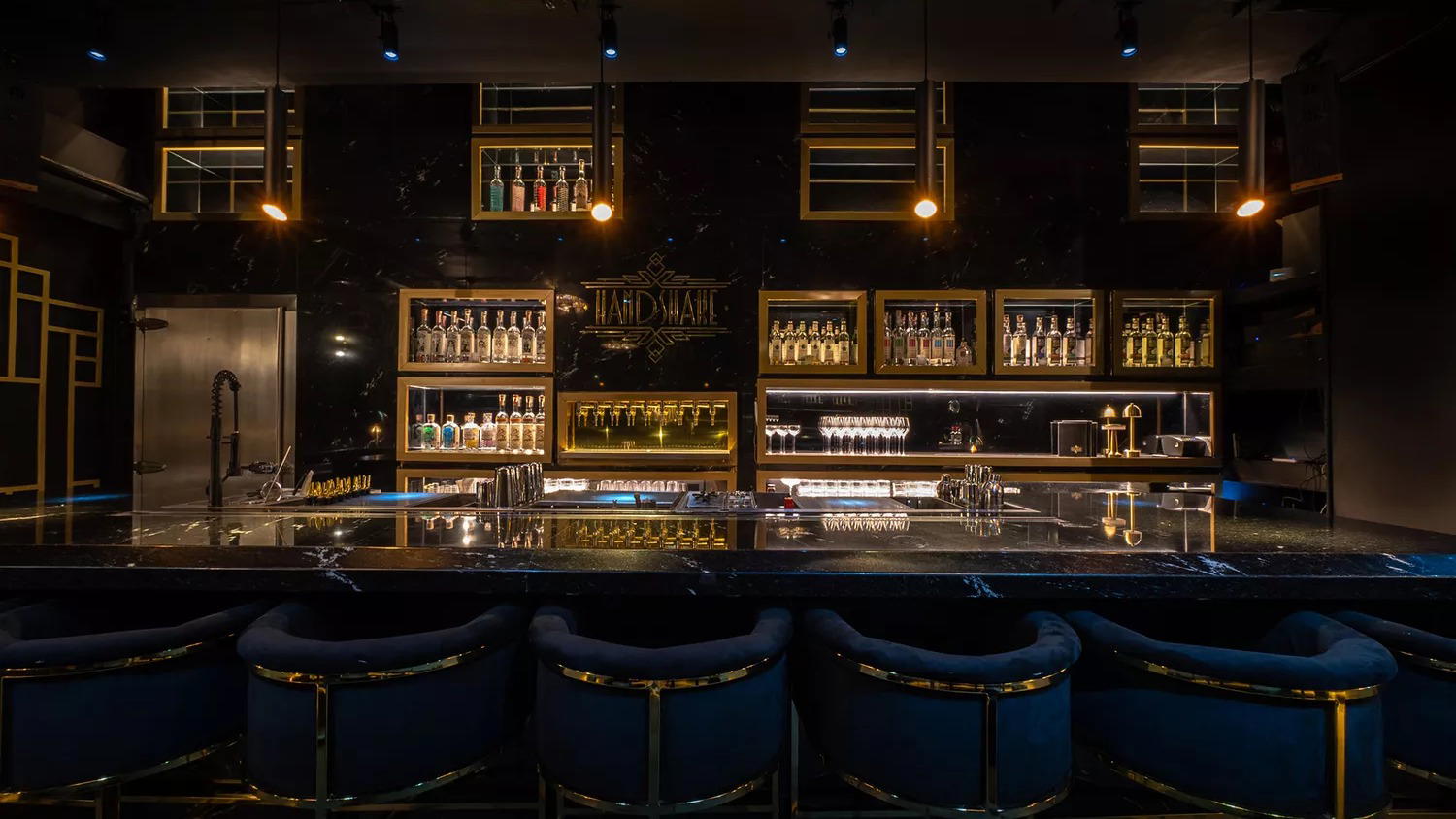
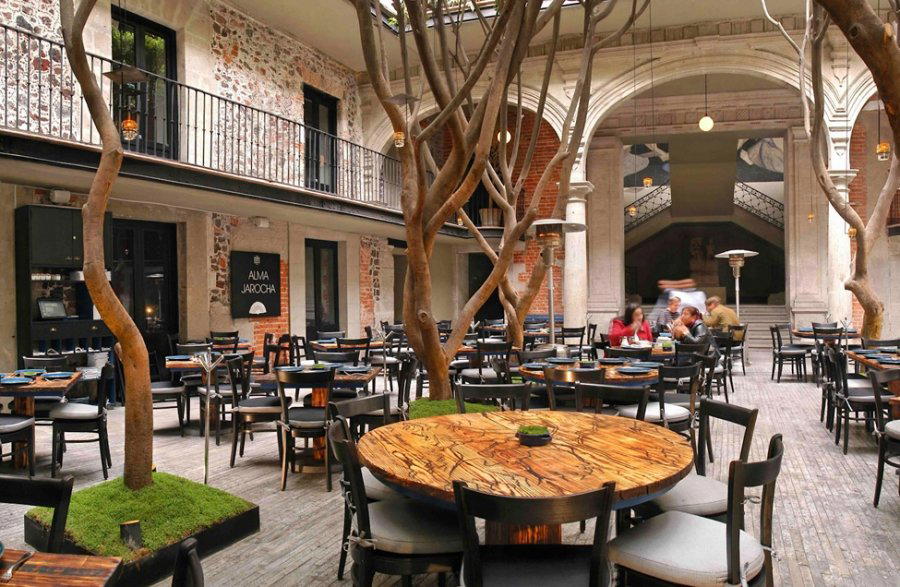
Warm lighting and rustic décor in a converted historic house with both indoor and outdoor spaces that evoke a homey, intimate Italian atmosphere.
Know Before You Go
- Getting there
- Santa María La Ribera 138, Sta María la Ribera, Cuauhtémoc, 06400 Ciudad de México, CDMX, Mexico