
Tabelog 100 #73
Our verdict
Mango Ya gives Miyazaki’s dining map a useful counterpoint: Thai, curry, and izakaya habits filtered through local ingredient language rather than imported template cooking. Its repeat selection for Tabelog’s Asian and ethnic cuisine WEST 100 places a compact Tachibanadorihigashi room inside a category usually dominated by larger urban markets.

Pearl is the En Primeur Club membership app — saves, bookings, and concierge access live there. Same editors, same standards.
- Address
- Japan, 〒880-0805 Miyazaki, Tachibanadorihigashi, 3 Chome−6−3 冨山ビル 2F
- Phone
- +81 985-31-2586
- Hours
- Mon–Sat 6–11 PMSun 6–10 PM
- Website
- tabiiro.jp
- Directions
- Get directions
- Booking
- Book on the venue's website
The menu
What to order
- Tom Yum Kung
- Gapao rice
- Khao Man Gai
- Pad Thai
- Spice curry
In Miyazaki, Mango Ya reads more like a small-city izakaya than a formal destination restaurant: casual in tone, evening-oriented in feel, and shaped for the kind of low-friction night out that suits the city. That matters because Miyazaki’s restaurant culture is built less around spectacle than comfort, drinking, and accessible rooms, with local dining habits doing more work than imported ceremony.
Mango Ya sits between category and place. The listed categories are Thai, curry, and izakaya, a combination that immediately places it outside a single-lane restaurant identity. In Miyazaki, that kind of hybrid tag lands differently than it might in a larger city with a denser dining scene. The point is not to overstate a strict regional claim, but to recognize how a Thai-and-curry framework can function inside an everyday Japanese tavern setting.
That gives the restaurant its editorial relevance. Miyazaki has local-comfort anchors, including Aji no Ogura Honten, alongside other small-room dining and more formal options such as Chinese Sen. Mango Ya belongs to another strand: urban, drink-friendly, casual, and not trying to mimic Tokyo’s tasting-menu economy.
Thai structure, curry reference, izakaya rhythm
Japan’s better regional Asian restaurants often avoid two traps: total domestication, where chilli, acid, herbs, and funk are softened until the cuisine loses its grammar; and museum-style authenticity, where proving correctness overtakes feeding the city. Mango Ya suggests a third route: Thai and curry frameworks in an izakaya cadence, with Miyazaki as the setting that gives the format its local read.
The izakaya identity is important because it changes how the category is received. This is not simply a Thai restaurant label transplanted into a regional capital, nor just a curry room with a broader menu. The tavern component implies flexibility, conversation, and food that can work across different appetites. In Miyazaki, where drinking culture and relaxed dinners matter, that makes the restaurant easier to understand without flattening its Thai and curry references.
The recognition signal matters. Mango Ya appears in the 2024 Tabelog Hyakumeiten material with a listed score of 3.68 and a dinner budget of JPY 3,000 - JPY 3,999. For a Miyazaki restaurant in the Thai, curry, and izakaya categories, that places it in a useful editorial zone: recognized enough to register beyond routine listing data, but still positioned as a mid-range evening option rather than luxury dining.
That context reveals more than a cuisine label. Miyazaki’s spectrum runs from casual local institutions to more formal rooms, with other dining in the city filling different parts of the day and different budgets. Mango Ya is evening-coded and category-blending, but not luxury. It occupies the band where value, drinks, and cooking identity must align for residents as much as for visitors.
Why the category matters in a small regional capital
In Tokyo or Osaka, Thai food can be judged against dense peer networks: regional specialists, casual counters, late-night curry rooms, and high-volume casual chains. Miyazaki’s thinner field shifts the standard. A restaurant in this category must carry several functions at once: dinner, drinks, spice, shared plates, and an alternative to both familiar local comfort and Westernized dining.
That is where the izakaya component becomes more than a tag. Izakaya format in Japan is a social technology: flexible ordering, mixed drinking groups, and food that tolerates both appetite and conversation. Paired with Thai and curry references, it can make assertive seasoning easier for a broad local audience. The format lowers the barrier without turning the restaurant into a formal occasion. In a city where visitors may expect familiar local specialties, this expands the itinerary without forcing a ceremonial detour.
Price positioning also separates it from Miyazaki’s more expensive-feeling rooms. In the local comparison set, places such as Chinese Sen and saint M can serve different expectations, while Aji no Ogura Honten represents another kind of regional reference point. Mango Ya is neither bargain nostalgia nor ceremony-first occasion dining. It is the mid-range room that often tells a more current city story: where residents test new flavors, bring friends, and fold non-Japanese cuisines into ordinary nights out.
For travelers building a wider Miyazaki plan, that distinction helps. The city’s restaurant map should not be reduced to one local specialty, just as its travel appeal should not be reduced to a single postcard image. A useful itinerary might pair a local institution with a sharper contemporary dinner, then use the wider guides for context: Our full Miyazaki restaurants guide, Our full Miyazaki hotels guide, Our full Miyazaki bars guide, Our full Miyazaki wineries guide, and Our full Miyazaki experiences guide. Mango Ya earns its place because it shows another side of Miyazaki dining without leaving the city’s casual rhythm.
How it fits a Japan-wide eating itinerary
Japan’s regional dining is often strongest when it avoids copying the capital. Across the country, memorable meals can come from local classics, casual counters, specialist curry rooms, izakaya formats, and small restaurants that speak through local appetite rather than national uniformity. The same logic applies here: Mango Ya is best read as a Miyazaki restaurant first, not as a substitute for a big-city Thai dining scene.
That broader frame explains why cross-category comparisons help, even when the names are left aside. Other Japanese cities show how Asian cuisines, curry formats, and casual contemporary dining can settle into local habits rather than arrive as pure replicas. Outside Japan, Japanese formats are often adapted abroad in the same way. Mango Ya’s value is quieter: it adapts Thai and curry language inside Miyazaki’s own casual dining culture.
The practical read is simple. This is a Miyazaki restaurant listed in the Thai, curry, and izakaya categories, with Tabelog Hyakumeiten recognition in 2024 and a dinner budget of JPY 3,000 - JPY 3,999. Its strongest case is not ceremony; it is specificity of category and place. In a city where many visitors arrive looking for local staples, Mango Ya offers a different register for an evening meal.
Frequently asked questions
Where do I go for Mango Ya?
Miyazaki.
When is Mango Ya open?
Current opening hours for Mango Ya should be confirmed directly with the restaurant.
What should I budget for a meal at Mango Ya?
Pricing at Mango Ya is listed as JPY 3,000 - JPY 3,999.
What is Mango Ya known for?
Mango Ya is listed in the Thai, curry, and izakaya categories in Miyazaki, with Tabelog Hyakumeiten recognition in 2024.
Fast Comparison
Nearby venues at a similar price tier for orientation.
| Venue | Cuisine | Price | Awards | Notes |
|---|---|---|---|---|
| Mango YaThis venue — the venue you are viewing | Thai cuisine with local Miyazaki ingredients | $20–30 | Tabelog 100 #73 | Not listed |
| かつれつ軒 | Japanese Tonkatsu | $1–10 | Not listed | 神宮 |
| GIGLI | Seasonal Italian Fine Dining | $100–150 | Tabelog 100 #48 | Chuo-dori / Miyazaki City Center |
| 幸魚 | Kaisen Kaiseki (Seafood Kaiseki) | $100–150 | Not listed | central Miyazaki |
| GRILL Ranman | Japanese‑style Western grill (yoshoku) | $10–20 | Tabelog 100 #36 | Not listed |
| Heike no Sato Shinbeppu ten | Japanese yoshoku & hamburger steak | $10–20 | Tabelog 100 #12 | .null |
Recognition history
Dated appearances from independent guides and award organizations, with the underlying list record or original source where available.
Tabelog 100 #73 · No. 73
Tabelog · Tabelog 100 - Asian cuisine / Ethnic cuisine - WEST - 2024
Continue exploring
More in Miyazaki
Details
- Cozy
- Intimate
- Lively
- Solo
- Casual Hangout
- Date Night
- After Work
- Group Dining
- Standalone
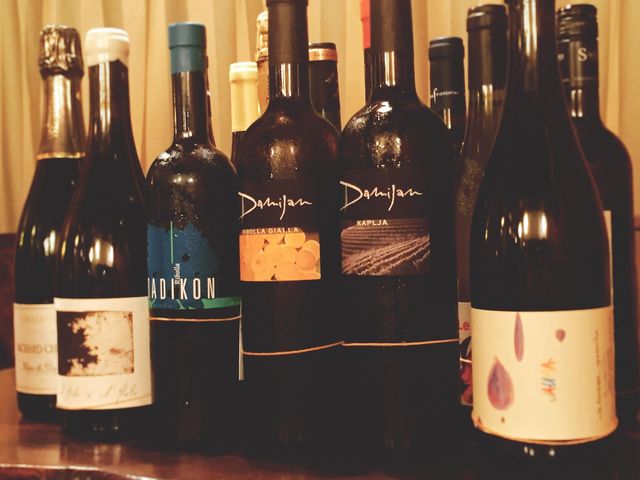
- Natural Wine
- Local Sourcing
- Natural Wine
- A La Carte
- Small Plates
- Natural Wine
- Shochu
Current opening hours
- Monday
- 6–11 PM
- Tuesday
- 6–11 PM
- Wednesday
- 6–11 PM
- Thursday
- 6–11 PM
- Friday
- 6–11 PM
- Saturday
- 6–11 PM
- Sunday
- 6–10 PM
Hours can change for holidays and private events. Last verified .
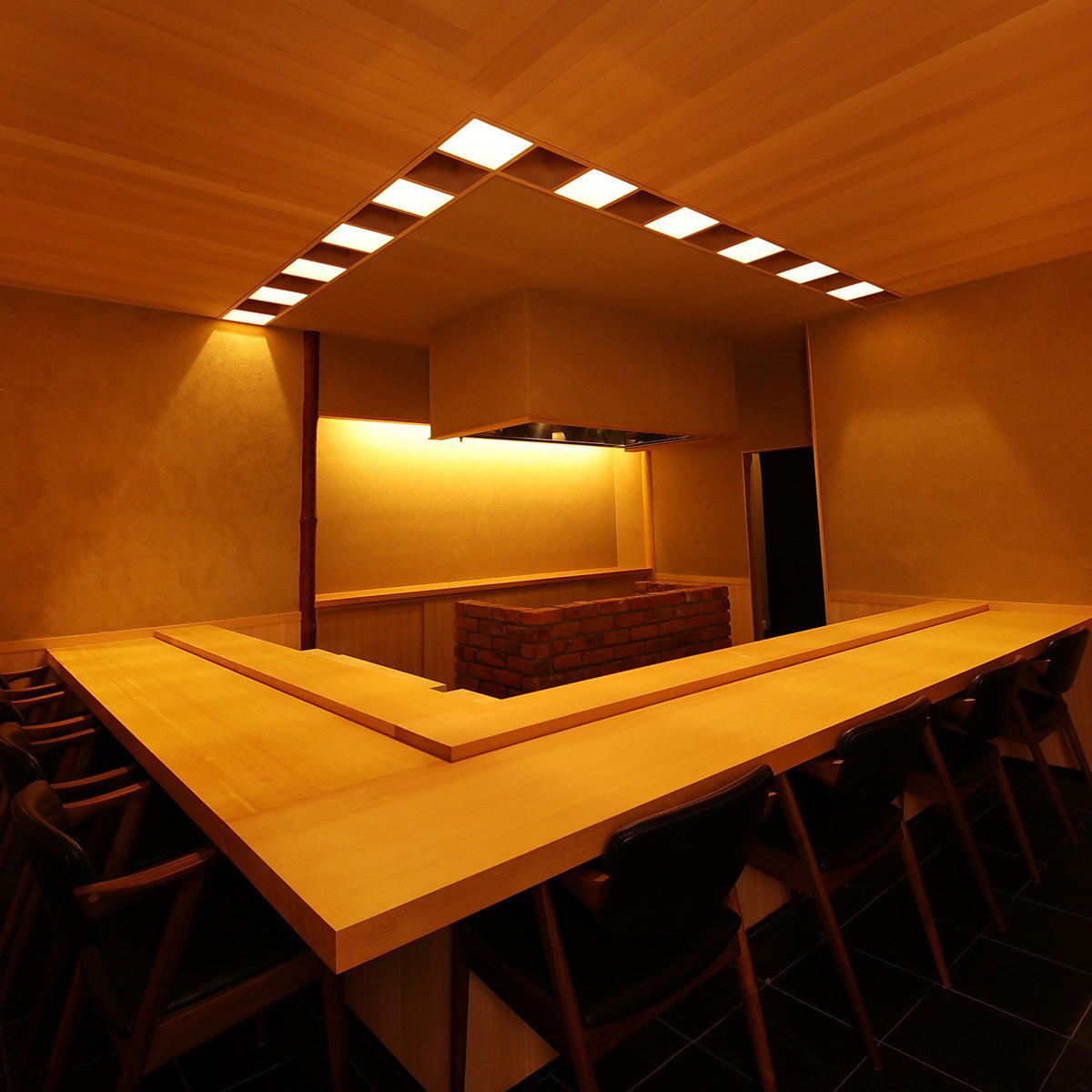
Compact, cozy second-floor space where the aroma of Thai spices fills the room, creating a casual, lively bar-like atmosphere suited to solo diners and small groups rather than formal dining.