Prorizna Street and the Case for Georgian Comfort in Kyiv Prorizna Street runs through the heart of Kyiv's central district, a compact artery connecting Khreshchatyk to the quieter residential blocks above it. The area has accumulated a dense...
 Discover on Pearl
Pearl is the En Primeur Club membership app — saves, bookings, and concierge access live there. Same editors, same standards.
- Address
- Prorizna St, 22, Kyiv, Ukraine, 01034
- Phone
- +380737770904
- Website
- mamamanana.com.ua
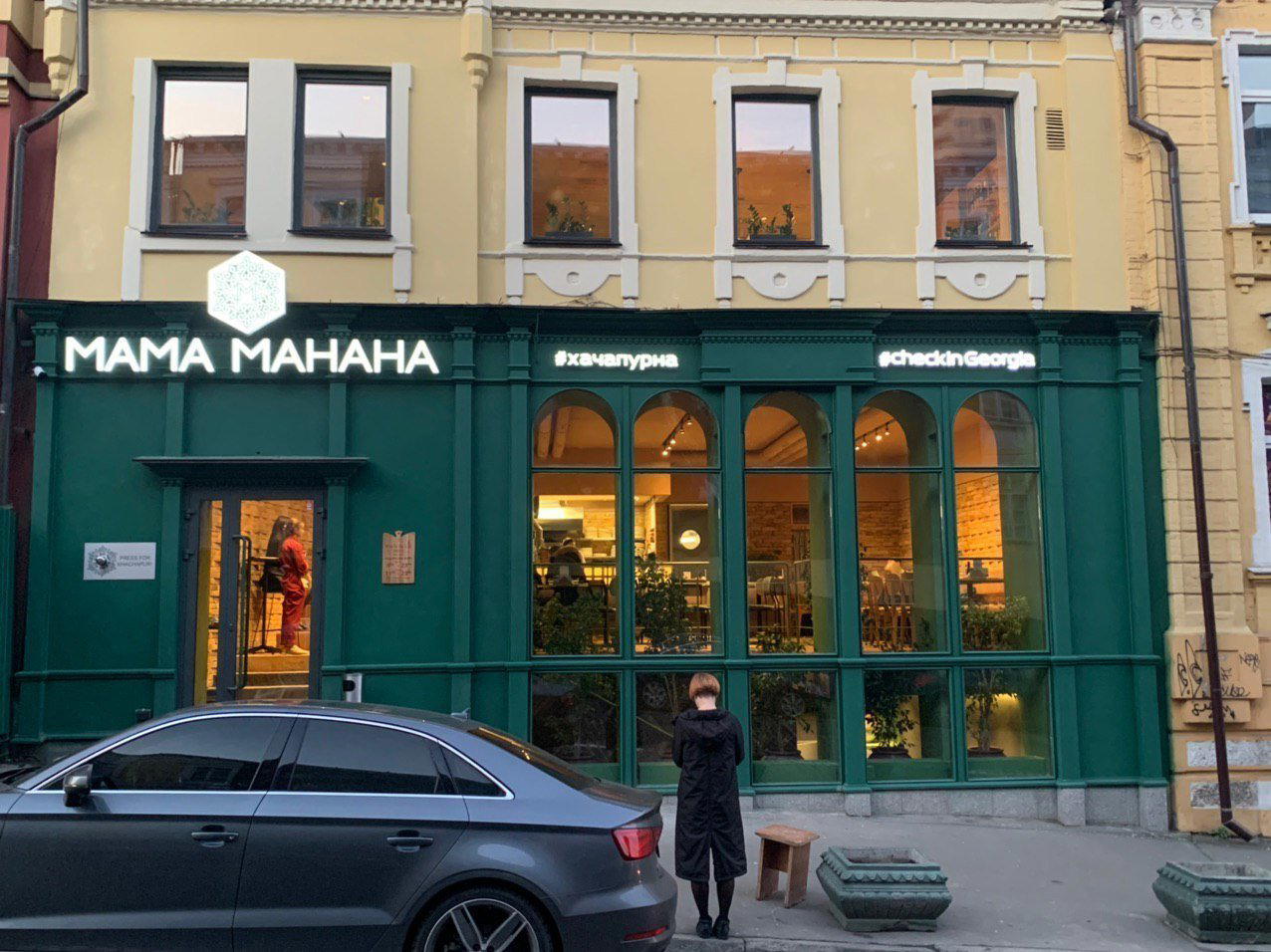
Prorizna Street and the Case for Georgian Comfort in Kyiv
Prorizna Street runs through the heart of Kyiv's central district, a compact artery connecting Khreshchatyk to the quieter residential blocks above it. The area has accumulated a dense layer of restaurants over the past decade, ranging from fast-casual operations to more considered dining rooms that draw regulars from across the city. Within that mix, Georgian cuisine occupies a particular position: familiar enough to feel like comfort food for most Ukrainians, yet structured around a distinct culinary grammar that rewards closer attention. Mama Manana Prorizna is a Georgian restaurant at Prorizna St, 22 in Kyiv, with a casual dress code, recommended reservations, and an average spend of about $25 per person.
Georgian restaurants in Ukrainian cities tend to cluster around a recognisable set of dishes, and the menu architecture at most of them reflects a logic of abundance rather than restraint. The format is typically broad: cold appetisers, bread-centred starters, meat-heavy mains, and a handful of regional specialties that vary by the kitchen's ambitions. What separates more considered Georgian kitchens from the generic is how they sequence those elements and whether the menu reads as a coherent argument about the cuisine or simply a list. At this address, the name itself signals a domestic register, "Mama Manana" invoking the Georgian matriarchal kitchen tradition where recipes are inherited rather than invented.
Menu Architecture and What It Suggests
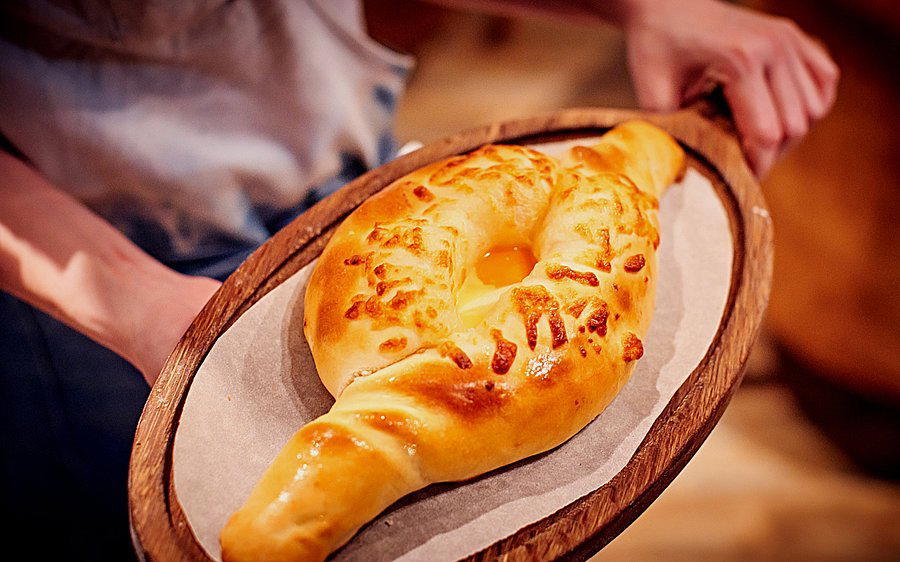
The menu structure at Georgian restaurants of this type typically organises around bread as an anchor. Khachapuri appears in multiple regional variants, Adjarian, Imeritian, Mingrelian, and the presence or absence of those distinctions tells you something about how seriously a kitchen is engaging with the cuisine. A restaurant that serves only one generic khachapuri is making a different editorial statement than one that differentiates by region, cheese style, and dough thickness. The same logic applies to khinkali: the number of folds, the broth-to-meat ratio, and whether the kitchen distinguishes between Tbilisi-style and mountain-style dumplings are all signals worth reading.
Beyond bread and dumplings, the cold table in a Georgian restaurant tends to be where the kitchen's sourcing instincts show. Pkhali, the compressed walnut-and-herb vegetable preparations, requires good walnuts and a genuine understanding of spice balance. Badrijani nigvzit, the rolled aubergine with walnut paste, is similarly simple in concept and entirely dependent on execution. These dishes are not technically demanding in a Western fine dining sense, but they are unforgiving when made carelessly. A menu that prices these correctly and presents them with care is usually running a kitchen that takes the cuisine seriously rather than treating it as a backdrop for wine sales.
Kyiv's Georgian restaurant scene has matured considerably since the early 2010s, when the category was dominated by large, banquet-style rooms built for celebration dining. The current generation of addresses tends toward smaller formats, tighter menus, and a more considered drinks programme that includes Georgian natural wines alongside the standard list. That shift mirrors what has happened in cities like Tbilisi itself, where younger restaurants are reframing traditional dishes in a more deliberate way without abandoning the generosity that defines the cuisine at its core.
Where This Fits in the Kyiv Dining Picture
Kyiv's central restaurant belt is dense and competitive. The comparison venues operating in similar territory include addresses like Kanapa, which positions itself at the more formal end of Ukrainian and European cooking, and Al Fresco, which brings a Tuscan Italian frame to the local market. Georgian cuisine sits between these poles: it carries genuine regional identity without requiring the kind of tasting-menu commitment that some of the more formal European rooms demand. That positioning makes Georgian restaurants like this one useful for a specific type of evening: longer than a quick dinner, less ceremonial than an occasion restaurant, and built around a format where the table orders collectively rather than individually.
For visitors building a broader picture of eating in Kyiv, the Georgian strand is worth understanding as a category. It is not a shortcut or a fallback; at its better addresses, it represents one of the more coherent regional cuisines available in the city, with a logic of flavour combination (walnut, fenugreek, marigold, tarragon) that is genuinely distinct from both Ukrainian and Western European cooking. If your Kyiv itinerary is already including stops at places like 32 JazzClub, Asia Bar & Grill, or Barbara Bar, a Georgian room like this one offers a different register entirely. It is slower, more communal, and built around a different kind of generosity.
Those planning to eat more widely across Ukraine will find useful reference points in the EP Club coverage of Maiak in Odesa, Valentino in Lviv, and Don Omar in Kharkiv, each of which operates in a distinct regional context. For a fuller map of what Kyiv's restaurant scene currently offers, the EP Club Kyiv restaurants guide provides the broader frame. Further afield, addresses like Delikacia in Ivano Frankivsk, Kovcheg in Ternopil, and Melange in Rivne give a sense of how dining quality is distributed across Ukrainian cities outside the capital.
Planning a Visit
Mama Manana Prorizna is located at Prorizna Street 22, in central Kyiv, within easy walking distance of Khreshchatyk metro station. The address places it in a part of the city that is direct to reach from most central hotels and from the areas around Maidan Nezalezhnosti. As with most Georgian restaurants in this tier, the format suits groups of two to four people who want to order across the menu rather than a single dish each. Booking ahead is advisable for weekend evenings given the density of demand in this part of the city centre.
- khachapuri
- khinkali
- chacha
- syrniki
- medovik
- napoleon
Credentials Lens
Comparable venues nearby, for context on price, style, and recognition.
| Venue | Cuisine | Price | Awards | Notes |
|---|---|---|---|---|
| Mama Manana ProriznaThis venue — the venue you are viewing | Georgian | $$ | , | |
| Mama Gochi | Authentic Georgian (Telavi Regional) | $$ | , | Pechers'kyi |
| Hutorets na Dnipri | Modern Ukrainian | $$$ | , | Podil |
| Musafir | Crimean Tatar | $$ | , | Downtown |
| Kuvshyn | Authentic Georgian Caucasian Cuisine | $$ | , | Olimpiiska |
| ORANG+UTAN | Vegetarian Sandwich Bar | $ | , | Zoloti Vorota |
At a Glance
- Lively
- Rustic
- Elegant
- Cozy
- Group Dining
- Date Night
- Family
- Casual Hangout
- Celebration
- Open Kitchen
- Terrace
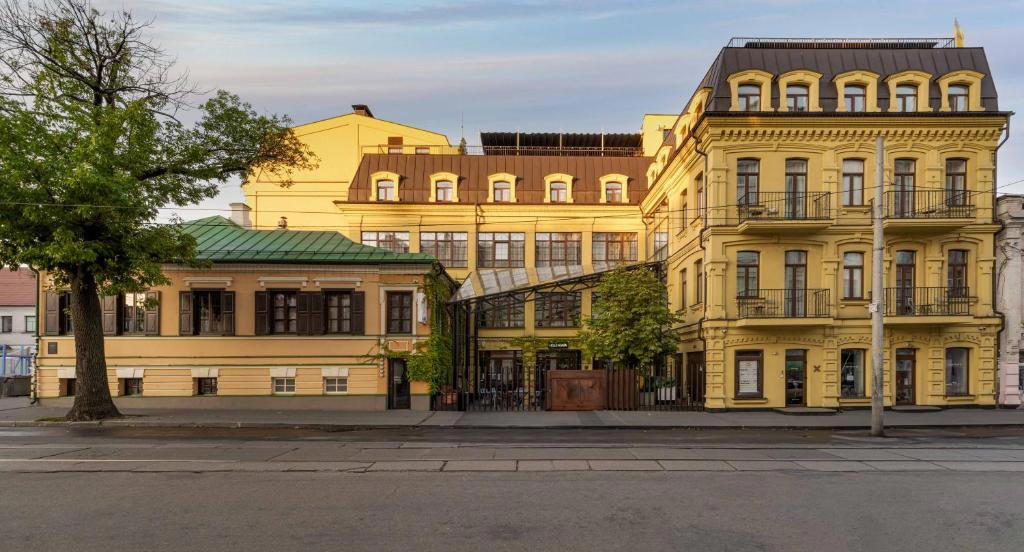
- Historic Building
- Standalone
- Beer Program
- Street Scene
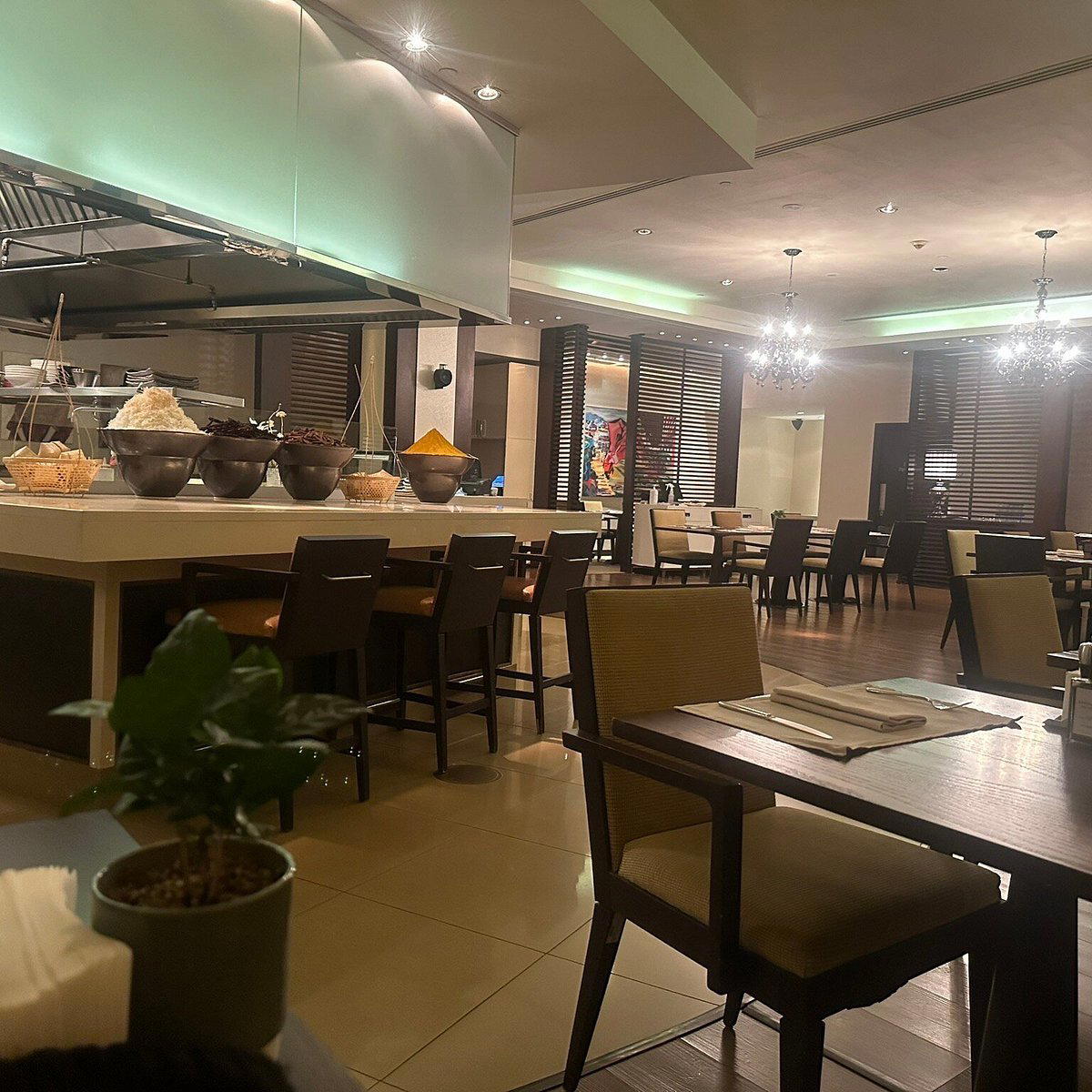
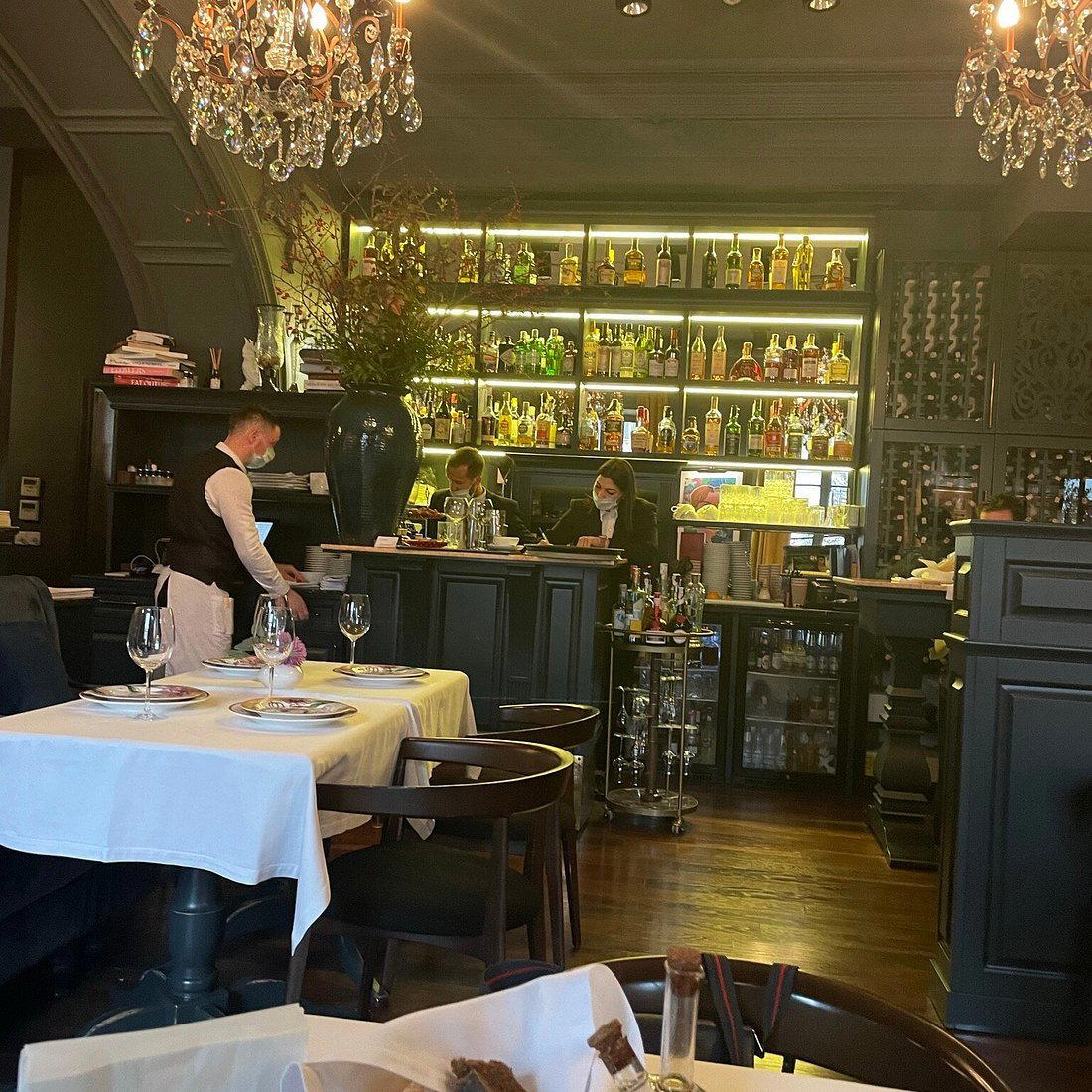
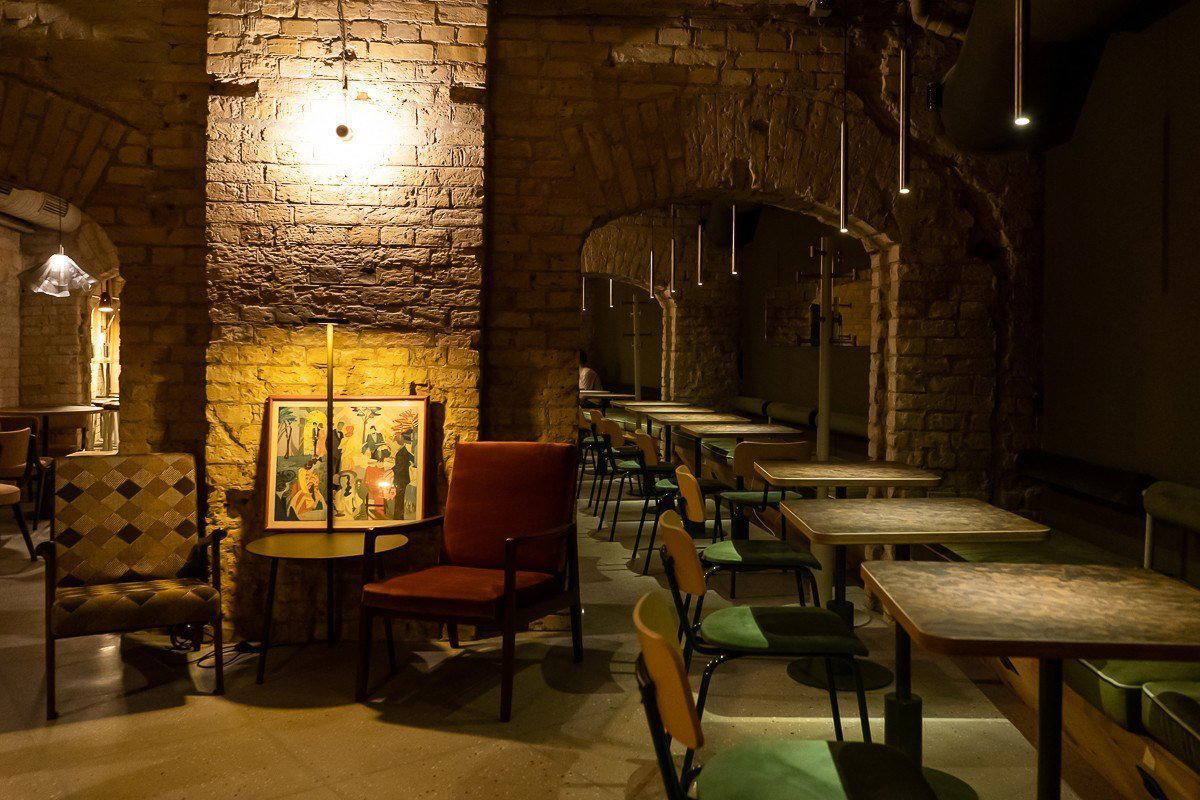
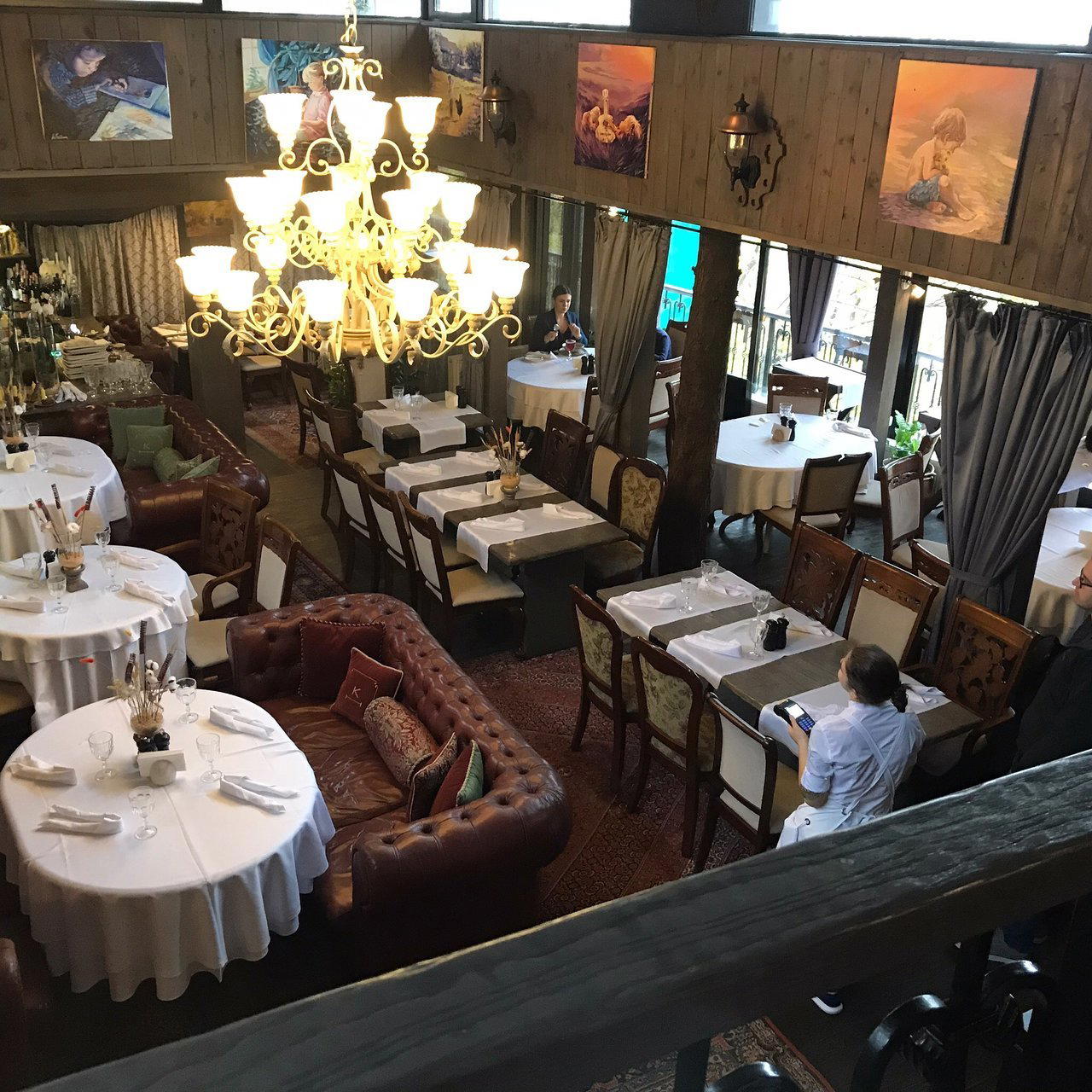
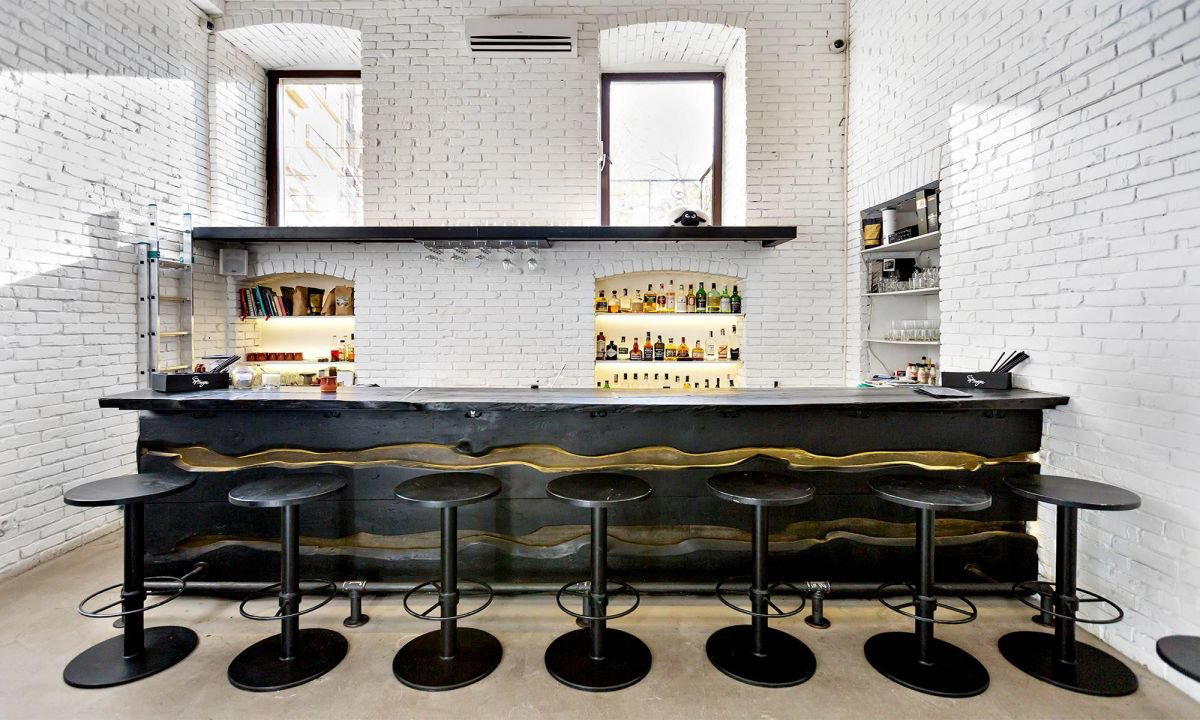
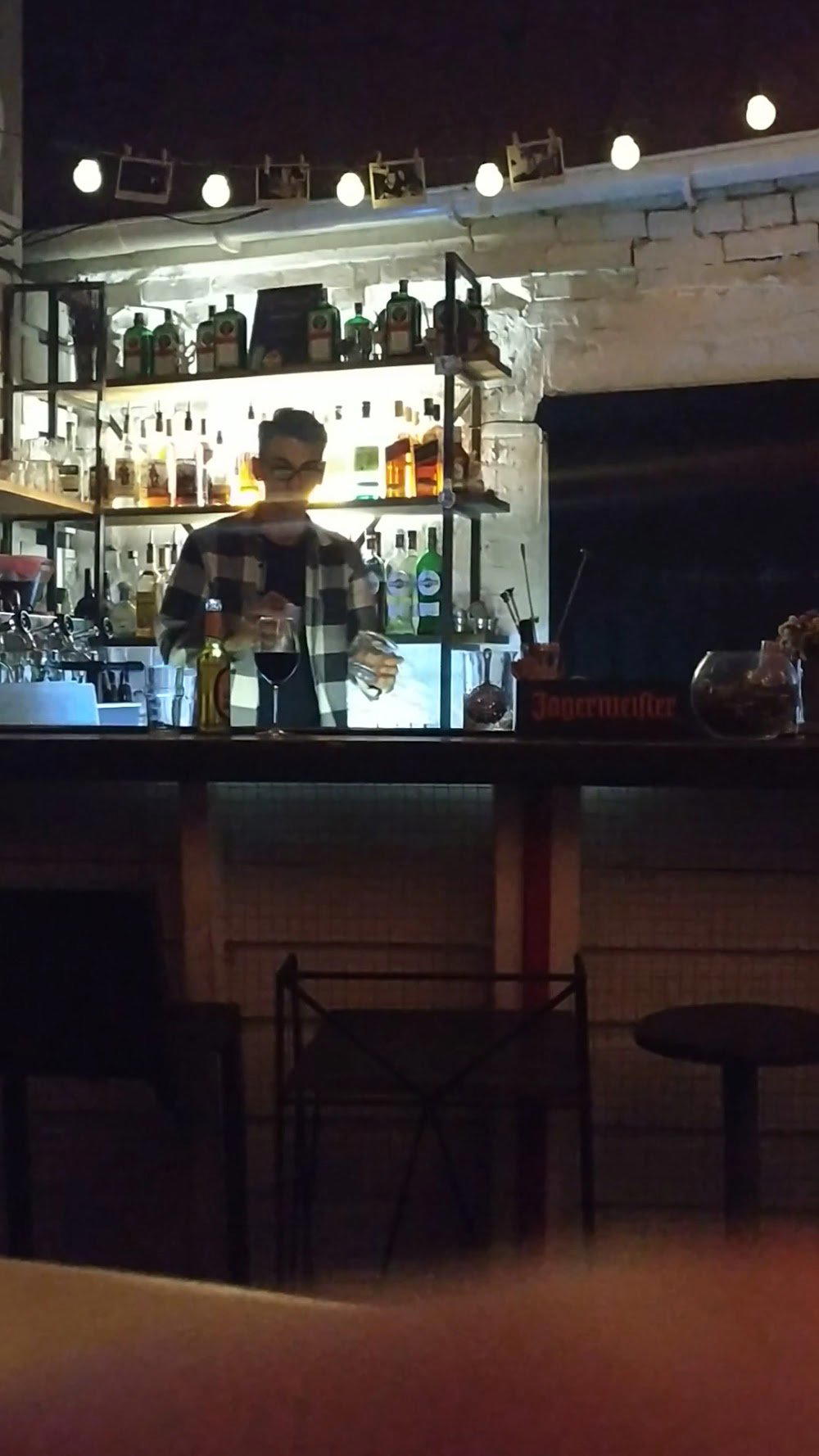
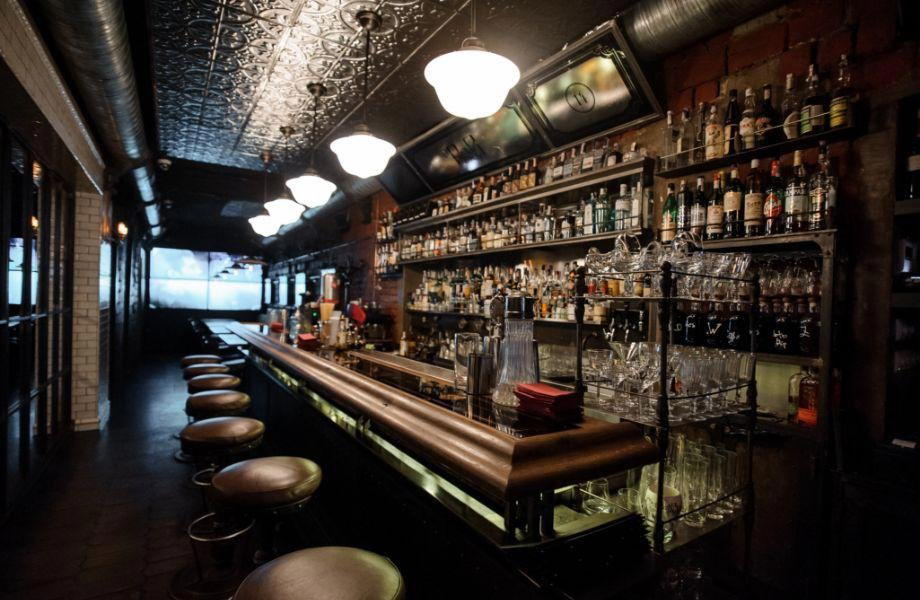
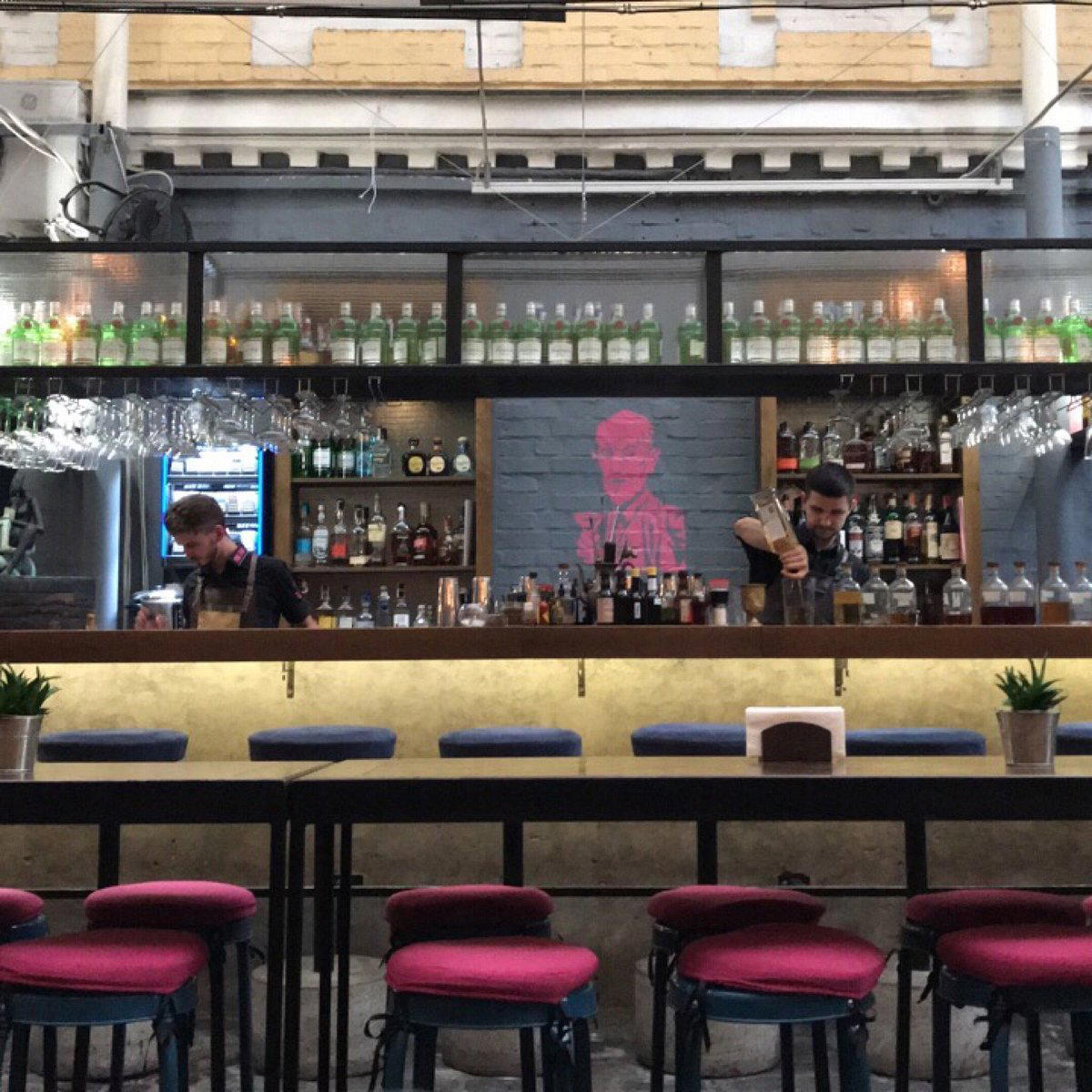
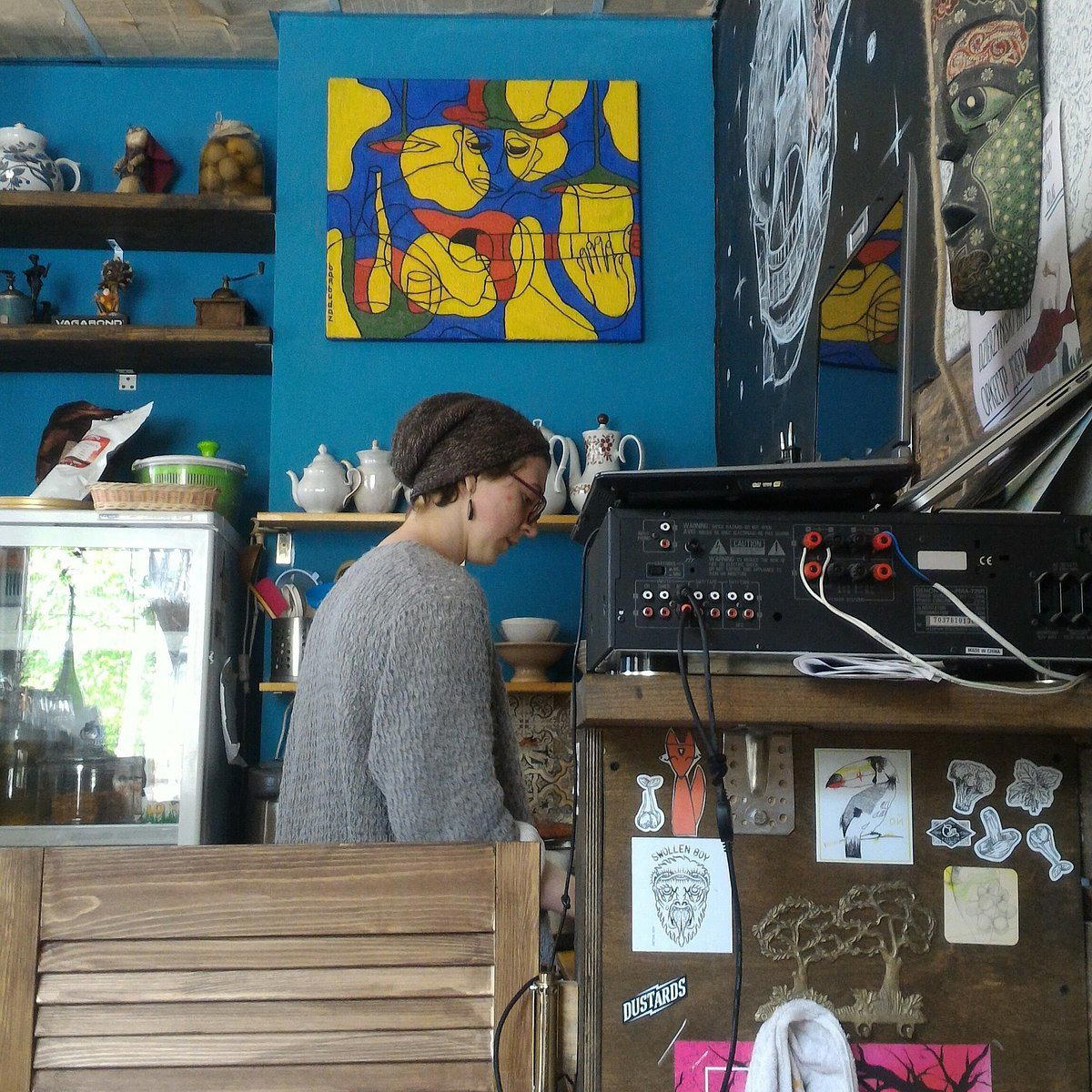
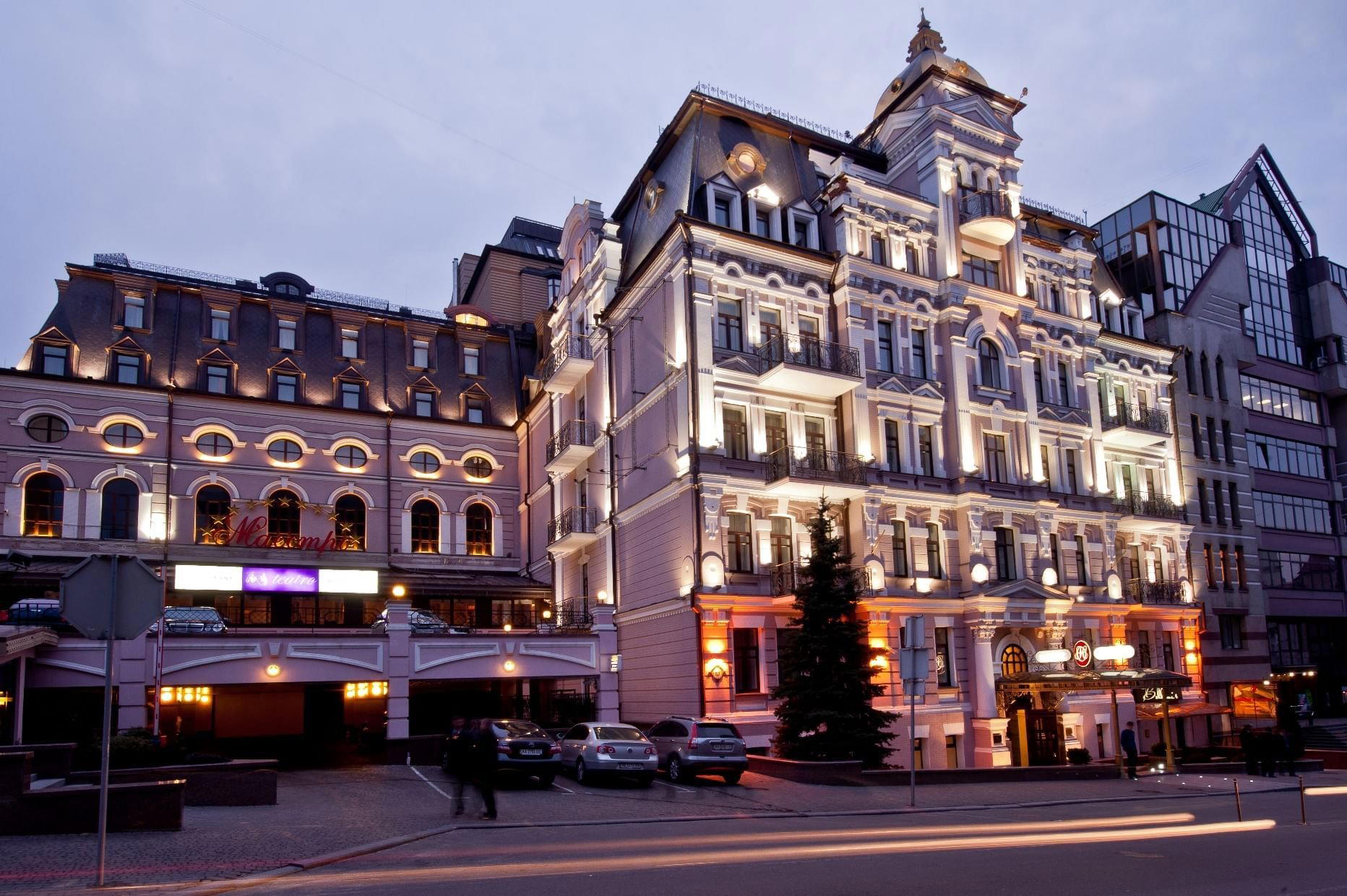
Warm and inviting with brick walls, natural lighting from the open kitchen, and a vibrant yet comfortable atmosphere that reflects Georgian hospitality traditions.
- khachapuri
- khinkali
- chacha
- syrniki
- medovik
- napoleon