Malabar Beyond India
Our verdict
Malabar Beyond India brings subcontinental cooking to Taupo's town centre, working within a regional dining scene more associated with lake views and New Zealand lamb than Indian spice traditions. Located at 2/40 Tūwharetoa Street, it represents the kind of specialist operator that provincial New Zealand towns increasingly support — a focused kitchen drawing on the depth of a cuisine that extends far beyond the curry-house template most diners expect.

Pearl is the En Primeur Club membership app — saves, bookings, and concierge access live there. Same editors, same standards.
- Address
- 2/40 Tūwharetoa Street, town center, Taupō 3330, New Zealand
- Phone
- +64 7 281 7011
- Hours
- Thu 10:30 am–10 pm
- Website
- malabartaupo.com
- Directions
- Get directions
- Booking
- Book on the venue's website
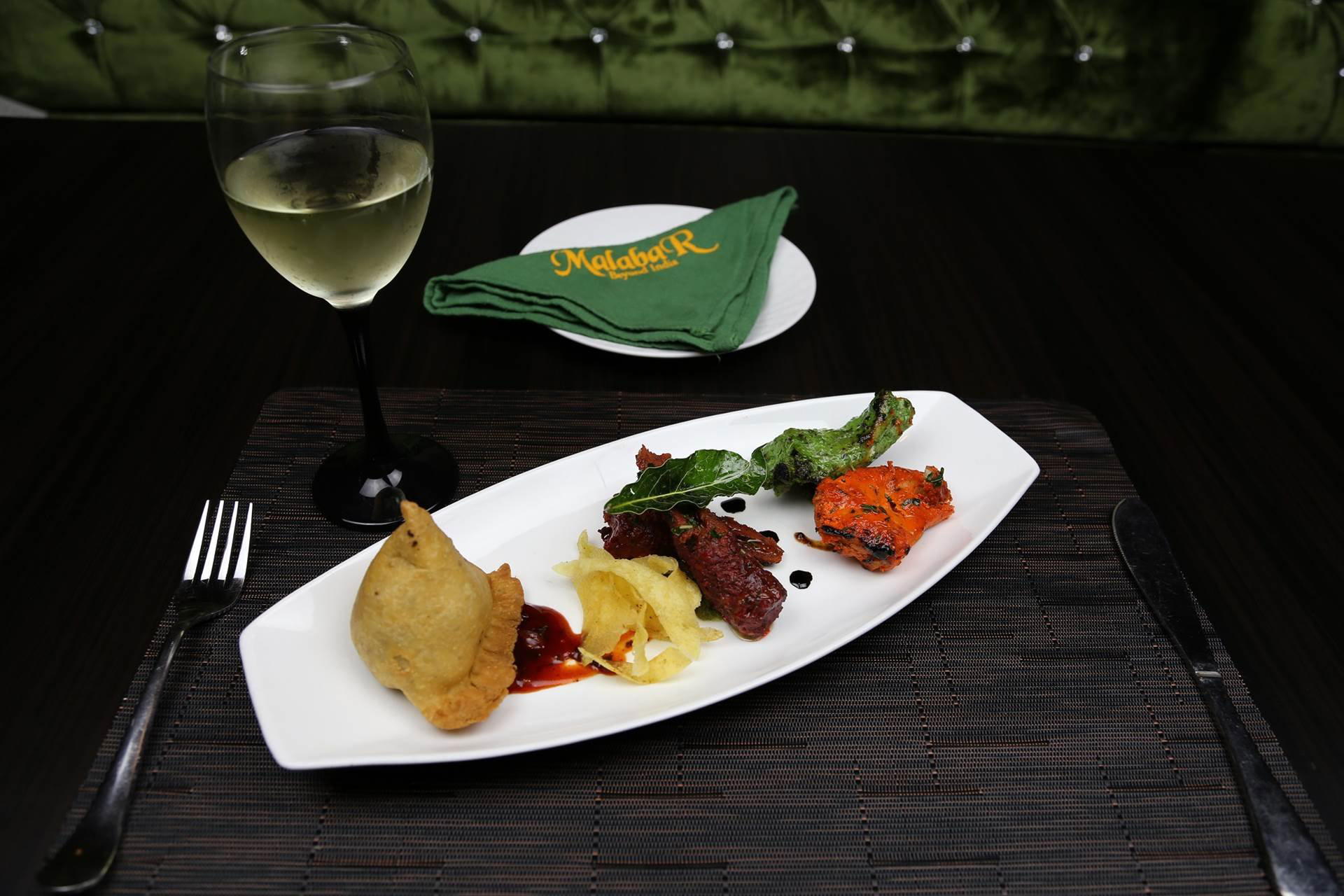
The menu
What to order
- Steam Mo:Mo
- Chicken Lollypop
- Duo Lamb
- Butter Chicken
Indian cooking in the Central Plateau: what Taupo's restaurant scene now accommodates
Taupo sits at the geographic centre of New Zealand's North Island, a town defined for most visitors by the lake, the Tongariro crossing, and a dining scene that has historically tracked those priorities: whitebait fritters, lamb racks, local trout. The emergence of a serious Indian kitchen at 2/40 Tūwharetoa Street — in the town centre, within walking distance of most accommodation clusters — signals something worth noting about how provincial New Zealand restaurants are broadening. Across the country, from Fife Lane in Mount Maunganui to Cod and Lobster in Nelson, smaller cities are sustaining more specialist kitchens than the population figures might suggest. Malabar Beyond India fits that pattern, occupying a niche in Taupo where no obvious direct competitor exists at the same level of subcontinental focus.
The sourcing logic behind "Beyond India"
The name carries an editorial point worth taking seriously. The subcontinent's culinary geography is vast: the coconut-milk curries of the Malabar coast (today's Kerala) share almost nothing with the tandoor-heavy Punjabi north, or the tamarind-sour traditions of Tamil Nadu, or the mustard-oil fish preparations of Bengal. A kitchen that frames itself as going "beyond" the standard template is implicitly claiming a broader sourcing and spice vocabulary than the korma-tikka masala axis that dominates mainstream Indian restaurants in English-speaking markets.
Ingredient sourcing matters here for a specific reason. Authentic subcontinental cooking depends on a supply chain, curry leaves that arrive fresh rather than dried, mustard seeds of the right pungency, ghee of the right fat profile, dried chillies with specific heat and flavour characteristics, that is genuinely difficult to maintain in a landlocked provincial town like Taupo. Kitchens that do this well either source from Auckland's specialist importers on a regular rotation or maintain direct supplier relationships. The distance between Taupo and the nearest major port city (Auckland is roughly 280 kilometres north) means that ingredient quality is an active operational discipline, not a passive given. Readers assessing any Indian kitchen in a provincial New Zealand town should factor this in: the gap between a kitchen that sources carefully and one that relies on shelf-stable pastes is detectable on the plate.
The Malabar coast reference in the name points specifically toward southern Indian traditions, a cuisine that is rice-based rather than wheat-based, heavily reliant on coconut, tamarind, black pepper, and fresh curry leaves, and less dependent on the cream-heavy sauces that define northern Indian restaurant cooking in the West. If the kitchen follows through on that framing, the menu is likely lighter and more acidic in character than diners conditioned by the northern-Indian-dominated restaurant mainstream will expect. For the New Zealand context, where dairy-rich north Indian dishes have historically dominated the category, a southern-focused kitchen represents a genuine differentiation.
Where Malabar sits in Taupo's dining picture
Taupo's dining options are spread across a compact town centre and the lake-facing strip. The dominant idiom remains New Zealand produce cooked in broadly European frameworks, a structure visible across much of the country's restaurant culture, from Amisfield in Queenstown to Ahi in Auckland to the estate restaurants of Hawke's Bay like Craggy Range in Havelock North and Elephant Hill in Napier. Within that context, a kitchen working a non-European tradition occupies a distinct position. It is not competing against those restaurants for the same diner in the same meal decision, it is, instead, the answer to a different question entirely.
For visitors on multi-day stays around the lake or the Tongariro Alpine Crossing, palate fatigue with the prevailing New Zealand lamb-and-chardonnay template is a real phenomenon. The Tūwharetoa Street address puts Malabar Beyond India in walking distance of the central accommodation zone, which means it functions as a practical alternative on night two or three of a longer visit, not just a curiosity. For those staying at properties further afield, our full Taupo hotels guide maps the town's accommodation options alongside transport logistics.
Context: Indian restaurants in New Zealand's smaller cities
New Zealand's Indian restaurant sector has historically been concentrated in Auckland, Wellington, and Christchurch, where sufficient diaspora population sustains authentic ingredient supply chains and knowledgeable repeat customers. In smaller centres, the economics tend to push kitchens toward accessible crowd-pleasing formats rather than regional specificity. The fact that Malabar Beyond India positions itself through a specific geographic reference, the Malabar coast, rather than generically as an "Indian restaurant" suggests at minimum an intention to differentiate on those grounds. Whether execution matches positioning is a question of kitchen discipline and sourcing consistency that no external source can currently verify in detail.
Kitchens making a southern Indian claim in smaller markets are worth tracking for a simple reason: there are very few of them operating outside the major centres, and the cuisine itself, with its emphasis on fermented preparations (idli, dosa batters), fresh-ground wet masalas, and coconut-based gravies, rewards ingredient integrity in ways that are harder to obscure than the cream-based sauces of the Mughal-influenced north. The supply chain either delivers or it doesn't, and the result is legible on the plate. For context on how New Zealand's more destination-oriented restaurant experiences approach that same question of provenance, The Chef's Table at Blue Duck Station in Owhango and Otahuna Lodge Restaurant in Tai Tapu represent the farm-to-table pole of the New Zealand dining spectrum, a useful contrast to the import-chain discipline that a kitchen like Malabar must maintain instead.
Planning your visit
Malabar Beyond India is located at 2/40 Tūwharetoa Street in Taupo's town centre, accessible on foot from most central hotels and a short drive from lake-adjacent accommodation. Taupo is most visited between October and April, with peak pressure during the summer holiday period (late December through January) and around major events at the Taupo Motorsport Park. Booking ahead during those windows is advisable for any restaurant with limited covers. For those building a longer itinerary around the Central Plateau, our full Taupo restaurants guide covers the wider dining picture, while our Taupo bars guide, wineries guide, and experiences guide fill out the broader stay.
For comparison points on how specialist, non-European kitchens perform at the sharper end of the international market, Atomix in New York City and Le Bernardin represent what disciplined sourcing and culinary focus produce at full intensity, a different league in terms of resources, but the same underlying principle that ingredient provenance and culinary specificity are what separate a category operator from a generic one. Closer to home, Charley Noble in Wellington and The Bay House in Westport illustrate how New Zealand's non-metropolitan dining scene supports kitchens with genuine culinary conviction when the conditions are right. Blanket Bay in Glenorchy rounds out the picture of high-end New Zealand hospitality anchored to specific geography, a structural parallel, even if the cuisine and setting differ entirely.
Frequently asked questions
Is Malabar Beyond India a family-friendly restaurant?
The Tūwharetoa Street location in Taupo's town centre makes it accessible for families staying in central accommodation. Indian cooking's breadth of vegetarian and mild-spiced options typically suits mixed-age groups, though specific children's menus have not been documented. Checking directly before visiting is advisable if travelling with young children.
What's the vibe at Malabar Beyond India?
Malabar Beyond India sits in Taupo's compact town centre, a short walk from the lakefront, which sets a relaxed visitor-town register rather than a formal dining room atmosphere. The name signals editorial intent: this is a restaurant positioning itself against generic Indian-restaurant expectations, which tends to attract a crowd interested in the cooking rather than the occasion.
How does Malabar Beyond India differ from standard Indian restaurants in New Zealand's smaller cities?
Most Indian restaurants outside New Zealand's three main centres default to a north Indian menu built around tandoor breads, butter-based sauces, and familiar dishes that travel well across generalist audiences. The 'Beyond India' framing at this Taupo restaurant signals a deliberate move away from that template, with the Malabar reference anchoring the concept in southwest Indian coastal cooking. That distinction is significant in a city like Taupo, where the Indian restaurant sector is thin and regional specificity is rarely attempted.
What's the signature dish at Malabar Beyond India?
The name references the Malabar coast of southwest India, a region known for coconut-based curries, seafood preparations, and spice-forward cooking distinct from the north Indian dishes common in many New Zealand restaurants. That geographical framing is the clearest indicator of what the kitchen is likely emphasising.
Where is Malabar Beyond India located?
Malabar Beyond India is located at 2/40 Tūwharetoa Street, town center, Taupō 3330, New Zealand, Taupo.
Do they take walk-ins at Malabar Beyond India?
Booking policies for Malabar Beyond India have not been formally recorded. Taupo's dining scene peaks significantly during summer and around events linked to the Tongariro crossing and lake activity, so walk-in availability will vary by season. Contacting the restaurant directly before visiting is the most reliable approach.
What makes Malabar Beyond India worth seeking out?
Indian restaurants with a regional focus remain sparse outside Auckland, Wellington, and Christchurch, where diaspora populations have historically supported the sector. Malabar Beyond India brings that specificity to Taupo, a town where the default dining register skews heavily toward New Zealand produce in broad contemporary formats. The Malabar reference points to a culinary geography that most New Zealand restaurants don't attempt.
How It Stacks Up
Comparable venues nearby, for context on price, style, and recognition.
| Venue | Cuisine | Price | Awards | Notes |
|---|---|---|---|---|
| Malabar Beyond IndiaThis venue — the venue you are viewing | Nepalese and Indian Fusion | $30–50 | Not listed | Not listed |
| McDonald's Taupo | American Fast Food | $10–20 | Not listed | Taupo Central |
| Blue on Franklin | Modern New Zealand / Wine Bar | Not listed | Cuisine Good Food Guide Selection | Ponsonby |
| Family House Korean Restaurant | Korean BBQ & Chinese Hotpot Buffet | $30–50 | Not listed | Rotorua |
| Depot | Modern Kiwi Eatery | $30–50 | Cuisine Good Food Guide Selection | Auckland Central |
| Pasta & Cuore | Handmade Italian Pasta | $30–50 | Michelin Bib Gourmand · Cuisine Good Food Guide Selection | Mount Eden |
Continue exploring
More in Taupo
Restaurants in Taupo
Browse all →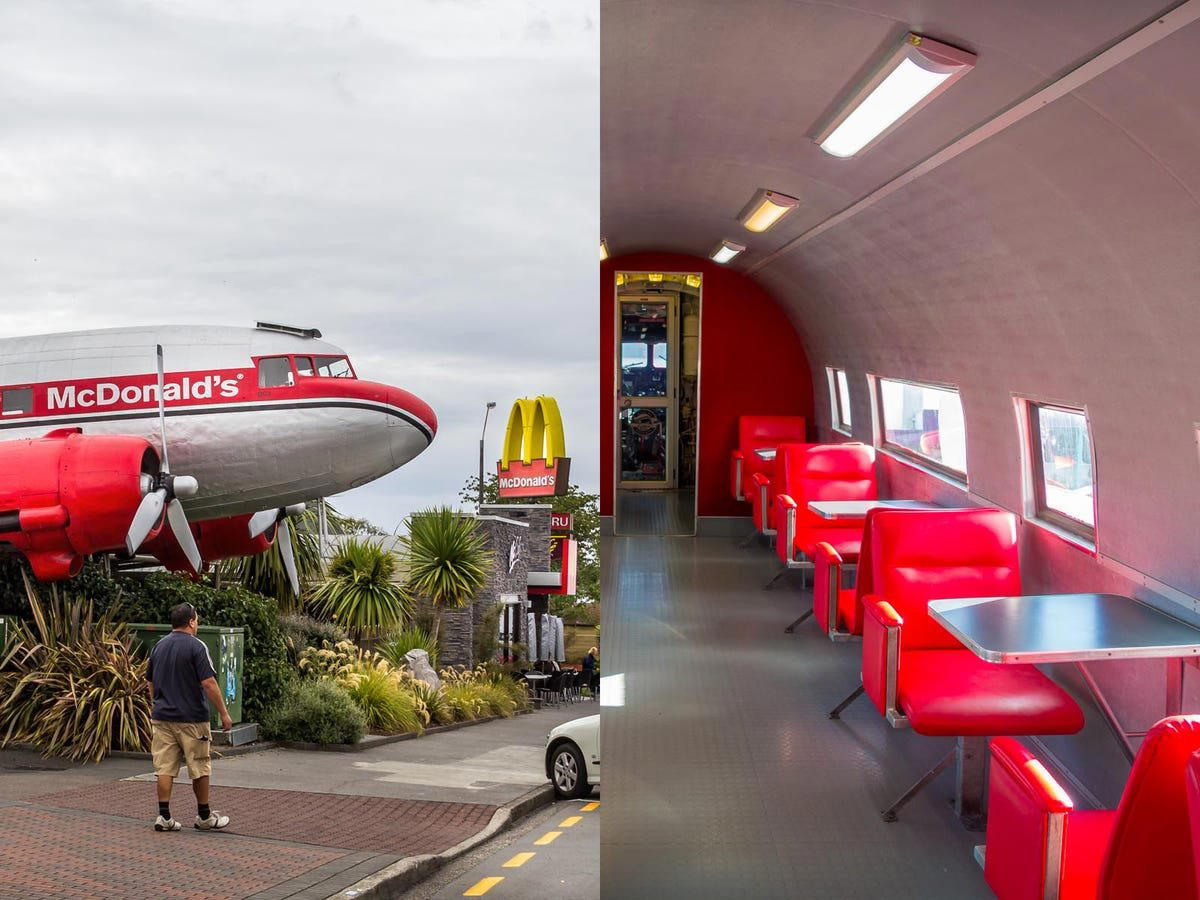




Details
- Cozy
- Intimate
- Warm
- Family
- Group Dining
- Date Night
- Open Kitchen
- Local Sourcing
- A La Carte
- Vegetarian Friendly
Current opening hours
- Thursday
- 10:30 am–10 pm
Hours can change for holidays and private events. Last verified .
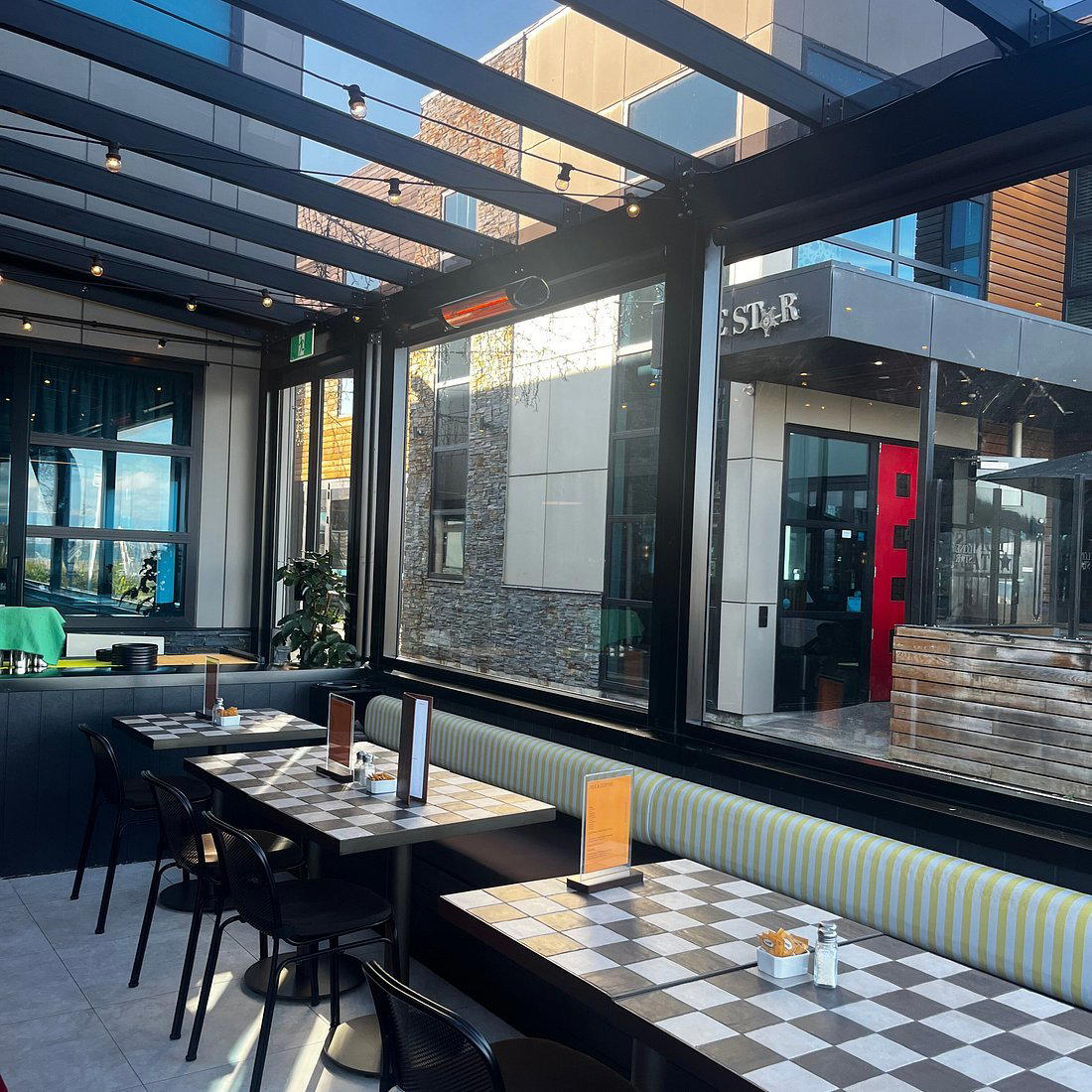
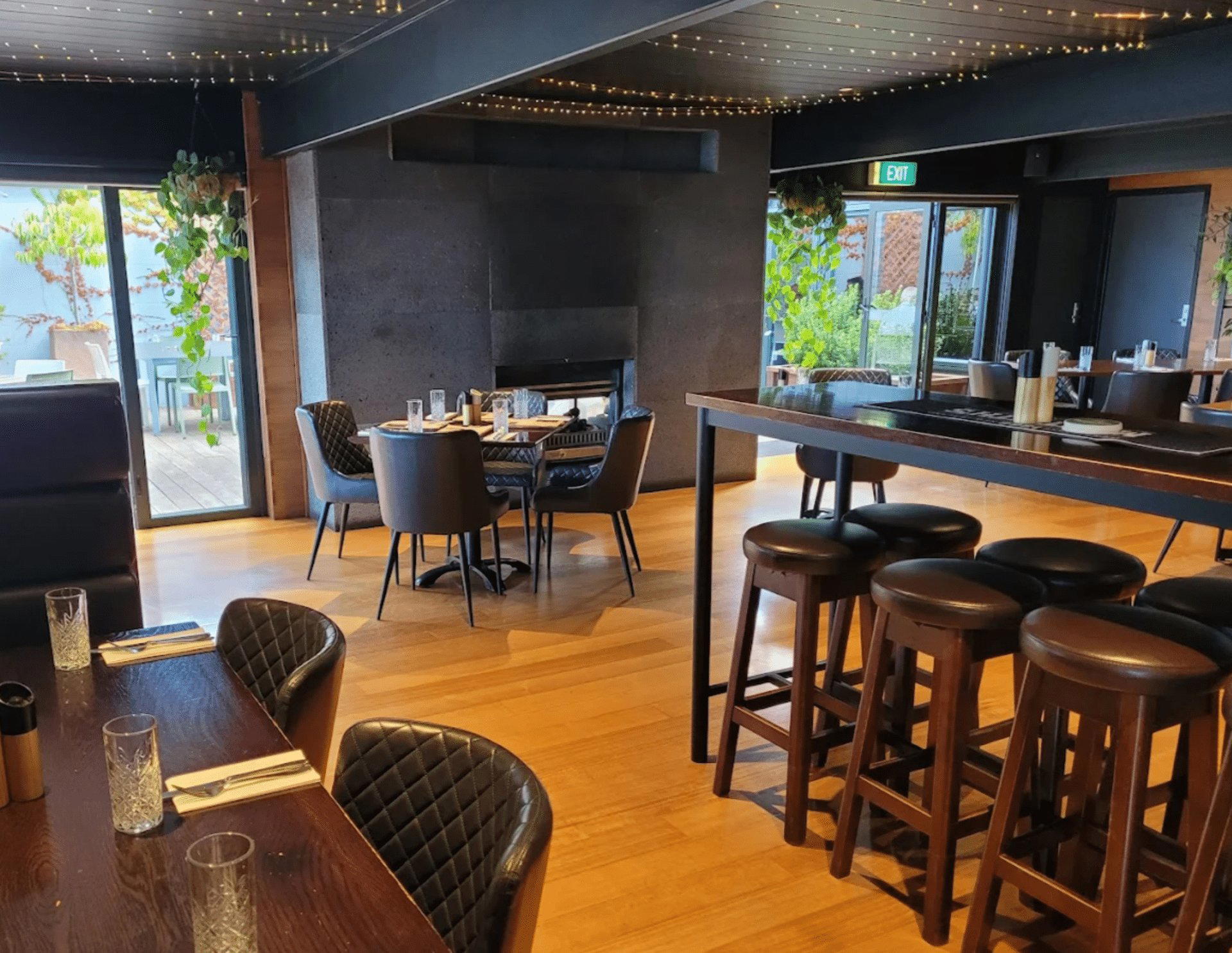
Warm, inviting, cozy, and friendly atmosphere with simple yet elegant decor.