
Michelin Plate
Our verdict
Makoto San sits behind a doorbell in Vila Mariana, part of São Paulo's quiet crop of invitation-only Japanese formats. The kitchen works around ingredient clarity and timed fish service, aiming for the omakase structure that defines upper-tier Japanese rooms across the city. Reservations function by referral, and the format holds to traditional counter pacing.

Pearl is the En Primeur Club membership app, where members save venues, book tables and use the concierge.
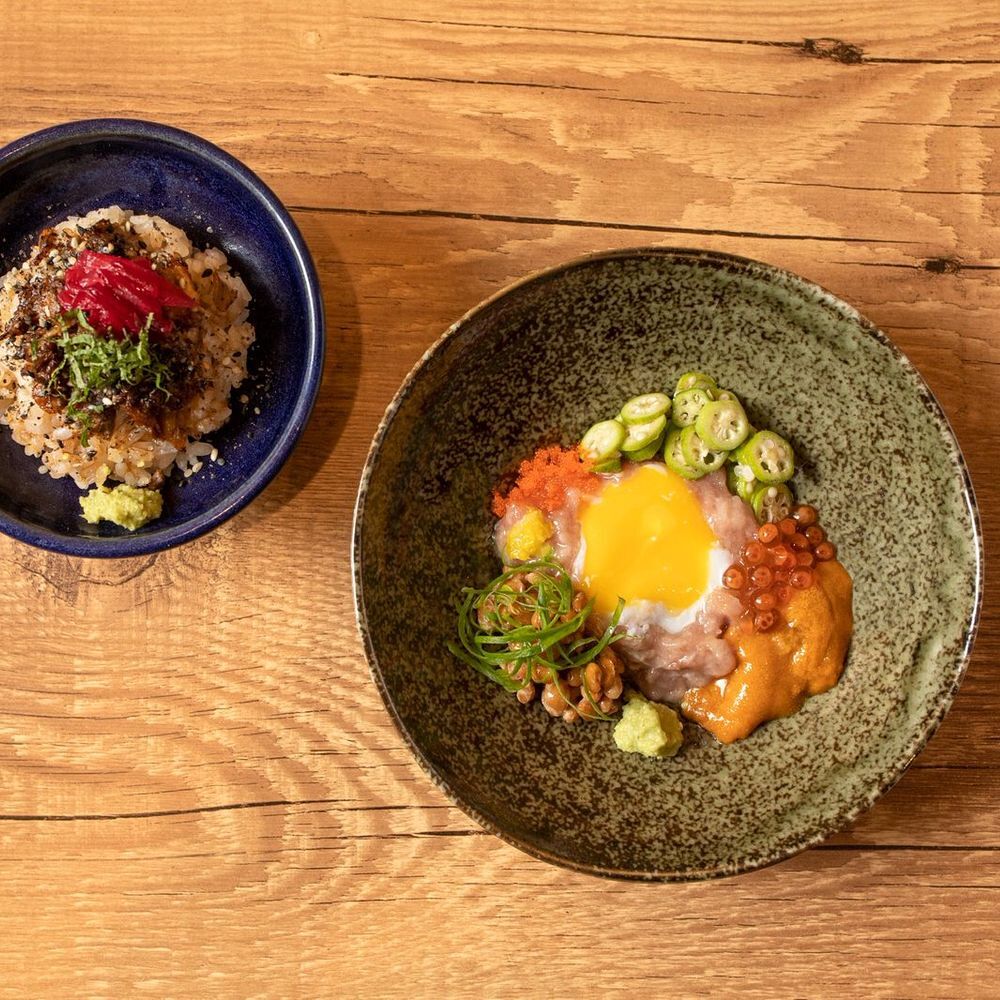
Vila Mariana's residential grid holds a narrow house on Rua Leandro Dupré, unmarked except for a doorbell. Ring, wait, and you're inside one of São Paulo's invitation-format Japanese rooms, a model that has grown alongside the city's omakase boom but remains less visible than the named counters in Jardins or Itaim. Makoto San runs on referral access, no public menu, and a structure that mirrors the small-format tradition more common in Tokyo's outer wards than in Brazil's largest metropolis. The format is direct: fish sourced by the kitchen, timed service at a compact counter, and a nightly progression that assumes you will eat what arrives rather than order from choice.
São Paulo holds the largest Japanese population outside Japan, and that demographic depth has produced a dining landscape where sushi and kaiseki occupy multiple price tiers and formality levels. At the high end, omakase counters now compete on fish sourcing, chef lineage, and reservation difficulty. Makoto San enters that conversation through its closed-door model and ingredient focus, positioning itself among venues where the procurement story matters as much as the knife work. The kitchen sources directly from Tokyo's Toyosu market for premium cuts, hon-maguro, uni, and aged kinmedai, and supplements with Brazilian fish when seasonality or tariff logistics make imports less practical. That duality defines much of São Paulo's omakase tier: Japanese technique applied to both flown-in standards and local species like robalo and pirarucu.
Format and Ingredient Discipline
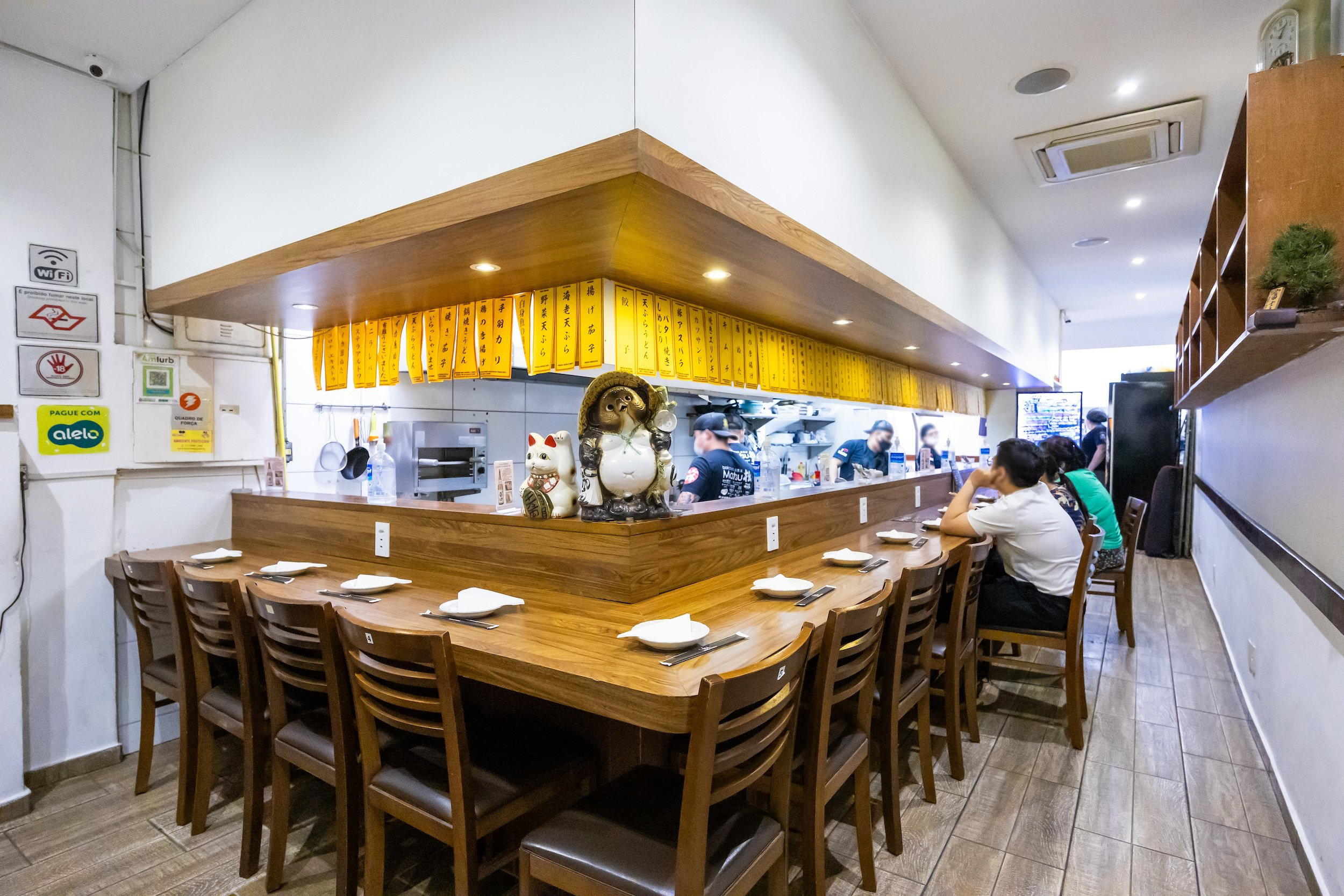
The counter seats fewer than ten. Service runs in waves: tsumami precede nigiri, and the chef controls pacing. Each piece arrives at body temperature, rice seasoned with red vinegar, fish trimmed and aged according to species, lean cuts rest shorter, fatty cuts go longer. The kitchen does not announce every fish by name, but regularity of format suggests a procurement calendar tied to auction timing in Tokyo and São Paulo's CEAGESP wholesale market. Toro, salmon roe, and aji appear frequently; seasonal items like sayori and iwashi rotate based on availability.
São Paulo's omakase scene has shifted toward transparency in the past five years. Diners now expect to know where fish was caught, how long it aged, and which supplier delivered it. Makoto San leans into that expectation by sourcing visibly, flown-in fish arrive with Toyosu lot tags, and the chef will explain aging duration if asked. The kitchen also uses Brazilian catches when they meet quality benchmarks: robalo stands in for suzuki, and pirarucu, a freshwater Amazonian giant, appears as nigiri when the supply chain delivers clean cuts. That pragmatism separates referral-only rooms from the purely import-dependent model; it signals a kitchen confident enough to adapt rather than import every ingredient.
The pricing structure sits in the mid-to-upper omakase bracket for São Paulo, comparable to other counter-service Japanese rooms that emphasize fish quality and timed service. The fixed format removes à la carte flexibility, so diners pay for the full progression or skip the reservation. That inflexibility is intentional: the kitchen builds the menu around what arrived that day, not what a guest wants to eat.
Navigating the Referral Model
Makoto San does not list a public phone number or accept walk-ins. Reservations move through WhatsApp, and new diners typically need an introduction from an existing guest. That gatekeeping mirrors the members-only formats that have proliferated in São Paulo's dining scene, think A Casa do Porco's allocation system or the invitation-only dinners at private kitchens across Pinheiros. The model works because demand exceeds capacity, and the kitchen prefers repeat diners who understand the format over first-timers expecting choice.
For travelers, that means advance planning. Contact through a concierge or a local connection is the most reliable path. The venue does not publish availability calendars, and last-minute bookings are rare. Once confirmed, arrive on time, service starts promptly, and the counter format means late arrivals disrupt pacing for the entire group. The neighbourhood is quiet at night, and rideshare apps cover the area reliably. Budget fifteen minutes from Jardins, twenty from Itaim, and thirty from the airport corridor.
São Paulo's Japanese dining tier now includes enough omakase counters that comparison shopping is standard practice. Huto in Jardins and Daiki Sushi in Moema offer similar formats with public booking systems, making them easier to access but less insulated from the reservation scramble that defines high-demand rooms. Makoto San's referral model insulates it from that churn, but it also narrows the diner base to a network of regulars and their referrals. For some, that exclusivity is the draw; for others, it's a logistical barrier that other venues solve with direct online booking.
The broader São Paulo food scene offers plenty of alternatives for travelers who prefer transparency and ease: 1900 Pizzeria in Vila Madalena, A Figueira Rubaiyat for grilled meats, and A Baianeira for Bahian coastal cooking all accept standard reservations and list menus publicly. Makoto San occupies a different tier, one where access is part of the experience, and the kitchen's ingredient discipline is the main editorial point rather than the ease of booking.
Frequently asked questions
Is Makoto San child-friendly?
The counter seats fewer than ten and follows a formal omakase cadence controlled by the chef. The format and pacing suit adults accustomed to multi-course progression; families with young children will find the structure restrictive.
What's the vibe at Makoto San?
Guests ring the doorbell at Rua Leandro Dupré 108 to enter. The counter is small, service runs in disciplined waves, and conversation stays minimal while the chef plates. The atmosphere centers on technique and timing rather than social dining.
Does Makoto San have a Michelin star or similar recognition?
Makoto San has received recognition including: Fancy a little trip to Japan? Ring the doorbell at the entrance....
What's Makoto San's location?
Makoto San is located at Rua Leandro Dupré 108, São Paulo, São Paulo, 04025-010, BRA, São Paulo.
How hard is it to get a table at Makoto San?
Makoto San accepts reservations only via WhatsApp and does not list a public phone number. New diners typically require an introduction from an existing guest, and the referral model filters access tightly.
What's the defining dish or idea at Makoto San?
The meal follows the traditional tsumami-then-nigiri structure, with each piece served at body temperature and paced by the chef. The counter seats fewer than ten, so the format itself defines the experience.
Do they accommodate allergies at Makoto San?
The venue does not publish allergen policies or contact details beyond WhatsApp. Guests with dietary restrictions should raise them when securing the referral and confirming the reservation, though the omakase format leaves limited room for substitution.
A Quick Peer Check
Comparable venues by cuisine and price in the same metro.
| Venue | Cuisine | Price | Awards |
|---|---|---|---|
| Makoto SanThis venue (the venue you are viewing) | Traditional Japanese Omakase | Not listed | Michelin Plate |
| 1900 Pizzeria | Italian Pizza | Not listed | Not listed |
| Huto | Michelin-Starred Japanese Omakase | $50–100 | 1 Michelin Star |
| Café Journal | Contemporary International Fusion | $20–30 | Not listed |
| Daiki Sushi | Classic Japanese Sushi | $20–30 | Not listed |
| Djapa Moema | Modern Japanese Rodízio | $30–50 | Not listed |
Recognition history
Dated appearances from independent guides and award organizations, with the underlying list record or original source where available.
Michelin Plate
Michelin
Continue exploring
More in São Paulo
Restaurants in São Paulo
All restaurants in São Paulo →
Details
- Sophisticated
- Elegant
- Quiet
- Classic
- Date Night
- Special Occasion
- Standalone
- Omakase
- Tasting Menu
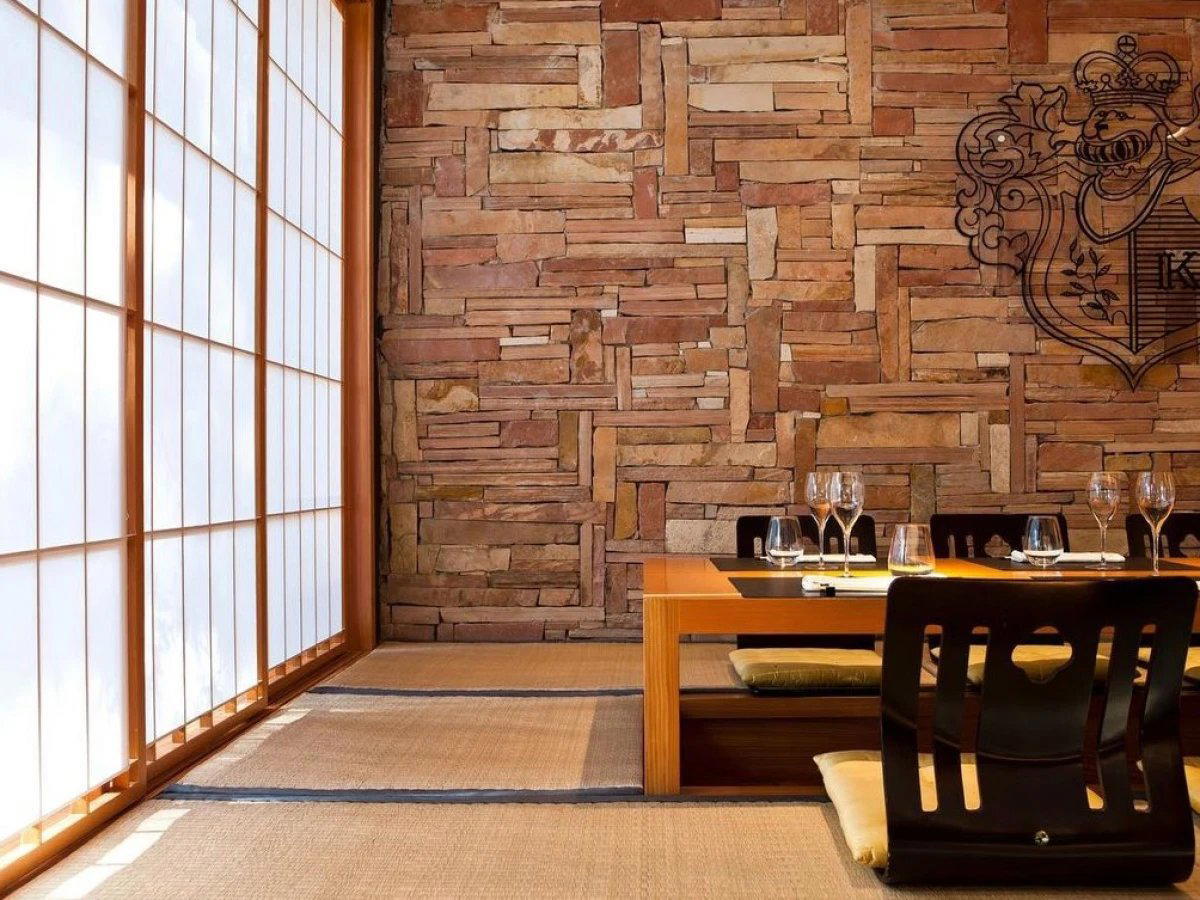
Simple, traditional, and understated, with an intimate atmosphere centered on the chef’s regional Japanese tasting experience.