

1 Michelin Star · Gault & Millau Remarkable Restaurant
Our verdict
In the residential outskirts of Toulouse, Maison Pellestor Veyrier occupies a quiet suburban address on the Chemin de Gramont and delivers traditional French cooking that has earned a Remarkable classification alongside a near-perfect. Chef Quentin Pellestor-Veyrier anchors the menu in regional provenance, placing this mid-priced table in the company of Occitanie's most serious neighbourhood restaurants.

Pearl is the En Primeur Club membership app, where members save venues, book tables and use the concierge.
The menu
What to order
- Alouette sans tête
- Pigeon du Mont Royal
- Noisette lactique d’Occitanie
Where the Toulouse Periphery Takes the Table Seriously
The approach along the Chemin de Gramont in Colomiers reads as suburban France at its most understated: residential streets, mature trees, houses set back from the road. Nothing in the built environment prepares you for a kitchen operating at the level that earns classification in the Remarkable category. That disjunction is, in fact, characteristic of how the most interesting traditional French cooking in the Toulouse metropolitan area tends to function. The restaurant that rewards effort is rarely the one on the grand boulevard.
Maison Pellestor Veyrier, at number 28, sits within this broader pattern of serious kitchens operating in peripheral addresses, a pattern well established across provincial France where land costs and proximity to small suppliers make suburban and village locations structurally preferable to city-centre prestige. The trade-off is that these tables require a committed diner, someone who drives out, books in advance, and arrives with expectations calibrated to cuisine rather than spectacle.
Traditional French Cooking and the Question of Provenance
The phrase cuisine traditionnelle française carries different weight depending on who is executing it. At its weakest, it is a category of inertia: dishes unchanged because no one has thought to question them. At its strongest, as the tradition holds across Gascony and the wider south-west, it is a form of terroir expression, a discipline of matching technique to the specific produce of a region rather than importing ingredients or chasing international trend cycles.
Occitanie and the Haute-Garonne sit at the intersection of several distinct French culinary territories. The Pyrenees supply lamb, dairy, and mountain herbs. The Gers and its neighbours remain Europe's most concentrated source of duck confit, foie gras, and armagnac-inflected preservation techniques. Market gardens across the Lauragais plain contribute the seasonal vegetable culture that has always distinguished Toulousain cooking from its neighbours. A kitchen that draws on this geography rather than a generic French pantry is making an argument about place, and that argument is audible in the cooking long before you read a menu.
Chef Quentin Pellestor-Veyrier works within this tradition. The name above the door signals a personal and familial investment in the project, a common structure for the regional French table de chef that has produced some of France's most durable restaurant careers. For comparison with how that tradition scales upward, Bras in Laguiole and Auberge du Vieux Puits in Fontjoncouse both operate on similar structural logic, with a single chef name anchoring a deep regional identity, though at Michelin three-star scale and price points several tiers above Maison Pellestor Veyrier's $$$range.
How This Table Reads Within the French Dining Hierarchy
France's traditional restaurant classification system has always rewarded refinement over accessibility. The headline tables carry the weight of international expectation: Alléno Paris au Pavillon Ledoyen in Paris, Mirazur in Menton, Flocons de Sel in Megève, Troisgros - Le Bois sans Feuilles in Ouches, and the enduring monument of Paul Bocuse - L'Auberge du Pont de Collonges in Collonges-au-Mont-d'Or. Farther east, Auberge de l'Ill in Illhaeusern and Au Crocodile in Strasbourg represent a different Alsatian strain of the same tradition. Assiette Champenoise in Reims and AM par Alexandre Mazzia in Marseille show how that tradition is being reinterpreted across France's regions.
Maison Pellestor Veyrier operates well below these stratospheric price points, which is precisely what makes its Remarkable classification meaningful. The category is not awarded for ambition or scale but for consistent execution and a clear sense of culinary identity.
For context in other global dining traditions, Le Bernardin in New York City and Atomix in New York City demonstrate how European culinary rigour translates into different competitive environments. The gap between those categories and a Colomiers suburban table is enormous in price and scale, but the underlying discipline of respecting ingredient provenance is the same conversation in different registers.
The Atmosphere and What to Expect
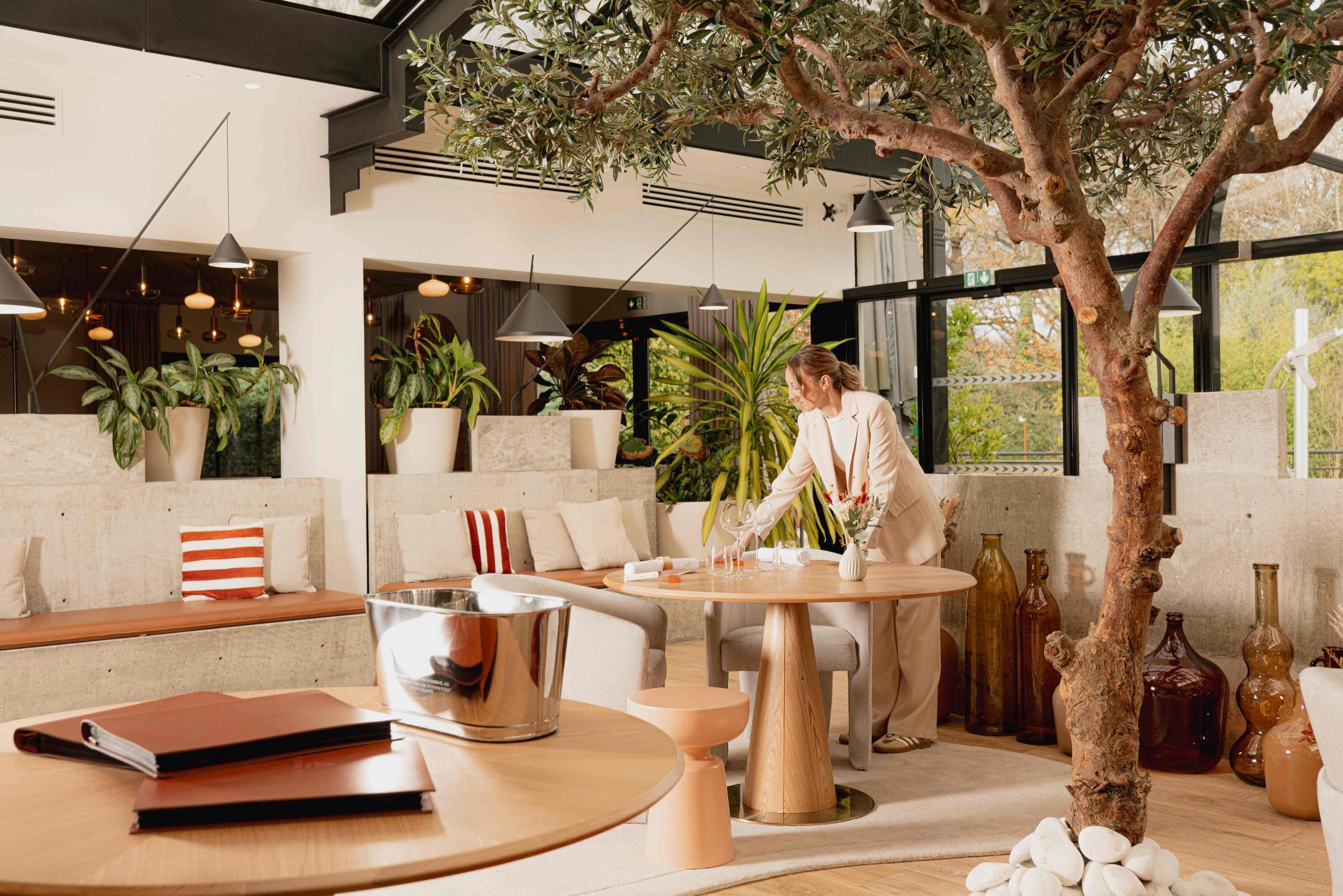
Traditional French restaurant dining in this price tier rarely performs. The atmosphere at tables of this type is built on the repetition of pleasure: correct glassware, unhurried service pacing, a room that encourages conversation rather than photographs. Whether Maison Pellestor Veyrier's dining room is intimate or more open in character is, but the suburban address and chef-owner model point toward the maison bourgeoise format, a French dining archetype in which the physical setting is comfortable and domestic rather than theatrical.
This format suits traditional cooking better than a sterile design-forward space would. When the food is anchored in regional produce and classical technique, the room's function is to get out of the way and let the plate speak. The near-perfect public rating suggests the execution is consistent enough that the format is working.
Planning Your Visit
Colomiers sits immediately west of Toulouse, accessible by the Toulouse metro Line A to Arènes and then by bus or taxi toward the Gramont area, or more directly by car from central Toulouse in under twenty minutes without traffic. The address at 28 Chemin de Gramont places this in a quiet residential zone rather than a commercial strip, so arriving by GPS is the most reliable approach.
Given the 4.9 rating and the compact likely capacity typical of a chef-owner maison, booking well ahead is the sensible approach. No online reservation platform is confirmed in available data, so direct contact with the restaurant is the logical first step. The $$$ price range positions this as a considered mid-to-upper spend for the Toulouse area, appropriate for a lunch or dinner where the cooking is the primary occasion rather than a quick weekday meal.
For a broader picture of what Colomiers offers, see our guides to restaurants, hotels, bars, wineries, and experiences in the area.
Questions Visitors Ask
- Is Maison Pellestor Veyrier a family-friendly restaurant?
- The chef-owner maison format common to this price tier in provincial France tends to accommodate families, particularly at lunch. That said, at the $$$ price range and with a Remarkable classification for serious traditional cooking, the atmosphere leans toward a considered dining occasion rather than a casual family outing. Colomiers itself is a residential suburb with a calm character, which favours a relaxed approach. Confirming specific family arrangements directly with the restaurant before booking is advisable.
- What is the atmosphere like at Maison Pellestor Veyrier?
- The combination of a residential address in Colomiers, a chef-owner name above the door, and a Remarkable award places this table in a category of traditional French restaurants where atmosphere is defined by precision and warmth rather than design theatre. This is a pattern that holds across serious provincial French tables in the mid-to-upper price tier.
- What do regulars order at Maison Pellestor Veyrier?
- What the traditional French cuisine classification and the Occitanie location suggest is a menu that follows seasonal produce logic and draws on the south-west's distinctive larder: duck preparations, regional vegetables, and the kind of sauce work that has defined Toulouse-area cooking for generations. Chef Quentin Pellestor-Veyrier's name on the restaurant signals personal investment in the menu, which in this culinary tradition typically means a tightly selection rather than an extensive à la carte. Asking the front of house for current recommendations on arrival is both practical and the expected approach in this format.
Comparison Snapshot
Comparable venues nearby, for context on price, style, and recognition.
| Venue | Cuisine | Price | Awards | Notes |
|---|---|---|---|---|
| Maison Pellestor VeyrierThis venue (the venue you are viewing) | Modern Occitan Gastronomy | $100–150 | 1 Michelin Star · Gault & Millau Remarkable Restaurant | Not listed |
| Le restaurant Bernard Rigaudis | Regional French Gastronomic | $50–100 | Relais Chateaux Award | Domaine d'Auriac, near Carcassonne medieval city |
| L' Atrium | Refined Seasonal French Gastronomy | $50–100 | Not listed | Capitole / Arnaud Bernard / Carmes |
| Le Montanais | Modern French Gastronomic | $50–100 | Not listed | Montans |
| Le Manoir de Saint-Jean | Seasonal French Gastronomic | $50–100 | Not listed | Saint-Paul-d'Espis |
| L'Aléa Table | French Brasserie | Not listed | Not listed | Labège |
Recognition history
Dated appearances from independent guides and award organizations, with the underlying list record or original source where available.
Michelin 1 Star
Michelin
Gault & Millau Remarkable Restaurant
Gault & Millau
Continue exploring
More in Colomiers
Restaurants in Colomiers
All restaurants in Colomiers →
Bars in Colomiers
Browse all →
Hotels in Colomiers
Browse all →
Wineries in Colomiers
Browse all →
Maison Pellestor Veyrier
The wine
- Wine program
- Deep wine list
- Extensive wine list
- Sommelier-led
Details
- Elegant
- Cozy
- Sophisticated
- Modern
- Date Night
- Special Occasion
- Business Dinner
- Open Kitchen
- Extensive Wine List
- Sommelier Led
- Local Sourcing
- Tasting Menu
- Wine Program
- Vegetarian Friendly
Current opening hours
- Monday
- Closed
- Tuesday
- 12–1:30 PM, 7:30–9 PM
- Wednesday
- 12–1:30 PM, 7:30–9 PM
- Thursday
- 12–1:30 PM, 7:30–9 PM
- Friday
- 12–1:30 PM, 7:30–9 PM
- Saturday
- 12–1:30 PM, 7:30–9 PM
- Sunday
- Closed
Hours can change for holidays and private events. Hours as of .
Lumineuse, chaleureuse et raffinée avec une atmosphère apaisante et cocooning, cadre élégant et moderne.