Our verdict
Le Montanais sits on the Chemin des Vignes in Montans, a village whose winemaking identity stretches back to Roman-era Gallo-Roman production in the Tarn valley. The address alone signals a philosophy rooted in terroir: this is a corner of southwest France where what grows around you shapes what ends up on the plate. For travellers already tracking the region's wine and food circuit, it earns a place on the itinerary.

Pearl is the En Primeur Club membership app, where members save venues, book tables and use the concierge.
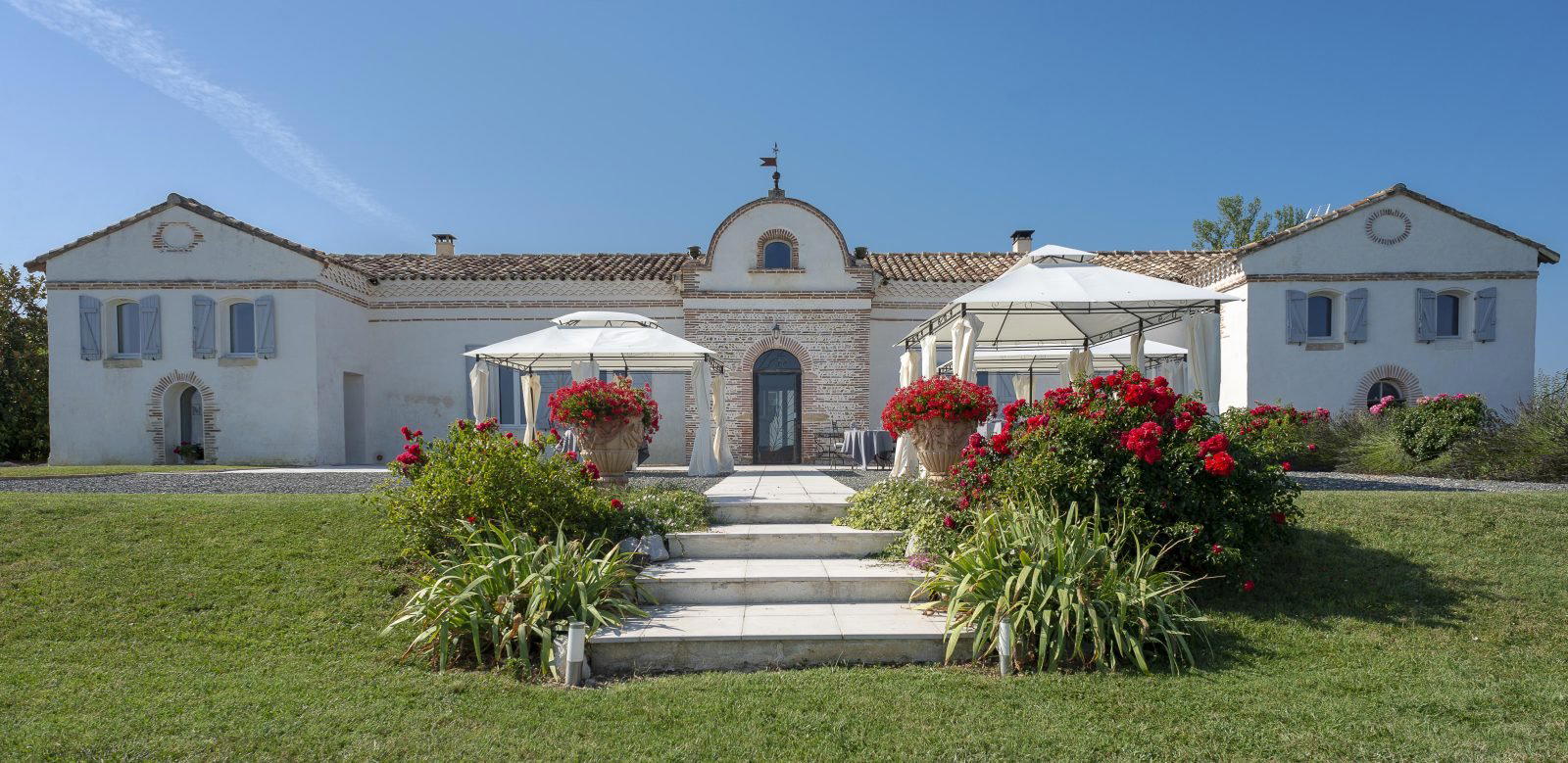
Where the Vines Begin the Menu
Montans sits in the Tarn valley of southwest France, a few kilometres from Gaillac, and the land here has been producing wine since at least the first century AD. The Roman-era kilns excavated on the village's edge are evidence of a settlement that traded amphorae across the empire before most of France had a name. That depth of agricultural identity does not evaporate; it accumulates. A table in this village is set against a backdrop of working vines, clay soils, and a food culture shaped more by what the surrounding country produces than by what fashion dictates from Paris or Lyon.
The address of Le Montanais, 38 Chemin des Vignes, is almost a statement of intent before you walk through the door. Chemin des Vignes: the path of the vines. Southwest France has developed a distinct regional kitchen over centuries, built on duck fat rather than butter, on the dark plums and dried figs of the Tarn and Lot, on the black pork of the Gascon farms, and on the earthy, tannic grape varieties that never quite translated to the global export market but remain exactly right with the food grown alongside them. That grounding in place is the defining characteristic of serious cooking in this part of the country.
The Ingredient Argument in Southwest France
France's most discussed dining addresses tend to cluster in Paris, along the Riviera, and in the old gastronomic corridors of Burgundy and Alsace. The southwest operates differently. Here, the argument for quality rests on proximity: produce travels shorter distances, supplier relationships are older, and the definition of a good ingredient is shaped by what the local soil and climate actually produce well.
That means duck confit made from birds raised within a short drive, vegetables pulled from kitchen gardens or market stalls in Gaillac or Albi, and wines poured from appellations whose names rarely appear on international lists but which the locals have been drinking alongside these dishes for generations. The Gaillac appellation, which surrounds Montans, produces whites from Mauzac and Len de l'El grapes, and reds from Braucol and Duras, varieties that reward attention once you understand what they're doing with the region's cooking. This is ingredient sourcing as a long-term relationship with a specific geography, not a procurement strategy.
Venues in the Tarn and Aveyron departments sit in an interesting position relative to France's broader culinary reputation. Bras in Laguiole demonstrated decades ago that deeply rooted, terroir-driven cooking in rural south-central France could achieve international recognition without abandoning its agricultural identity. That precedent matters for how the wider region is now read by serious food travellers. It established that proximity to Paris is not a prerequisite for seriousness, and that the plateau and valley landscapes of this part of the country contain cooking traditions worth pursuing on their own terms.
The Setting and What It Implies
A restaurant on a vine path in a village of a few hundred inhabitants operates under different conditions than an urban address. Seasonal dependency is more visible here: the menu responds to what the markets and farms are producing right now, not to what a central purchasing system can deliver year-round. In late summer and autumn, that means walnut oil from the Périgord, ceps from the surrounding woods, and the harvest activity that runs through every aspect of daily life in Montans. In spring, the landscape shifts again: asparagus from the sandy soils toward the Lot, early tomatoes, and the lighter-bodied white wines that suit them.
That seasonal rhythm is not a marketing point; it is a structural reality. Kitchens in villages like Montans do not carry the supply chain infrastructure of a large urban operation, which means they work with what is available and at its finest. The practical result for the diner is a degree of specificity to the moment of the visit that urban restaurants, with their year-round menus and international sourcing, often cannot match. You eat what this place produces in this season. That narrowness is a feature.
Placing Le Montanais in the Regional Circuit
Travellers building an itinerary through the Tarn and Aveyron will find Le Montanais sits logically between the wine-focused tourism of Gaillac and the cathedral city of Albi, a UNESCO World Heritage Site roughly fifteen kilometres to the northeast. The Albi-Gaillac axis draws a steady stream of culturally curious visitors, and Montans, positioned directly in the vineyard zone between the two, occupies a useful geographic middle ground. For those arriving by car from Toulouse, the drive northeast through the Tarn valley takes roughly an hour.
The broader French southwest dining circuit includes several addresses worth cross-referencing. Auberge du Vieux Puits in Fontjoncouse represents what can happen when a village restaurant earns sustained critical attention. Flocons de Sel in Megève demonstrates how mountain terroir can be brought to a fine dining register. And for those exploring how French regional cooking translates beyond France's borders, Le Bernardin in New York City shows how technique rooted in French tradition travels. The relevant comparison for Le Montanais is not that register, however. See also Georges Blanc in Vonnas, L'Oustau de Baumanière in Les Baux, Troisgros in Ouches, Paul Bocuse in Collonges-au-Mont-d'Or, Assiette Champenoise in Reims, Au Crocodile in Strasbourg, Christopher Coutanceau in La Rochelle, La Marine in Noirmoutier-en-l'île, AM par Alexandre Mazzia in Marseille, and Atomix in New York City for further reference points across the wider EP Club network. For a full view of the local options, consult our full Montans restaurants guide.
Planning Your Visit
Because no booking contact or hours data is currently available in the public record for Le Montanais, the most reliable approach is to call ahead through the Montans commune or check locally on arrival in Gaillac or Albi, where tourist offices carry current information on village restaurants. The address, 38 Chemin des Vignes, 81600 Montans, is accessible by car; the village has no rail connection. Spring and autumn visits align with the most active periods in the agricultural calendar, when the surrounding vines and kitchen gardens are producing at seasonal peaks.
Frequently asked questions
Does Le Montanais work for a family meal?
A village restaurant on a vine path in Montans, a commune of a few hundred residents, tends toward unhurried, multi-course meals rather than quick service formats. That pace suits adults sharing a long lunch with Gaillac wine but may test younger children's patience.
What kind of setting is Le Montanais?
Le Montanais sits on the Chemin des Vignes in Montans, meaning the address is literally a vine path running through one of southwest France's oldest wine-producing zones. The Tarn valley surroundings place it in agricultural terrain rather than a town centre, so the context is rural and seasonal rather than urban or hotel-adjacent. Expect the operating logic of a small producer region: dependent on harvest calendars and local supply.
Is Le Montanais worth visiting as part of a Gaillac wine route itinerary?
Montans sits only a few kilometres from Gaillac, one of France's oldest appellations with documented winemaking history stretching back to Roman settlement in the Tarn valley. A restaurant at 38 Chemin des Vignes places Le Montanais directly within that wine-country corridor, making it a logical stop between cellar visits rather than a detour. Travellers routing through the Tarn toward Cordes-sur-Ciel or Albi will find Montans falls naturally along that arc.
What should I order at Le Montanais?
No current menu data is published for Le Montanais, so specific dish recommendations can change. What the location reliably signals is proximity to Gaillac's wine appellation and the produce traditions of southwest France, including duck, lamb, and foraged ingredients that define the Tarn and Aveyron table. Calling ahead to ask about the current menu is the most reliable approach given the address at 38 Chemin des Vignes, Montans. Check the venue's official channels for the latest details.
Where is Le Montanais in Montans?
Le Montanais is located at 38 Chem. des Vignes, 81600 Montans, France, Montans.
Fast Comparison
Comparable venues nearby, for context on price, style, and recognition.
| Venue | Cuisine | Price | Notes |
|---|---|---|---|
| Le MontanaisThis venue (the venue you are viewing) | Modern French Gastronomic | $50–100 | Not listed |
| Alain Passard's Garden | Vegetable-Focused Fine Dining | Not listed | Bois Giroult |
| Alain Ducasse Baccarat | Avant-garde French fine dining in a crystal-clad Maison Baccarat setting | $150–200 | 16th arrondissement |
| Restaurant Sixty-two | Modern Southwestern French | $30–50 | Capitole / Arnaud Bernard / Carmes |
| Le Portanel | French Seafood from Bages Lagoon | $50–100 | Bages |
| Maison Blanche | Modern French Fine Dining | Not listed | 8th arrondissement |
Continue exploring
More in Montans
Restaurants in Montans
All restaurants in Montans →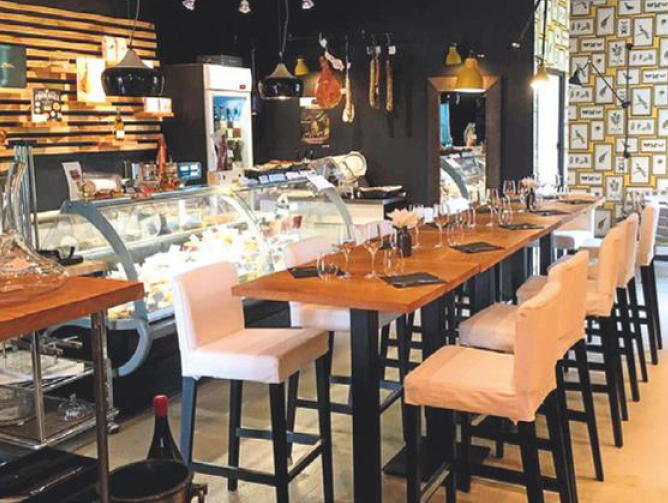
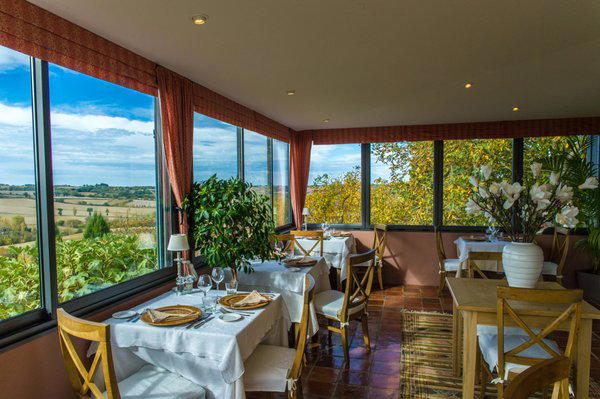
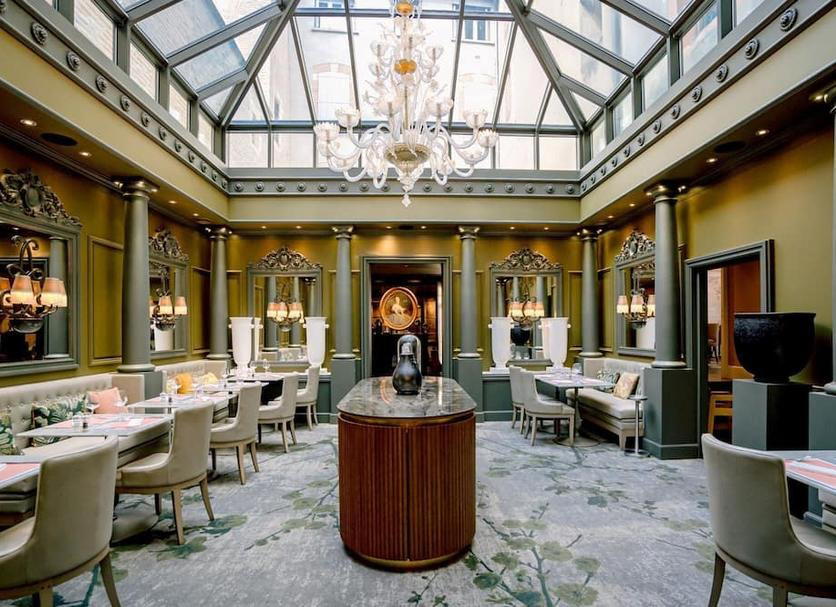
Bars in Montans
Browse all →
Hotels in Montans
Browse all →
Wineries in Montans
Browse all →
Details
- Romantic
- Elegant
- Cozy
- Scenic
- Sophisticated
- Date Night
- Celebration
- Special Occasion
- Group Dining
- Family
- Terrace
- Panoramic View
- Private Dining
- Historic Building
- Garden
- Sommelier Led
- Farm To Table
- Local Sourcing
- Vineyard
- Tasting Menu
- Prix Fixe
- Wine
- Gluten Free Options
- Vegetarian Friendly
- Allergy Accommodating
Current opening hours
- Monday
- Closed
- Tuesday
- Closed
- Wednesday
- Closed
- Thursday
- 12–2 PM, 7–10 PM
- Friday
- 12–2 PM, 7–10 PM
- Saturday
- 12–2 PM, 7–10 PM
- Sunday
- 12–2 PM
Hours can change for holidays and private events. Hours as of .
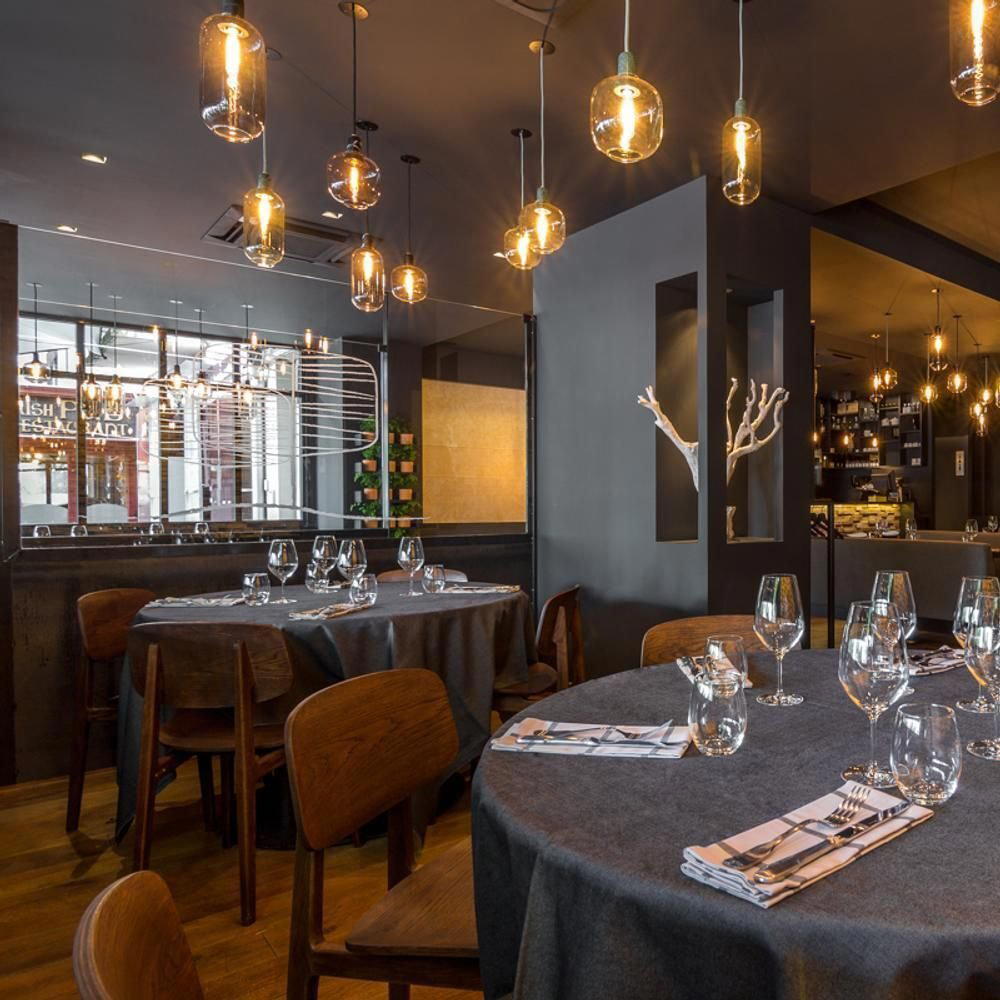
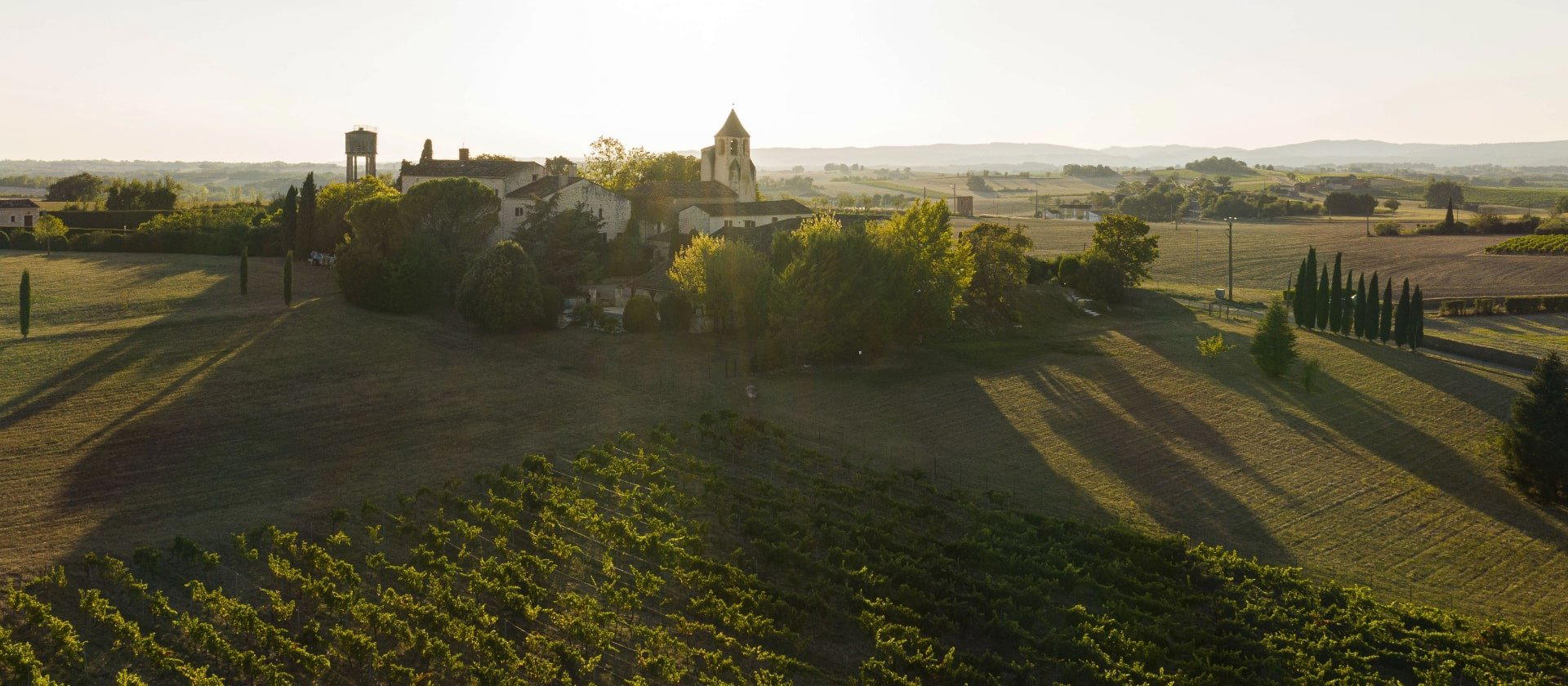
Warm and intimate with cozy lighting in two dining rooms and a small salon; evening terrace dining overlooks vineyards with sunset views; elegant fireplace adds warmth; refined yet welcoming atmosphere.