
Michelin Plate
Our verdict
On the main square of a small Pas-de-Calais town, Maison Akène offers a single set menu structured around the life cycle of a flower, built on line-caught fish, Licques poultry, and local seasonal produce. Formerly of Empreinte in Lambersart, the chef brings a precise, ingredient-led sensibility to a room of cream tones and deliberate calm. For this corner of northern France, the ambition on the plate is considerable.

Pearl is the En Primeur Club membership app — saves, bookings, and concierge access live there. Same editors, same standards.
A Square in Ardres, and What's Behind It
The place d'Armes in Ardres is the kind of town square that northern France does quietly well: paved, proportioned, unhurried. Maison Akène occupies one of its facades with a façade clean enough to read as a statement of intent. Inside, the palette holds to cream and beige, brushed walls catch the light from sand-coloured fixtures, and the crockery is laid with a precision that signals the kitchen's priorities before any food arrives. The room doesn't announce itself loudly. That restraint is the point.
This is not the obvious destination for high-commitment cooking in the Hauts-de-France region, and that's partly what makes it worth understanding. While the region's most-discussed tables tend to cluster around Lille, Maison Akène represents a pattern visible elsewhere in provincial France: a serious kitchen choosing a smaller town, where rents are lower and the surrounding land can speak more directly on the plate. For broader context on what Ardres has to offer, see our full Ardres restaurants guide.
The Sourcing Logic Behind the Menu
Northern France's coastline and its inland farms are the structural argument for this style of cooking. Line-caught fish from the Channel coast and poultry from Licques Volaille, one of the Pas-de-Calais region's more rigorously raised breeds, form the protein backbone of the menu. Licques chickens carry an IGP designation and are raised on free range with extended growth cycles, which produces a depth of flavour that intensifies under the kitchen's saucing approach. These are not ambient sourcing decisions bolted onto a marketing page; they are ingredients that require specific cooking technique to express correctly.
That technique is visible in the sauces, which function as a recurring thread across the menu: a green pepper sauce on the starter, a fish jus of deliberate delicacy, and a poultry jus described as intense. In French fine dining, sauce-making is often where kitchen discipline is most honestly revealed. The kind of reduction work behind a concentrated poultry jus is not visible on the plate, but its absence would be. Compared with the grand classical sauce traditions at places like Auberge de l'Ill in Illhaeusern or the technically demanding contemporary approach at Assiette Champenoise in Reims, Maison Akène is working in a different register of scale, but the underlying commitment to sauce as an expression of craft places it within the same culinary tradition.
The Menu's Structural Concept
A single set menu is the only format on offer, which is itself a curatorial position. The menu's structure follows the stages of a flower's development: bud, bloom, and achene. The achene, botanically speaking, is a dry fruit containing a single seed, the moment after flowering when the plant has completed its cycle. As a menu architecture, it suggests progression and resolution rather than arbitrary succession of courses. This kind of conceptual framing has become a device at a number of high-ambition French tables, from the territory-led narratives at Mirazur in Menton to the landscape-rooted structures at Bras in Laguiole. At Maison Akène the concept is botanical and local rather than epic, which suits both the scale of the room and the character of the northern French countryside it draws from.
The presentation is described as meticulous, which in context means that the visual discipline of plating matches the sourcing discipline of procurement. In a room of this size and intent, consistency across both is what separates a serious operation from an aspirational one.
Provenance and the Broader French Regional Pattern
The chef previously worked at Empreinte in Lambersart, a commune adjacent to Lille with its own record of ambitious cooking. That training informs the current approach: bold flavours executed through careful sourcing rather than through complexity of technique for its own sake. This mirrors a pattern visible across French regional cooking, where the leading provincial tables increasingly frame their identity through supply chain decisions rather than through classical repertoire or international influence. It's a different proposition from the grand urban formats at Alléno Paris au Pavillon Ledoyen or the celebrated coastal creativity of AM par Alexandre Mazzia in Marseille, but it belongs to a coherent and growing strand of French fine dining that treats regional producers as primary collaborators.
Seasonality governs what appears on the plate, which means the menu shifts with the agricultural calendar of the Pas-de-Calais. That is less a marketing claim and more a practical consequence of the sourcing model: when your proteins are line-caught and your produce is local, the season determines the menu, not the other way around. For those interested in the full range of what the area offers alongside the restaurant, our Ardres hotels guide, bars guide, wineries guide, and experiences guide cover the broader visit.
Planning a Visit
Ardres sits in the Pas-de-Calais, a short drive south of Calais and within reach of the Channel Tunnel terminal at Coquelles, which places Maison Akène in a realistic day-trip or overnight position for travellers arriving from the UK. The address is 57 place d'Armes, on the main square, which is navigable without local knowledge. Given the single-menu format and the kitchen's evident precision, advance booking is advisable; this is not a restaurant designed for walk-in traffic.
For context on comparable ambition elsewhere in France's regional fine dining circuit, the kitchens at Flocons de Sel in Megève, Troisgros in Ouches, Auberge du Vieux Puits in Fontjoncouse, Au Crocodile in Strasbourg, and Paul Bocuse in Collonges-au-Mont-d'Or each represent different points on the spectrum of what serious provincial French cooking can look like. For international reference, Le Bernardin in New York and Emeril's in New Orleans illustrate how the French fine dining tradition translates across contexts.
Frequently asked questions
Would Maison Akène be comfortable with kids?
Maison Akène operates a single set menu with a structured, multi-stage format that follows the development of a flower from bud to achene. The format and the considered, understated interior — cream and beige tones, immaculate crockery — are designed for focused dining rather than casual family meals. Parents with children who are comfortable sitting through a tasting menu would find it manageable; it is not a format that suits restless young diners.
What's the overall feel of Maison Akène?
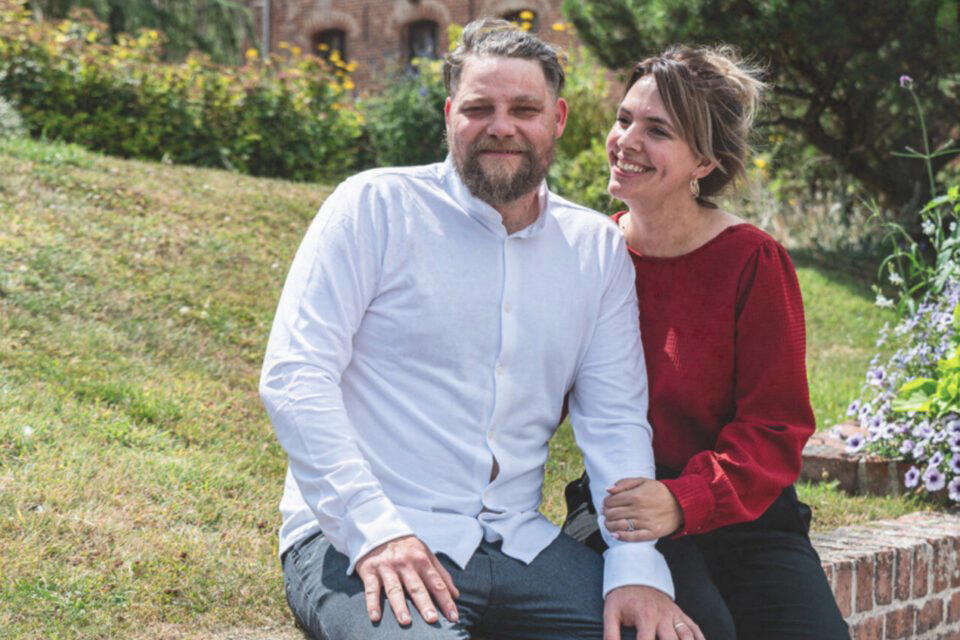
The room on place d'Armes is elegantly spare: brushed walls, sand-coloured light fixtures, and a palette of cream and beige that keeps the focus on the plates rather than the décor. Isma'il and Inès Guerre-Genton, formerly of Empreinte in Lambersart, have created a space that feels considered without being stiff — the commitment behind each course comes through in the cooking itself, not theatrical presentation.
What distinctions does Maison Akène have?
Maison Akène has received recognition including: Isma'il and Inès Guerre-Genton (formerly of Empreinte in Lambersart) can now be found in Ardres. Behind a spruce façade on the town's main square, the interior is elegantly understated: a palette of cream and beige tones, brushed walls, san….
What do regulars order at Maison Akène?
There is no à la carte: a single set menu is the only option, so every guest eats the same progression. The sauces are the throughline that regular visitors note most — a green pepper sauce on the starter, a delicate fish jus, and an intense poultry jus built from Licques Volaille chicken. The sourcing from the Channel coast and local farms means the menu shifts with the season.
Where exactly is Maison Akène?
Maison Akène is located at 57 place d'Armes, Ardres.
What's the best way to book Maison Akène?
No phone number or website is currently documented for Maison Akène. The restaurant is located at 57 place d'Armes in Ardres, and arriving or contacting them directly in person remains the most reliable starting point. Given the small scale and format, reservations are advisable well in advance, particularly for visitors crossing via the Channel Tunnel at Coquelles.
Fast Comparison
Comparable venues nearby, for context on price, style, and recognition.
| Venue | Cuisine | Price | Awards | Notes |
|---|---|---|---|---|
| Maison AkèneThis venue — the venue you are viewing | Modern French Fine Dining | $100–150 | Michelin Plate | Not listed |
| La Table d'Elka | Refined Norman French Fine Dining | $50–100 | Michelin Plate | Varengeville-sur-Mer |
| Alain Ducasse Baccarat | Avant-garde French fine dining in a crystal-clad Maison Baccarat setting | $150–200 | Not listed | 16th arrondissement |
| Au Koning Van Peene | Modern French Bistronomic | $30–50 | Michelin Plate | Zuytpeene |
| Irwin | Modern French Gastronomic | $100–150 | 1 Michelin Star | 8th arrondissement |
| Le Clos de la Prairie | Seasonal French Bistro | $50–100 | Michelin Plate | Gouy-Saint-André |
Recognition history
Dated appearances from independent guides and award organizations, with the underlying list record or original source where available.
Michelin Plate
Michelin
Continue exploring
More in Ardres
Restaurants in Ardres
All restaurants in Ardres →
Bars in Ardres
Browse all →
Maison Akène
The wine
- Wine program
- Curated wine list
- Extensive wine list
Details
- Elegant
- Sophisticated
- Intimate
- Modern
- Date Night
- Special Occasion
- Open Kitchen
- Extensive Wine List
- Local Sourcing
- Tasting Menu
- Set Menu
- Allergy Accommodating
Current opening hours
- Monday
- Closed
- Tuesday
- Closed
- Wednesday
- 12–1:30 PM, 7:30–9:15 PM
- Thursday
- 12–1:30 PM, 7:30–9:15 PM
- Friday
- 12–1:30 PM, 7–9:15 PM
- Saturday
- 12–1:30 PM, 7:30–9:15 PM
- Sunday
- 12–1:30 PM
Hours can change for holidays and private events. Last verified .
Elegantly understated interior with cream and beige tones, brushed walls, and sand-coloured light fixtures, though some note it feels a bit cold with echo making it somewhat noisy.