
Michelin Plate
Our verdict
A Michelin Plate-recognised seafood address on the Boulevard de la Résistance, Le Channel is one of Calais's more consistent destinations for fish and shellfish drawn from the Strait of Dover.

Pearl is the En Primeur Club membership app, where members save venues, book tables and use the concierge.
The menu
What to order
- Dessert trolley
- Turbot
- Foie gras
Where the Strait Meets the Table
The Boulevard de la Résistance runs close to the waterfront, and arriving at Le Channel gives you a sense of what Calais does when it takes its geography seriously. This is a port city, not a resort, and the restaurants that endure here tend to be the ones that treat the English Channel as a supply chain rather than a backdrop. Le Channel, holding consecutive Michelin Plate recognition in 2024 and 2025, sits in that category: a mid-range seafood address that earns its standing through the quality of what the Strait of Dover produces rather than through elaborate technique or destination-dining theatre.
Among Calais's dining options in the €€ bracket, the seafood-focused restaurants occupy a distinct lane from the traditional cuisine side of the spectrum, as represented by a place like Histoire Ancienne (Traditional Cuisine), or the more contemporary register of Le Grand Bleu (Modern Cuisine). Le Channel and Aquar'aile both operate in the seafood-forward, mid-price tier that makes the most direct use of what Channel fishing boats bring in. The competitive question between them is one of style and seasonal emphasis rather than price or ambition.
The Seasonal Tide: What the Channel Gives, Month by Month
Northern French coastal cooking is governed by the calendar in ways that Mediterranean or Atlantic seafood traditions are not. The Strait of Dover is a narrow, high-traffic body of water with strong tidal currents, which creates specific conditions for the species that populate it and, consequently, for what should appear on a plate in any given month.
Sole, the flatfish most associated with the Norman and Pas-de-Calais coasts, runs at its firmest and most flavourful from late spring through summer, when water temperatures stabilise and the fish are most active. The Channel's sole is the basis for sole meunière, arguably the defining preparation of northern French coastal cuisine, and any seafood restaurant in Calais with Michelin recognition should be treating this window seriously. By contrast, autumn shifts attention toward shellfish: the oyster season from the Cotentin and Normandy beds to the south comes into its own from September onward, and mussels from the region's rope-cultivation operations peak between October and February.
Scallops (coquilles Saint-Jacques) deserve particular attention in this context. The Normandy and Pas-de-Calais scallop season, governed by French fishing quotas and ecological management, typically runs from October through mid-May, with the peak months for size and richness falling between November and March. A scallop served in Calais in January, dived or dredged from nearby beds and cooked the same day, represents a fundamentally different ingredient from one served in August or sourced from further afield. The difference is not marginal.
Spring brings its own shift: Channel mackerel begin their inshore migration from March onward, offering a leaner, more assertive fish that northern French kitchens have historically prepared simply, grilled, or with mustard, or paired with acidic vegetables to cut through the fat. By late spring, sea bass (bar) becomes more available, and the herring tradition, central to Calais's identity as a historic fishing port, remains relevant through winter preparations and smoked forms that appear on menus year-round.
For the reader timing a visit, the honest answer is that the Strait of Dover is most generous between October and April: shellfish volumes are at their height, scallop season is running, and the colder water concentrates flavour in flatfish. Summer visits are not without merit, the long days, the lighter catches, the possibility of fresh mackerel and grilled turbot, but the autumn-winter window aligns leading with the Channel's natural rhythms.
Where Le Channel Sits in the Broader French Seafood Picture
France's serious seafood cooking tends to cluster at the coasts and in Paris, where supply chains are strong enough to support it. The northern tier, from Brittany through Normandy and into the Pas-de-Calais, operates with a directness that distinguishes it from the more elaborate preparations associated with restaurants like Mirazur in Menton on the Mediterranean, or from the technically ambitious seafood work at AM par Alexandre Mazzia in Marseille. The comparison is not a ranking exercise; it reflects a genuine difference in culinary philosophy. Northern French coastal cooking at its most honest is about proximity and timing. The luxury is in the freshness, not the technique.
Internationally, the approach shares something with what restaurants like Gambero Rosso in Marina di Gioiosa Ionica and Alici Restaurant on the Amalfi Coast do with Mediterranean product: let the catch define the menu, not the other way around. The difference is that the Channel's waters produce heavier, more mineral-forward shellfish and meatier flatfish than the warmer Italian coasts, which shapes the cooking toward richer sauces, butter-based preparations, and wine pairings that lean toward the Burgundy or Loire whites that handle those flavours leading.
For context on what Michelin recognition means at this tier in France, the country that houses Alléno Paris au Pavillon Ledoyen, Troisgros - Le Bois sans Feuilles, Paul Bocuse - L'Auberge du Pont de Collonges, Bras in Laguiole, Auberge de l'Ill in Illhaeusern, and Flocons de Sel in Megève, a Michelin Plate is not a star but it is a deliberate signal from the guide that the kitchen is doing something worth noting.
Planning a Visit
Le Channel is at 3 Boulevard de la Résistance, Calais, making it accessible from the city centre and within reasonable distance of the ferry terminal and Eurotunnel for cross-Channel travellers who treat a meal here as a deliberate first or last stop on a France itinerary rather than a default choice. The €€ price positioning means a two-course meal with wine sits at a level most visitors will find reasonable relative to comparable quality in Paris or the larger northern cities. For those building a broader Calais trip, the full picture of dining, accommodation, and local experiences is covered in our full Calais restaurants guide, alongside our full Calais hotels guide, our full Calais bars guide, our full Calais wineries guide, and our full Calais experiences guide.
Frequently asked questions
Is Le Channel child-friendly?
Le Channel's seafood focus and mid-range pricing (€€) suggest a relaxed enough setting for families with older children who eat fish. That said, a Michelin Plate-recognised restaurant on Boulevard de la Résistance is likely better suited to children comfortable with a sit-down meal rather than a casual drop-in. check the venue's official channels to confirm seating arrangements before visiting with young children.
What is the atmosphere like at Le Channel?
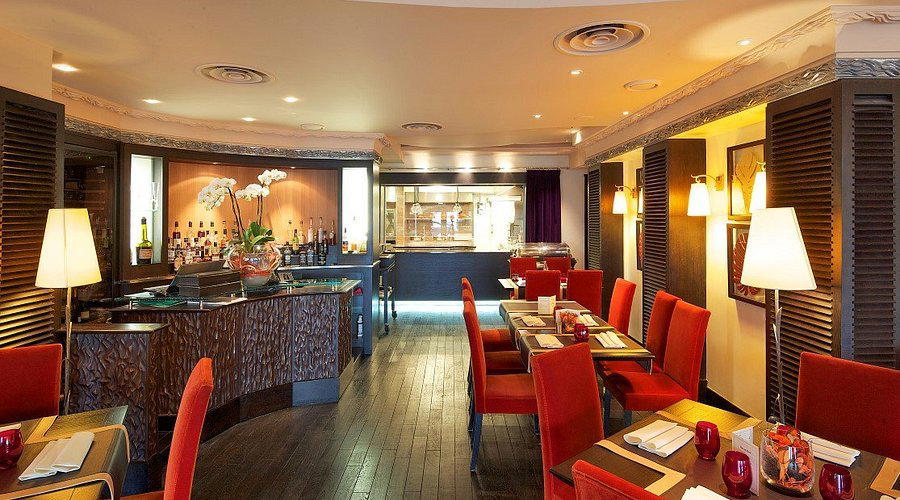
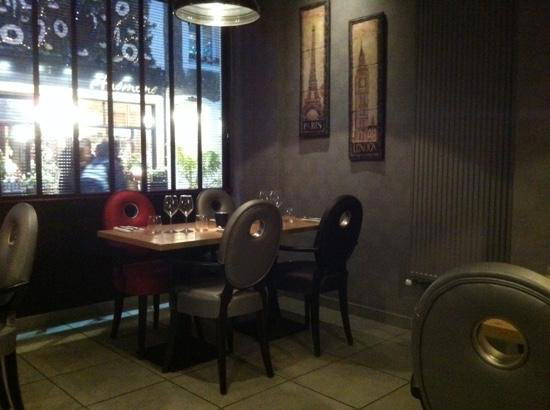
The Boulevard de la Résistance address places Le Channel close to the Calais waterfront, and the setting reflects that proximity: this is a dining room oriented around the sea rather than around spectacle. A Michelin Plate recognition in both 2024 and 2025 signals consistent kitchen standards without the formality of a starred room, so expect attentive service in a composed but unpretentious environment.
What distinctions does Le Channel have?
Le Channel has received recognition including: Michelin Plate (2025); Michelin Plate (2024).
What do regulars order at Le Channel?
With a cuisine type listed as seafood and a location at the edge of the Strait of Dover, the menu follows the logic of the northern French coastal calendar: whatever the Strait is yielding at a given time of year. Regulars in this kind of restaurant tend to trust the catch of the day over set-piece dishes, since proximity to source is the kitchen's core advantage. The Michelin Plate recognition across two consecutive years suggests the kitchen handles that produce consistently.
Cuisine and Credentials
| Venue | Cuisine | Price | Awards | Notes |
|---|---|---|---|---|
| Le ChannelThis venue (the venue you are viewing) | Traditional French with Modern Seafood Focus | $30–50 | Michelin Plate | Not listed |
| Aquar'aile | Classic French Seafood | $50–100 | Michelin Plate | Seafood |
| Histoire Ancienne | Classic French Bistro | $30–50 | Michelin Bib Gourmand | Traditional Cuisine |
| Le Grand Bleu | Modern French Seafood | $30–50 | Michelin Plate | Modern Cuisine |
Recognition history
Dated appearances from independent guides and award organizations, with the underlying list record or original source where available.
Michelin Plate
Michelin
Full recognition history (2 entries)
Michelin Plate
Michelin
Continue exploring
More in Calais
Restaurants in Calais
All restaurants in Calais →
Bars in Calais
Browse all →
Details
- Elegant
- Cozy
- Sophisticated
- Date Night
- Special Occasion
- Family
- Open Kitchen
- Wine Cellar
- Extensive Wine List
- Local Sourcing
- A La Carte
- Wine
- Vegetarian Friendly
- Gluten Free Options
Current opening hours
- Monday
- 12–2 PM, 6–9 PM
- Tuesday
- Closed
- Wednesday
- 12–2 PM, 6–9 PM
- Thursday
- 12–2 PM, 6–9 PM
- Friday
- 12–2 PM, 6–9 PM
- Saturday
- 12–2 PM, 6–9 PM
- Sunday
- 12–2 PM
Hours can change for holidays and private events. Hours as of .
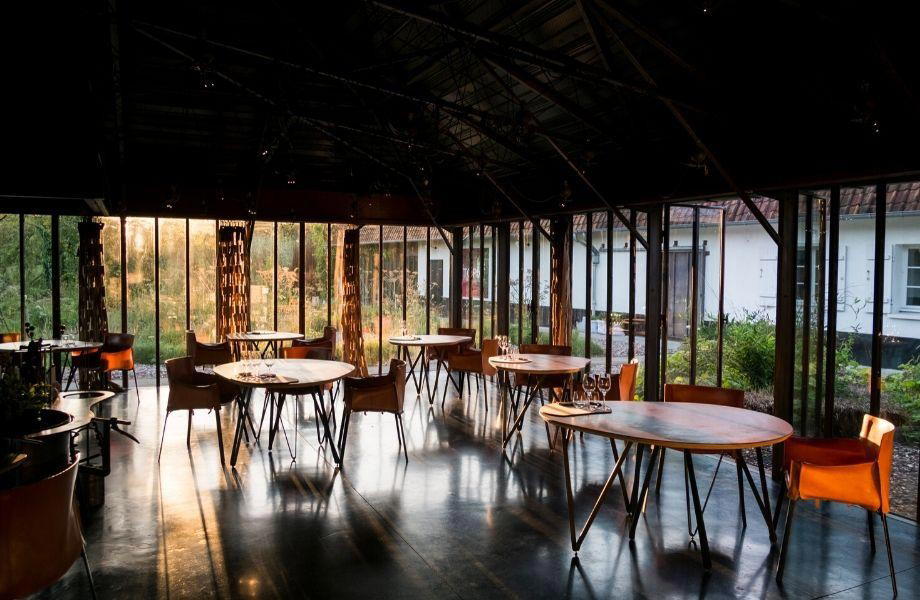
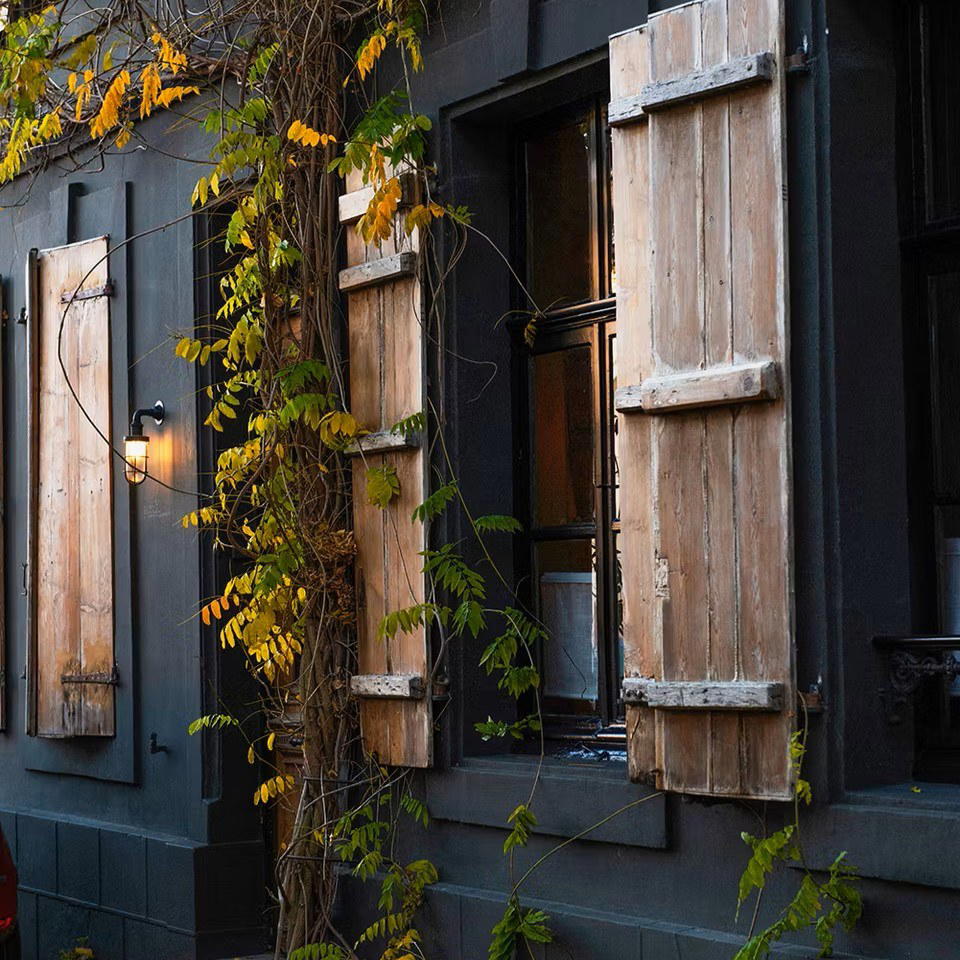
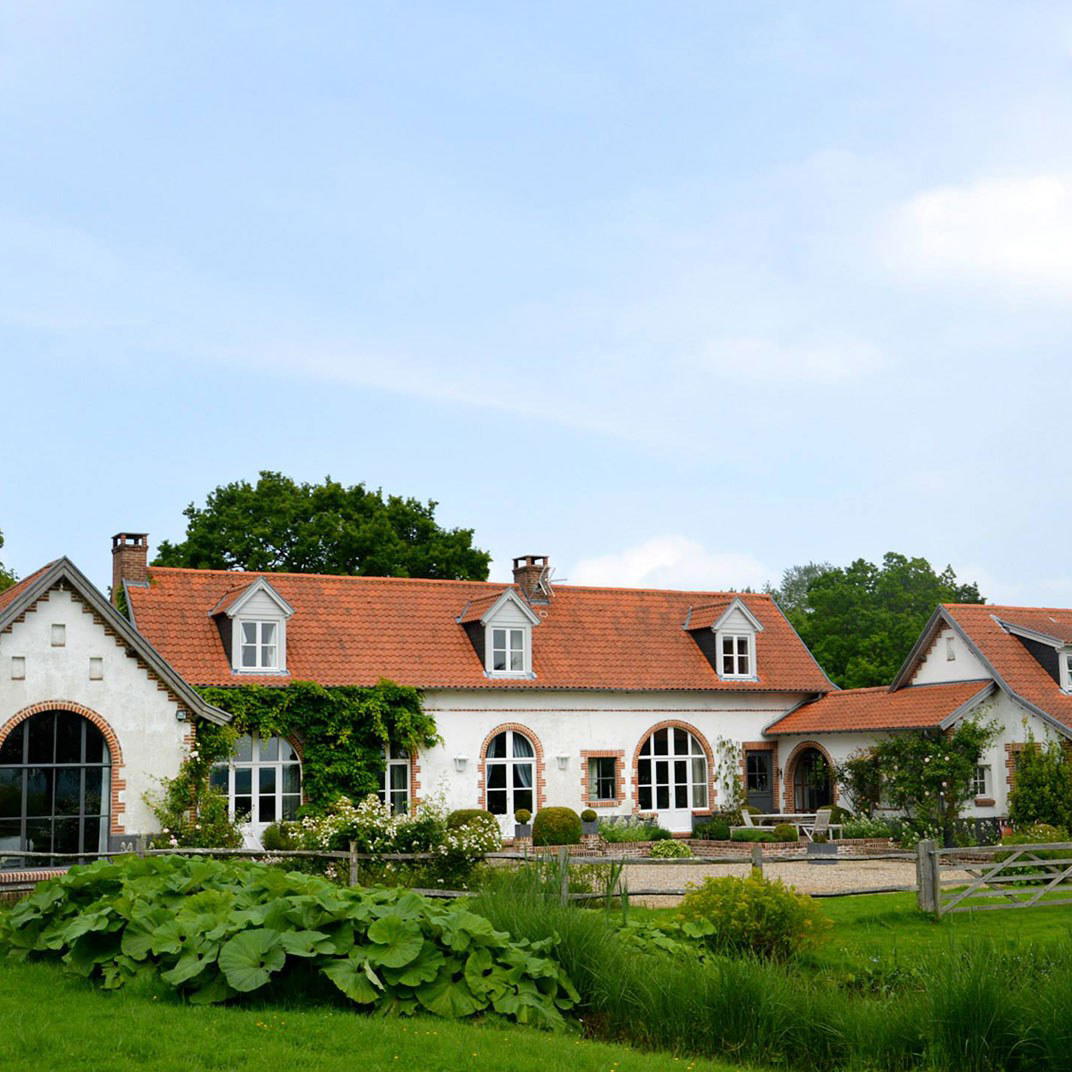
Elegant and warm atmosphere balancing sophistication with relaxation, featuring innovative decor around a 1200-wine cellar and an open kitchen.