
Michelin Plate
Our verdict
On Place Gustave-Toudouze in the 9th arrondissement, Magnolia operates in the register of the neighbourhood bistro done with genuine conviction. Waxed concrete, orange velvet, and a compact natural wine list signal the aesthetic clearly: this is South Pigalle at its most considered. The menu is short, the cooking precise, and the room is reliably packed by early evening.

Pearl is the En Primeur Club membership app, where members save venues, book tables and use the concierge.

South Pigalle and the Bistro That Earns Its Crowd
Place Gustave-Toudouze sits at the quiet end of the 9th arrondissement's bar-and-restaurant corridor, where the blocks between rue des Martyrs and rue Frochot have spent the last decade establishing SoPi as one of the more credible dining pockets in Paris. The neighbourhood's identity is built on small rooms, precise menus, and a resistance to the kind of theatrical production that defines dining at, say, Alléno Paris au Pavillon Ledoyen or Le Cinq at the Four Seasons George V. Magnolia operates squarely within that SoPi register, and the fact that it is consistently packed is the most direct critical signal available.
The Parisian bistro has been declared dead and resurrected so many times that the commentary has become a genre of its own. What persists, across each supposed revival, is the same underlying formula: a short menu with seasonal ingredients, a room that prioritises character over comfort, wine sourced with more care than the price might suggest, and service that knows when to engage and when to leave you alone. Magnolia executes that formula with enough specificity to distinguish itself from the neighbourhood's lookalike competitors.
The Room: A Considered 1970s Register
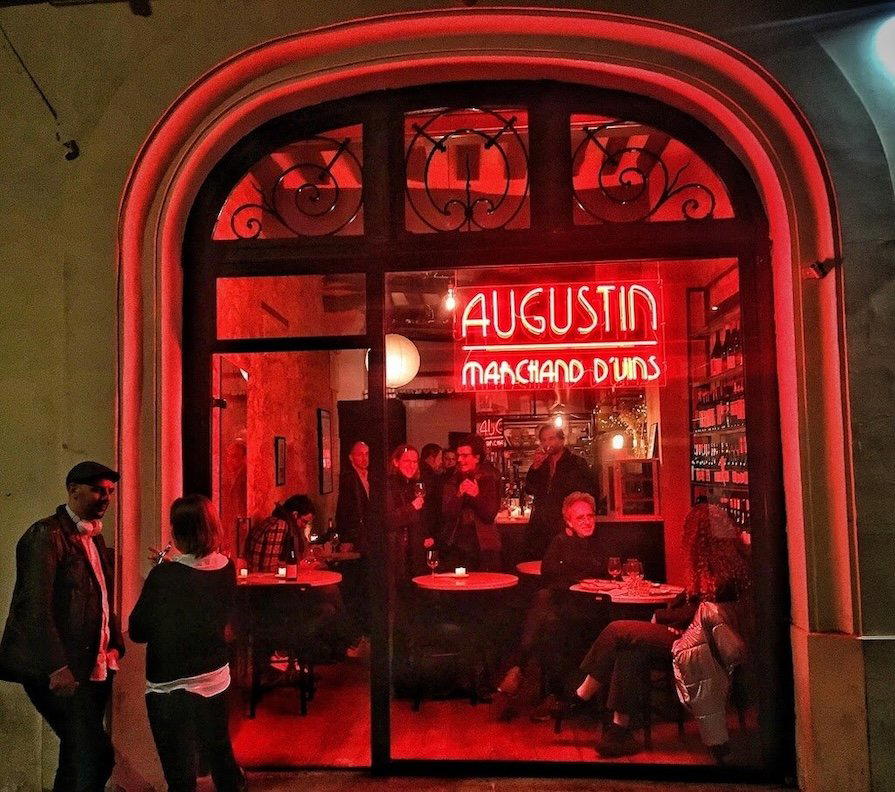
The interior reads as a deliberate evocation of a chic 1970s Parisian flat, with waxed concrete floors, orange velvet seating, and contemporary artwork distributed across the walls. The combination could easily tip into costume, but the execution holds at something warmer and more coherent. In the evening, candles lit behind linen curtains create exactly the kind of soft, amber interior that draws the attention of people walking past on the square, a small detail that says something about how the room has been thought through.
This kind of atmosphere-led design is not incidental in SoPi. The neighbourhood's more serious venues have understood for some time that the physical environment is part of the editorial statement. Magnolia's 1970s reference sits in a different register from the stripped-back minimalism at Kei or the classical grandeur of L'Ambroisie on the Place des Vosges. It is a bistro that wants to feel like someone's apartment, and it largely succeeds.
The Menu: Compact, Balanced, Precise
The cooking at Magnolia sits within the French bistro tradition as it has evolved in the last decade: seasonal product, restrained technique, flavour combinations that work without demanding explanation. The menu is described as compact, which in this context is a structural choice rather than a limitation. A short menu in a small room signals confidence in sourcing and a willingness to change dishes when the produce dictates.
Two dishes from the current framing of the menu illustrate the approach clearly. Seared line-caught mackerel with a salsa verde brings together a strong, oily fish and an acidic, herb-forward sauce, a combination that requires the mackerel to be fresh enough to hold up to the contrast, and the salsa to be made with enough conviction to cut through the fat. A shallot, bone marrow, and Comté tartlet occupies different territory: rich, warming, built around sweetness from the shallot, depth from the marrow, and structure from the cheese. These are ideas with clear logic, not dishes assembled for visual complexity.
French regional cooking at its more celebrated addresses, from Bras in Laguiole to Auberge de l'Ill in Illhaeusern, has always drawn much of its authority from an almost obsessive relationship with local product and terroir. The Parisian neighbourhood bistro is a different animal, it cannot claim the same geographic rootedness, but the leading versions of it apply a similar discipline to sourcing and menu brevity. Magnolia is working within that tradition.
The Wine List: Natural, Sourced with Care
The natural wine program is an integral part of the Magnolia proposition, not an afterthought. In SoPi and across the adjacent 10th and 18th arrondissements, natural wine has moved from a positioning statement to a genuine expectation. The question for any serious bistro in 2024 is no longer whether the list is natural, but how carefully it has been assembled and how well it connects to the food.
Magnolia's list is described as carefully sourced, which in this context implies a coherent selection rather than an exhaustive one. That aligns with the broader format: a compact wine list paired with a compact menu, both chosen with enough precision that the combinations are considered rather than accidental. For a city that produces some of France's most discussed wine lists, from the programmes at destination addresses like Arpège to the celebrated selections at Flocons de Sel in Megève, a neighbourhood bistro's wine credibility is built on curation rather than length.
Magnolia is not competing in the same category as the three-star rooms or the destination tasting-menu formats. That is a competitive cohort with its own rigorous standards: room atmosphere, wine sourcing, menu focus, and the kind of service that reads a table without being asked to.
The fact that Magnolia is consistently full is the operative data point. The broader French dining tradition, from the grand maisons like Troisgros in Ouches and Paul Bocuse in Collonges-au-Mont-d'Or to the neighbourhood bistro, rewards consistency above novelty. Magnolia has read that correctly.
Service here is described as laid-back and efficient, a combination that is harder to achieve than it sounds. Laid-back service in a packed room without the efficiency component produces frustration; efficiency without the ease produces a different kind of rigidity. The balance is, across Paris and beyond in cities like New York, what separates the neighbourhood institutions from the venues that come and go.
Planning Your Visit
Magnolia is at 5 rue Henry-Monnier in the 9th arrondissement, directly on Place Gustave-Toudouze. The square is walkable from Notre-Dame-de-Lorette or Pigalle Métro stations. Given that the room is reliably packed, arriving without a reservation, particularly on weekend evenings, is a gamble worth taking only if you are prepared to wait or return. Advance booking through whatever channel the venue currently uses is the more reliable approach. For the broader dining picture across the city, our full Paris restaurants guide maps the major options by neighbourhood and price tier. For hotels, bars, wineries, and experiences, see our Paris hotels guide, our Paris bars guide, our Paris wineries guide, and our Paris experiences guide.
Frequently asked questions
What's the must-try dish at Magnolia?
The shallot, bone marrow, and Comté tartlet represents the kitchen's approach most clearly: a combination built on layered richness rather than visual complexity, with each element contributing something structurally distinct. The line-caught mackerel with salsa verde is the other reliable reference point, and the two dishes together give a reasonable picture of where the menu sits between lightness and depth.
Do they take walk-ins at Magnolia?
The room is described as often packed, which in SoPi on a Thursday or Friday evening is a practical caution. Walk-ins are possible, particularly at quieter times earlier in the week or at the start of service, but the more reliable approach for a specific evening is to book in advance. Given the bistro format and the neighbourhood's dining density, flexibility on timing will always help.
What's the defining dish or idea at Magnolia?
Defining idea is probably the menu's structure rather than any single dish: a short, well-balanced selection that treats seasonal product with restraint and applies clear flavour logic rather than technical showmanship. That positions it within the better tradition of the Parisian neighbourhood bistro, where the discipline is in what is left off the menu as much as what appears on it.
Can Magnolia adjust for dietary needs?
With a compact menu that changes with the season and sourcing, the kitchen's flexibility on dietary adjustments will depend on what is currently being served. The most practical approach is to raise any requirements at the point of booking or at the start of service. For venues in Paris where the menu is this focused, early communication gives the kitchen the leading chance to accommodate specific needs.
Is Magnolia typical of South Pigalle's dining scene, or does it occupy a distinct position within the neighbourhood?
SoPi has a high concentration of natural-wine bistros with short seasonal menus, and Magnolia shares the broad format with several of its neighbours. What gives it a distinct position within that cohort is the deliberate atmosphere of the room, the waxed concrete, orange velvet, and candlelit evening setting create a more considered interior than many comparable addresses, alongside a sustained reputation for being reliably full, which in a competitive area like the 9th arrondissement is a meaningful differentiator. For the wider range of options across Paris restaurants, including contrasting formats and price tiers, the EP Club guide covers the full picture. International benchmarks in the French tradition, from Mirazur in Menton to Emeril's in New Orleans, illustrate how differently the French dining sensibility translates across contexts.
Quick Comparison
Comparable venues nearby, for context on price, style, and recognition.
| Venue | Cuisine | Price | Awards | Notes |
|---|---|---|---|---|
| MagnoliaThis venue (the venue you are viewing) | Modern French Neo-Bistro | $50–100 | Michelin Plate | Not listed |
| Le Bon Georges | Classic French Bistro | $50–100 | Star Wine List · Wine Spectator Grand Award | 9th arrondissement |
| Bombance | Modern French Bistronomic | $30–50 | Michelin Plate | Le Marais |
| Restaurant Pirouette | Modern French Bistronomy | $50–100 | Not listed | Les Halles, 1st arrondissement |
| Terra | Modern French Bistro | $50–100 | Michelin Plate · Star Wine List | Le Marais |
| Maison Cluny | Seasonal French Bistro | $50–100 | Michelin Plate | Latin Quarter |
Recognition history
Dated appearances from independent guides and award organizations, with the underlying list record or original source where available.
Michelin Plate
Michelin
Continue exploring
More in Paris
Restaurants in Paris
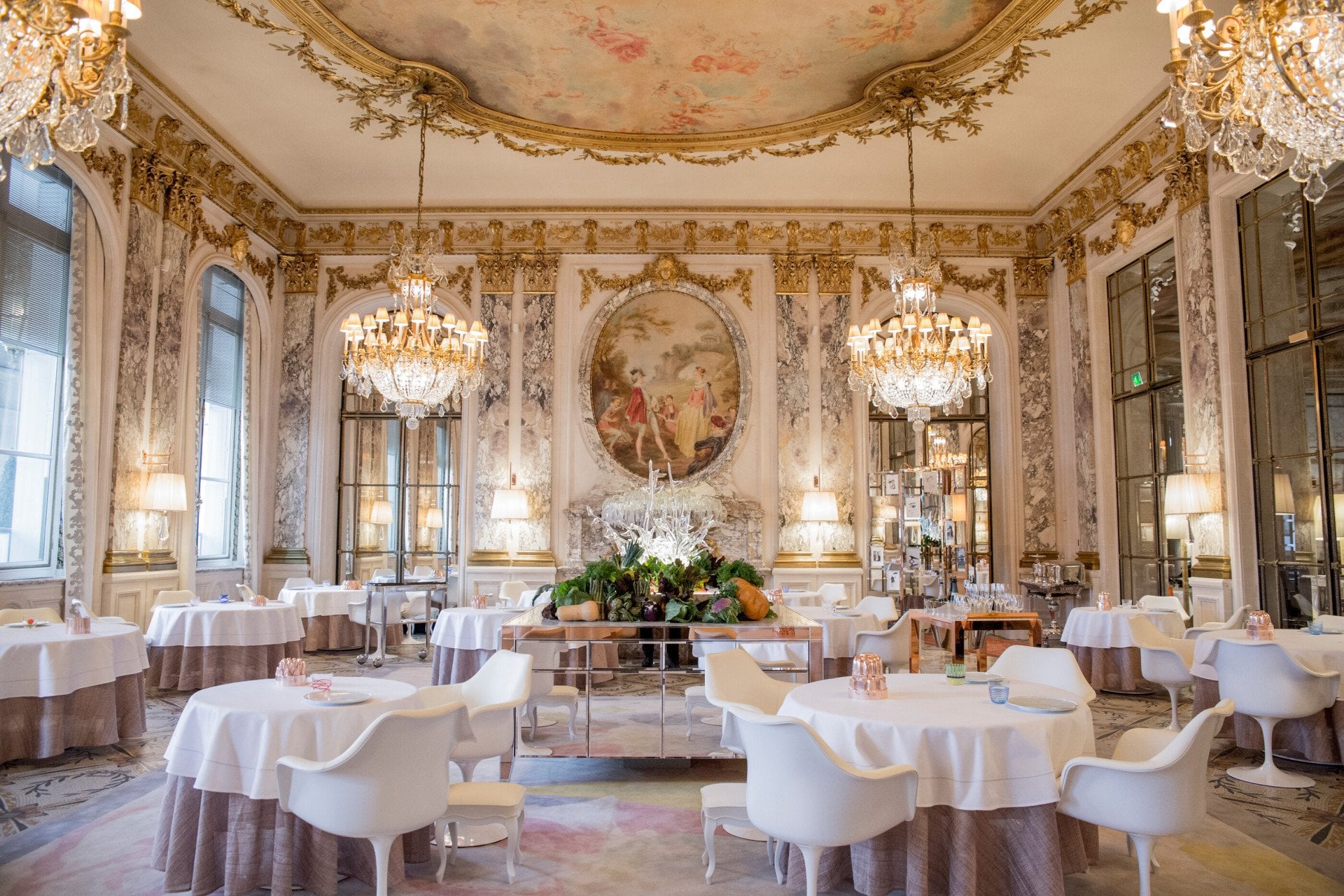
All restaurants in Paris →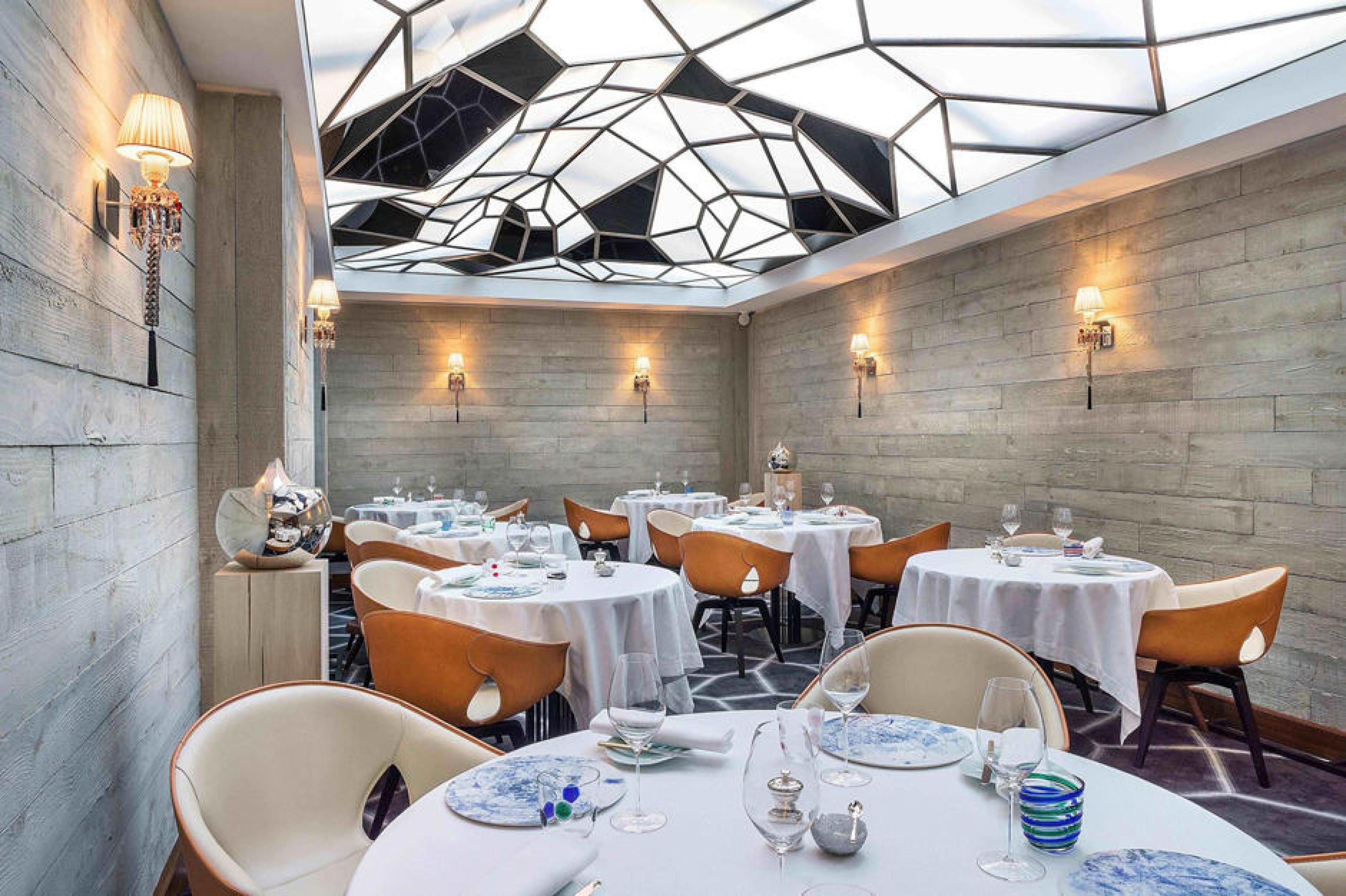
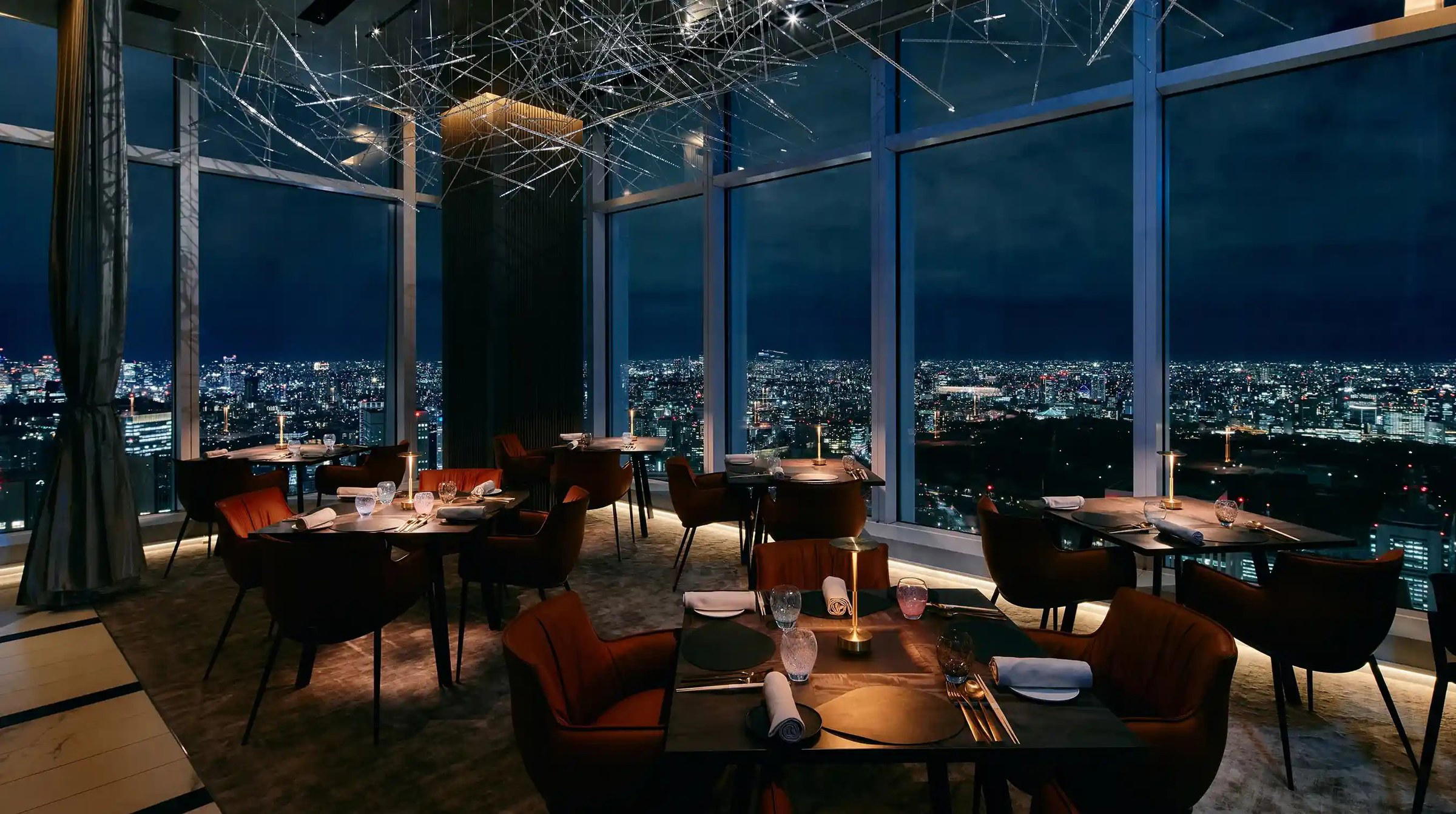
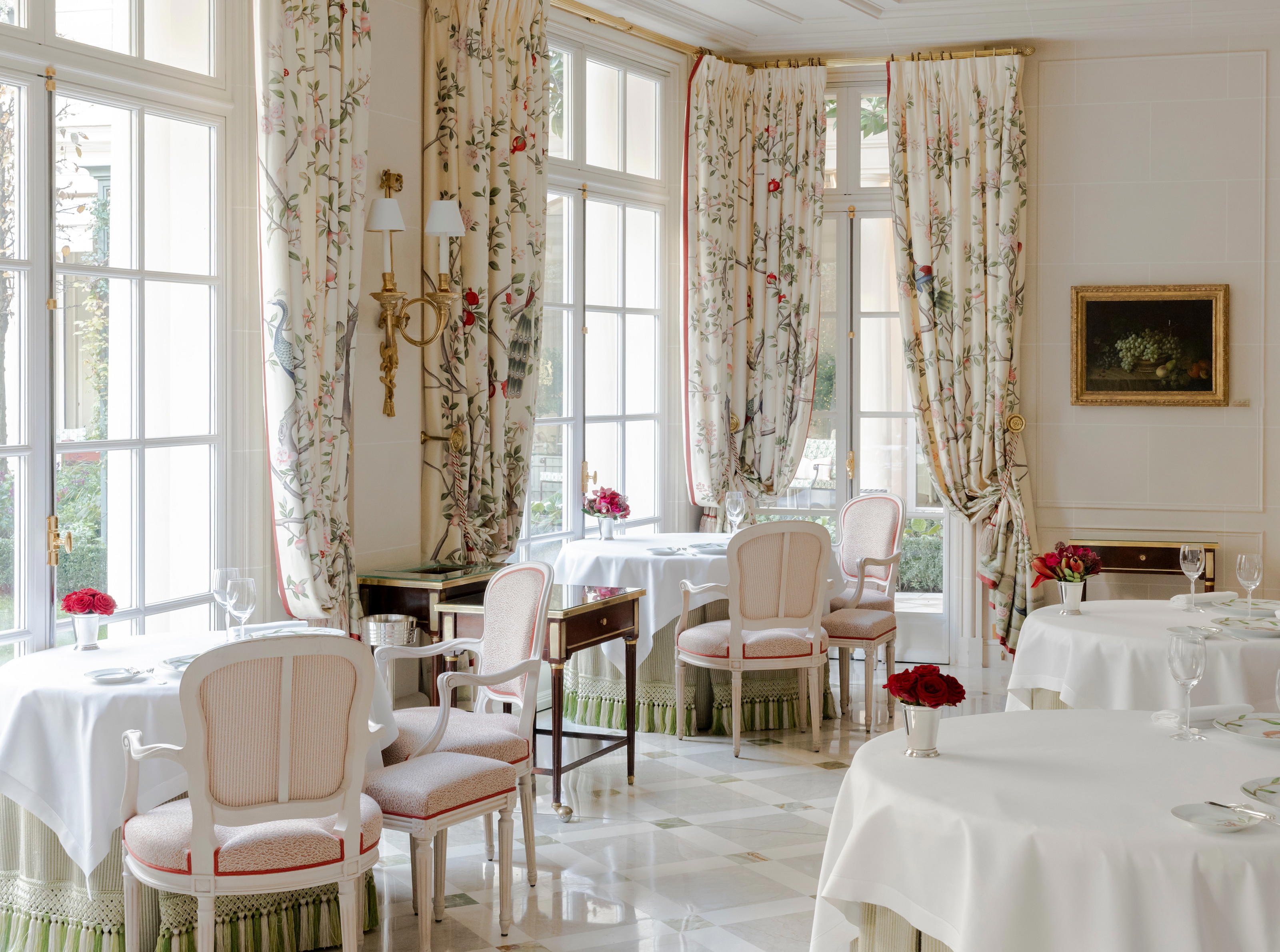
Bars in Paris
All bars in Paris →
Hotels in Paris
All hotels in Paris →
Details
- Trendy
- Cozy
- Elegant
- Intimate
- Modern
- Date Night
- Group Dining
- Special Occasion
- Open Kitchen
- Natural Wine
- Natural Wine
- Small Plates
- A La Carte
Current opening hours
- Monday
- Closed
- Tuesday
- 7–10:30 PM
- Wednesday
- 7–10:30 PM
- Thursday
- 12:30–2 PM, 7–10:30 PM
- Friday
- 12:30–2 PM, 7–10:30 PM
- Saturday
- 12:30–2:30 PM, 7–10:30 PM
- Sunday
- Closed
Hours can change for holidays and private events. Hours as of .
Warm, trendy atmosphere evoking a chic 1970s flat with waxed concrete, orange velvet, contemporary artwork, candlelight, and dim lighting.