Formia sits at the southern edge of Lazio, where the Tyrrhenian coast shapes what ends up on the plate, and Magie di Pizza on Via Alcide de Gasperi occupies a spot in a town that takes its bread and dough traditions seriously. The pizzeria draws on the agricultural and coastal supply chain that defines this stretch of the Pontine Riviera, placing it within a category of southern Italian pizza that treats ingredient provenance as the main event.
Pearl is the En Primeur Club membership app — saves, bookings, and concierge access live there. Same editors, same standards.
- Address
- Via Alcide de Gasperi, 3, 04023 Formia LT, Italy
- Phone
- +39771902801
- Website
- menudigitale.io
- Directions
- Get directions
 Saves & bookings on Pearl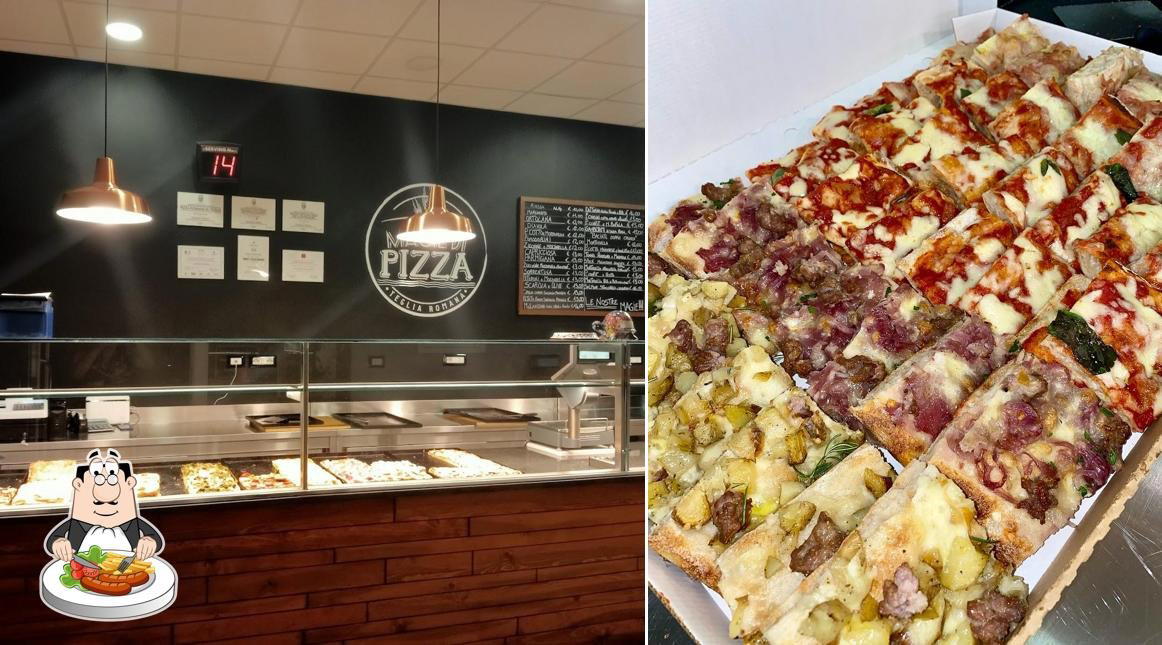
Where the Dough Meets the Coast: Pizza in Formia's Ingredient Context
The stretch of coastline running south from the Pontine plain toward Campania has always been a productive borderland. Formia sits roughly halfway between Rome and Naples, which means it inherits something from both cities' food cultures without being fully claimed by either. The town's market stalls reflect that position: local buffalo mozzarella from the nearby Caserta plain, olive oil from the hillside groves above Gaeta, tomatoes from the volcanic soils that intensify as you move toward the Campanian border. For a pizzeria operating in this geography, ingredient sourcing is not an abstract commitment. It is what the surrounding countryside makes available.
Magie di Pizza, on Via Alcide de Gasperi in central Formia, operates within this supply context. The address puts it in the civic core of a mid-sized Lazio coastal town, close enough to the seafront that the air carries some salinity, and within walking distance of the kind of daily market infrastructure that southern Italian food culture still takes seriously. Approaching the street on foot, the neighbourhood reads as local rather than tourist-facing: the clientele is predominantly from Formia itself, which tends to be the more reliable signal for whether a pizzeria is genuinely embedded in its territory.
The Campanian Inheritance and Why Formia Is Interesting
Pizza in this part of Italy occupies a contested middle ground. Formia is technically in Lazio, but the culinary gravitational pull from Naples is considerable. The Neapolitan tradition, codified by the Associazione Verace Pizza Napoletana and increasingly documented by international food press, insists on specific flour types, fermentation windows, and oven temperatures. Formia-area pizzerias often adopt this framework while adapting it to what the local agricultural belt supplies, producing a regional variant that sits just outside the strict Neapolitan canon.
That distinction matters because it shapes the ingredient conversation. In the Naples tradition, the DOP San Marzano tomato and fior di latte from Agerola are near-mandatory reference points. In Formia, the supply chain tilts slightly differently: the Gaeta olive, the buffalo dairy operations of the Pontine zone, and the fishing port activity that makes fresh seafood available for white-base pizzas. A pizzeria working honestly within this geography will reflect those local inputs rather than simply reproducing a Neapolitan template. The sourcing question, in other words, is also a question about culinary identity.
This kind of place belongs to a category that has little overlap with the multi-starred Italian fine dining circuit. Venues like Osteria Francescana in Modena, Enoteca Pinchiorri in Florence, or Le Calandre in Rubano operate in an entirely separate register, as do the coastal fine-dining operations like Quattro Passi in Marina del Cantone or Uliassi in Senigallia. What connects them is a shared emphasis on Italian ingredient integrity, even if the format, price point, and ambition differ by an order of magnitude. The leading argument for a neighbourhood pizzeria in Formia is that it operates where ingredient access is immediate and the supply chain is short.
Dough, Provenance, and What the Region Provides
In southern Italian pizza culture, the quality argument increasingly centres on the grain rather than the topping. Artisan mills in Campania and Molise have expanded the conversation around heritage wheat varieties, longer fermentation, and hydration levels that produce a more digestible cornicione. Whether a given pizzeria is sourcing within that framework or working with standard commercial flour is a distinction that serious pizza eaters in Italy now ask about explicitly. It is also a distinction that tends to separate places cooking for the local market, where repeat customers notice, from places cooking for transient visitors who will not return to form an opinion.
The Formia area's broader agricultural identity reinforces why ingredient sourcing is the right editorial lens here. The Pontine Riviera is not a landscape that produces anonymous inputs. Gaeta olives have a DOC designation and a flavour profile distinct enough that regional oil mills compete on them seriously. The buffalo mozzarella operations on the Campanian border run close enough to supply daily rather than through a distribution chain that ages the product. Anchovies from the Gaeta fishing fleet appear in local food culture as a serious ingredient rather than a pizza afterthought. A pizzeria drawing on any of these inputs is making a different product than one sourcing from a regional wholesale catalogue.
Formia in the Wider Italian Pizza Conversation
Italy's pizza culture has diversified considerably over the past decade. The Neapolitan template remains dominant in international perception, but within Italy, distinct regional traditions have asserted themselves more confidently: the Roman-style teglia, the fried pizza of the Quartieri Spagnoli, and the various coastal formats that put fresh seafood on a white base. Formia sits at the junction of several of these traditions, close enough to Naples to feel its influence, but far enough north that Lazio food culture leaves its own mark.
That position makes the town a legitimate stop for anyone moving along the Tyrrhenian coast between Rome and the Amalfi area. Our full Formia restaurants guide covers the broader dining context, including the seafood restaurants and trattorias that make up the rest of the local scene. For reference points further along the Italian coast, Gambero Rosso in Marina di Gioiosa Ionica represents the southern Italian seafood register at its most serious, while Reale in Castel di Sangro demonstrates how the inland Apennine supply chain feeds a different kind of creative Italian cooking. None of these are direct competitors to a Formia pizzeria, but they map the range of what Italian ingredient-focused cooking looks like across the peninsula's geography.
Magie di Pizza is at Via Alcide de Gasperi, 3, in central Formia. For practical planning, Formia is served by the main Rome-Naples rail line, with Formia-Gaeta station roughly a kilometre from the address, making arrival by train from either city direct. The town itself is compact enough to reach most central addresses on foot from the station.
How Magie di Pizza Formia compares with similar nearby venues.
| Venue | Cuisine | Price |
|---|---|---|
| Dolia Gaeta | Contemporary | €€€ |
| Riso Amaro | Modern Cuisine | €€ |
| Da Fausto | Country cooking | €€ |
| Evan's | Classic Cuisine | € |

At a Glance
- Rustic
- Casual Hangout
- Family
Current opening hours
- Monday
- Closed
- Tuesday
- 6–10 PM
- Wednesday
- 6–10 PM
- Thursday
- 6–10 PM
- Friday
- 6–10 PM
- Saturday
- 6–10 PM
- Sunday
- 6–10 PM
Hours can change for holidays and private events. Last verified .
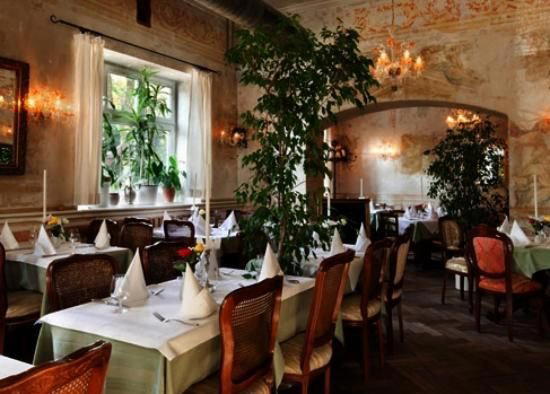
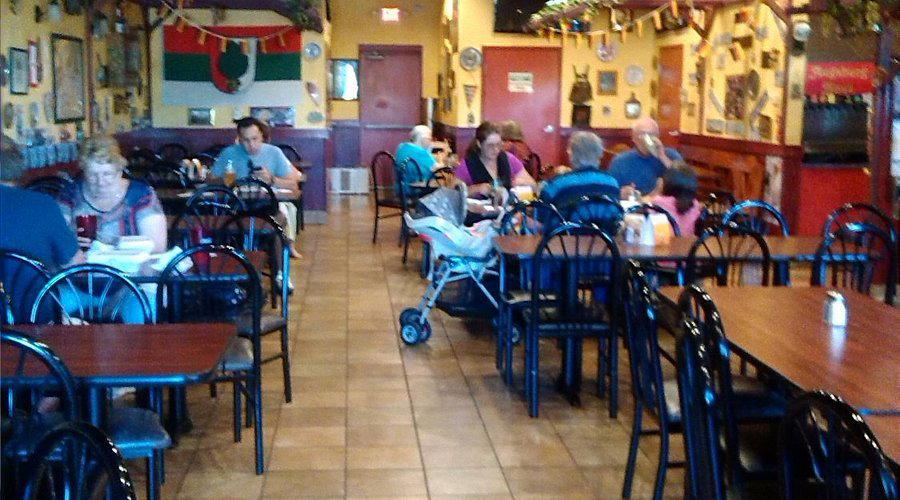
Casual pizzeria atmosphere focused on quality pizza craftsmanship.
Know Before You Go
- Getting there
- Via Alcide de Gasperi, 3, 04023 Formia LT, Italy