MAD
MAD occupies a suite inside River Oaks District at 4444 Westheimer Rd, positioning itself within Houston's most competitive stretch of fine dining. The kitchen works at the intersection of global culinary technique and Gulf Coast ingredients, a pairing that defines Houston's most ambitious restaurant tier. Confirm current hours and booking directly before visiting.
Pearl is the En Primeur Club membership app — saves, bookings, and concierge access live there. Same editors, same standards.
- Address
- 4444 Westheimer Rd Suite C180, Houston, TX 77027
- Phone
- +12818882770
- Website
- madhouston.com
- Directions
- Get directions
 Saves & bookings on Pearl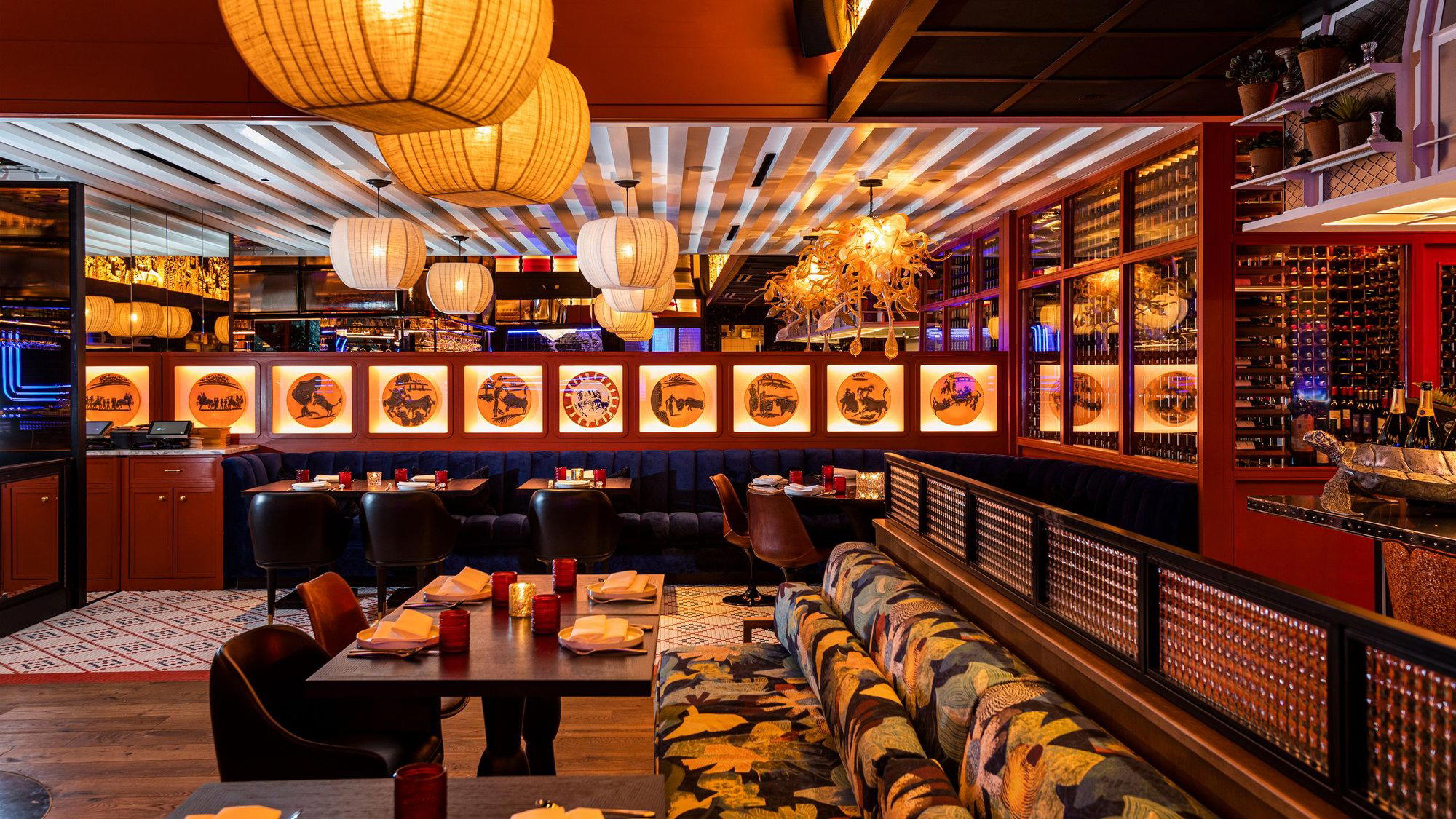
Where River Oaks District Places Its Bets on Serious Dining
River Oaks District on Westheimer has become Houston's clearest signal of where the city's dining ambitions are pointed. The retail-and-restaurant complex sits at an address where landlords attract operators who need a specific kind of foot traffic: expense-account regulars and destination diners. MAD, in Suite C180 at 4444 Westheimer, occupies that environment deliberately. The surroundings prime a certain expectation before you arrive at the door.
Houston's fine dining map has reorganized considerably over the past decade. The city's restaurants now split between two legible poles: a mid-market layer of smart, neighbourhood-driven rooms running around two dollar signs, and a smaller cluster of serious-ambition kitchens operating at four. MAD's address and positioning place it inside that upper cluster, where it competes for the same dinner against rooms like March, with its Venetian-inflected tasting format, and Musaafer, which has built a case for premium Indian cuisine at a price point that would have seemed improbable in Houston a decade ago. The fact that all three can hold that positioning in the same city says something useful about Houston's dining range.
The Logic Behind Local-Ingredient, Global-Technique Kitchens
The editorial angle worth understanding here is not specific to MAD alone. Across American fine dining, a structurally interesting format has taken hold: kitchens that source with geographic specificity, Gulf shrimp, Texas heritage pork, Hill Country produce, and then apply techniques drawn from French brigades, Japanese precision, or Nordic fermentation. This is not fusion in the older, looser sense. It is a more disciplined argument: that the leading version of a Gulf Coast ingredient is not always the simplest preparation, and that imported method can serve indigenous product rather than overwhelm it.
Houston is a particularly good city for this kind of kitchen. The Gulf of Mexico provides a seafood supply that rivals the Pacific Northwest in variety, if not always in public profile. Texas ranching culture means premium beef and heritage breeds are available at scale. And Houston's own demographic diversity means a kitchen drawing on Southeast Asian spicing, Mexican masa traditions, or West African pepper logic can find both ingredient suppliers and a dining public with the palate to receive it. In that context, a restaurant working at the intersection of global method and local product is not making an exotic argument in Houston. It is making one local argument available.
For reference points on how this format operates at its highest level nationally, consider what Blue Hill at Stone Barns in Tarrytown has built around Hudson Valley sourcing, or what Single Thread Farm in Healdsburg has done with Northern California ingredients through a Japanese kaiseki discipline. MAD's positioning on Westheimer places it in that broader national conversation, even if it is making that argument specifically through the lens of Texas and the Gulf.
Houston's Upper Tier: What the Competitive Set Tells You
Understanding MAD requires situating it against the rooms it actually competes with. At the four-dollar-sign level in Houston, the formats vary considerably. March runs a structured tasting format with Venetian references and a deep wine program. Musaafer makes a case for Indian culinary tradition at a price point that positions it against European-heritage fine dining rather than subcontinental restaurant norms. BCN Taste & Tradition holds the Spanish end of Houston's ambitious dining, and Le Jardinier Houston brings a French vegetable-forward approach into the mix. Tatemó works the masa-focused end of Mexican tradition with enough rigor to sit comfortably above the casual tier.
That variety matters. Houston's premium dining is not organized around a single tradition the way, say, Napa's is organized around Cabernet and French technique. The city's competitive set at the leading is genuinely pluralistic, which creates both opportunity and pressure for any kitchen operating there. A room needs a clear point of view to hold its position in that environment. The local-ingredient, global-technique argument is one coherent answer to that pressure.
Nationally, the kitchens that have made this argument most convincingly include Alinea in Chicago, which applies rigorous modernist technique to American dining, Providence in Los Angeles, with its seafood-first focus and French discipline, and Le Bernardin in New York, where French classical training serves as the structural logic for ingredient-led cooking. Each of those rooms has built its identity on a clear technical methodology rather than a geographic cuisine category. Addison in San Diego and The French Laundry in Napa represent two further variations on how imported European discipline can serve American terroir at the highest level. MAD's address and apparent positioning put it in dialogue with that lineage, even if its specific expression is still being tracked by Houston's critical community.
Planning Your Visit
MAD sits inside River Oaks District, which is accessible from the Galleria area and Upper Kirby, two of Houston's most navigated dining corridors. The complex has dedicated parking, which matters in a city where walkability rarely factors into dinner planning. At this address and price tier, reservations are the operating assumption rather than the exception; the prudent approach is to check current availability through the venue's current booking channel before making other plans around the evening. Houston's upper-tier rooms at this level do not typically hold walk-in capacity on weekend evenings, and the River Oaks District address draws consistent traffic from non-local visitors staying in the area's hotel stock. Timing a visit for a Tuesday or Wednesday evening generally offers more flexibility than the Friday-Saturday window where competition for tables is sharpest across the entire Westheimer corridor.
Recognition, Side-by-Side
Comparable venues nearby, for context on price, style, and recognition.
| Venue | Cuisine | Price | Notes |
|---|---|---|---|
| MADThis venue — the venue you are viewing | Modern Spanish Tapas | $$$$ | Not listed |
| Nobu Houston | Japanese Peruvian Fusion | $$$$ | Galleria |
| Leo's River Oaks | Modern American Steakhouse | $$$$ | Neartown |
| Thirteen | Japanese-American Fusion | $$$$ | Midtown |
| Kuu | Modern Japanese Sushi | $$$$ | Hennessey |
| Winsome Prime | Globally Influenced Fine Dining | $$$$ | Briargrove |
Continue exploring
More in Houston
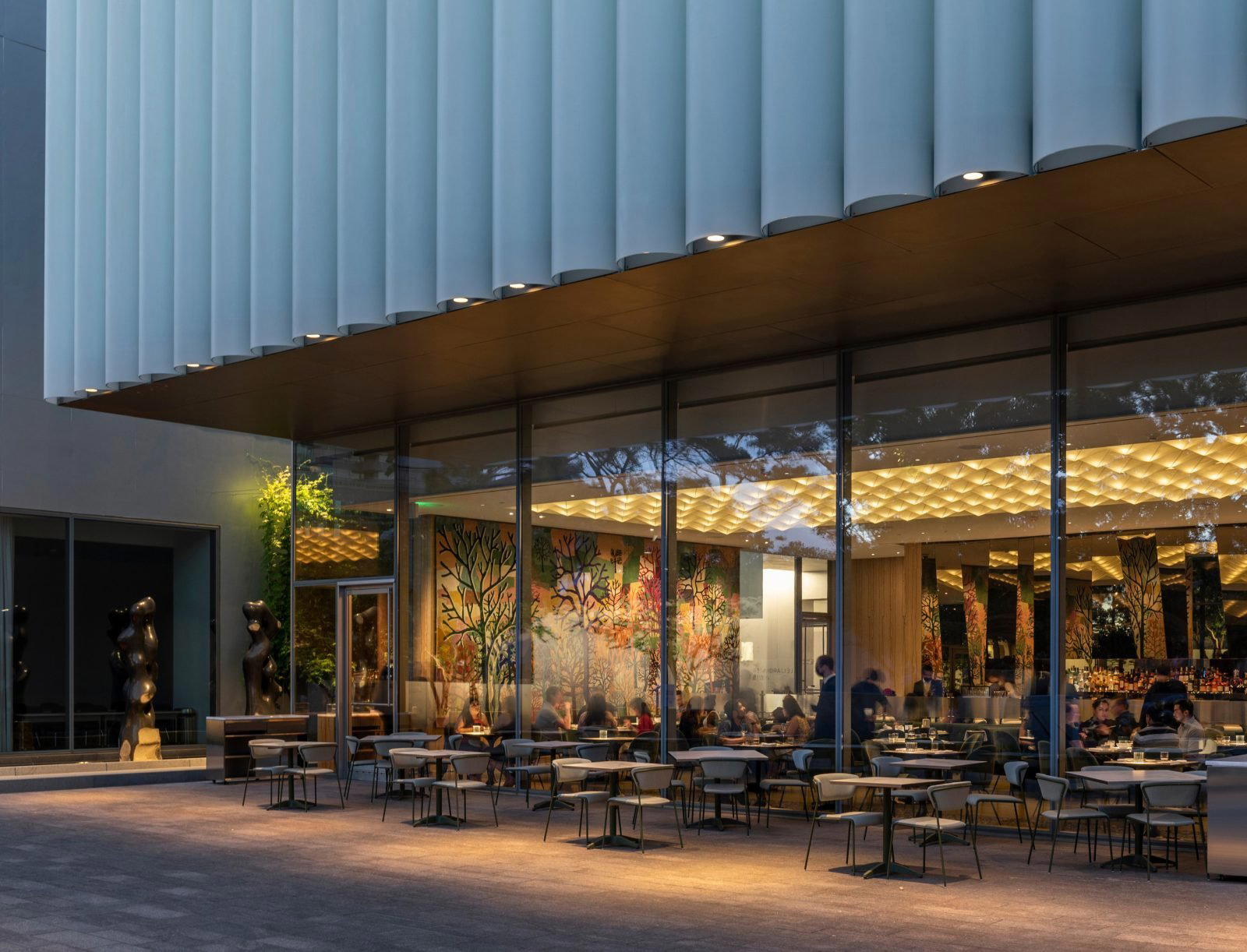
Restaurants in Houston
Browse all →
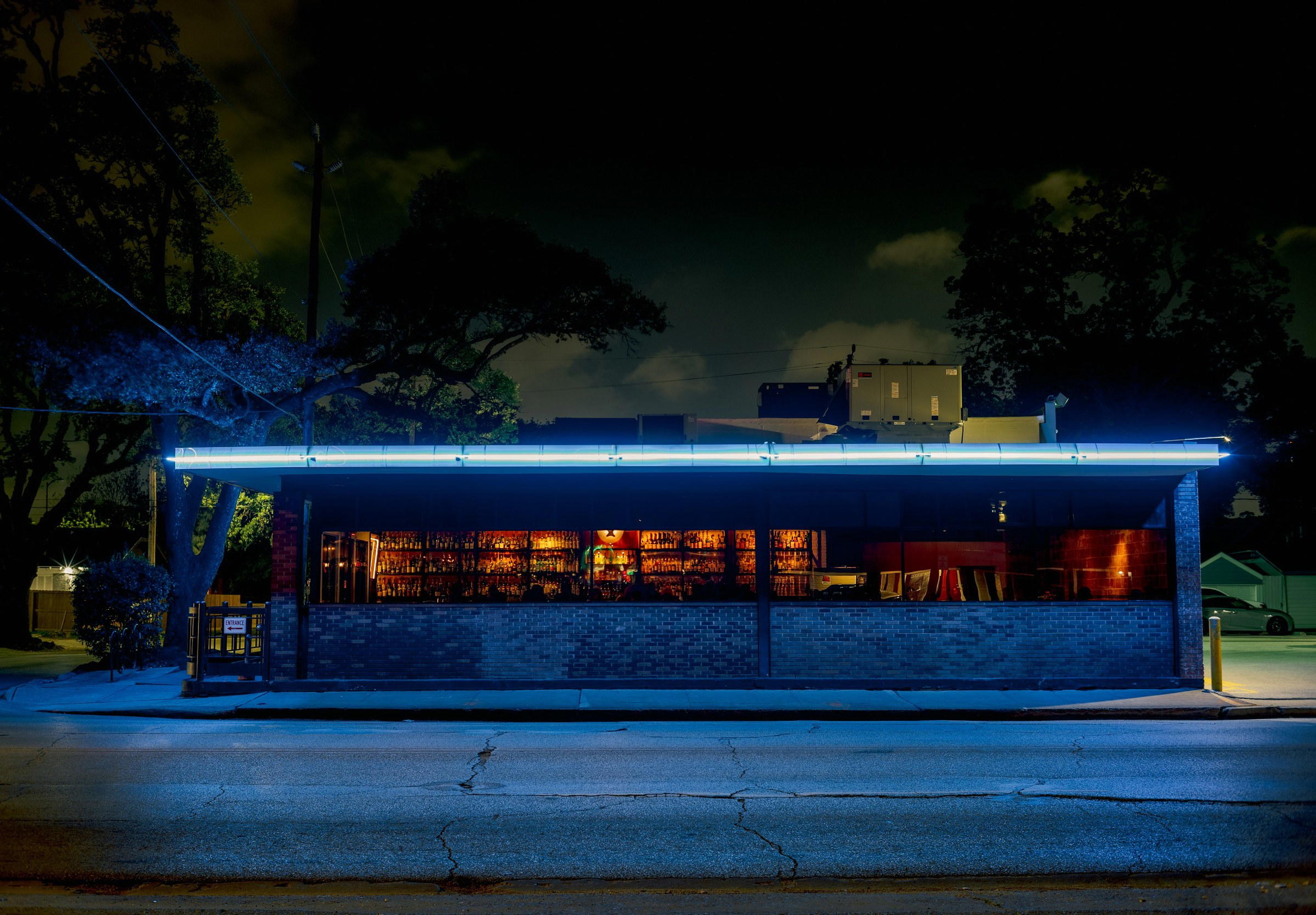
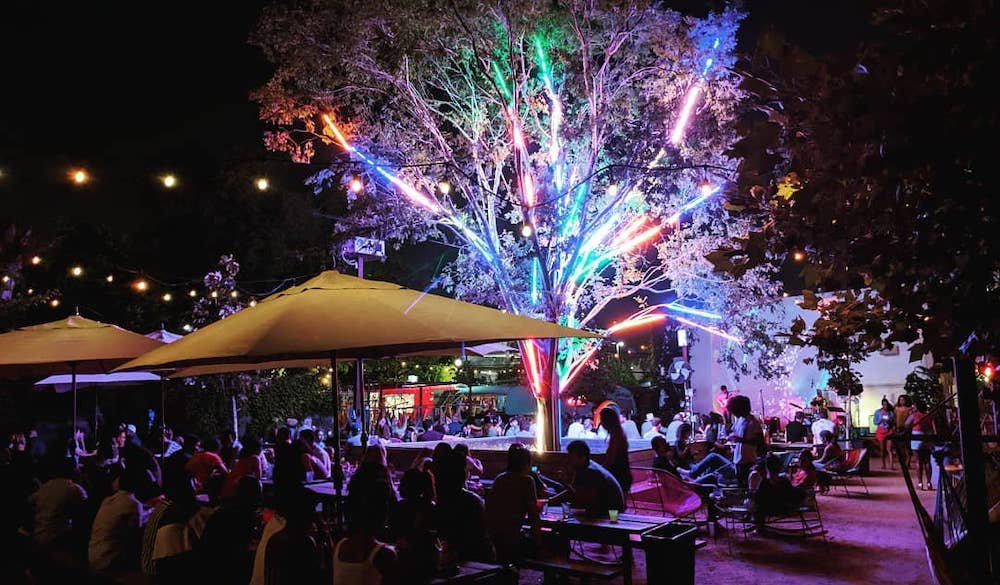
Bars in Houston
Browse all →
Hotels in Houston
Browse all →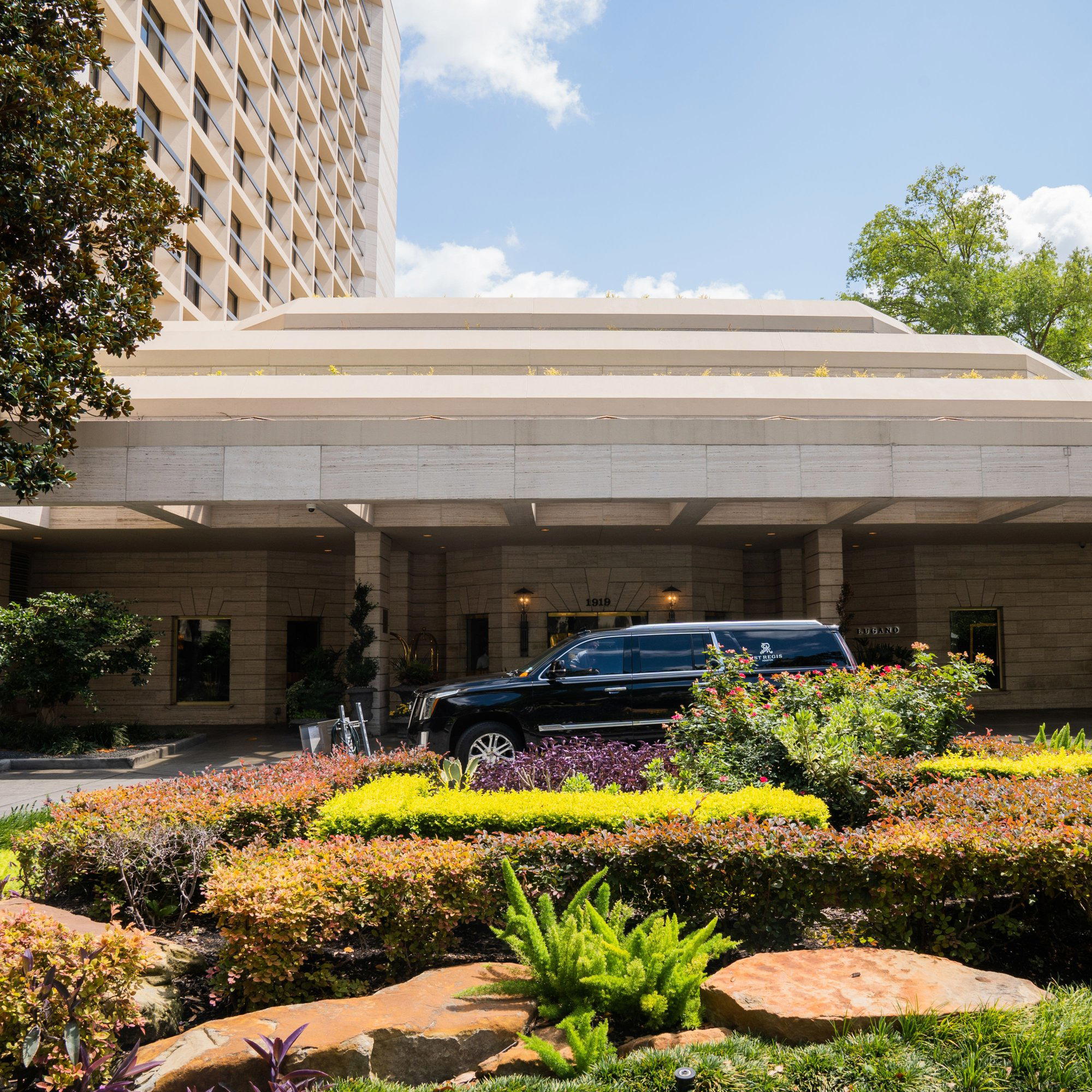
At a Glance
- Trendy
- Modern
- Lively
- Sophisticated
- Date Night
- Special Occasion
- Group Dining
- Open Kitchen
- Craft Cocktails
Current opening hours
- Monday
- 5–9 PM
- Tuesday
- 5–9:30 PM
- Wednesday
- 5–9:30 PM
- Thursday
- 5–9:30 PM
- Friday
- 12–11:30 PM
- Saturday
- 12–11:30 PM
- Sunday
- 5–9 PM
Hours can change for holidays and private events. Last verified .
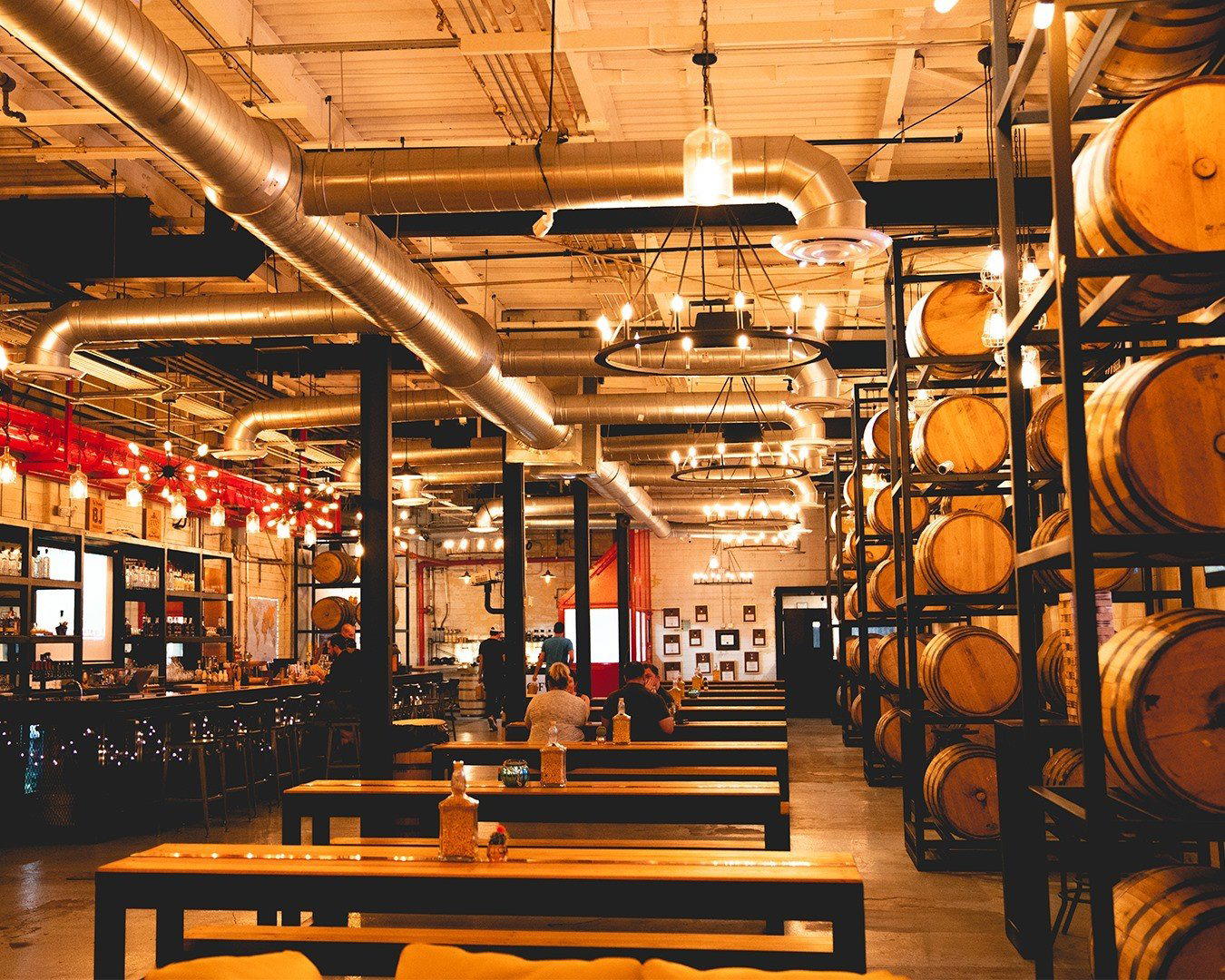
Flashy clubstaurant atmosphere with sensory overload, dim lighting, and lively Madrid-inspired nightlife vibe.