Skip to Main Content
Japanese American Fusion
← Collection
Price≈$50
Dress CodeSmart Casual
ServiceUpscale Casual
NoiseLively
CapacityMedium

Thirteen occupies a considered space in Houston's Midtown dining corridor at 1911 Bagby Street, where the physical design of a room does as much editorial work as the menu. In a city where restaurant ambition increasingly expresses itself through architecture and atmosphere, Thirteen positions itself within the tier of Houston establishments where the container and the content are expected to match.

Pearl is the En Primeur Club membership app — saves, bookings, and concierge access live there. Same editors, same standards.

Plan your visit on PearlPlan Your Visit
Address
1911 Bagby St Suite 100, Houston, TX 77002
Phone
+17138042025
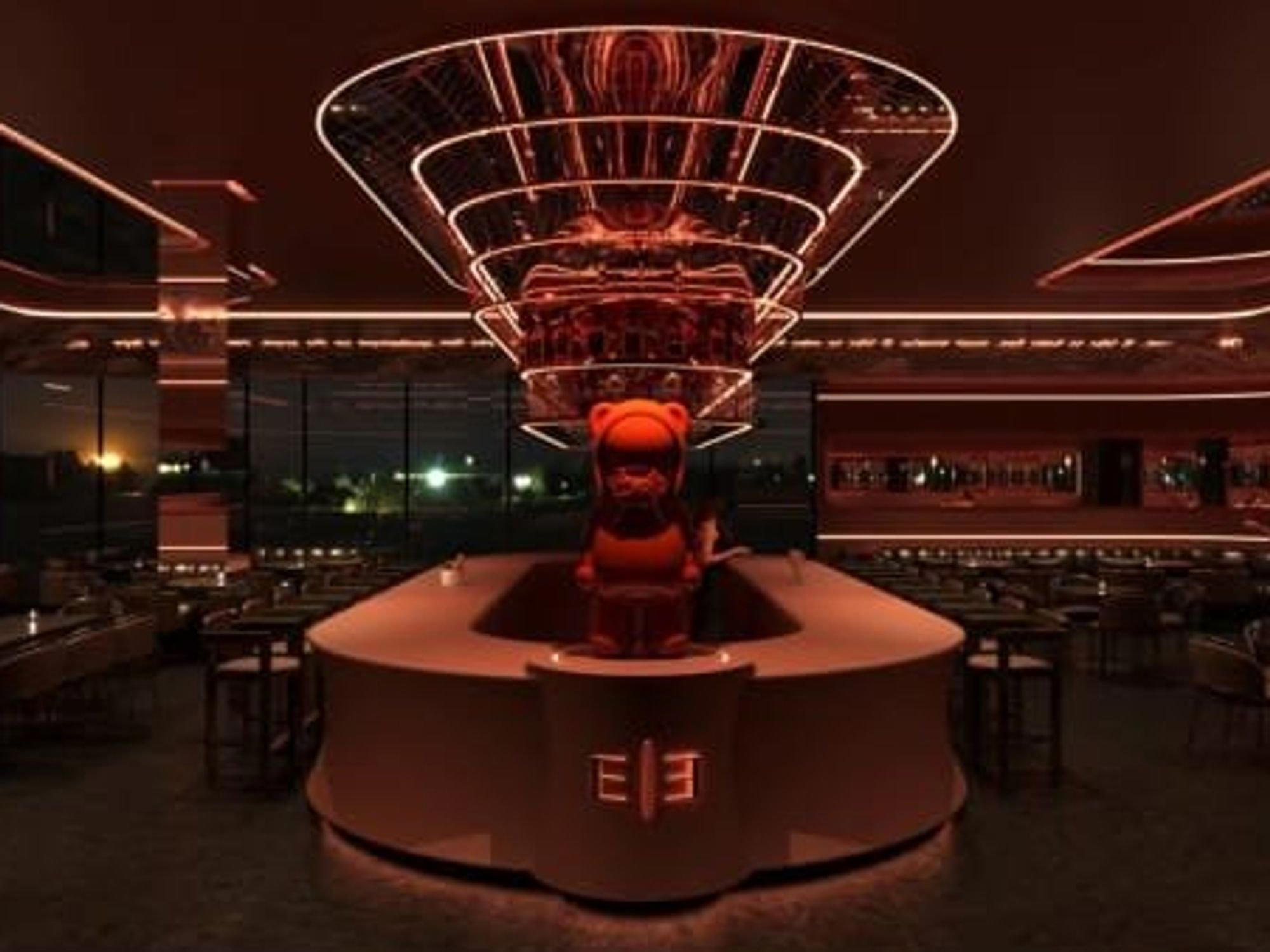
Thirteen restaurant in Houston, United States
About

The Room as Argument

In Houston's better dining rooms, the decision about how to arrange space is itself a statement of intent. The city has spent the last decade building a serious restaurant culture from the ground up, and the venues that have earned sustained attention tend to share a quality: the physical environment is not decorative afterthought but structural logic. Thirteen is a Japanese-American Fusion restaurant in Houston's Midtown at 1911 Bagby St Suite 100, with a price tier of 4 and an average spend of about $50 per person. The Bagby corridor has matured into one of the more architecturally self-aware dining stretches in the city, and a room on that block carries expectations about how design and hospitality are meant to work together.

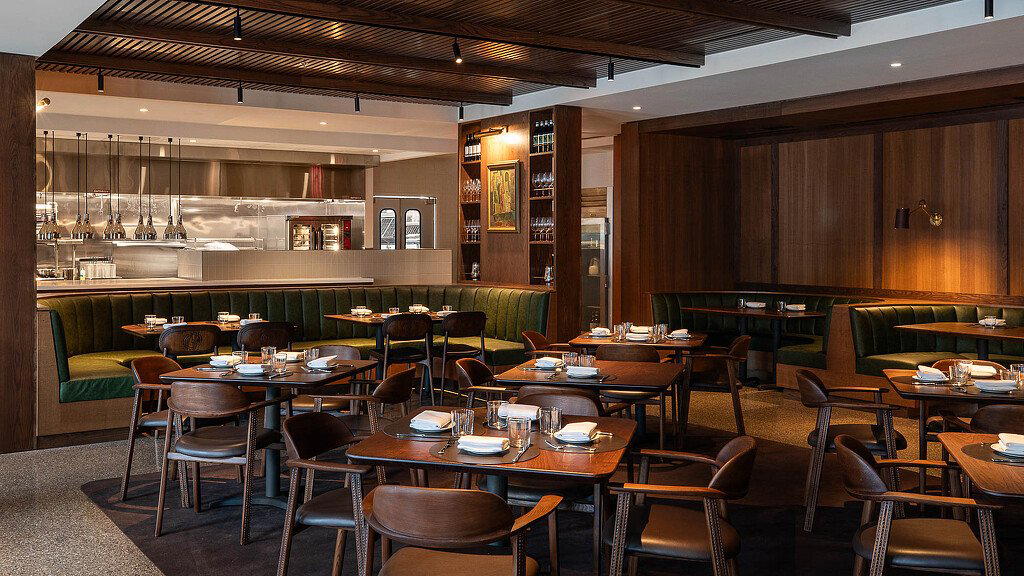
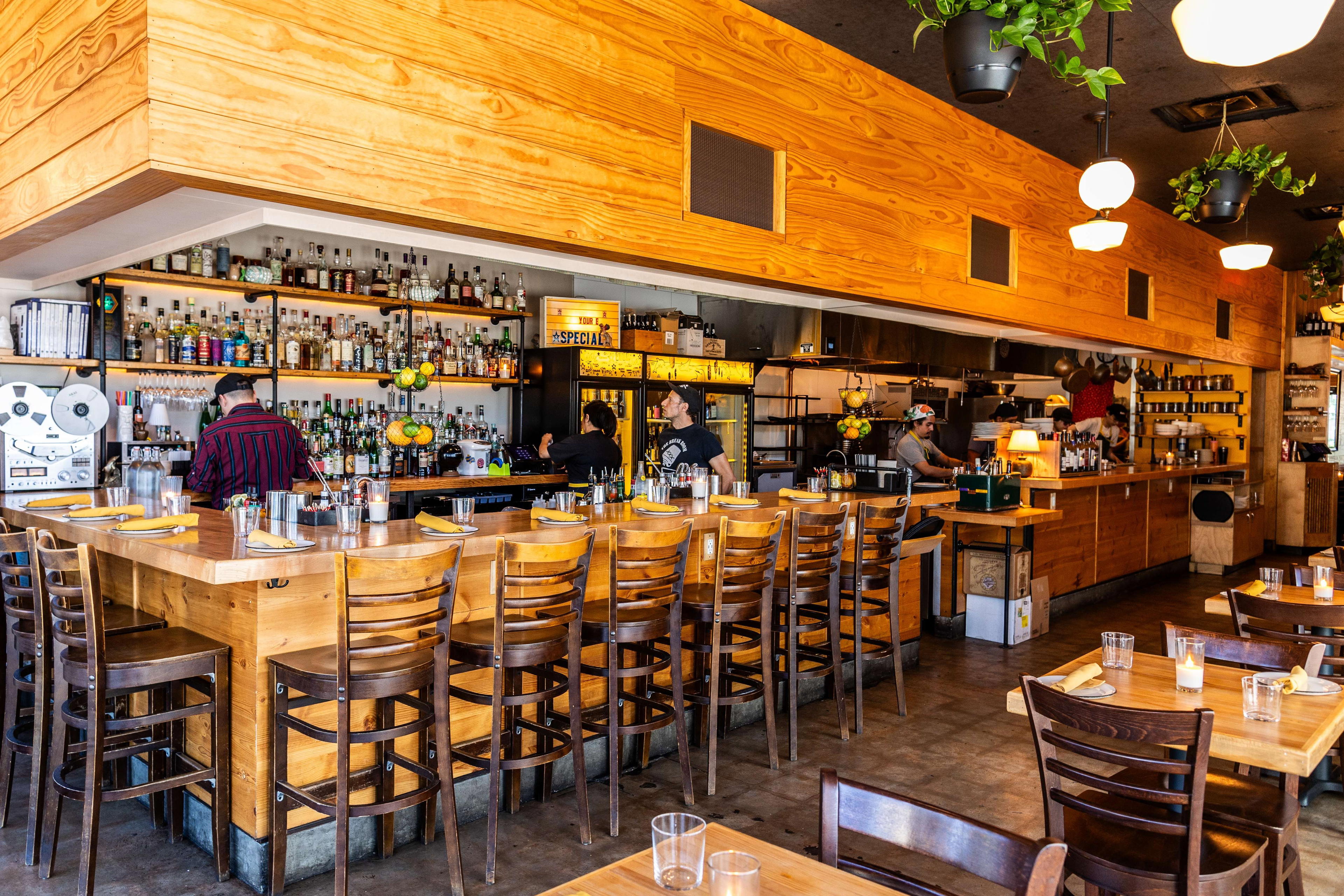
What separates Houston's current generation of considered spaces from the prior era of big-room Texas dining is compression. Smaller, more deliberate seating arrangements signal that the kitchen is not cooking for volume. Lighting that reads in layers, perimeter wash, table-level warmth, a darker ceiling, tells a guest something about the pace the room intends to set before a single dish arrives. These are not accidental choices. They are arguments made in wood, steel, glass, and lumen count, and guests who dine frequently in rooms built this way tend to read them fluently.

Midtown's Position in Houston's Dining Geography

Houston's dining energy has historically spread across several distinct nodes: the Galleria corridor for high-volume international spend, Montrose for independent risk-taking, the Heights for neighborhood-scale ambition, and Downtown/Midtown for the intersection of after-work finance and pre-theater intentionality. Midtown has sharpened considerably over the past several years. The proximity to the Theater District pulls a guest who has already committed to an evening rather than a spontaneous one, and that self-selecting audience tends to be more receptive to deliberate pacing and structured formats.

Thirteen's address on Bagby places it in direct conversation with that profile. The area rewards restaurants that take their time because the guests arriving there have already decided to take theirs. Compare that to the more frenetic energy around Westheimer or the weekend-driven foot traffic of Washington Avenue, and the Midtown proposition is distinct: this is dining as a planned act, not an opportunistic one. For operators who want their room to do some of the experiential work, Midtown provides the right conditions.

Where Thirteen Sits in Houston's Competitive Tier

Houston's upper dining tier has grown more crowded and more specific in the past five years. March has established a Venetian-inflected tasting format that operates at the $$$$ ceiling and has drawn national attention for its precision. Musaafer brings a similarly serious commitment to Indian regional cooking at equivalent price architecture. BCN Taste & Tradition holds the Spanish fine-dining position. Le Jardinier Houston operates within the French-inflected, vegetable-forward idiom. Tatemó has carved a specific lane around masa-focused Mexican cooking with serious technical credentials.

What this proliferation of defined identities means for any new entrant is that a vague proposition does not hold. Houston diners with serious appetites and the budgets to match have enough options that a restaurant competing at the upper tier needs a legible point of view, in the food, in the room, in the service register. The city's dining conversation has grown sophisticated enough that design choices read as content. A room that signals one thing and delivers another creates cognitive dissonance that word-of-mouth punishes quickly.

Nationally, the template for what a considered American dining room can accomplish is well-established. Alinea in Chicago demonstrated that architectural commitment to the dining environment could become part of the editorial identity of a restaurant. Lazy Bear in San Francisco showed that communal spatial logic could reframe the guest relationship entirely. Blue Hill at Stone Barns proved that the physical container and the sourcing philosophy could operate as a unified argument. At the highest level, rooms like The French Laundry and The Inn at Little Washington have made the spatial experience inseparable from the culinary one. Houston's better rooms are tracking that same logic at the regional scale.

The Design Conversation Happening Across American Fine Dining

The broader shift in American fine dining over the past decade has moved away from the formal European-referencing dining room, white tablecloths, banquette symmetry, gilt detail, toward spaces that feel considered but not stiff. The influence of Scandinavian material sensibility, the Japanese emphasis on the relationship between object and space, and a renewed American interest in locally sourced materials have converged into a design idiom that values warmth and specificity over grandeur and formality.

Restaurants like Single Thread Farm in Healdsburg and Providence in Los Angeles occupy this territory at the national level, where the room's materials and proportions carry as much intention as the sourcing philosophy. Atomix in New York City has made the spatial and presentational experience so integral to the tasting format that separating design from food would be a categorical error. Even at the international scale, rooms like 8½ Otto e Mezzo Bombana in Hong Kong demonstrate that design register communicates intent across cultural contexts. Addison in San Diego and Le Bernardin in New York City occupy different points on the design spectrum but share the same underlying conviction: the room must earn its price point as much as the plate does.

Houston's leading new rooms are learning that lesson. The city's history of big-footprint dining is giving way to a more edited spatial sensibility, and Midtown venues that get the proportions right are finding that a well-designed room creates a kind of loyalty that a merely good menu cannot generate alone. See also Emeril's in New Orleans for a regional benchmark in how a room's design legacy becomes part of its identity over time.

Planning Your Visit

Signature Dishes
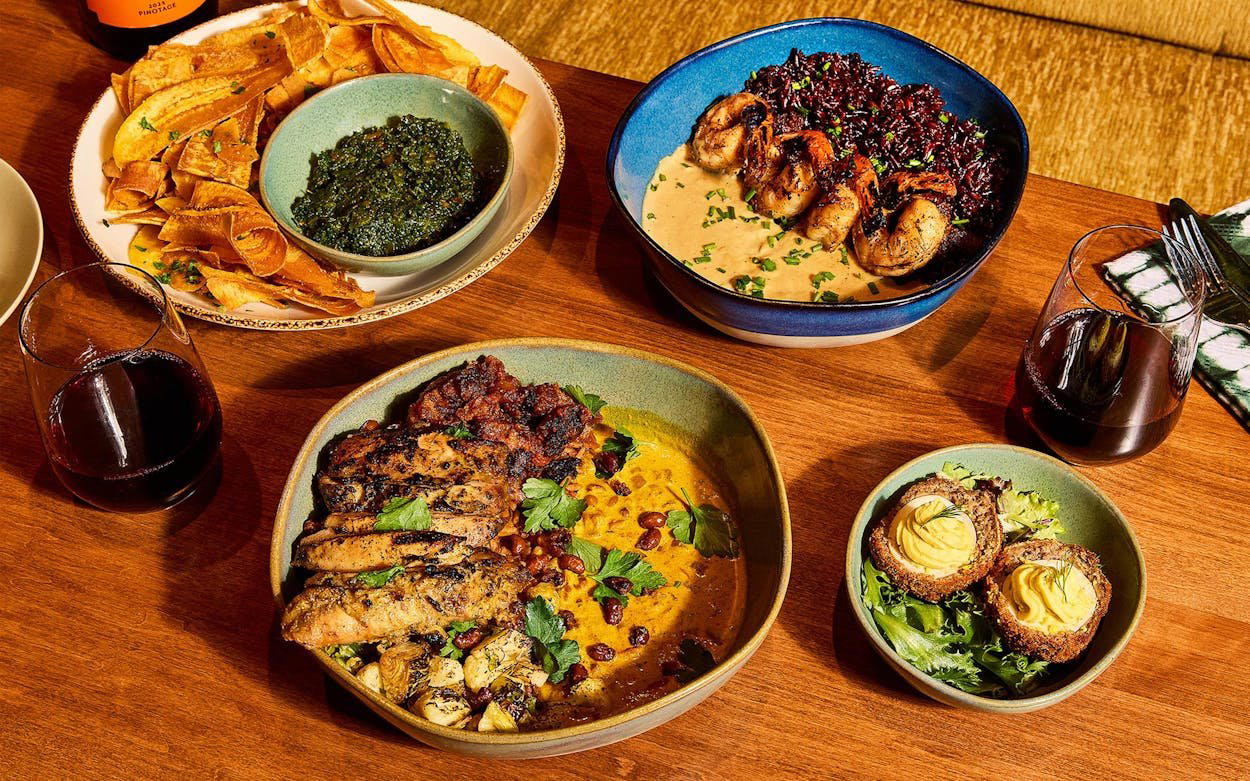
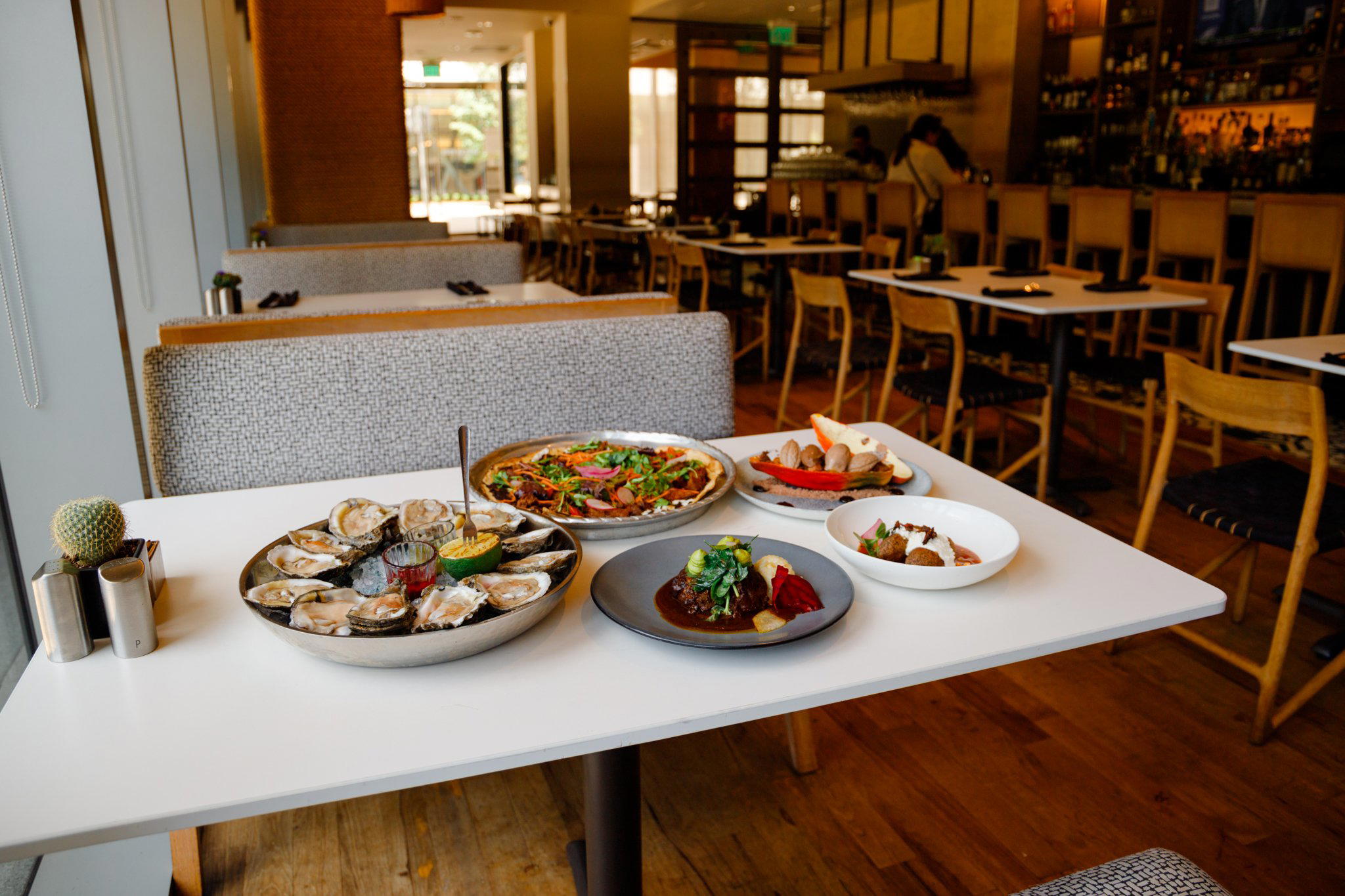
Hamachi Ceviche TacosMillionaires SandoWagyu Beef Dumplings
Frequently asked questions

Peers Worth Knowing

Comparable venues nearby, for context on price, style, and recognition.

At a Glance
Vibe
  • Elegant
  • Sophisticated
  • Lively
  • Trendy
  • Intimate
Best For
  • Date Night
  • Special Occasion
  • Group Dining
Experience
  • Open Kitchen
  • Live Music
  • Private Dining
Drink Program
  • Craft Cocktails
Dress CodeSmart Casual
Noise LevelLively
CapacityMedium
Service StyleUpscale Casual
Meal PacingLeisurely

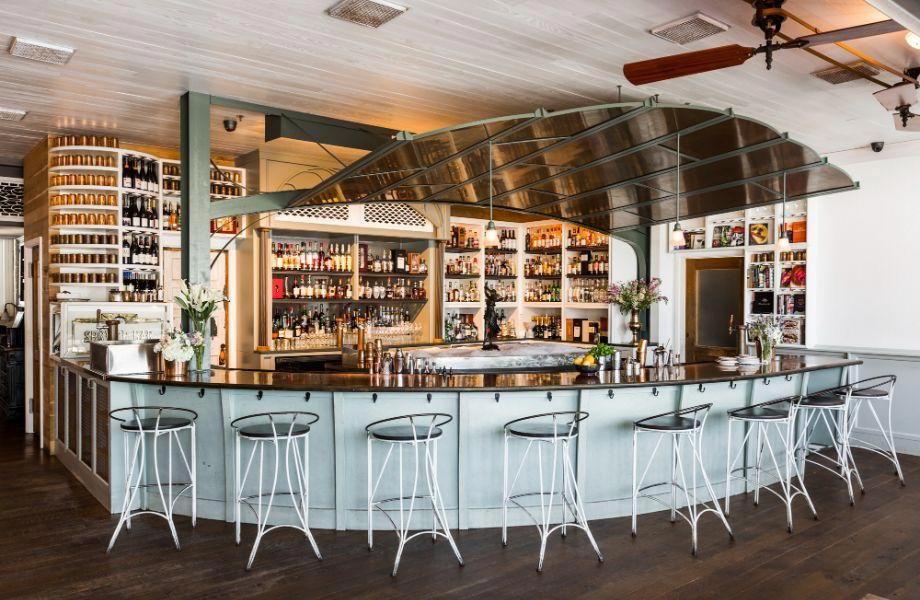
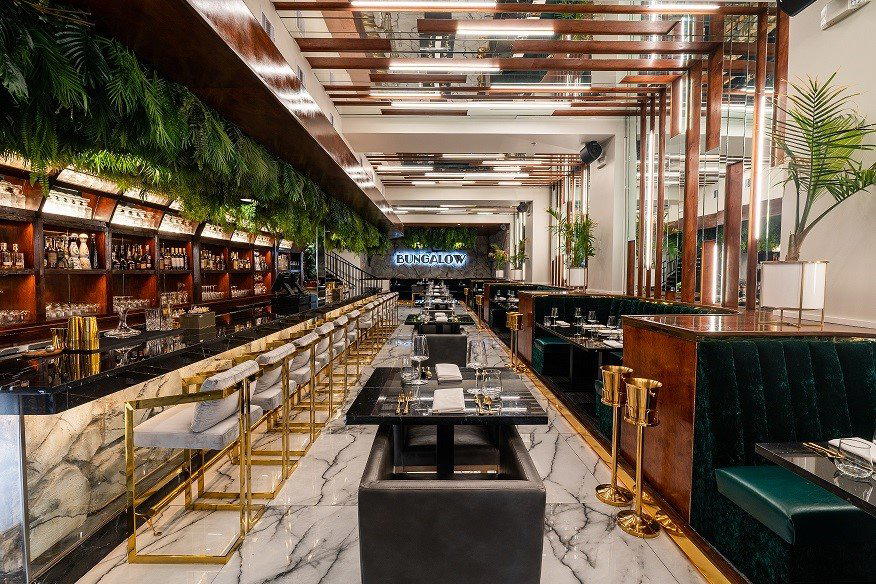
Moody lighting in the intimate lounge with live DJ, opulent furnishings and luxe lighting in the main dining room creating a sophisticated yet lively atmosphere.

Signature Dishes
Hamachi Ceviche TacosMillionaires SandoWagyu Beef Dumplings