
Star Wine List
Our verdict
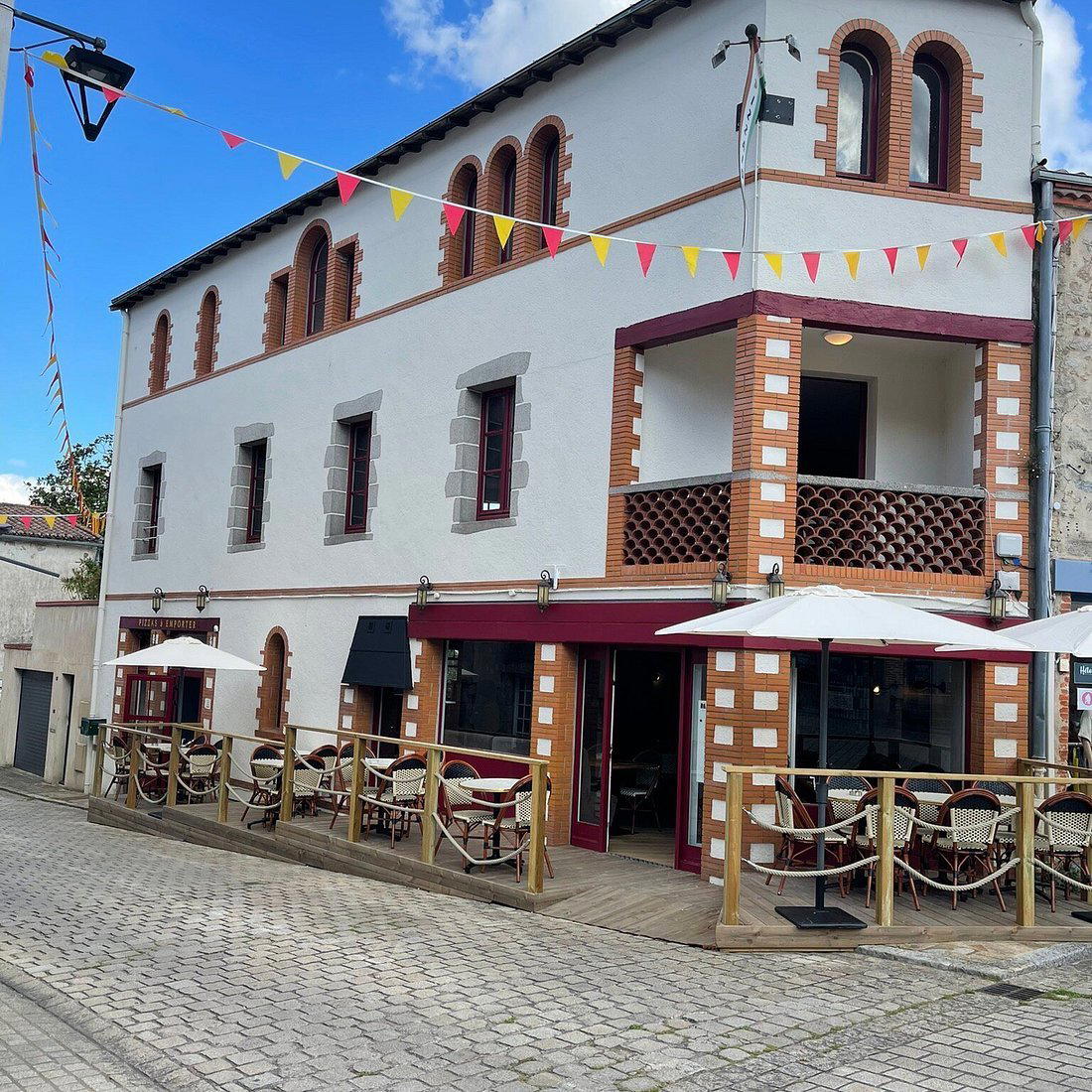
Set against the medieval ruins of Clisson's castle, MAD occupies one of the Loire-Atlantique's most arresting positions, where the Sèvre Nantaise curves beneath stone bridges and trailing willows. The setting alone earns attention, but the kitchen's relationship with local sourcing gives the experience its editorial weight. For a town this size, the ambition is notable.

Pearl is the En Primeur Club membership app, where members save venues, book tables and use the concierge.
The menu
What to order
- 4 cheese pizza
- Pizza with ham and pistachios
- Pasta burrata with basil
Where Medieval Stone Meets the River Below
Clisson is not a city that announces itself loudly. Tucked into the southern Loire-Atlantique near the Muscadet vineyards, it wears its medieval bones with a certain indifference to tourism, which is precisely what makes its dining scene worth tracking. The town's most arresting vantage point sits within and around the ruins of its Middle Age castle, where the Sèvre Nantaise river bends below and canoes thread between stone-arched bridges. Weeping willows trail into the water. The terracotta-tiled rooftops of the old quarter stack up the hillside. It is the kind of setting that French provincial cooking has always claimed as its natural backdrop, and MAD occupies it directly, positioned so that the castle ruins and the river view form a constant presence.
In a country where destination dining tends to consolidate in Paris or the Mediterranean arc, see Mirazur in Menton or Alléno Paris au Pavillon Ledoyen for what that looks like at full pressure, the persistence of serious kitchens in smaller Loire towns deserves attention. Clisson's food scene, modest in scale but anchored by the region's agricultural and viticultural identity, reflects a broader French tradition: that provincial restaurants do not need metropolitan scale to be worth the detour. Bras in Laguiole and Flocons de Sel in Megève built their reputations on exactly this logic, rooting serious cooking in landscapes most Parisians would consider peripheral.
Sourcing as the Kitchen's Argument
The Loire-Atlantique sits at the intersection of Atlantic coast produce, river-valley agriculture, and the Pays de la Loire's dairy and livestock traditions. This is the same territorial logic that gives Muscadet its identity, wine made not despite the climate and soils but because of them, and the strongest Loire kitchens apply the same reasoning to their plates. Proximity to the coast brings fish and shellfish within a short supply chain. The bocage farmland inland produces poultry, pork, and dairy with regional character that mass-market sourcing erases.
MAD sits inside this geography, and the framing that matters is what that positioning demands of the kitchen. When sourcing is genuinely local and seasonal rather than decorative, the menu shifts every few weeks, sometimes faster, and the dishes carry provenance that guests can trace to landscapes they may have driven through. This is not a new idea in French cooking, Auberge de l'Ill in Illhaeusern has been doing it for generations, but it remains the discipline that separates kitchens genuinely engaged with their terroir from those using local sourcing as a menu descriptor. The Loire's agricultural calendar is specific enough that a kitchen paying attention to it will produce something quite different in October than it does in April.
For context on what serious provincial sourcing looks like when it reaches peak ambition, Troisgros in Ouches has spent decades making the case that rural France can drive the conversation rather than follow it. MAD operates at a smaller, more accessible scale, which is appropriate for Clisson's character, but the underlying logic, cook from where you are, is the same.
The Town That Shaped the Setting
Clisson earned its unusual architectural identity through a particular historical accident. After Revolutionary-era destruction, the town was rebuilt in the early nineteenth century with Italianate influence, which explains why its terraced gardens, loggia-style buildings, and stone arcades feel more like a Tuscan hill town than a standard Loire village. The castle ruins predate that reconstruction by several centuries, and the combination gives the town a layered visual character that few places in the western Loire can match.
This architectural specificity matters to dining in a direct way: the rooms and terraces that restaurants occupy here carry genuine historic fabric. The view from the castle-adjacent position at MAD is not a manufactured backdrop but a consequence of the town's medieval geography. Eating with that view in the frame shifts what a meal means, which is why French restaurants have always understood that setting is part of the editorial statement a kitchen makes. Paul Bocuse's Auberge du Pont de Collonges and Au Crocodile in Strasbourg both understood this: the physical context of a restaurant is not incidental to the cooking; it is part of what the guest is consuming.
Where MAD Sits in Clisson's Dining Picture
Clisson's restaurant offer is compact. The town is small enough that its dining scene can be surveyed in a long weekend, and the sensible approach is to use it as a base for exploring the broader Muscadet wine country rather than treating it as a single-destination stop. Villa Saint-Antoine provides a comparable modern cuisine reference point within the town, and together they define the upper tier of what Clisson's kitchen ambition looks like. Neither operates at the competitive pressure of a metropolitan fine dining room, which is part of the appeal: the pacing is different, the room less performative, the connection to the surrounding landscape more apparent.
For anyone building a broader Loire itinerary around serious eating, Clisson functions well as a southern anchor. The Muscadet appellations are immediately accessible, and the drive north towards Nantes opens further options. Our full Clisson restaurants guide maps the complete picture, and for those staying longer, our Clisson hotels guide covers where to sleep, while the bars guide, wineries guide, and experiences guide fill in the rest of the town's offer. Internationally, those interested in how ambitious sourcing-led cooking plays out at full scale will find useful reference points at AM par Alexandre Mazzia in Marseille, Assiette Champenoise in Reims, Le Bernardin in New York City, and Emeril's in New Orleans.
MAD is found at 1 Place du Minage, 44190 Clisson. The address puts it directly in the historic core, within walking distance of the castle ruins.
Frequently asked questions
Is MAD good for families?
MAD's setting on Place du Minage, directly above the Sèvre Nantaise river with its stone-arched bridge and willow-lined banks, gives families a lot to look at between courses. The outdoor terrace orientation suits children who need room to move. That said, Clisson is a quiet, historically-focused town rather than a resort destination, so the visit works best for families comfortable with a slower, place-led pace.
Is MAD formal or casual?
The setting, ruins of Clisson's medieval castle with terracotta architectural detail and river views below, suggests a relaxed but considered atmosphere rather than a stiff dining room. Clisson itself draws a culturally curious crowd, particularly around the Hellfest season and heritage tourism, which sets the tone. Dress with intention but without ceremony.
What's MAD known for in terms of accolades?
MAD has received recognition including: Standing on the ruins of Clisson’s Middle-Age castle, one can watch canoes and kayaks gliding along the Sèvre Nantaise river, beneath the stone-arched bridge and weeping willow trees. The terracotta-r....
What do regulars order at MAD?
MAD sits within Loire-Atlantique, a region where the larder runs from Atlantic seafood and river-valley vegetables to Pays de la Loire dairy and livestock. Regulars in this part of France gravitate toward whatever anchors the kitchen to that immediate geography. Given the proximity to Muscadet vineyards, a wine pairing drawn from local production is the logical complement to the meal.
At-a-Glance Comparison
Comparable venues nearby, for context on price, style, and recognition.
| Venue | Cuisine | Price | Awards | Notes |
|---|---|---|---|---|
| MADThis venue (the venue you are viewing) | Italian Pizzeria and Wine Bar | $20–30 | Star Wine List | Not listed |
| Olio e Burro | French-Italian Fusion Bistro | Not listed | Not listed | Centre of Clisson |
| Villa Saint-Antoine | Modern French Brasserie | Not listed | Michelin Plate | Clisson |
| Restaurant pizzeria Il Fiore Angers | Authentic Italian Wood-Fired Pizzeria | $20–30 | Not listed | Centre-ville |
| LELA | Wood-Fired Sourdough Pizzeria | $20–30 | Not listed | city center |
| La Cantina - Vivre[s] | Authentic Italian Trattoria | $20–30 | Not listed | Quai aux Vivres |
Recognition history
Dated appearances from independent guides and award organizations, with the underlying list record or original source where available.
Star Wine List
Star Wine List

Continue exploring
More in Clisson
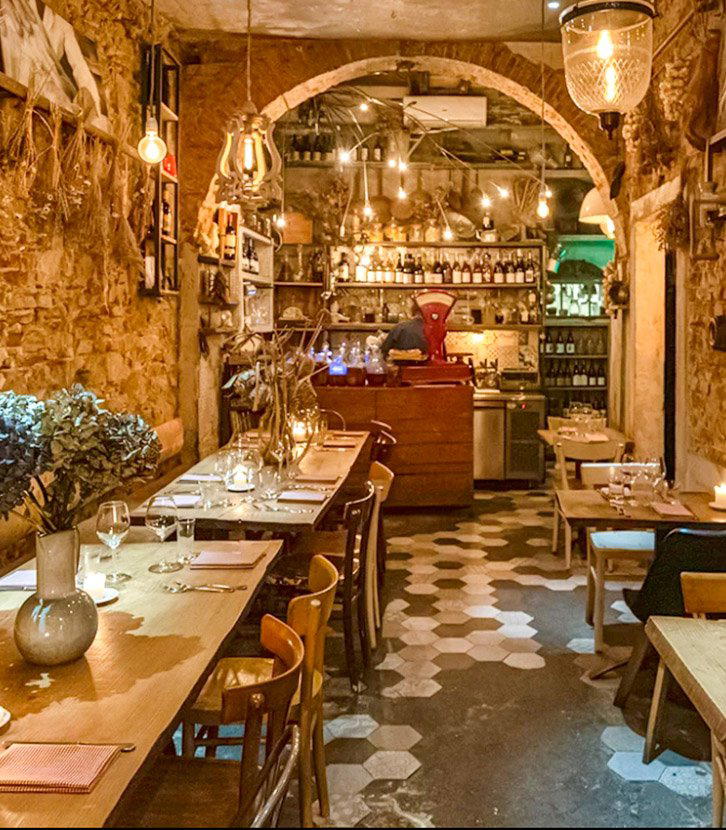
Restaurants in Clisson
All restaurants in Clisson →
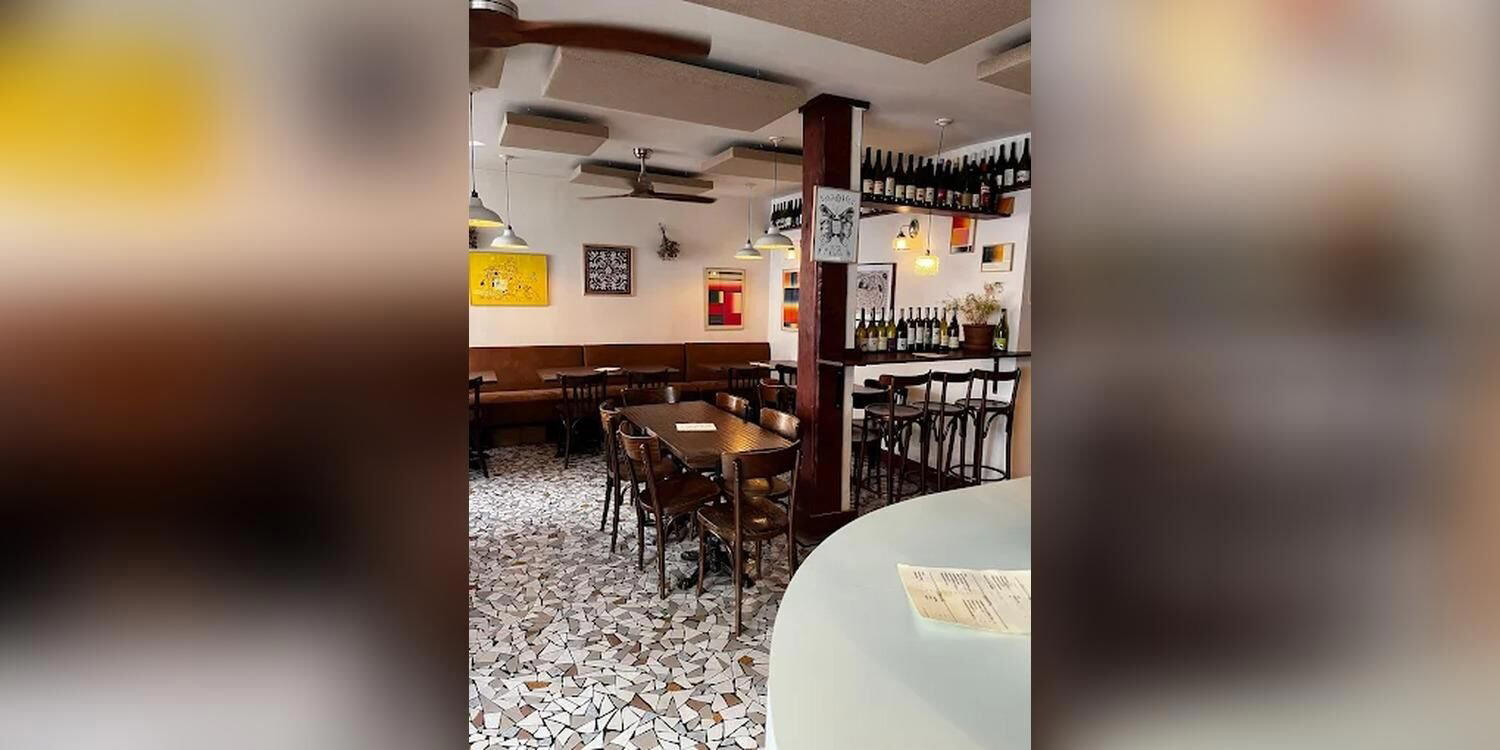
Bars in Clisson
Browse all →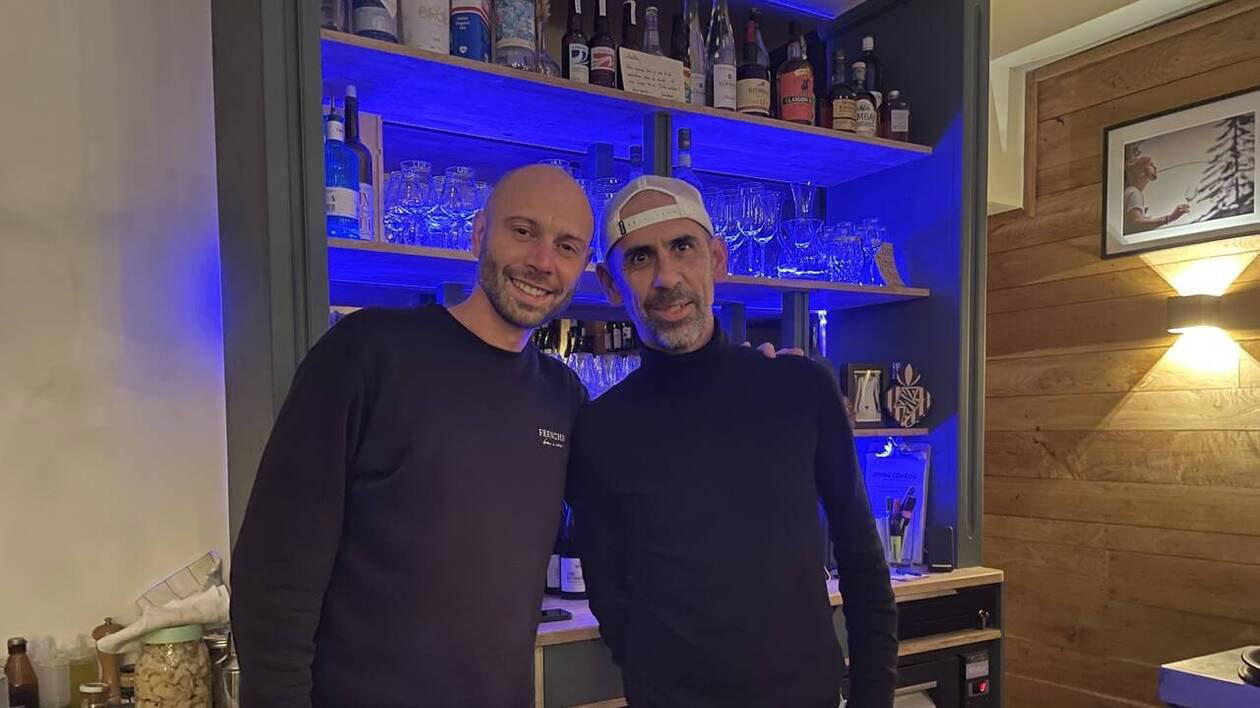
Hotels in Clisson
Browse all →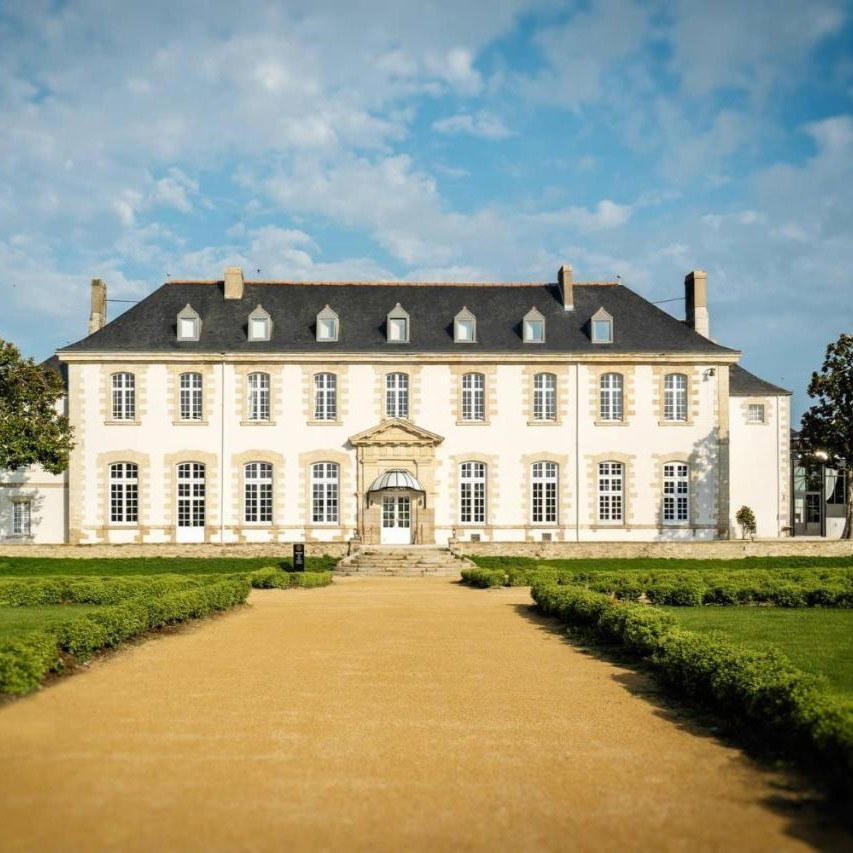

Details
- Cozy
- Trendy
- Romantic
- Casual Hangout
- Date Night
- Terrace
- Extensive Wine List
- Natural Wine
- Local Sourcing
- Organic
- A La Carte
- Small Plates
- Natural Wine
- Local Wines
- Gluten Free Options
Current opening hours
- Monday
- Closed
- Tuesday
- 6–10 PM
- Wednesday
- 12–11 PM
- Thursday
- 12–11 PM
- Friday
- 12–11 PM
- Saturday
- 12–11 PM
- Sunday
- 12–10 PM
Hours can change for holidays and private events. Hours as of .
Bright upstairs room with friendly service, though can be noisy from pizza oven.